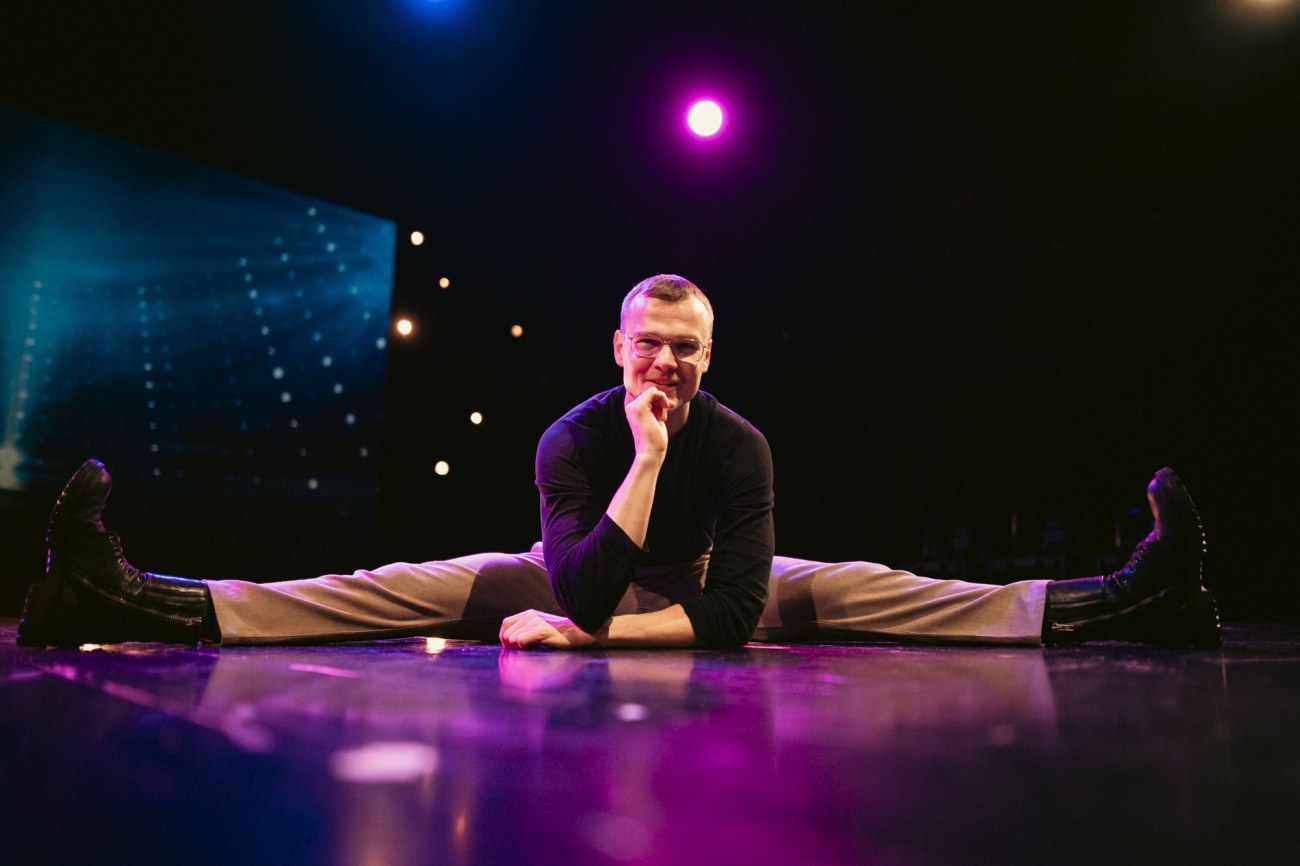
The University of Tampere Foundation Supports Theatre Arts with a €20,000 Donation

Professor Pauliina Hulkko is delighted with the foundation's donation.
“The opportunity offered by the foundation to apply for a grant to support studies is wonderful news for Näty’s undergraduate and postgraduate students! Motivated, dedicated, capable, and well-supported students are essential for a functioning degree programme – and for the broader development of theatre arts. In these times, it is more important than ever to support students' financial well-being.”
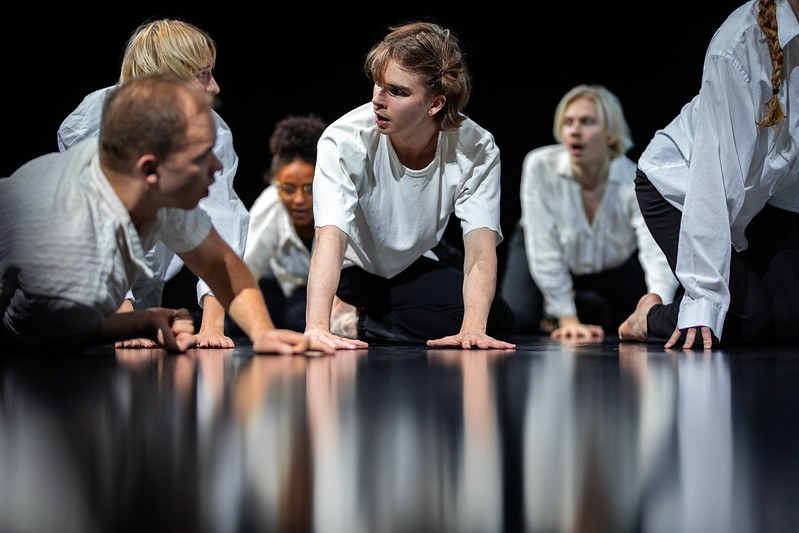
The students are happy about the support and recognition they've received. Currently, master’s students are preparing for the production Taantumus (Regression), which will premiere in September as their artistic thesis. In the performance, Tampere is divided by a wall into the wealthier West Tampere and the poor, destitute East Tampere.
“The play follows the daily struggles for survival and secret resistance activities of young adults from East Tampere. Each character also has a fantastical, divine side that lives in a realm of peace, harmony, and boundless pleasure – an otherworldly reality.”
The production is directed by Professor Esa Kirkkopelto. The material for the play includes, among other things, contemporary narratives of people's experiences under 20th-century dictatorships. The dramaturg is Asta Honkamaa, and Näty’s acting students have composed and will perform the songs featured in the production.
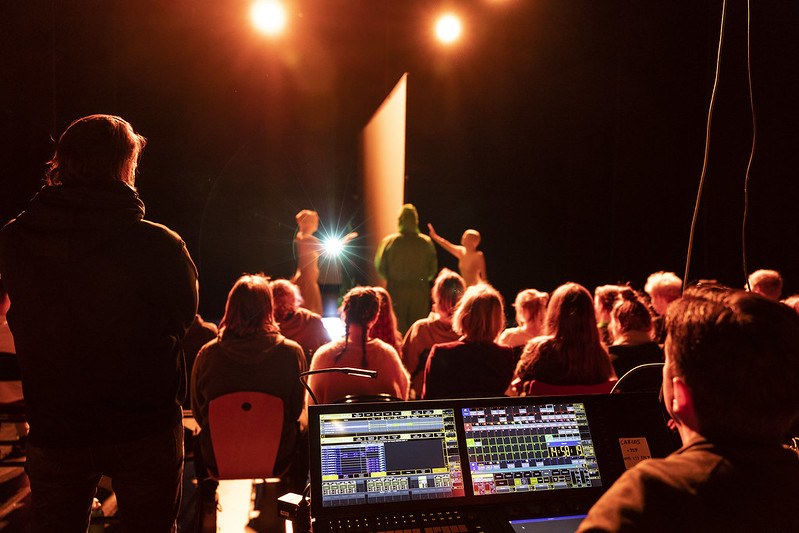
The doctoral students are part of the research group Boundaries of Performing, led by Esa Kirkkopelto, which brings together research on the performing arts at Tampere University. In the group, performing arts can be both the subject of research and a method of research. The group offers a research community for doctoral students, graduates, and senior researchers who value a living connection to performing arts practices and interdisciplinary collaboration.
Current approaches in the group include artistic research, arts research, arts and artist pedagogy research, and applied performing arts research. Topics range from human and non-human performers to contemporary forms of performance, actor dramaturgy, and the societal and technological dimensions of performing arts. The group welcomes new researchers. Now is a good time to start preparing for the doctoral programme applications next autumn.
“Applications for the doctoral programme in Media, Communication and Performing Arts open twice a year – in April and October. It’s wise to begin preparations well in advance, already in the preceding autumn or spring,” says Kirkkopelto.
One of the doctoral researchers in the Boundaries of Performing group is actor Samuel Kujala. His research project combines artistic and technological research. He aims to develop acting techniques that can foster a more fruitful and symbiotic relationship with technology.
“When technology can interpret even involuntary signals from its user, questions of control – and relinquishing it – become tangibly pressing.”
Kujala’s research explores this relationship using machine vision, augmented reality, and muscle stimulation. The title of his dissertation is Technologically Augmented Embodiment and Contemporary Theatre Performance. You can read more in an interview with Kujala.