New horizons in performing arts: technology-driven transformations at research day

Interactive AI and Performance
The event opened with Jurgis Peters presenting his doctoral research project Embodied Feedback Loops. His work investigates how the relationship between performer and generative AI can shift from one-directional control toward a reciprocal and dynamic interaction.
Peters combines artificial intelligence, emotion modeling, and immersive environments in his research. According to him, the performer does not merely control the technology but is also shaped by the interaction with it. A live demonstration illustrated this idea by placing the audience within a feedback loop between human and AI.
For more information about Peter’s projects and publication, see the Convergence webpage:
https://projects.tuni.fi/convergence/news/jurgis-peters-new-work-with-rats-and-aalto-university/
https://projects.tuni.fi/convergence/news/generativeai_art/
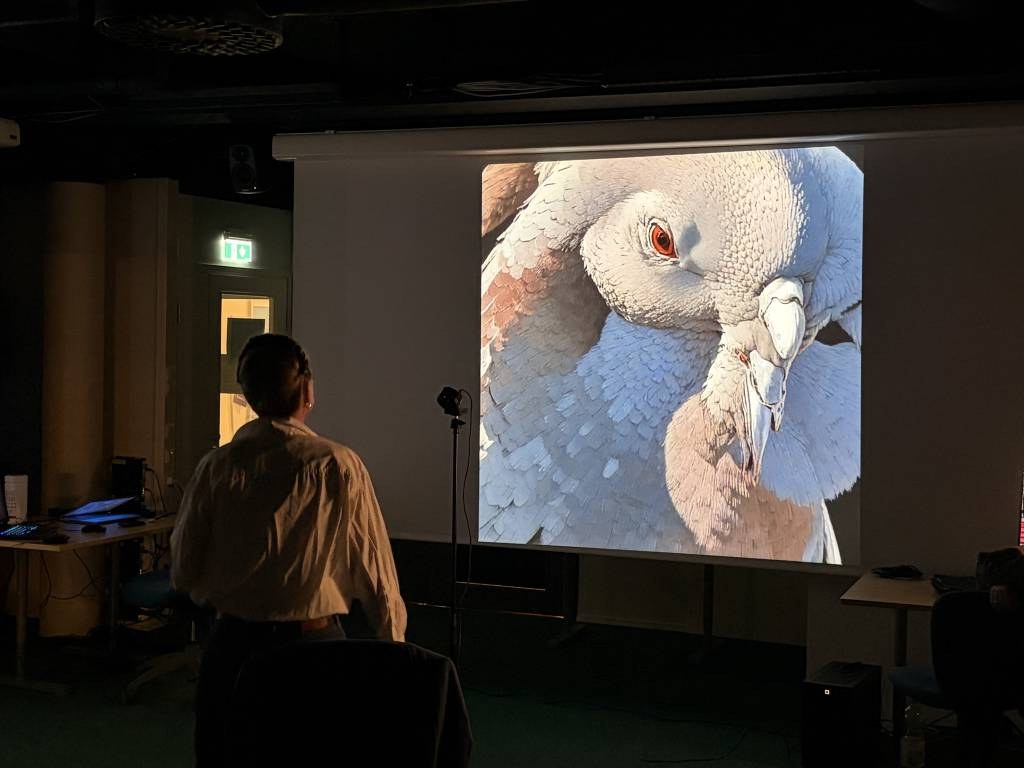 Photo: Aleksandr Ometov
Embodiment in Transition within Virtual Environments
In his talk, Davide Giovanzana examined the identity of the performer in the digital age. He presented his research project Cyborg Avatar and Virtual Performance, conducted at Tampere University’s Theatre Arts (Näty), where physical and virtual bodies become intertwined.
According to Giovanzana, the traditional notion of performer presence is undergoing transformation. Digital environments are no longer merely platforms but actively participate in shaping both the performance and the audience’s experience.
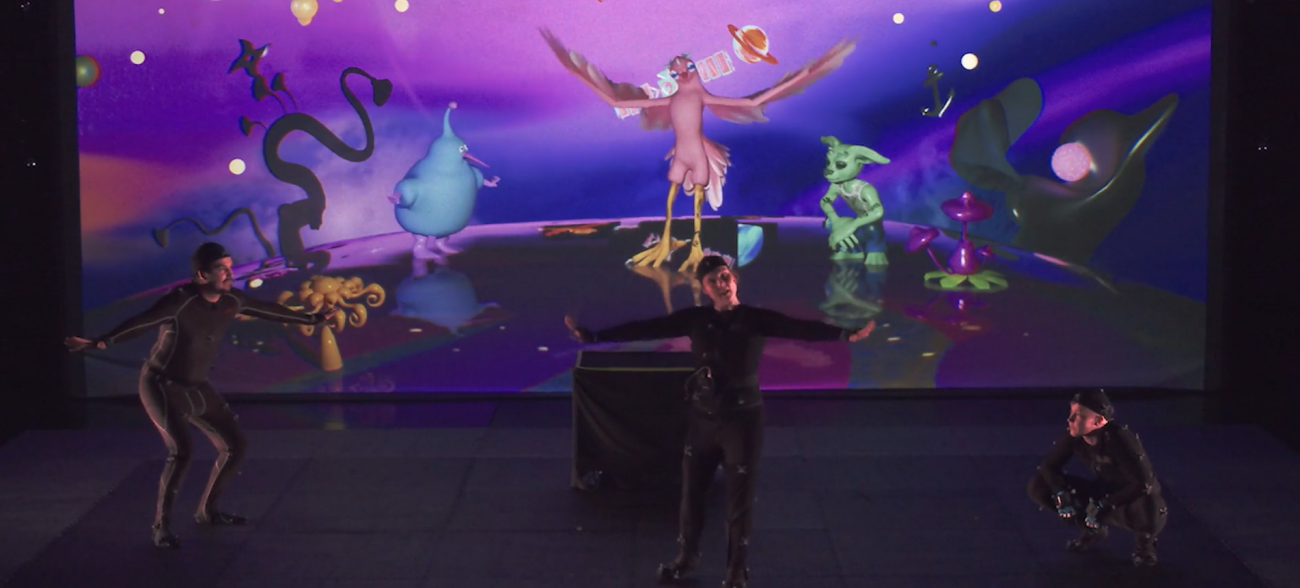
He also referred to the European ACuTe project, which explores new forms of digital theatre. Technology on stage is no longer just a tool—it becomes an active agent within the performance.
For more information about Giovanzana’s projects and publication, see the his webpage: https://davidegiovanzana.ch/
Who Acts – Human or Machine?
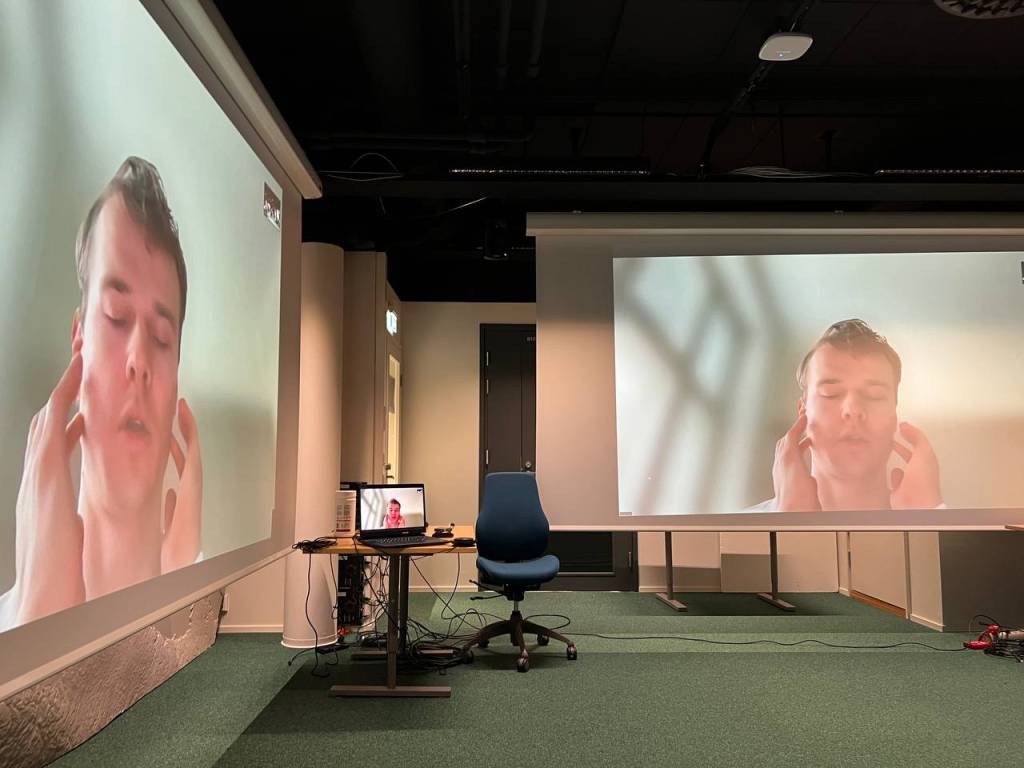
Samuel Kujala continued the theme with his presentation Virtual Masks. His research focuses on the question of agency: can machines act in human-like ways, and what happens when humans and algorithms form continuous feedback loops?
Kujala approaches the topic through perception, identity, and performativity. His research suggests that the role of the performer is no longer confined to an individual actor but increasingly emerges within a shared space between human and technology.
For more information about Kujala´s projects, see the Convergence webpage: https://projects.tuni.fi/convergence/doctoral-researchers/samuel/
Toward a Co-Creative Stage
The event outlines a future where performers and machines act ever more closely as co-creators. From the perspective of the Boundaries of Performing research projects, this is not merely about technological development, but about a fundamental shift in how we understand interaction, presence, and expression.
Performing arts are moving toward hybrid forms in which human and non-human agency intertwine. At the same time, this opens up new possibilities—and new questions—about who ultimately performs, and under what conditions.
Author: Riitta Yrjönen


