Doctoral researcher Minna Heikinheimo: "Digital transformation is changing B2B sales and value creation between companies"

Heikinheimo's dissertation is an important step towards understanding how digital transformation is changing business-to-business (B2B) sales and value creation between companies and how this change should be managed. The research provides valuable information for companies planning the transition to the digital platform economy or developing their digital sales practices.
Digital tools can be used to automate sales processes, as routine tasks often do not generate value for the customer. Digitalization frees up salespeople to focus on value-generating and more challenging tasks and customer interactions.
ROBINS research project on intelligent sales boosted the researcher's career
Heikinheimo graduated from Tampere University of Technology with a degree in industrial engineering and management. For over 20 years she worked in various positions in the manufacturing industry and ICT services, as well as a start-up entrepreneur in China and Finland. During those years, she built a strong foundation for her understanding of business economics and sales practices.
"While working at a startup in the educational game domain, I became interested in pedagogy and ended up at TAMK to obtain a vocational teacher's qualification and teaching practice. It turned out that there was a need for new sales teachers. I had not actually studied sales, as it wasn't offered at university at the time, but I was interested in it based on my industry background”, Heikinheimo says.
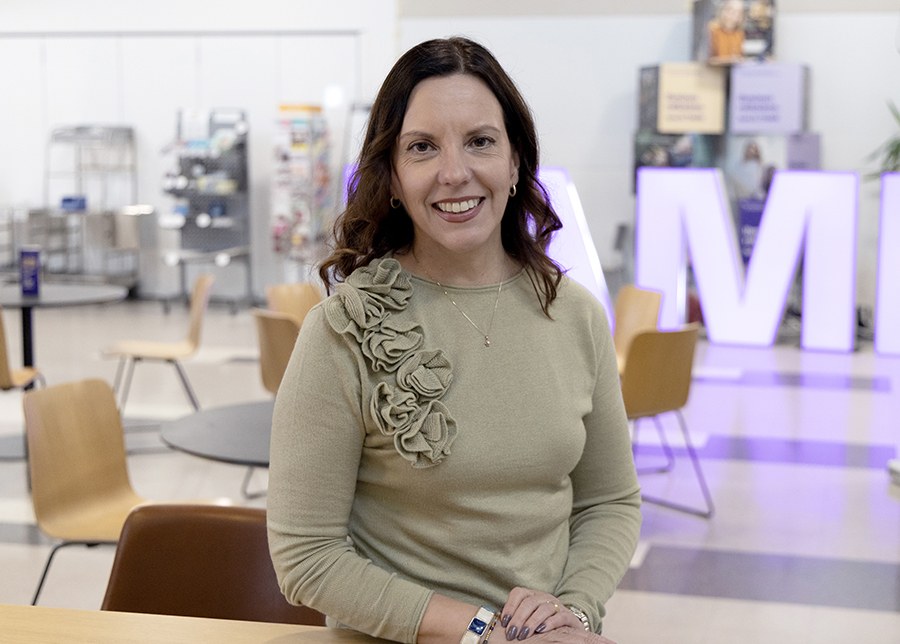
Her research career was boosted by a meeting with Pia Hautamäki, Associate Professor at LUT University. Hautamäki previously worked as a Principal Lecturer in Sales Management at TAMK and led the ROBINS research project. The project examined intelligent sales and combined platform business, digital tools, artificial intelligence, and automation in sales in a new way.
"Pia offered me the opportunity to join ROBINS and write my dissertation, and that's how my research career began. I wanted to learn how things should be done in theory and how theory can be applied in practice in companies and in my own teaching.”
Heikinheimo has been a Senior Lecturer at TAMK since 2018. For the past couple of years, she has been on study leave working on her article-based doctoral dissertation. Now that the work for the University of Eastern Finland is almost complete, she has returned to teaching.
"I teach topics related to B2B sales and sales management in particular. This fall, we launched a new program funded by the Association of Finnish Technical Traders. It is a set of specialized studies in solution sales for engineering students, where we aim to increase the sales skills of people with a technical background.”
Digital transformation brings many opportunities
Heikinheimo believes that digital transformation will have an increasing impact on B2B sales in the future. Research results show that this transformation is not just about adopting technology, but it also requires bold changes in companies' operating methods and culture. Companies must be prepared to change their operating methods, invest, and develop their capabilities.
She emphasizes that digital transformation is a continuous process that requires adaptation and constant learning about rapidly changing technologies.
Digitalization offers opportunities for value creation and customer relationship development. The data accumulated in various systems can be used to add value to interactions, i.e., to understand customer needs in advance and target interactions at the right points in the customer's purchasing journey. Cold calls are unnecessary when customer data is available from various touchpoints.
Minna Heikinheimo
The coronavirus pandemic accelerated digital transformation.
“The pandemic forced many companies to quickly build digital sales practices. This permanently changed B2B sales processes and customer encounters. Companies had to rapidly find and implement digital tools for content marketing or identifying leads, i.e. potential customers.”
Over time, digitalization and the transition to a platform economy will bring cost savings and generate value for various platform operators: customers, subcontractors, and service providers.
A digital platform can also offer solutions to the shortage of skilled workers and enable work to be done regardless of location. In addition to global B2B platforms, local ones are also important.
"Work can be done elsewhere than at the customer's premises. For example, Polish development teams can work for German automotive companies, and Ukrainian developers can find employment in Finnish projects", Heikinheimo describes.
Research supports project activities, and project activities support research
In addition to completing her dissertation and teaching, Heikinheimo is currently working as a project researcher on two projects at TAMK. She has first-hand experience of the benefits of project activities.
The ROBINS project yielded valuable research material, which Heikinheimo has used in her dissertation. Through this material, she sought to understand how companies are digitizing their sales. It turned out that several companies were building a digital B2B platform that brings together different players: in addition to the platform owner or the service provider, there are partners who offer services such as software development, user interface design, or project management on the platform.
"On platforms, companies can also offer experts for customer projects. Previously, people matched experts with customer needs. Now, digital platforms match them using artificial intelligence, such as large language models and their ability to learn. It maps the customer's needs and quickly finds the optimal available employee or team.”
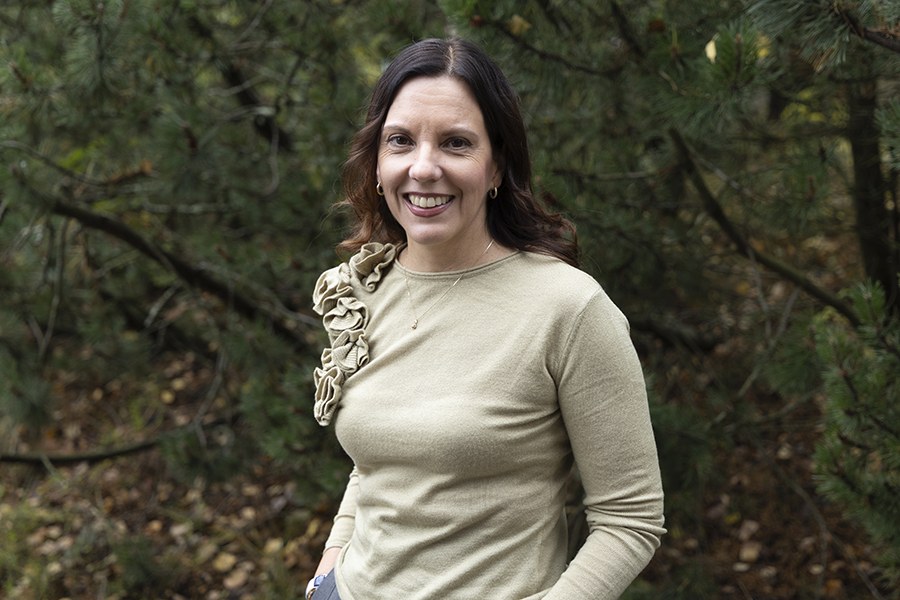
"I noticed that an entrepreneurial approach including autonomy with flat hierarchies facilitates the progress of digital transformation. There are companies that managed to grow their capabilities and digitize their sales during the coronavirus pandemic, but there are also companies that remained stuck in the old world. Proactive, innovative, and agile companies performed better than others even then", Heikinheimo says.
The dissertation is on the final stretch
“It has been an incredible journey, and at times quite a rollercoaster ride. The research work has significantly increased my own expertise and understanding. It has been great to produce academic publications with my co-authors. When publications are released, it is always a remarkable moment. My networks have grown, and I can utilize them in teaching and projects. Research that is in tune with the times also benefits students”, Heikinheimo sums up.
According to her, the atmosphere at TAMK is encouraging and promotes the development of expertise. Heikinheimo feels that she has received a lot of support for her research from colleagues and project work. She is pleased that there is enthusiasm in the organization to invest more in research, doctoral programs, and research groups.
Heikinheimo intends to continue her research on how companies can utilize digital transformation in areas such as new sustainable business models.
“Sales companies should build effective sales models. However, sustainable business models between companies are more complex and are not yet sufficiently understood. Therefore, research based on empirical data is needed.”
Additional information:
Minna Heikinheimo
Senior Lecturer | Business and Media
Tampere University of Applied Sciences
minna.heikinheimo [at] tuni.fi, +358 40 749 5459
Minna Heikinheimo (0000-0002-8821-4921) - ORCID
Author: Hanna Ylli


