This project utilizes the attention on microbes that emerged during the design of a new microbial daycare in Tampere. The microbial daycare is a response to our collaborators’ research (see here, here and here) demonstrating that children’s weak interaction with environmental microbes in urban environments is linked to an imbalance in immune regulation.
We introduce a new understanding of the child’s body as a ‘nested ecosystem’ highlighting its constitution by and connectedness with diverse microbes in the environment. We seek, first, to understand the complex perceptions about and relations between humans and microbes in daycare education. Second, we foster new pedagogical attention and practices that consider children’s diverse biology beyond the current focus on children’s social life. We make the microbes visible and relatable through a participatory metagenomics led by an ecologist with teachers and children. We also use arts to develop participants’ sensory perspective on microbes to be able to think, feel and sense the world from a microbial view.
The pedagogical stories, scientific article and artworks created through these engagements communicate to scholars, professionals and the public that human life and health are connected to thriving biodiverse environments hence fostering those is a key to human wellbeing. Pedagogical encounters seek to promote ethical relations with and foster microbial diversity, an area still unrecognized in conservation yet plays a crucial role in changes to ecosystems.
The project is part of a broader interdisciplinary research group Microbial childhood collaboratory which seeks to combine biological and social perspectives in a biosocial imagination to navigate contemporary challenges and opportunities in contemporary childhoods in the wider Nordic society and beyond.
The project is funded by Maj and Tor Nessling Foundation.
Contact persons
Zsuzsanna Millei
Professor, Early Childhood EducationLeader of the Project
Zsuzsa Millei, Professor of Early Childhood Education at Tampere University
Postdoctoral Researcher
Mira Grönroos, PhD., postdoctoral researcher at Helsinki University
Postdoctoral Researcher
Jan Varpanen, PhD., grant researcher at Tampere University
Resident artist
Erika Aalto, M.A., Puppet artist
Visiting artist
Eva Bubla, community artist and activist
Researcher
Laura Soininen, PhD., independent grant researcher
Collaborators
Tahmela daycare
Microbial Childhood Collaboratory (MCC)
Center for the Social Study of Microbes
Nadine Voelkner, University of Groningen, Associate Professor in International Relations
Riikka Hohti, University of Helsinki, Associate Professor of sustainability science
Stefanie Fishel, University of the Sunshine Coast, Senior Lecturer in Politics and International Relations
Podcast: "Discover your microbial child (with Zsuzsa Millei)" - Professor Zsuzsa Millei shared some of our work in the Ferment radio episode 48.
Wishing to learn more about microbes?
Towards greener playgrounds - some ideas from project researcher Mira Grönroos' virtual tour.
Playing in the mud and soil may improve a child's immune system.
Exposure to farm environments in early childhood protects against atopic disease until middle age.
Your changing microbiome.
A baby's microbiome is formed at birth and shaped among the first months of their life. The mother's milk contains nutrients that the baby cannot utilise but microbes can. Mother's milk is therefore partially designed to feed the microbes!
Spending time in nature is beneficial for the human microbiome and general health. How can you increase exposure to microbes in everyday life with children? And what can you do in schools and daycares? We talk about children's relation to nature and its health effects. Project researcher Mira Grönroos in Luonnon ääni -podcast.
How do microbes build their communities in and around us?
Do gut microbes affect your personality?
Microbes in the teeth reveal the living habits of antiquity.
What are microbes doing in the garden?
It is a common misconception that sweat stinks. In reality, sweat is odourless, but our innumerable microbes inhabit our armpits who feed on our sweat. The smell results from their metabolism - the smell of sweat is really the smell of microbial farts!
New microbes are discovered all the time!
Microbial art museum in the Netherlands.
Project visiting artist Eva Bubla's Microbial futures lab
Anna Dimitru's artwork Fragile Microbiome
Microbial landscapes at the democracy festival 2020.
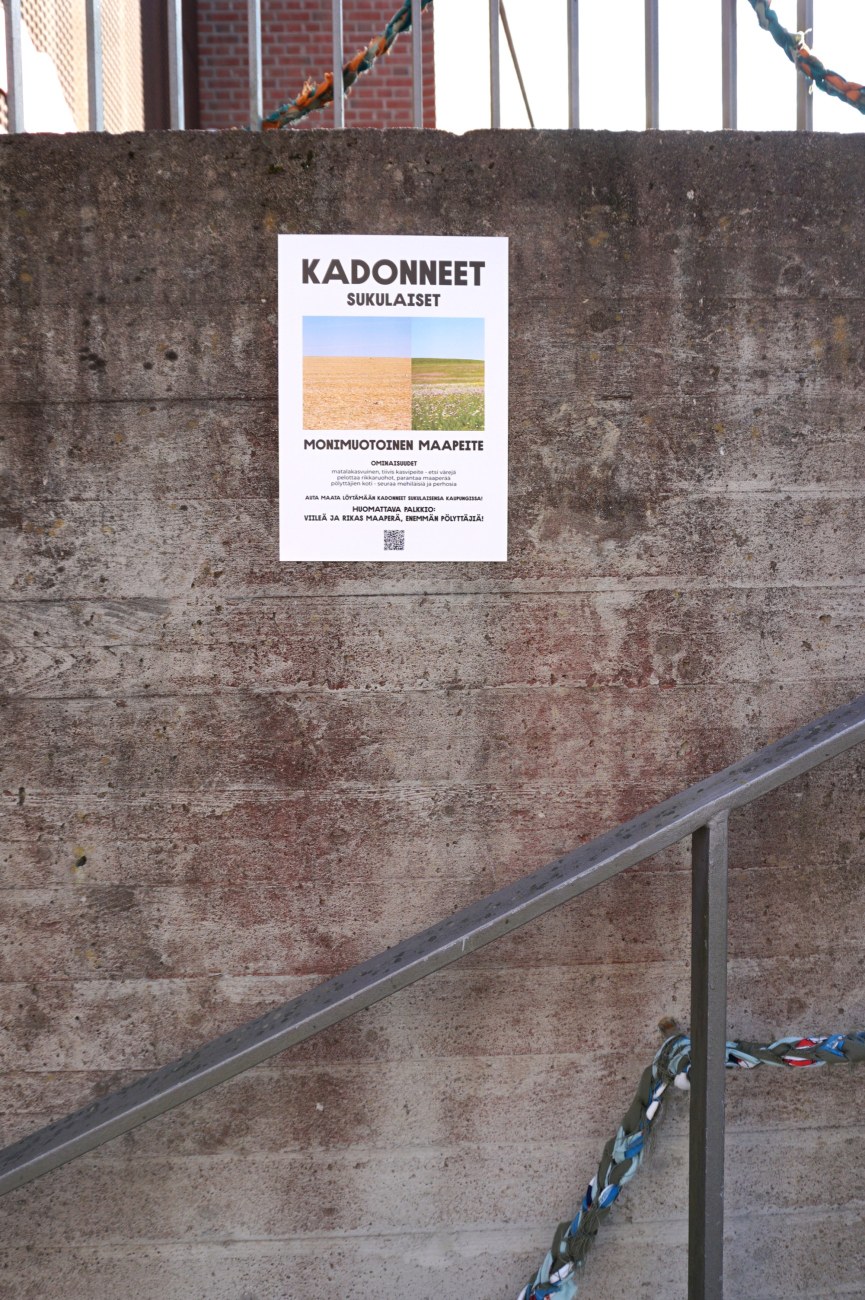
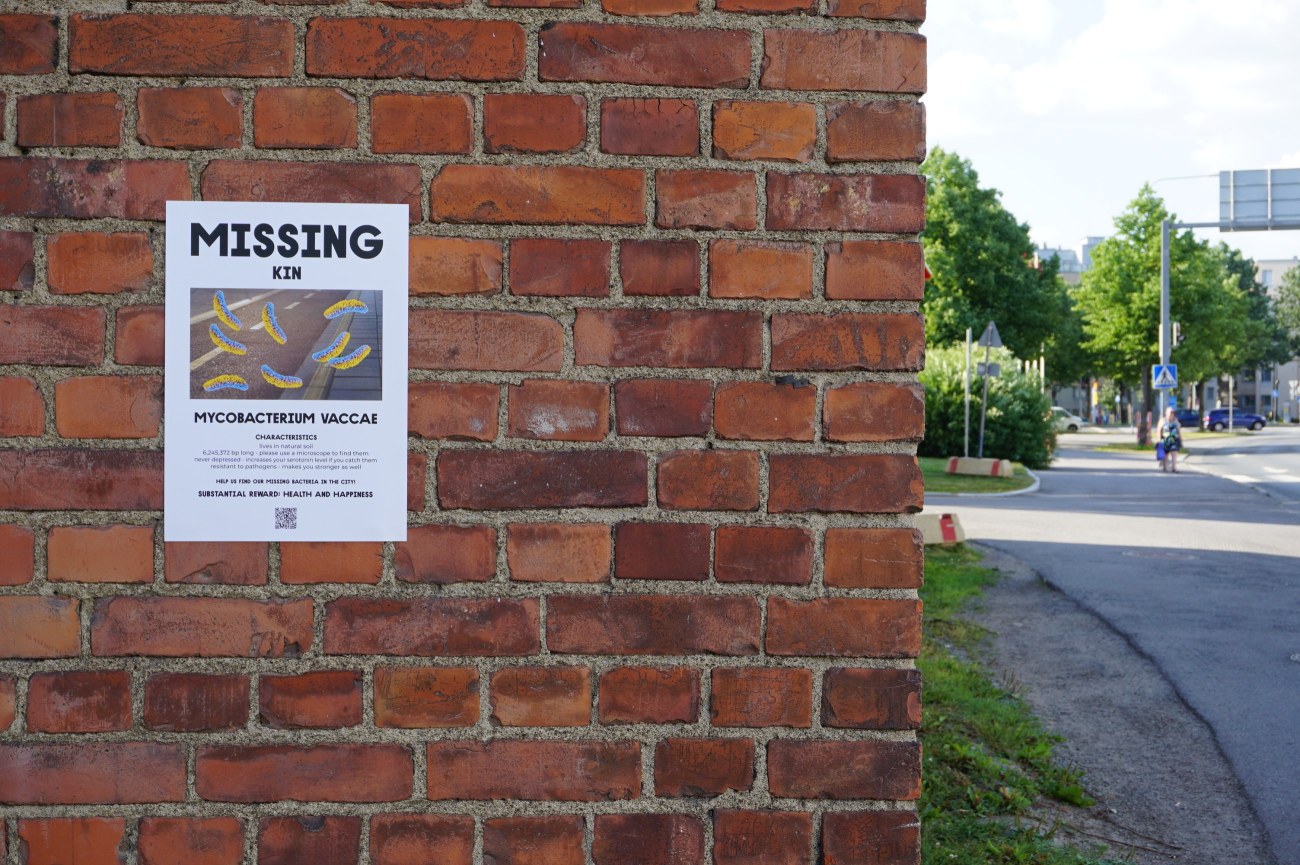
MISSING KINS
guerilla poster campaign, 2025
various urban locations around Southern Finland
Have you ever lost someone?
We are not the only ones missing our loved ones.
An orphaned tree in the city longs for its mother’s care. The soil beneath it yearns for the shelter of fallen leaves and the hum of pollinators it once hosted. But it’s not just the forest that suffers — our own bodies are missing the environmental microbes that train our immune system to work properly. We are all deeply interconnected with the living world around us. Like members of one vast, extended family, we must care for one another — tree, soil, insect, and human alike. So let us begin the search for our missing kin, and restore the bonds that sustain us all.
Keep an eye out for our posters around the city, explore the detailed profiles of our missing kin below to guide your search, or scroll down to discover more stories in our installation description!
Photo: Eva Bubla
Scientific research suggests that soil microbes—organisms humans have interacted with throughout evolution—played a crucial role in shaping the human gut microbiome and developing human immune system. However, in recent decades, urbanization and the global decline in biodiversity have led to a reduction in gut microbial diversity. At the same time, immune system disorders have become more common in urban populations.
Our surroundings—where we live, work, and spend time— influence the microbial communities on our skin and within our respiratory and digestive systems. Soil and outdoor vegetation harbor a wide range of microorganisms that are often missing from indoor environments.
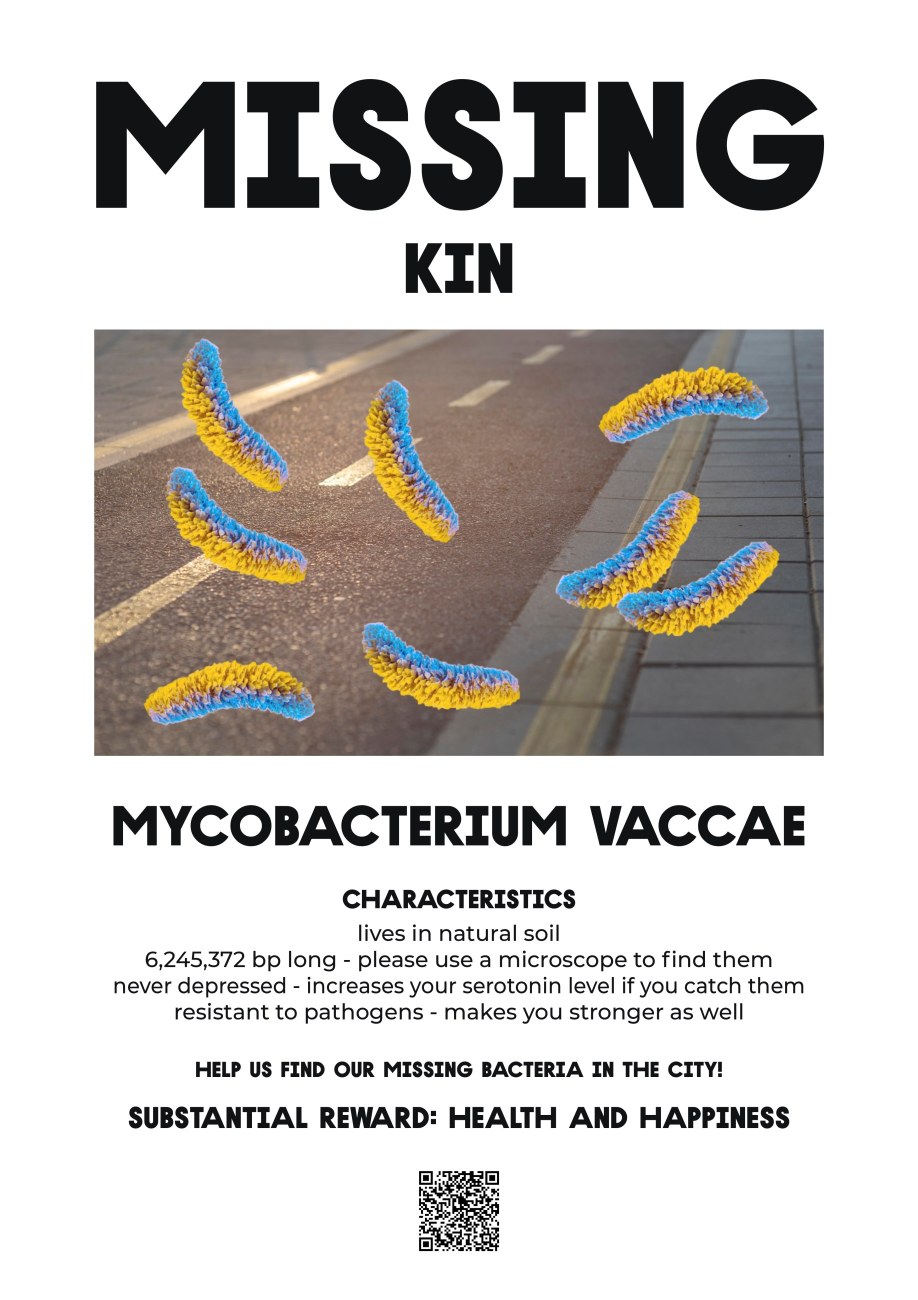
One example of notable soil microbes is Mycobacterium vaccae, a naturally occurring bacterium with anti-inflammatory and immune-regulating properties. It has shown potential in reducing allergic reactions, particularly in preventing conditions like atopic dermatitis. Even M. vaccae’s potential to alleviate stress-related disorders, such as post-traumatic stress disorder, has been studied. This is how Christopher Lowry (Marshall, 2019) commented their study: “This is just one strain of one species of one type of bacterium that is found in the soil but there are millions of other strains in soils. […] We are just beginning to see the tip of the iceberg in terms of identifying the mechanisms through which they have evolved to keep us healthy. “This may help explain why gardening, beyond its physical benefits, is linked to improved mental well-being.
References:
Roslund, M. I., Laitinen, O. H., & Sinkkonen, A. (2024). Scoping review on soil microbiome and gut health—Are soil microorganisms missing from the planetary health plate? People and Nature, 6, 1078–1095. https://doi.org/10.1002/pan3.10638
Strygin, A.V., Nesmiyanov, P.P., Petrov, V.I. et al. Mycobacterium vaccae Lysate Induces Anti-Allergic Immune Response In Vitro. Bull Exp Biol Med 170, 226–229 (2020). https://doi.org/10.1007/s10517-020-05039-6
Marshall, L. (2019) Healthy, stress-busting fat found hidden in dirt
https://www.colorado.edu/today/2019/05/28/healthy-stress-busting-fat-found-hidden-dirt
Smith, D.G., Martinelli, R., Besra, G.S. et al. Identification and characterization of a novel anti-inflammatory lipid isolated from Mycobacterium vaccae, a soil-derived bacterium with immunoregulatory and stress resilience properties. Psychopharmacology 236, 1653–1670 (2019). https://doi.org/10.1007/s00213-019-05253-9
Photo: Eva Bubla
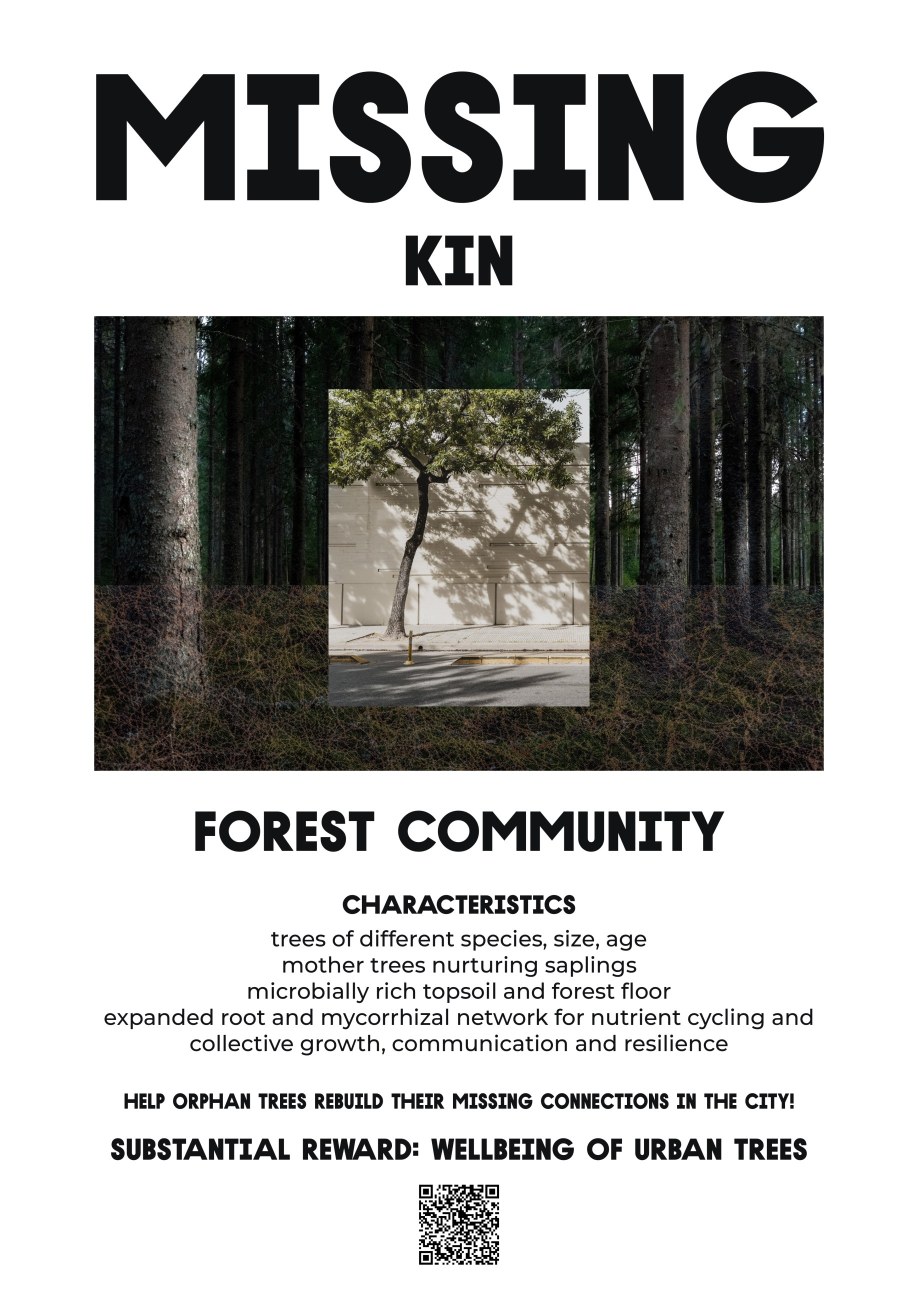
In her 2021 book Finding the Mother Tree: Uncovering the Wisdom and Intelligence of the Forest (Allen Lane), Suzanne Simard explores the hidden relationships between trees and fungi beneath the forest floor. She describes how trees form symbiotic connections with fungi known as mycorrhizas. These fungi wrap around and merge with tree roots, aiding in the absorption of water and nutrients. In return, trees provide the fungi with carbon-rich sugars produced through photosynthesis.
Simard reveals that young trees and seedlings are sustained underground by older, established trees — particularly the “mother trees,” which act as central hubs in a vast network. These mother trees are connected to younger plants through layers of fungal threads of various types, forming a dense and intricate web. However, when forests are cleared and these mother trees are removed, the ecosystem loses important protagonists that ensures its health.
Simard’s research further shows that trees assist one another during times of stress, such as drought or disease. They can signal their needs and share resources in response. Rather than existing in isolation, trees are part of a deeply interconnected community — which extends beyond forests. Studies now indicate that mycorrhizal networks thrive in diverse environments, from the Arctic tundra to grasslands, weaving the soil into complex, living systems by science today.
In contrast, urban trees grow in isolation. Without the support of a forest network, they face drought, pollution from vehicles and pets, suffer insect infestations without warning signals from nearby trees, and endure noise and light pollution. Deprived of communal support and resource sharing, city trees live shorter, more solitary lives.
Photo: Eva Bubla
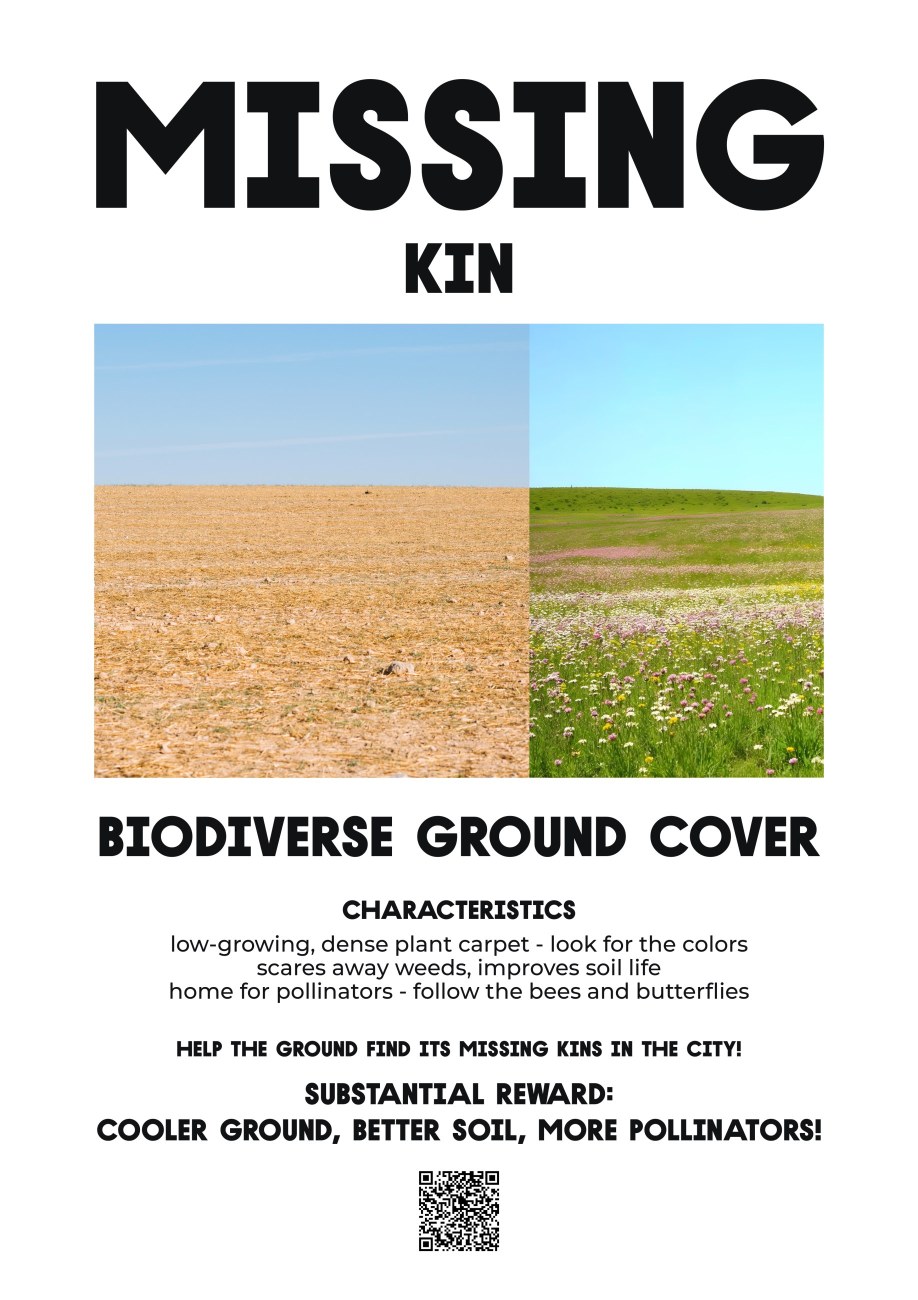
Soils covered with vegetation are significantly richer in nutrients and microbes compared to exposed, bare soils. Intensive and unsustainable farming and gardening practices can degrade soil health by reducing microbial and fungal biodiversity and fertility. This leads to impaired nutrient cycling and a diminished capacity to support plant growth.
Regenerative model of farm production promotes soil health and biodiversity. The goal of regenerative farming systems is to increase soil quality and biodiversity in farmland while producing nourishing farm products profitably. The principles of regenerative farming systems include (1) abandoning tillage (or actively rebuilding soil communities following a tillage event), (2) eliminating bare soil, (3) fostering plant diversity on the farm, and (4) integrating livestock and cropping operations on the land. Restoring vegetation enhances the diversity and abundance of soil fungi and bacteria, which are essential for healthy ecosystems. Such restoration can increase topsoil carbon storage by up to 10%, contributing meaningfully to climate mitigation efforts.
Biodiverse ground covers enrich the landscape with color, texture, and ecological value.
Reference:
LaCanne CE, Lundgren JG. 2018. Regenerative agriculture: merging farming and natural resource conservation profitably. PeerJ 6:e4428 https://doi.org/10.7717/peerj.4428
MAKING KIN WITH MICROBES
interactive installation and workshop, 2025
on display: 31 July - 2 Aug 2025, Hippalot Festival, Hämeenlinna, Finland
What does a gut do in the park?
Who lives there and who is missing?
Become a gut gardener and enter a playful, research-based journey into our imaginary gut to make kin with odd fellows inside and around you!
Read more about our project here. You can also listen to a podcast about our work in Tahmela daycare here.
Photos of the installation coming soon!
Artist-scientist team: Erika AALTO, Eva BUBLA, Mira GRÖNROOS, Zsuzsa MILLEI, Jan VARPANEN
Sound designer: Tuure Tammi
Metalwork: Jarmo Salonen
Voices: Alvar Tammi, Helinä Kalaja, Touko Santamaa, Tuure Tammi, Erika Aalto
Gut Gardener Accessory: CHUCHU / Maria Schuller
Special thanks go to Henna as well as families Aalto and Tammi
Funded by Maj and Tor Nessling Foundation
From the City to the Gut: Making Kin with Microbes
HAVE YOU SEEN OUR LOST SOIL BACTERIA IN THE
CITY? DO YOU KNOW WHERE BIODIVERSE FORESTS
AND GROUND COVERS CAN BE FOUND?
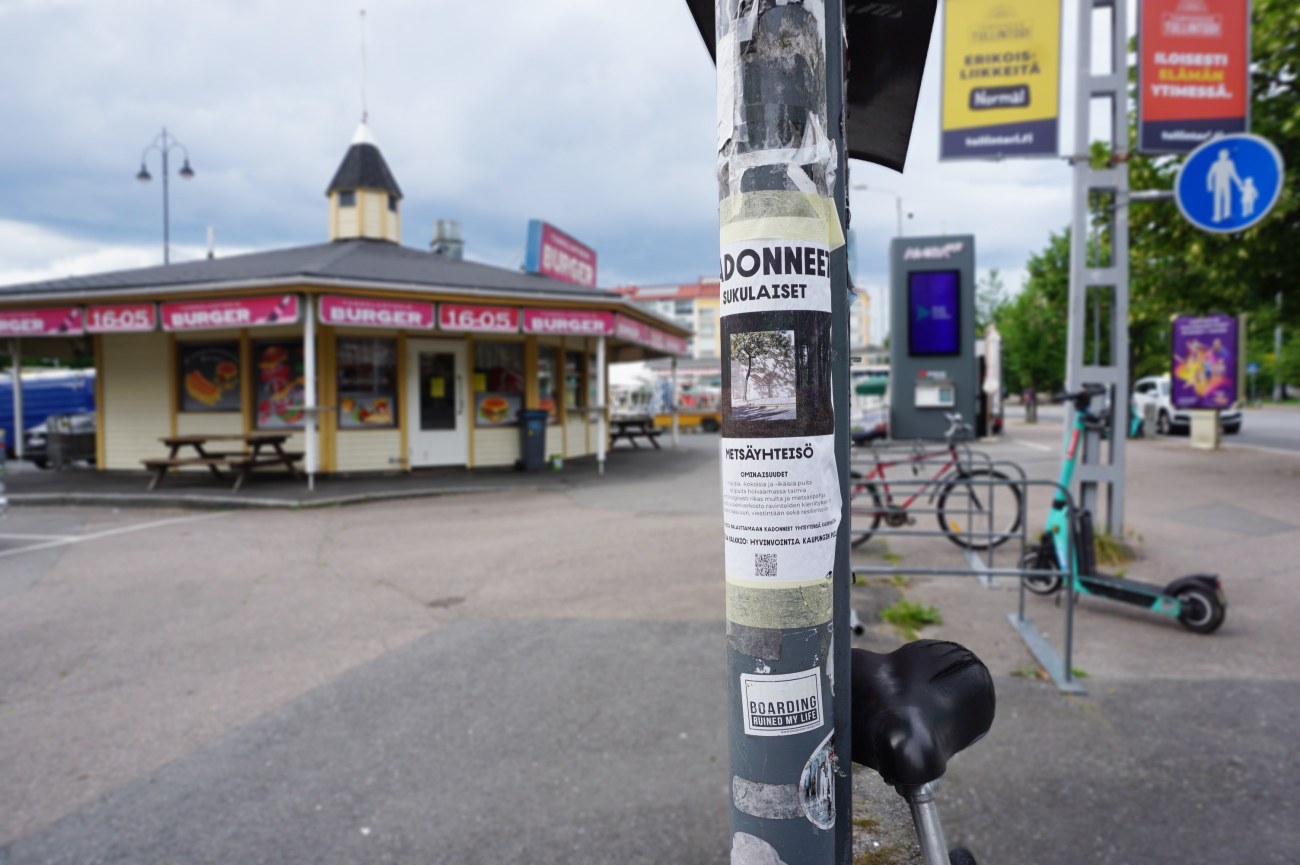
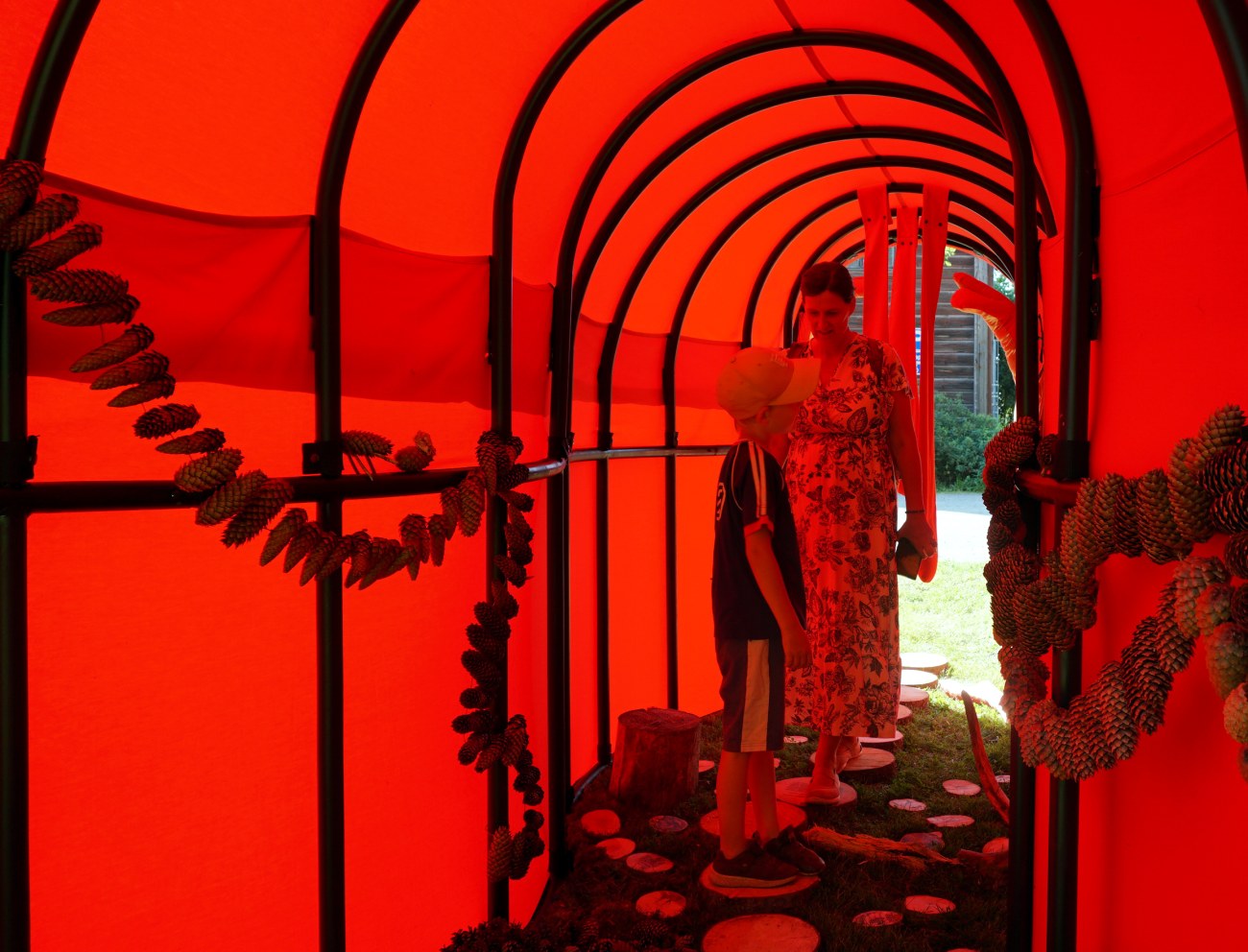
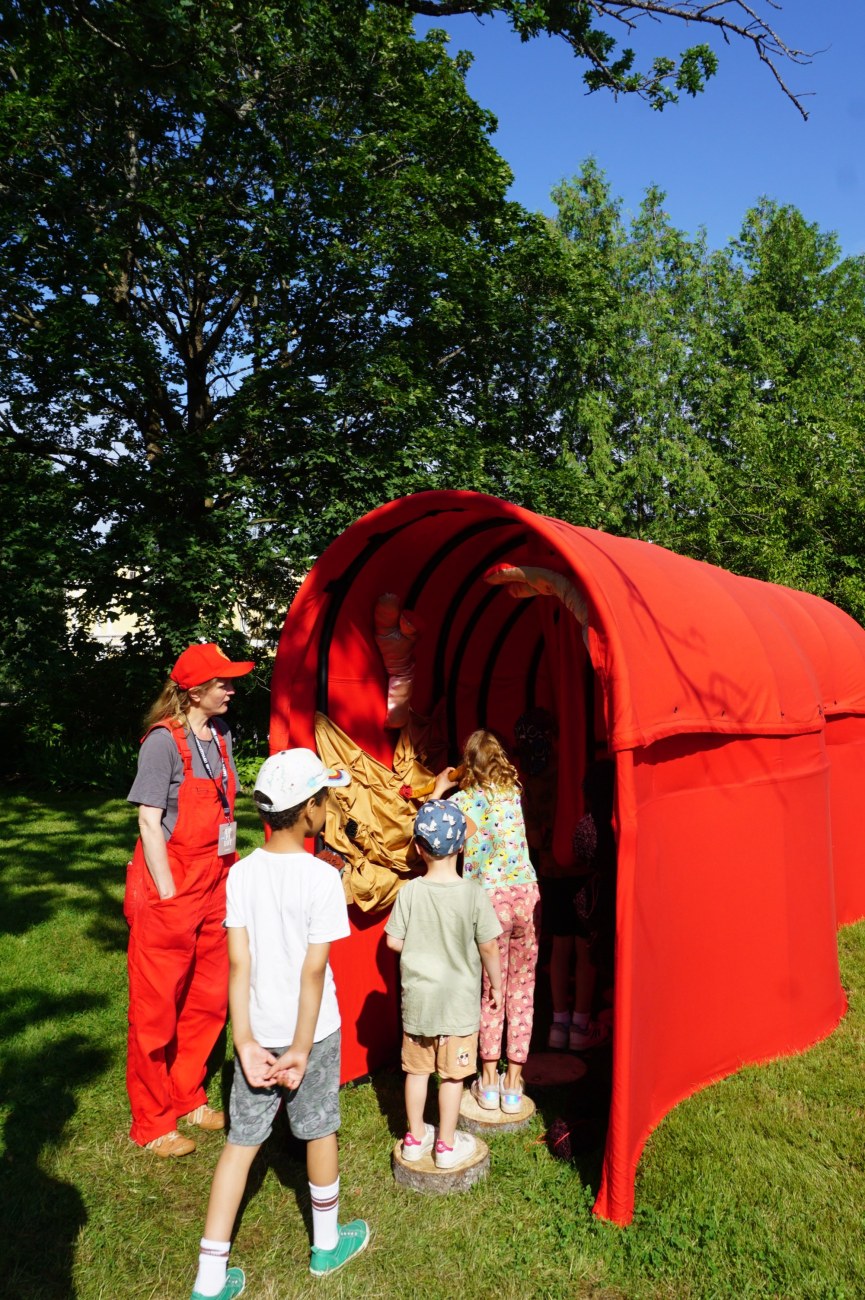
At the start of August, posters began to appear in the city of Tampere and Hämeenlinna, calling attention for “missing kins,” lifeforms once thriving in our cities, and a human-sized gut invited families to rediscover these connections at Hippalot Festival.
The guerilla poster campaign and interactive installation is dedicated to exploring the deep interconnections between human health and biodiverse environments.
The posters popping up in the city directed the passers-by attention to orphaned trees longing for their mother’s care, or the soil beneath them yearning for the shelter of fallen leaves and the hum of pollinators it once hosted. But it’s not just the forest that suffers — our own bodies are missing the environmental microbes that once made us more resilient to disease. We are all deeply interconnected with the living world around us. Like members of one vast, extended family, we must care for one another — tree, soil, insect, and
human alike.
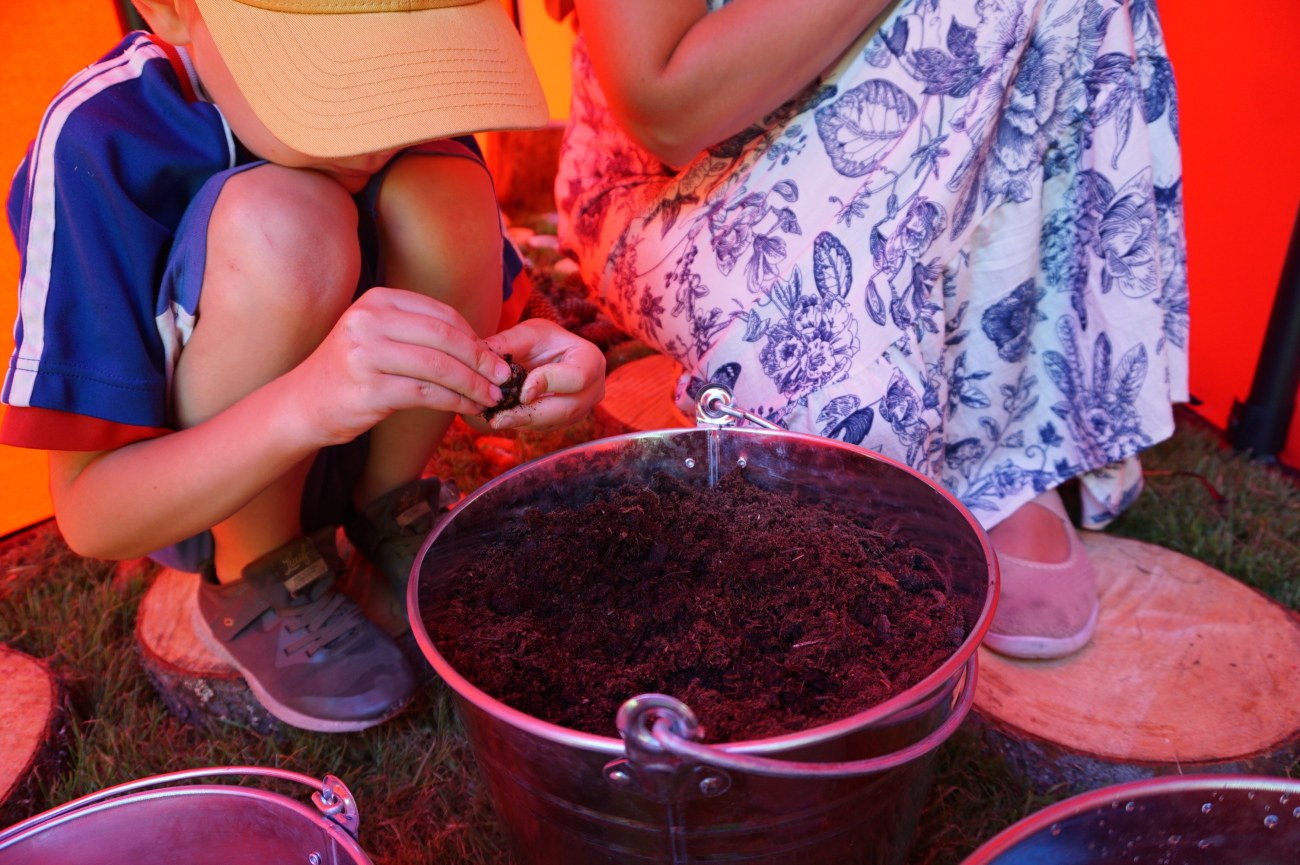
Inside the installation, gut gardeners guided visitors through a playful and thought-provoking journey. Children and families engaged with puppets, soundscapes, forest objects, and soil-based activities pointing to the presence — or absence — of microbes in everyday life. The experience highlighted how cleaning practices, urban design and lifestyles, and environmental changes shape our microbial relationships.
Photo: Eva Bubla
Photo: Eva BublaArtist-scientist team: Erika AALTO, Eva BUBLA, Mira GRÖNROOS, Zsuzsa MILLEI, Jan VARPANEN
Sound designer: Tuure TAMMI
Funded by Maj and Tor Nessling Foundation
Activities in the daycare
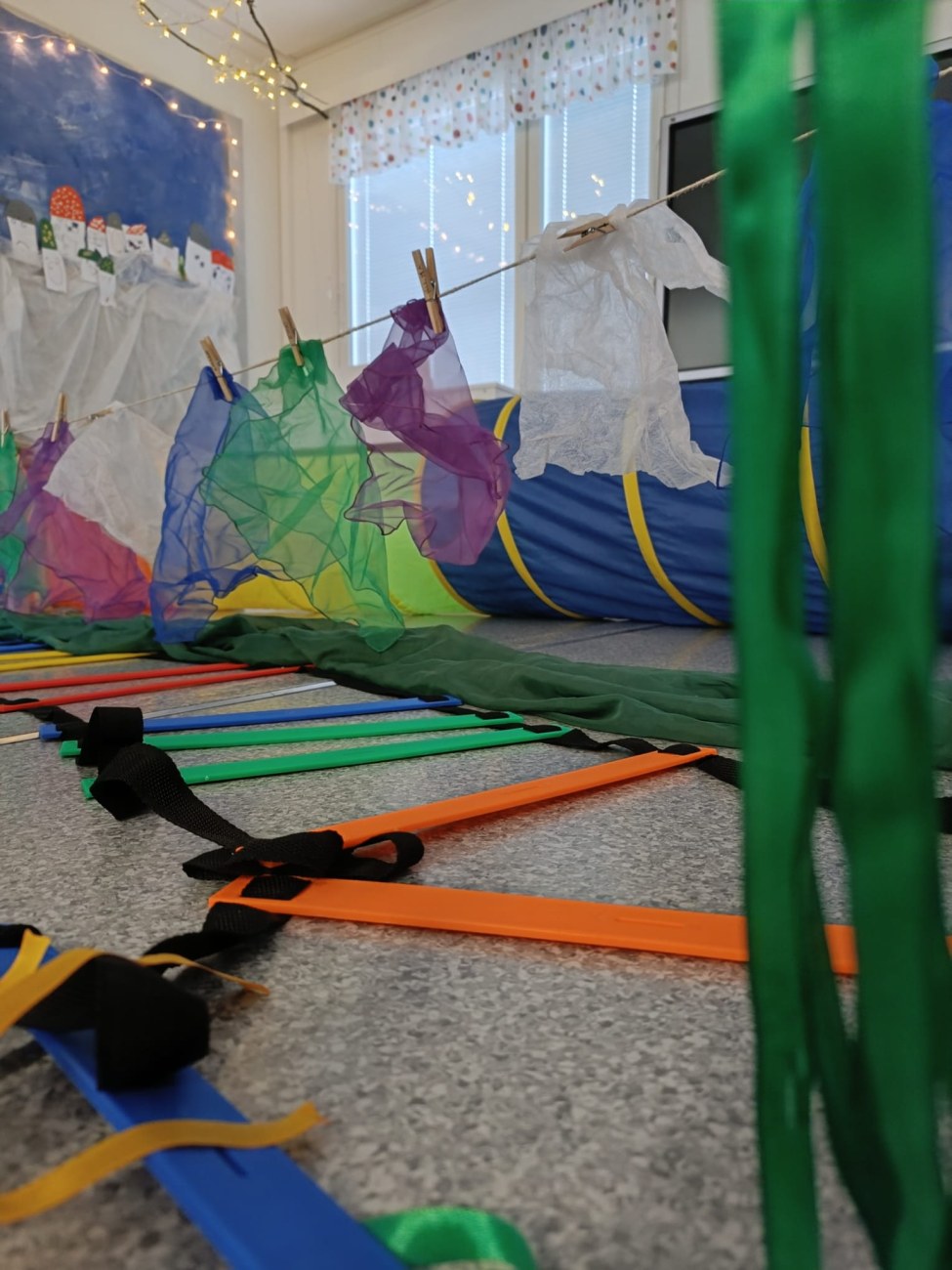
As our work in the Tahmela daycare continues, we took the opportunity to recall what has already happened and what we still plan to do. The above newsletter allows you to see some of the fascinating atmospheres our resident artist Erika Aalto is creating in the daycare spaces.
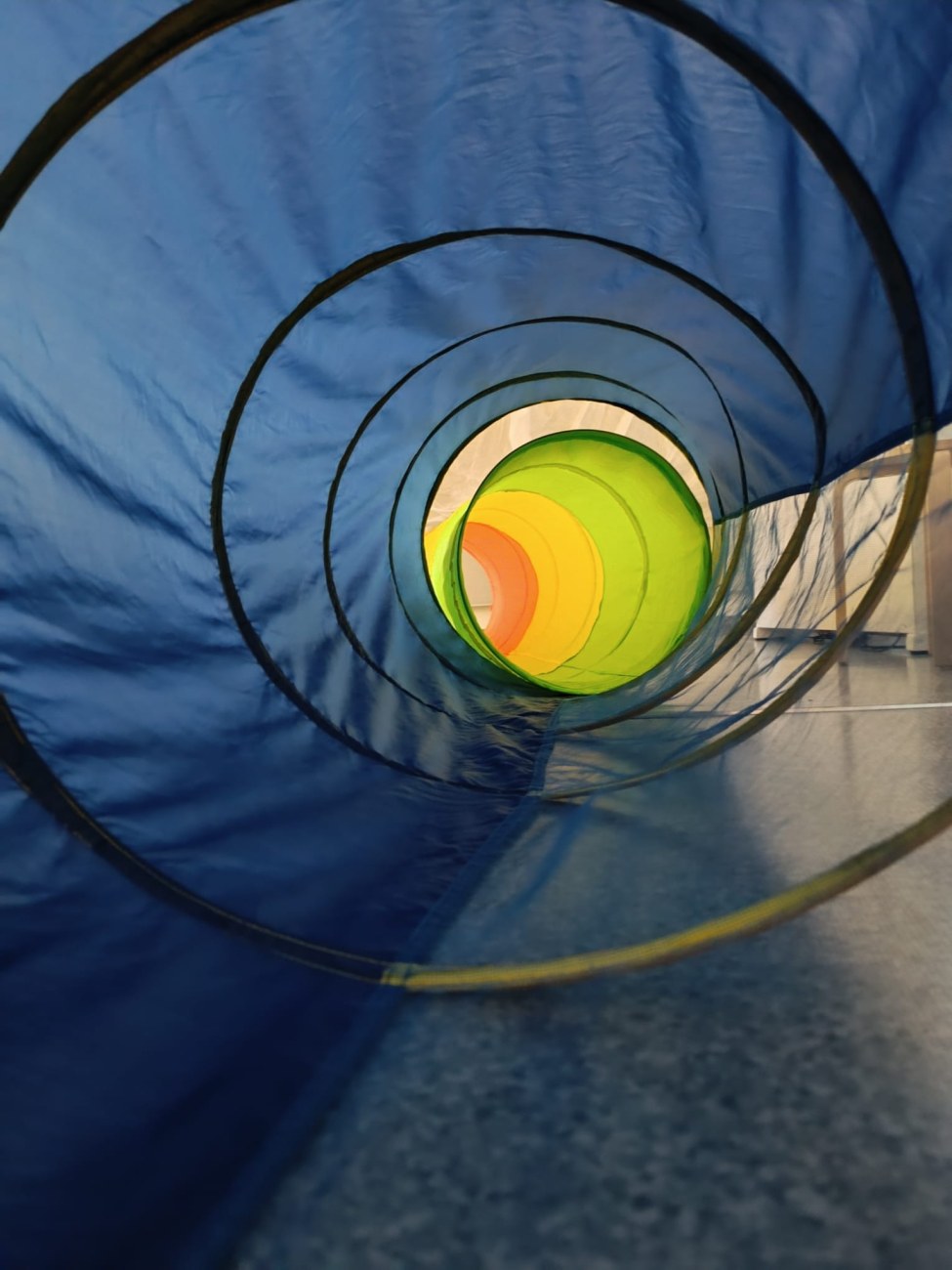
After this newsletter was created, the gut journey mentioned there has already taken place in several forms. In these photos taken by our visiting artist Eva Bubla you can see a few impressions.
Photo: Eva Bubla
Photo: Eva Bubla
Microbial childhood project in Nessling foundation "greetings from grantees"
Following its presence in the Mukamas puppet festival, Microbial childhood project appeared in Nessling foundation "Greetings from grantees". The piece highlights the need to think and see microbes' lives within and around us in more positive terms than is habitual in the media. The project organized two art workshops for children and their parents at the Mukamas festival on Saturday 14th of September at 10.30–11.30 and 13.00–14.00 (see photos below).
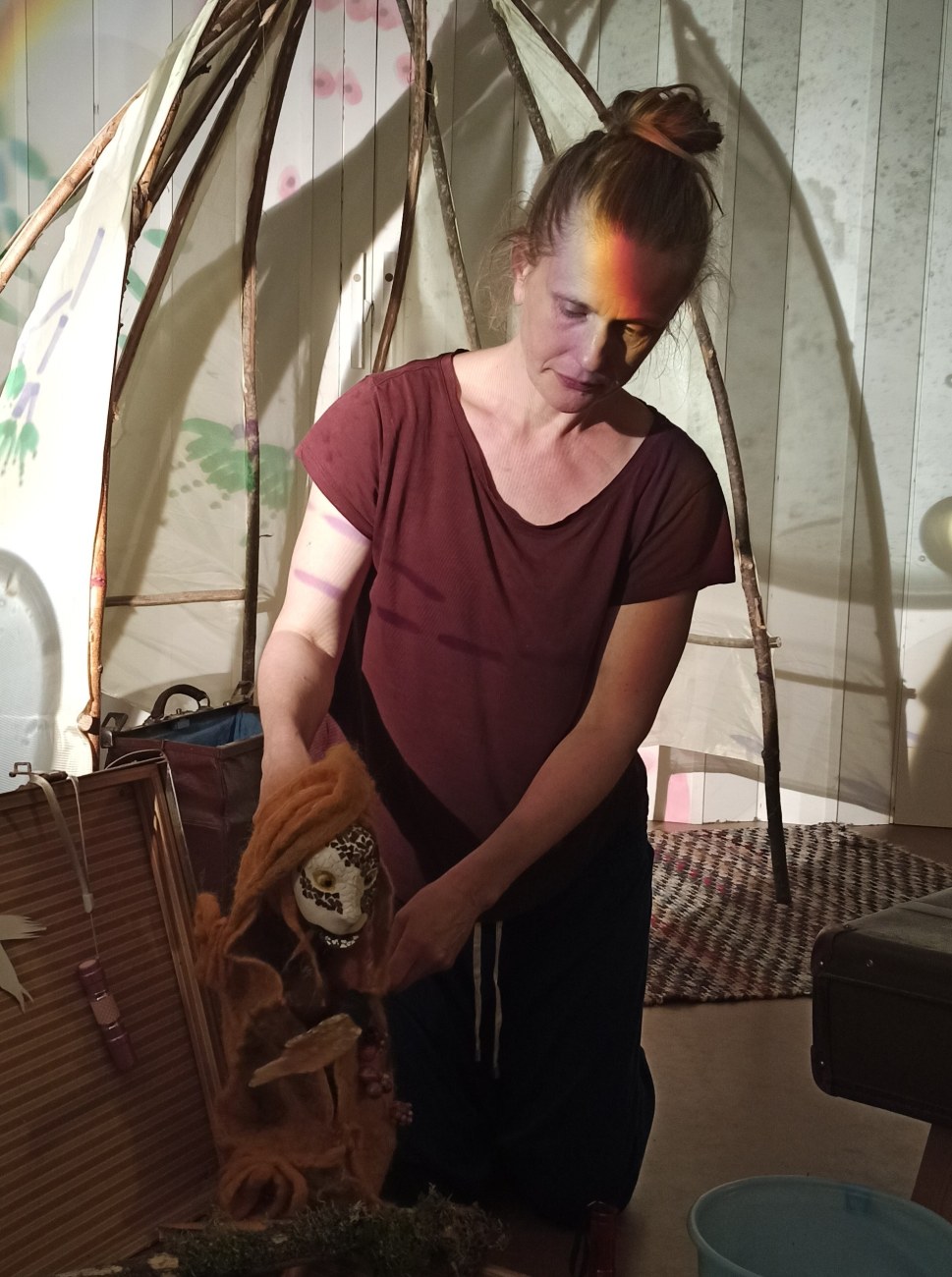
Photo: Eva BublaResident artist Erika Aalto and her puppet friend Aivastus Fiilis Bifidus or "Biffe" opened the world of microbes for the workshop participants. Visiting artist Eva Bubla used a projector to bring microbes to life on the walls of the workshop space.
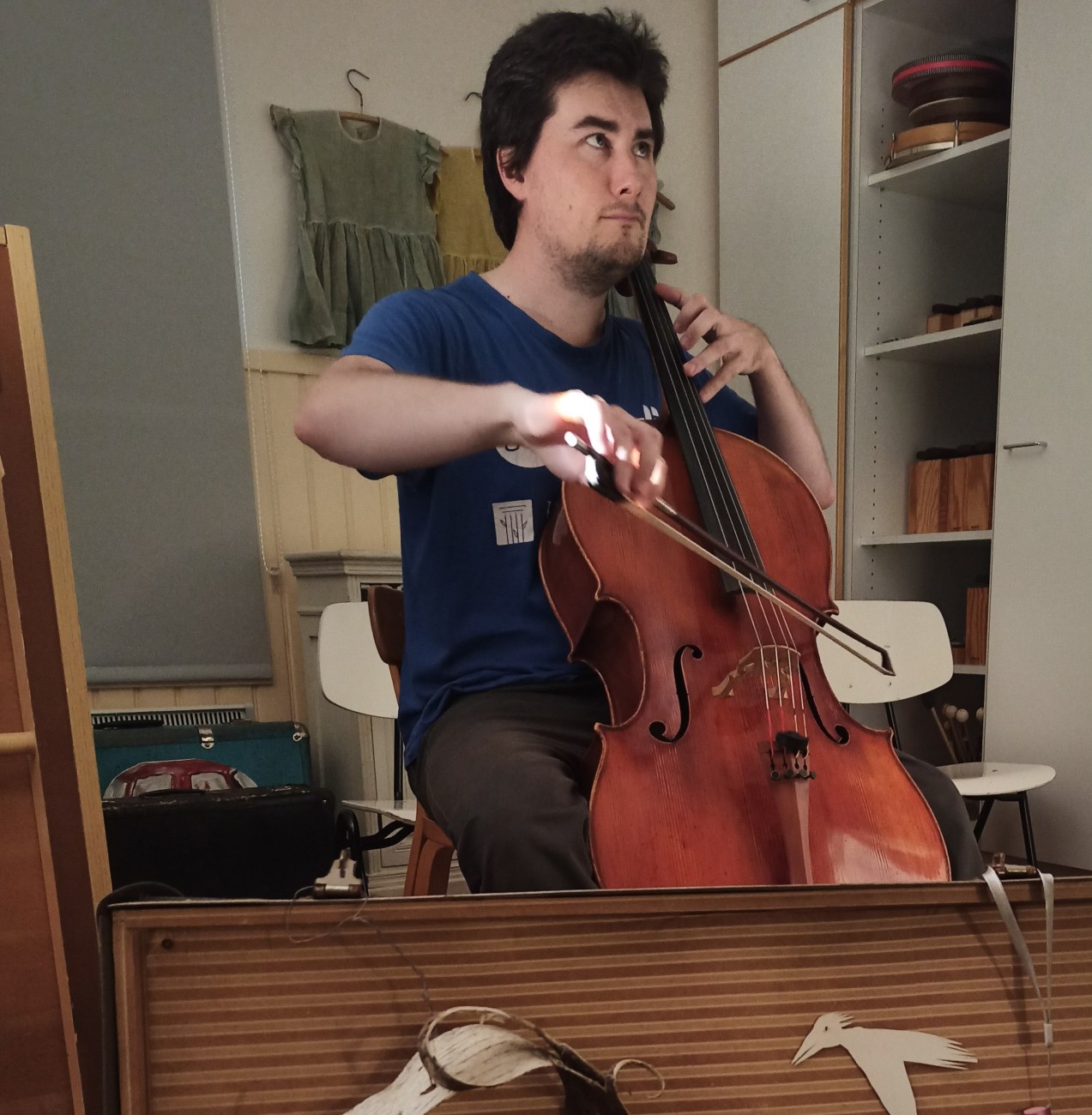
Photo: Eva BublaProject researcher Jan Varpanen provided some live music to set the mood for the workshop.

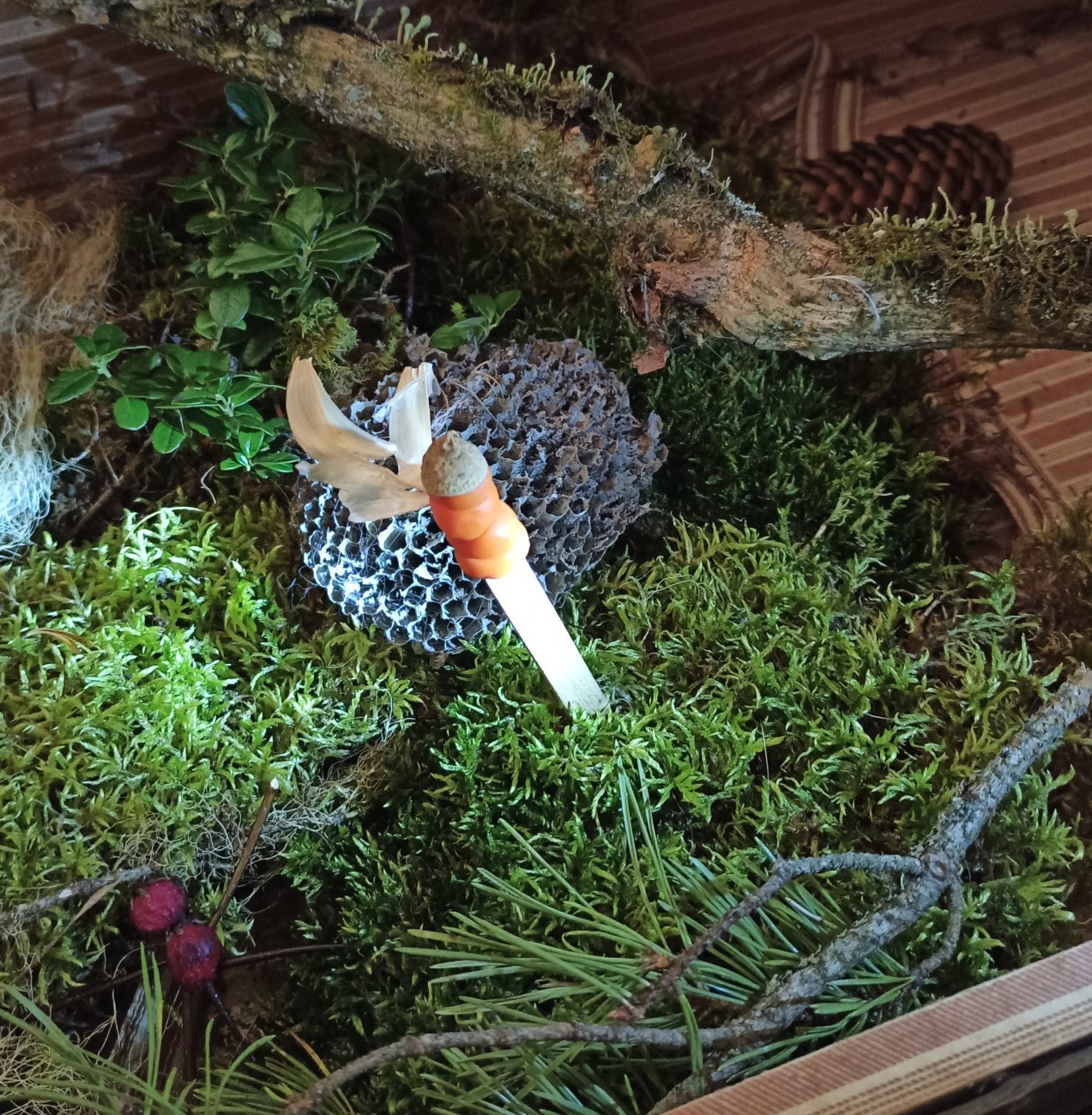
The workshop participants were engaging with landscapes created with natural materials and then creating their own 'microbes' to inhabit those landscapes. Here is a happy microbe who has found a home.
Microbial childhood is part of the Mukamas-festival
Microbial childhood –project organizes two art workshops for children and their parents at the Mukamas festival on Saturday 14th of September at 10.30–11.30 and 13.00–14.00. In the workshop, children and their parents get to be part of a playful expedition that gets to know our microbial partners. The expedition explores some examples of already known microbial companions and harnesses the participants’ imagination and senses to imagine yet unknown microbes through visual art and puppetry.