Human-Technology Interaction, Computing Sciences and Electrical Engineering
Join us at Human-Technology Interaction (HTI)
Application period
Type
Degree earned
Planned duration
Extent of studies
City
Tuition fee for non-EU/EEA citizens
Why choose Human-Technology Interaction?
Digital products and services become worthwhile only through the interaction between human users and technological features. Modern societies need professionals with thorough understanding of both humane and technological aspects, which makes it possible to design and develop user-friendly, innovative, and sustainable digital products and services, as well as engaging ways to interact with them.
Become an Expert in Human-Technology Interaction – Psychology, Design & Tech Combined
Master Human-Technology Interaction: Courses in UX, Cognitive Science, and Technology
Master’s degree studies in Human-Technology Interaction (HTI) offer a rich array of courses in human-computer interaction, human-centred design, user research, and creative & critical thinking. You will gain know-how on:
- interaction design and user interface design,
- user experience evaluation,
- user psychology,
- human-centred software development processes,
- usability engineering,
- multimodal human-computer interaction,
- accessibility,
- cross-cultural and sustainable design,
- gamified and playful design approaches,
- qualitative and quantitative research skills to study people as users of IT.
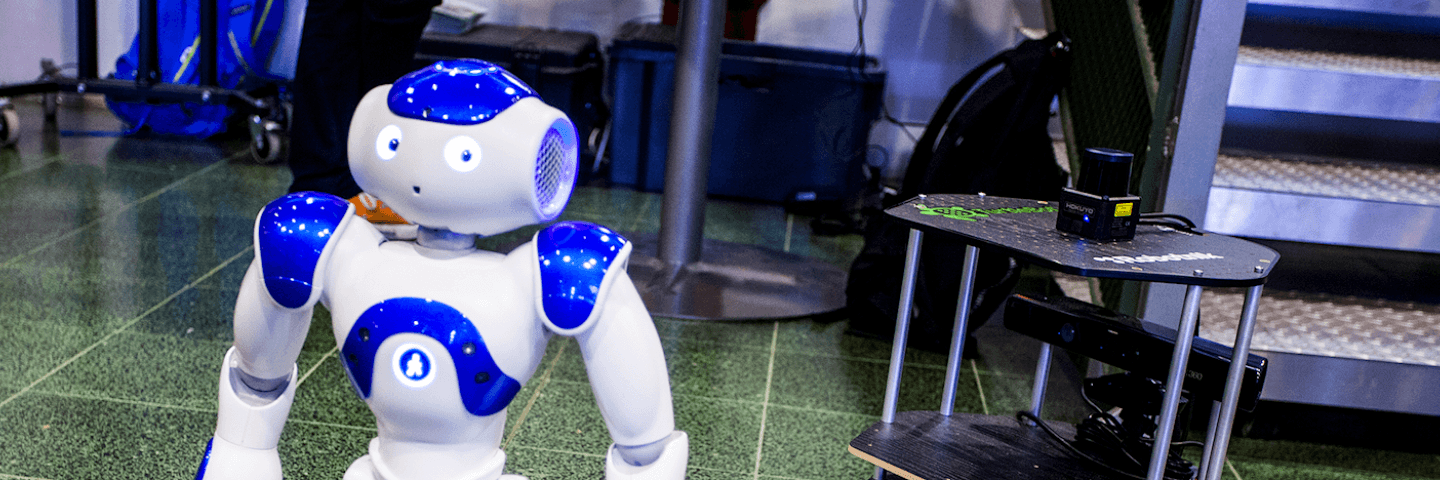
From technological viewpoint, the studies cover modern user interfaces in mobile and desktop applications, virtual and augmented reality, human-robot interaction, collaboration technologies, industrial machinery, and many other emerging technologies. HTI is a multidisciplinary field, meaning that you will work with professionals with different backgrounds.
Research-led education
Our education builds strongly on the research conducted in the Tampere University Computer-Human Interaction (TAUCHI) research centre and the Gameful Realities research centre. Also check this video about why HTI matters in daily life. The courses are built on our long-term research in areas like user experience, multimodal interaction, extended reality technologies and gameful applications. You will have the opportunity to connect your studies directly with our research through hands-on course projects and a Master’s thesis linked to ongoing research and industrial projects.
Career prospects in Human-Technology Interaction
During the HTI studies, you can tailor your profile toward one of three career-focused orientations: designer, interaction developer, and researcher.
1. As a Designer you can focus on creating meaningful and user-friendly experiences through:
- User Interface (UI) Design
- User Experience (UX) Design
- Service Design
- Sustainable and Accessible Design
2. As an Interaction Developer you can specialize in building interactive systems and prototypes, including:
- Front-End Development
- Interactive and Immersive Technologies
- Rapid Prototyping
3. As a Researcher you can dive into research and evaluation of human-technology interaction through:
- User Research with both qualitative and quantitative approaches
- Usability and Experience Evaluation
- Impact Assessment and Risk Analysis
All these profiles are in high demand in the software business, consultancies, and academia—both in Finland and globally. We also offer advanced courses on various research-led themes, such as multimodal interaction, sociotechnical systems, gamification, and emerging interaction technologies. These help you to build a unique expert profile that is competitive in the job market.
In a broader sense, you will learn how technology affects people’s lives and how to design efficient, engaging, and ethical digital products and services. The degree leads you to hands-on work in various course projects and provides basics for scientific thinking and writing. The studies also give a solid basis for you to continue with doctoral studies in the field.
Human-Technology Interaction (MSc) is one of the specialisations in the Master’s Programme in Computing Sciences and Electrical Engineering.
Curriculum
Detailed information on the content and structure of the studies is included in the curriculum.
Become a student
Learn more about the studies, admissions, and eligibility criteria on Studyinfo. In addition, applications are submitted via the Studyinfo.fi service.
Why Human-Technology Interaction matters in daily life?
TAUCHI studies how people use and experience technology, especially in everyday situations. By exploring new ways of interaction—like touch, smell, and eye movement—they create solutions that make digital tools easier to use for everyone, including children, seniors, and people with disabilities.

Get to know Computing Sciences unit of the Faculty of Information Technology and Communication Sciences (ITC)

For more information
Please read through the information provided. For further questions regarding the application process, contact our Admissions office at admissions.tau@tuni.fi or for questions regarding the content of the programme, please contact cs.programme.msc.tau@tuni.fi.
