Professor Kati Heinonen-Tuomaala: The foundations of mental well-being are laid at an early age

What are your main research interests?
My research examines the factors associated with psychosocial and cognitive development in childhood, encompassing both normal developmental variation and mental health challenges. I especially focus on investigating potential etiological factors operating during prenatal development and early childhood.
The most rapid period of brain development occurs during pregnancy and the first two years of life, making this a critically important developmental stage. During this time, the brain and stress regulation systems not only develop under genetic guidance but also adapt in response to environmental factors. These factors are the ones we can influence.
My research primarily addresses biological factors, while also taking into account broader aspects of parental well-being and the child’s developmental environment. I have examined a broad range of environmental influences related to both individuals and their surroundings. My current research focuses on investigating the impact of the early-life gut microbiome – the ecosystem of microorganisms that reside in the human intestine – as well as vitamin D levels and related interventions on developmental outcomes.
What makes your research significant?
My research group and I investigate how the composition of the infant gut microbiome and changes within it during the first few years of life are associated with children’s socioemotional and cognitive development.
It has long been known that the gut and the brain communicate in both directions (gut-brain axis), and that the gut microbiota influences this communication. However, less attention has been paid to the fact that the most active period of gut microbiome development coincides with the critical stages of brain development. The gut microbiome is influenced by a range of modifiable environmental factors, such as the duration of breastfeeding and the quality of nutrition.
Mental health should also be studied from the perspective of early psychosocial development, before the onset of mental health disorders, as there are factors that are known to increase the risk of challenges later in life.
One environmental factor that can be modified relatively easily is vitamin D intake. We are currently examining how vitamin D levels during pregnancy and early childhood are associated with psychological development. In addition, we are investigating whether vitamin D intake that exceeds the nationally recommended daily amount during the first two years of life influences developmental outcomes in childhood.
Where do you draw inspiration for your work as a professor?
Multidisciplinary collaboration often gives rise to unique research questions that are not immediately apparent. Pursuing these research avenues inevitably involves risk-taking and a willingness to step beyond one’s comfort zone. Tampere University’s multidisciplinary research community continually provides me with opportunities to challenge myself, learn new things, reconcile different disciplinary perspectives and interact with inspiring colleagues.
I also find great motivation in witnessing the development of new generations of researchers. Our psychology students are so curious, open-minded, talented and committed at all levels of education, from bachelor’s and master’s programmes to doctoral studies. It is a pleasure to work with them.
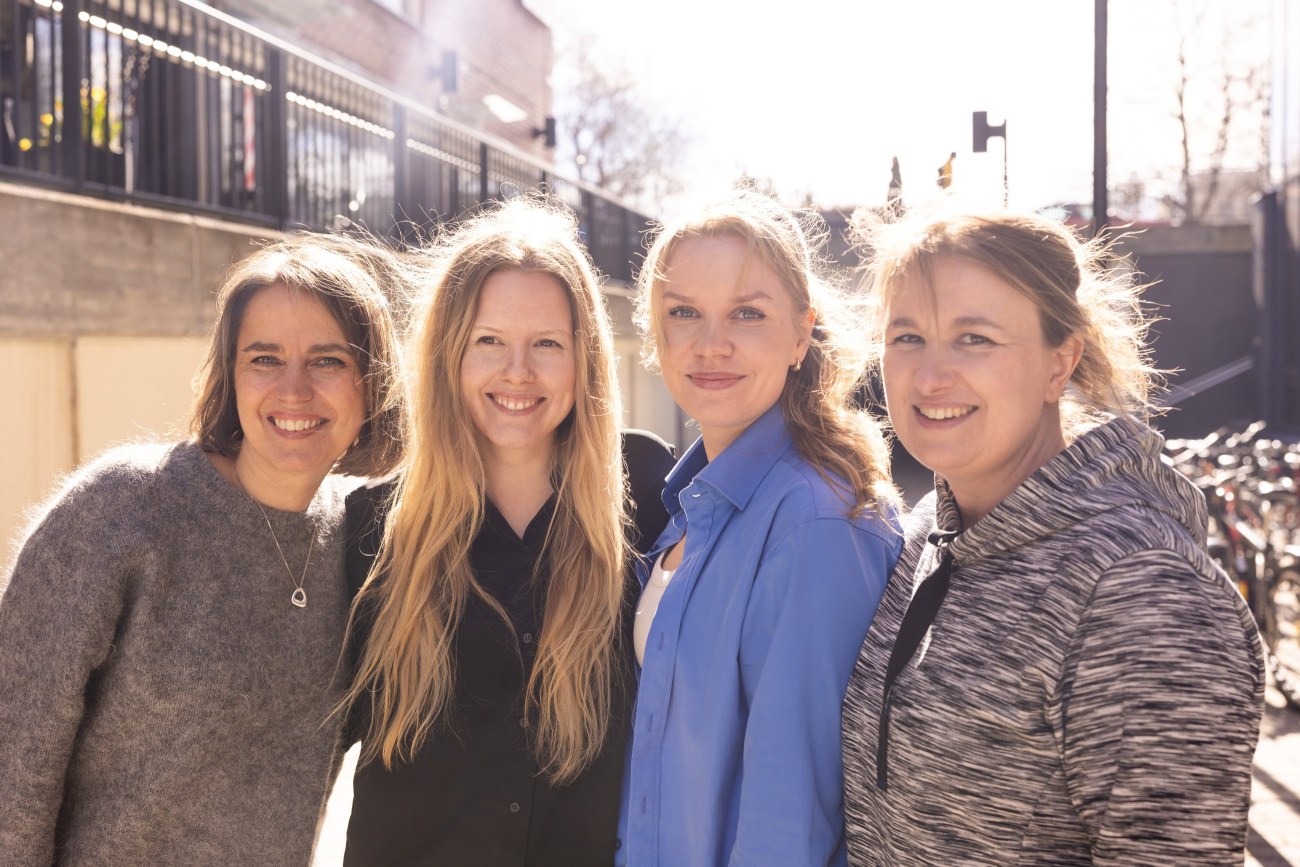
What direction would you like your field to take in the future? What would you want to study next and why?
Developmental psychology benefits greatly from multidisciplinary research. My aim is to focus on factors that can be addressed at the early stages of development and to use this knowledge to design interventions. It is also important to evaluate the effectiveness of such interventions.
When psychosocial development in childhood is examined, the effects of many biological factors may appear modest in the overall findings when compared with, for example, the influence of parenting practices and socioeconomic status. However, even small adjustments, when applied across large groups, can accumulate over the life course and lead to societally significant changes.
What do you do in your free time?
At weekends and during holidays, I enjoy spending time with my family in the magical landscapes and tranquillity of the Finnish archipelago and Lapland. In the archipelago, we go boating and stay at our summer cottage, while in Lapland our long-standing family pursuits include both downhill and cross-country skiing. During the week, I stay energised by taking long walks, often in the company of friends. Driving our children to their activities and cheering them on at competitions is also a significant part of our family life.
Welcome to the inaugural lectures of the new professors on 11 May 2026
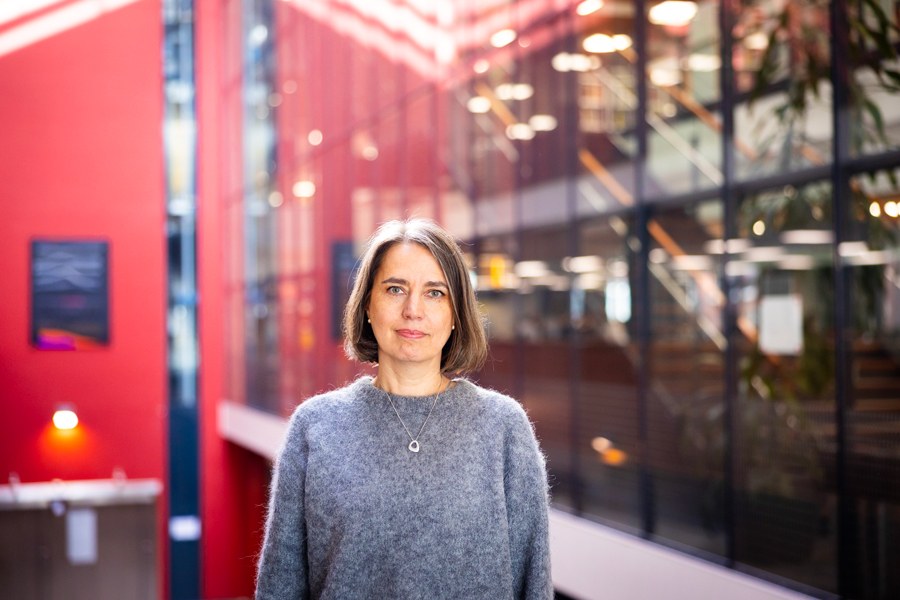 Photo: Jonne Renvall/Tampere University
Kati Heinonen-Tuomaala
- Completed her doctoral degree in psychology at the University of Helsinki in 2004. Her doctoral dissertation examined the development of optimism and pessimism from the perspectives of early temperament and parenting.
- Worked at the University of Helsinki for 20 years prior to joining Tampere University.
- Collaborates with researchers at the University of Helsinki, the University of Oulu, the University of Eastern Finland, the Finnish Institute for Health and Welfare (THL), Tampere University Hospital and Helsinki University Hospital.
- Has undertaken a research visit at the University of Toronto. Maintains collaborations with the University of Toronto, Health Canada and several European universities through international research consortia.
- Holds the title of Docent in Educational and Developmental Psychology at the University of Helsinki.
- Was appointed as Professor of Psychology (Developmental Disorders in Childhood and Adolescence) in the Welfare Sciences Unit at the Faculty of Social Sciences (SOC) on 1 November 2025.


