Nature, communities and sustainable daily life – new research project reimagines living environments across Europe

The built environment consumes natural resources and significantly contributes to air, water and soil pollution, biodiversity loss and climate change. Yet, the stakeholders involved in shaping our living environment also hold the key to developing solutions and innovations that not only mitigate these negative impacts but also promote sustainable societal change and new ways of living.
The guiding principle of the European project INNATURE: Enhancing biodiversity and social inclusion by transforming Europe’s living environments is the belief that a deeper connection with nature supports human health and well-being, while also strengthening climate resilience and adaptation. Led by the Sustainable Housing Design (ASUTUT) and the Politics of Nature and the Environment (PONTE) research groups at Tampere University, the INNATURE project will develop nature-based solutions (NBS) for five living environments across Europe.
“When thoughtfully designed and implemented, NBS can enhance biodiversity and support local and regional ecological conditions by improving air, soil and water quality and by sequestering carbon, thereby helping to mitigate climate change,” says Sofie Pelsmakers, INNATURE’s Principal Investigator and Professor of Housing Design at Tampere University.
According to the researchers, previous NBS initiatives have not always succeeded in delivering their full potential. For example, young people, older adults and individuals with disabilities may not have had equal access to benefit from these solutions. A key strength of INNATURE is its inclusive approach, enabling all community members to participate in designing and using NBS within their local environment. The project will begin in September 2025 and run until August 2029.
Pilot projects create nature-based solutions on communities’ own terms
The international research collective aims to shift public mindsets, influence public policy, and accelerate the adoption and scaling of NBS in different local contexts and across Europe.
Nature-based pilot projects will be launched in cities in Belgium, Denmark, Finland, Romania and the UK.
In line with the three pillars of the New European Bauhaus (NEB), these pilot projects will be inclusive, beautiful and sustainable. The INNATURE project will explore the co-benefits of NBS through inclusive and innovative processes, methods, nature stewardship and management.
Professor Pelsmakers notes that planning and managing the pilot projects will be an interdisciplinary effort involving researchers, communities and cities.
“We will bring together biodiversity and diverse communities – including artists, designers, ecologists, researchers, policy-makers, SMEs, non-profit organisations and other stakeholders – through eco-social living labs and artistic dialogue. This paves the way for socially, culturally and ecologically diverse futures,” she says.
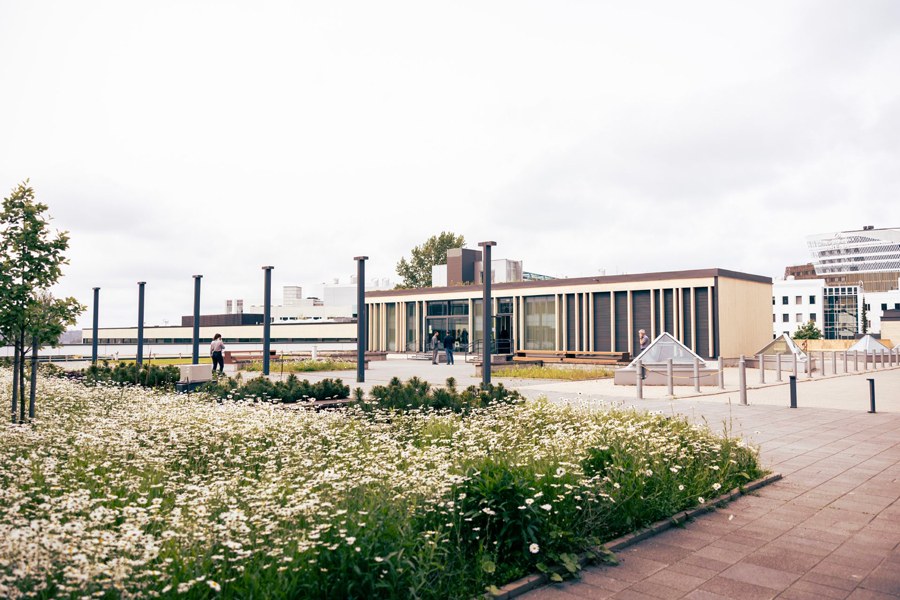
The INNATURE collective and the pilot projects in Finland will be coordinated by Tampere University in collaboration with Wild Zone, Crowdsorca and the City of Tampere. In Belgium, the pilot will be overseen by the University of Antwerp, Utrecht University, Commons Lab, Groencoach, Klimplant, Natuurpunt and the City of Antwerp. The pilot project in Romania will be coordinated by TERRRA Brezoi, Atelier d’Architecture Autogérée and the Town of Brezoi. In Copenhagen, the pilot project will be headed by the University of Copenhagen, Til Vaegs, AKK Almene Kunstklubber and the City of Copenhagen. The UK pilot will be directed by Sheffield University, Sheffield Hallam University and Regather.
The total value of the project is €5 million.


