
MSCA Postdoctoral fellowships at Faculty of Medicine and Health Technology
MET FACULTY
MET conducts world-class research and delivers high education in the fields of biomedical engineering, biotechnology, medicine, and health technology. Our internationally acclaimed basic and applied research highlights our expertise and innovation in these fields.
Explore the opportunities and become a part of our dynamic and forward-thinking community!
Faculty of Medicine and Health Technology at Tampere University, Finland
HOW TO APPLY TO MET
At Tampere University, we have a unified procedure for selecting postdoctoral candidates for the MSCA Postdoctoral Fellowship call. Furthermore, the university offers comprehensive support to all applicants through our Masterclass, starting in May, to assist with application preparation. To join our faculty:
- Identify and contact a suitable supervisor, MET's supervisors for the 2026 call can be found below
- Follow TAU's guidelines and schedule that can be found at MSCA Postdoctoral Fellowships at Tampere University
INTRODUCTION OF SUPERVISORS
Below you can find MET's research group leaders interested in recruiting MSCA postdoctoral fellows. Follow the links to see descriptions of the groups, their contact information, and the researcher profiles they are looking for.
Decision Support for Health Research Group - Professor Mark van Gils
Protein Dynamics Research Group - Professor Vesa Hytönen
Systems Pharmacology Research Group – Group Leader Mohieddin Jafari
Celiac In Vitro Models – Group Leader Kati Juuti-Uusitalo
Micro and Nanosystems Research Group - Professor Pasi Kallio
Pathology Research Group - Professor Ivana Kholova
Environmental Health Research Group - Adjunct Professor Kirsi-Maarit Lehto
Biophysics of the Eye Research Group - Associate Professor Soile Nymark
Photoactive Biomaterials Group - Associate Professor Eduardo Anaya Plaza
Cancer Regulation and Immunology research group - Adjunct Professor Kirsi Rautajoki
Laboratory of Biosystem Dynamics - Professor Andre Sanches Ribeiro
Celiac Disease Research Center - Professors Teea Salmi and Katri Lindfors
Mitochondrial Immunometabolism Research Group - Adjunct Professor Tiina S. Salminen
Bioinspired Materials and Robotics Research Group - Associate Professor Veikko Sariola
Seppälä Lab – Precision Medicine in Abdominal Cancers - Associate Professor Toni Seppälä
Wireless Identification and Sensing Systems Research Group - Professor Leena Ukkonen
Genomic Regulation for Precision Cancer Medicine Lab - Senior Research Fellow Alfonso Urbanucci
Decision Support for Health Research Group - Professor Mark van Gils

We develop data-driven methods to help healthcare professionals and patients make informed decisions from complex data.
Our research combines biomedical signal processing, (explainable) AI and ML, statistical analysis, and digital twin approaches with decision support software system development. Our methods are designed to work with real-life multi-modal data that is often of poor quality. We carry out research collaboratively with domestic and international partners, including academic-, health- and social care, industrial- and patient representatives.
We are looking for postdoctoral researchers interested in advancing their career in the field of data-driven decision support for healthcare. We appreciate a proven solid background in data science, combined with understanding of the healthcare domain.
Contact Mark van Gils: mark.vangils [at] tuni.fi (mark[dot]vangils[at]tuni[dot]fi)
Check out the group's website: https://research.tuni.fi/dsh/
Keywords: health data science, clinical decision support, biomedical signal processing, artificial intelligence, human digital twins, biomedical engineering
Protein Dynamics Research Group - Professor Vesa Hytönen
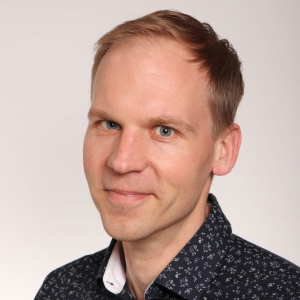
Mechanical signals guide cellular functions including differentiation, cell motility, cell metabolism and organization of the cytoskeleton. Protein Dynamics research group explores how force-induced conformational changes in proteins contribute for mechanosignaling. We utilize computational methods to predict the response to mechanical load at atomistic level, cell biology to reprogram cellular mechanoresponse and photoswitchable proteins to investigate the kinetics of cellular response. We also develop novel hydrogel materials to enable investigation of the contribution of cellular microenvironment for mechanosignaling. We are especially interested in studying the mechanisms associated with cancer mechanobiology.
We are looking for outstanding candidates who have an interest in exploring the mechanisms behind cellular mechanoresponse. The possible project may build on computational modeling, cell biology and optical microscopy or on organoid biology. Our group offers multidisciplinary environment with wide expertise and technical support.
Contact Vesa Hytönen: vesa.hytonen [at] tuni.fi (vesa[dot]hytonen[at]tuni[dot]fi)
Check out the group's webpage: https://research.tuni.fi/protein-dynamics/
Keywords: mechanobiology, protein structure, conformation, cancer, organoid, hydrogel, photoswitch
Systems Pharmacology Research Group – Group Leader Mohieddin Jafari
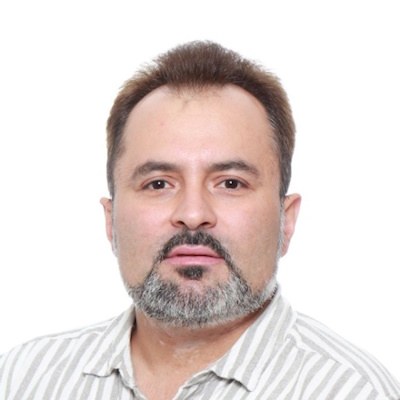
Our research group develops and applies systems pharmacology approaches to design rational combinatorial therapies for cancer. We integrate computational modeling, network biology, and functional omics with experimental validation to understand how drug combinations achieve synergy, efficacy, and reduced toxicity. By combining dry-lab prediction frameworks with wet-lab validation, we aim to prioritize optimal drug combinations based on single-drug response data and uncover their molecular mechanisms through target deconvolution and systems-level analysis. Our goal is to move from empirical combination testing toward mechanism-driven precision therapy.
We are looking for highly motivated applicants with a background in computational biology, systems biology, pharmacology, bioinformatics, or related fields, who are excited about integrating modeling and experimental approaches to advance precision cancer therapy.
Contact Mohieddin Jafari: mohieddin.jafari [at] tuni.fi (mohieddin[dot]jafari[at]tuni[dot]fi)
Check out the group's website: https://www.tuni.fi/en/research/systems-pharmacology-group
Keywords: systems pharmacology, proteomics, network modeling, metabolomics, precision medicine
Celiac In Vitro Models Research Group - Group Leader Kati Juuti-Uusitalo
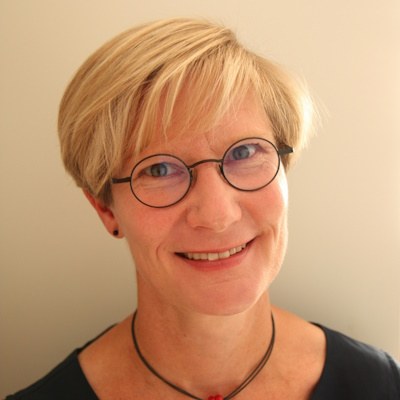
Celiac disease is an autoimmune enteropathy triggered by gluten exposure. While the adaptive immune response involved in its pathogenesis is well characterized, the earliest initiating events remain incompletely understood. The Celiac In Vitro Models Research Group, headed by Adjunct Professor Kati Juuti-Uusitalo, develops physiologically relevant induced pluripotent stem cell (iPSC)–based preclinical models to investigate these initial disease mechanisms. By integrating cell and molecular biology, genetics, and computational approaches, we aim to advance the understanding of celiac disease pathogenesis.
We are looking for early stage highly motivated, enthusiastic posdoc with a background in cell or molecular biology, pharmacology, microbiology or related fields, who is excited about development of preclinical models for celiac disease and other enteropathies.
Contact Kati Juuti-Uusitalo: kati.juuti-uusitalo [at] tuni.fi (kati[dot]juuti-uusitalo[at]tuni[dot]fi)
Check out the group's website: https://research.tuni.fi/celiac-in-vitro-models/about/
Keywords: celiac disease, iPSC, small intestinal preclinical model
Micro and Nanosystems Research Group - Professor Pasi Kallio

Micro and Nanosystems Research Group, headed by Professor Pasi Kallio, performs research on microfluidics, microsensors, microfabrication and microrobotics. We combine knowledge of automation and control engineering with microsystems and nanotechnology in order to develop novel functional systems in organ-on-chip research and micromechanical testing of fibrous materials. In organ-on-chip research, we focus on modulating and monitoring the oxygen environment in organ-on-chip devices. Furthermore, we have integrated microfluidic perfusion and microelectrode arrays with oxygen modulation and measurement devices, and have developed such chips for example for epilepsy, neural innervation, vascular co-cultures and cardiac ischemia.
We are looking for a candidate who has background in organ-on-chip technologies including expertise in either cleanroom fabrication or numerical modelling and simulation.
Contact Pasi Kallio: pasi.kallio [at] tuni.fi (pasi[dot]kallio[at]tuni[dot]fi)
Check out the group's website: https://research.tuni.fi/mst/
Keywords: microfluidics, microsensors, microfabrication, organ-on-chip
Pathology Research Group - Professor Ivana Kholova
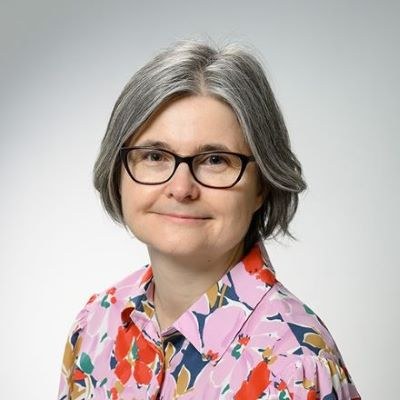
Cytopathology: our main goal in is the development and application of digital cytopathology, molecular techniques, multiplex immunohistochemistry, and terminology systems in cytology samples and small specimens obtained through minimally invasive methods. We also conduct international studies on inter- and intraobserver variation and cytopathology practices within European Federation of Cytological Societies. Applications of artificial intelligence (AI).
Cardiovascular pathology research focuses on aortic pathology and morphological substrates of atrial fibrillation including cardiac conduction system. Artificial intelligence (AI) applications.
We are looking for highly motivated, enthusiastic, and creative PhD or MD/PhD post docs with a background in pathology, histology, bioinformatics, artificial intelligence, translational research or related fields.
Contact Ivana Kholova: ivana.kholova [at] tuni.fi (ivana[dot]kholova[at]tuni[dot]fi)
Check out the goup's website: https://research.tuni.fi/pathology/
Keywords: cytopathology techniques, multiplex immunohistochemistry, histopathology, personalized pathology, digital pathology
Environmental Health Research Group - Adjunct Professor Kirsi-Maarit Lehto
Liquid chromatography coupled with time-of-flight mass spectrometry (LC-TOFMS) is an analytical technique that separates compounds based on their chemical properties according to gradient flow. This process occurs in LC with a dedicated column that contains particles capable of retaining hydrophobic or hydrophilic compounds. From the LC column, the compounds are then ionized and identified based on their mass-to-charge ratio and fragmentation patterns. We look for chemicals such as pesticides, herbicides, polyfluoroalkyl substances (PFAS), antibiotics and other pharmaceuticals, organic contaminants, and protein assessment. We also cover the analyses of clinical samples and perform metabolomics and lipidomics, including the possibility of analysing bile acid lipids. Our facility is also specialized in environmental matrices such as wastewater and sludge for the purpose of using wastewater as surveillance for indication of public health. We offer a multidisciplinary research environment with expertise in molecular mechanisms of chemical toxicity and safer alternatives, drug metabolism, as well as lipid and protein profiling.
We are looking for a highly motivated postdoctoral research fellow in Analytical Chemistry (or a related field) with experience on LC-MS/MS analyses aligned with the scope described above. Experience in bioinformatics and pharmacokinetics and/or working with immunotoxicity and cell cultures will be considered as a plus.
Contact Kirsi-Maarit Lehto: kirsi-maarit.lehti [at] tuni.fi (kirsi-maarit[dot]lehto[at]tuni[dot]fi)
Check out the group's website: https://research.tuni.fi/environmental-health/
Check also out the Mass Spectrometry Facility: https://researchportal.tuni.fi/en/equipments/mass-spectrometry-facility
Keywords: mass spectrometry, multi-omics, metabolomics, lipidomics, proteomics, small molecules, endocrine-disrupting chemicals (EDCs)
Biophysics of the Eye Research Group - Associate Professor Soile Nymark
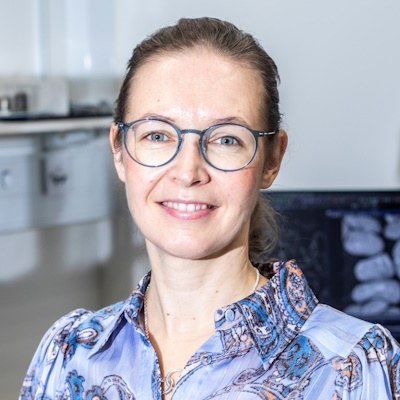
Our group studies the visual system, particularly the retina and the retinal pigment epithelium (RPE) in the eye. We aim at unraveling the molecular mechanisms of the interactive processes between retinal photoreceptors and the RPE using a combination of methodological approaches from single-cell electrophysiology and advanced high-resolution (live) imaging to stem cell technology. Our fundamental biological questions are linked to retinal degenerative diseases and finding treatments to cure them.
We are looking for applicants with an interest in the biophysical aspects of the visual system. Electrophysiology and/or imaging expertise are highly appreciated.
Contact Soile Nymark: soile.nymark [at] tuni.fi (soile[dot]nymark[at]tuni[dot]fi)
Check out the group’s website: https://research.tuni.fi/nymark-lab/
Keywords: retina, retinal pigment epithelium, stem cells, patch clamp, microscopy, biophysics
Photoactive Biomaterials Group - Associate Professor Eduardo Anaya Plaza
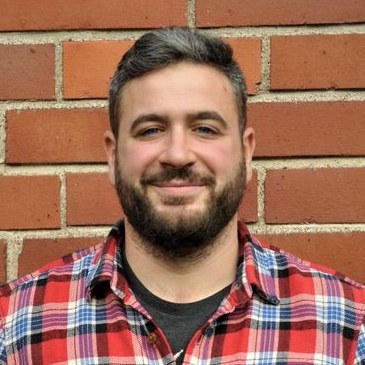
At the recently minted Photoactive Biomaterials group, we are interested in supramolecular chemistry at the biomolecular interface, with bio(medical)materials as final target. Over the last decade, we have developed the synthesis of organic dyes as the staple to guide the self-assembly of our materials, while endowing properties such as colour, solid-state emission, and singlet oxygen generation. Thus, we carry out multidisciplinary research, ranging from (sustainable) organic synthesis, photochemistry, protein expression, lignocellulosic materials, and phototherapies.
We will provide a multidisciplinary and international research environment with complementary expertise for you to fully develop your potential. As a former MSCA alumni, I will provide full support during the preparation and implementation phase.
We are looking for an early stage, exceptionally motivated postdoc, who wants to take the next step in their career and lead the Finnish/European research ecosystem within the next decade. Research expertise in organic synthesis, supramolecular chemistry (e.g. polymerization, host-guest), particularly of chromophores, will be considered as an asset.
Contact Eduardo Anaya Plaza: eduardo.anayaplaza [at] tuni.fi (eduardo[dot]anayaplaza[at]tuni[dot]fi)
Check out the group's website: https://research.tuni.fi/photoactive-biomaterials/
Keywords: organic synthesis, chromophores, supramolecular chemistry, self-assembled (bio)materials, lignocellulosic materials
Cancer Regulation and Immunology Research Group - Adjunct Professor Kirsi Rautajoki
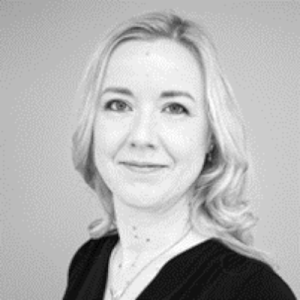
Cancer Regulation and Immunology Research Group (PI: adjunct professor Kirsi Rautajoki, Ph.D.) investigates how immunosuppression is generated and maintained in brain tumor microenvironment as well as how altered epigenetic and gene regulation drives malignancy and cell plasticity by hijacking regulation in normal stem cells. We also develop novel methods to utilize DNA-methylation for brain tumor diagnostics and follow-up. Our research focuses on central nervous system tumors, especially glioblastoma, IDH-mutant diffuse astrocytomas, and atypical teratoid rhabdoid tumors (AT/RTs), as well as prostate cancer. The group is composed of both computational and experimental researchers, and we have expertise in a wide range of epigenetic, gene expression, single-cell, and spatial analysis methods. We work closely with clinical experts and mainly utilize patient samples and in-house generated patient-derived cell cultures in our research. The group is a part of Center for Cancer Eradication Research (CCER), FICAN-MID Tays cancer centre, Brain & Mind network, and is active in associations, such as Finnish Brain Tumor Research Association (FiBTRA) and Scandinavian Society of Neuro-oncology (SNOG).
We are looking for applicants who have experience that fits or complements our group's research and who are interested in performing a postdoctoral research period in the group.
Contact Kirsi Rautajoki: kirsi.rautajoki [at] tuni.fi (kirsi[dot]rautajoki[at]tuni[dot]fi)
Check out the group's web pages: https://research.tuni.fi/cri
Bluesky: @rautajokilab.bsky.social (https://bsky.app/profile/rautajokilab.bsky.social)
Instragram: rautajokilab (https://www.instagram.com/rautajokilab/?hl=en)
LinkedIn: kirsirautajoki (https://www.linkedin.com/in/kirsirautajoki/)
Keywords: cancer immunology, epigenetics, gene regulatory networks
Laboratory of Biosystem Dynamics - Professor Andre Sanches Ribeiro
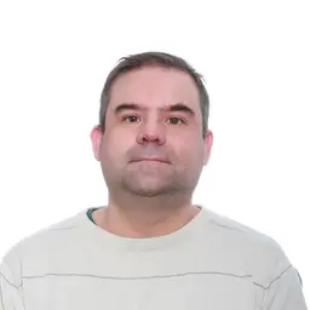
One of the major challenges faced by Humanity is the emergence of multi-resistant bacteria. We work at the interface between bacterial gene regulatory networks, antibiotic stress biology, synthetic engineering, and dynamic modeling.
Our lab combines RNA-seq, flow cytometry, live microscopy, synthetic biology, and computational/stochastic models to understand how bacterial gene networks operate under antibiotic stresses. For a postdoc, this means you will join a group that does not separate theory from experiment.
We are looking for outstanding candidates who aspire to become excellent scientists through talent, dedication, and hard work, and who believe that their background and ambition make them ideally suited for this path.
Our recent highlights include papers in Science Advances, PLOS Computational Biology, Biochemistry, and Nucleic Acids Research, as well as synthetic gene libraries.
Our lab has long been a powerful springboard for top research careers: https://sites.google.com/view/andreribeirolab/home/people.
Contact Andre Sanches Ribeiro: andre.sanchesribeiro [at] tuni.fi (andre[dot]sanchesribeiro[at]tuni[dot]fi)
Check out the group’s webpage: https://sites.google.com/view/andreribeirolab/home
Keywords: bacterial gene networks, systems microbiology, stochastic models, RNA-seq, flow-cytometry and microscopy, single-cell biology
Celiac Disease Research Center - Professors Teea Salmi and Katri Lindfors
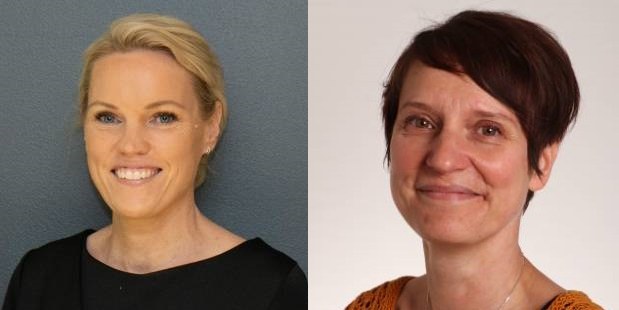
Professors Teea Salmi and Katri Lindfors are research group leaders in Celiac Disease Research Center (CeliRes) that conducts multidisciplinary research to benefit medical community and patients with celiac disease (CD), a dietary gluten driven enteropathy. A hallmark of CD is its’ heterogenous manifestations and the disease is also present outside the gastrointestinal tract. One of the best described extraintestinal manifestations is dermatitis herpetiformis (DH), a skin manifestation characterized by pruritic bullous rash. DH affects approximately 10% of the patients and it is thought to arise as a consequence of unrecognized and thus untreated CD. One of the research focuses of Salmi and Lindfors is to identify factors (environmental genetic, immunological) that drive the development of DH.
We are looking for a postdoctoral fellow to join this research line. Particularly applicants with expertise in methylome analysis are welcomed. If you have experience that fits with this scope and you are interested in performing a post-doctoral research period in the group. Send your letter of intent to Professor Katri Lindfors (katri.lindfors [at] tuni.fi).
Contact Katri Lindfors: katri.lindfors [at] tuni.fi (katri[dot]lindfors[at]tuni[dot]fi)
Check out the research center's website: https://research.tuni.fi/celires/
Keywords: celiac disease, dermatitis herpetiformis, pathogenesis, methylome
Mitochondrial Immunometabolism Research Group - Adjunct Professor Tiina S. Salminen
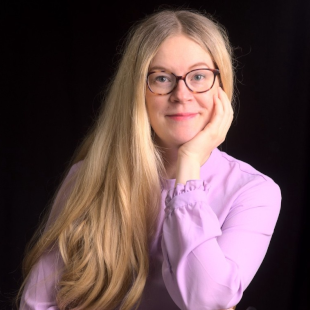
Mitochondria are extremely versatile cellular organelles involved in basically everything -from producing ATP, heat, reactive oxygen species and signaling molecules to control of apoptosis, immune responses, disease progression and cancer! The Mitochondrial immunometabolism research group studies the roles of mitochondrial (dys)function in immune responses, effects of pathogens and pharmaceuticals on mitochondria, mitochondrial thermogenesis and thresholds between mild mitochondrial perturbation and mitochondrial disease.
We utilize an in vivo animal model, the fruit fly Drosophila melanogaster and a selection of cell lines ranging from insect cells to patient -derived cell lines, and variety of methods including genetic and environmental (antibiotics, temperature) manipulations, omics, flow cytometry, fluorescence microscopy and spectrofluorimetric methods to reveal the secrets of mitochondria.
We are looking for an enthusiastic, motivated, curious, creative and experimentally oriented post doc with an interest in solving basic questions in biology and asking new ones! Experience in omics (including data analysis) and working with Drosophila and/or cell cultures will be considered as a plus.
We provide a stimulating research atmosphere with researchers from various backgrounds in science.
Contact Tiina S. Salminen: tiina.s.salminen [at] tuni.fi (tiina[dot]s[dot]salminen[at]tuni[dot]fi)
Check out the group’s website: https://research.tuni.fi/mitochondrial-immunometabolism/
Keywords: mitochondria, immunity, Drosophila, infection, stress, thermogenesis
Bioinspired Materials and Robotics Research Group - Associate Professor Veikko Sariola
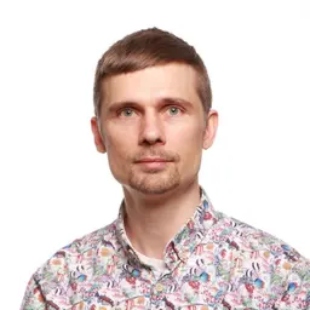
Microsystems and microfluidic devices have vast biomedical applications, ranging from drug manufacturing and point-of-care testing to soft and wearable robotics. In the Bioinspired Materials and Robotics group, our main goal is to fabricate, interface, and assemble microsystems made of heterogeneous materials, including liquids, soft, adhesive, bioinspired, and/or biotic materials. The targeted applications are in robotics and microfluidics.
We are looking for outstanding candidates interested in biomedical microsystems. Potential projects may involve microfabrication, microfluidics, acoustic (ultrasonic) manipulation, wetting, droplet microfluidics, soft robotics, or stretchable sensors. Our group has extensive experience in these topics and will be able to support the project.
Contact Veikko Sariola: veikko.sariola [at] tuni.fi (veikko[dot]sariola[at]tuni[dot]fi)
Check out the group's website: https://research.tuni.fi/bmr-group/
Keywords: microfabrication, microfluidics, acoustic (ultrasonic) manipulation, wetting, droplet microfluidics, soft robotics, stretchable sensors
Seppälä Lab – Precision Medicine in Abdominal Cancers - Associate Professor Toni Seppälä
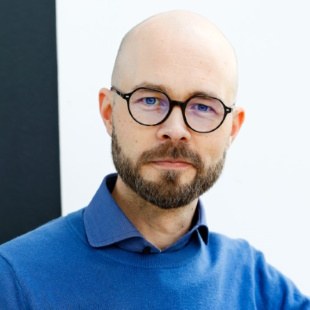
Our surgical oncology -led multinational group of 16 people has focus on clinical and translational aspects of gastrointestinal cancer research. Two wetlabs, bioinformatic infrastructure, multi-centre tissue acquisition and clinical trial protocols in place enable high-volume use of patient-derived organoids, circulating tumor DNA, and a wide range of molecular omics data on normal-referenced primary tumor tissue. High-throughput platforms for ex vivo drug sensitivity and resistance testing facilitate near-direct clinical applicability of the bench findings in trials. Ongoing foundation and state research fundings provide continuing support for activities, and good international connections inspire collaboration and ensure wide dissemination of results. From translational perspective, we aim at driving precision cancer management in the clinical practice. For those more inclined to basic research, our special attention is in the carcinogenetic mechanisms of hereditary cancer and microsatellite instability.
We are looking for bioinformatically oriented laboratory researchers with good basic understanding of cancer research technologies.
Contact Toni Seppälä: toni.seppala [at] tuni.fi (toni[dot]seppala[at]tuni[dot]fi)
Check out the group's website: https://research.tuni.fi/precision-medicine-abdominal-cancers/
Keywords: colorectal cancer, pancreatic cancer, lynch syndrome, organoid, ctDNA
Wireless Identification and Sensing Systems Research Group - Professor Leena Ukkonen
Contact Leena Ukkonen: leena.ukkonen [at] tuni.fi (leena[dot]ukkonen[at]tuni[dot]fi)
Check out the group's website: https://research.tuni.fi/wise/
Keywords: implantable antennas, wireless biomedical sensors, body-centric wireless communications
Genomic Regulation for Precision Cancer Medicine Lab - Senior Research Fellow Alfonso Urbanucci
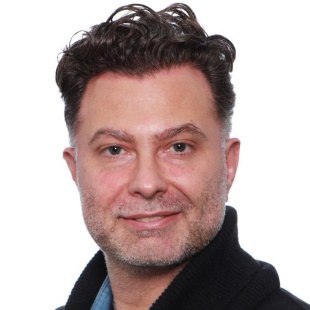
The lab is researching and developing new clinical precision medicine-based approaches to prognosticate and treat prostate cancer.
In the combined wet and dry lab we study chromatin dynamics , gene regulation , and bromodomain-containing proteins to understand their involvement in carcinogenesis and drug resistance. We apply single cell technology and spatial transcriptomics to profile prostate cancer and we model the tumor microenvironment in vitro. We also research new ways to enhance the effect of radiotherapy as a treatment for cancer patients and as a mean to boost the immune system.
The Lab is part of the Prostate Cancer Research Centre and we have many collaborators in US and Europe which open up possibilities for lab exchanges and future opportunities. We focus primarily on prostate cancer but we are also interested in other cancers so if you can bring in ideas for a project that fits with our expertise or bring in new expertise that will help us in our understanding of prostate cancer you are mostly welcome to do so and get in touch.
We are looking for an enthusiastic, highly intrinsicly motivated, scientifically curious postdoc, with problem solving attitude both in independence and within the team, well organised and dynamic, with creative thinking.
- The applicants must have a PhD with a topic in one of the following areas: bioinformatics, computational biology, molecular or cell biology or similar
- Advanced interest in understanding the tumor microenvironment with wet and/or dry lab skills
- Understanding of computational biology and some knowledge in R
- Experience in one of the following topics will be considered a plus: machine learning analysis of scRNA-seq or ST data /knowledge of genomics /pathway biology/ (cancer) immunology /(statistical) data analysis
Contact Alfonso Urbanucci: alfonso.urbanucci [at] tuni.fi (alfonso[dot]urbanucci[at]tuni[dot]fi)
Check out the group's website: https://research.tuni.fi/grpc/about/
Keywords: chroprostate cancer, chromatin dynamics, gene regulation, bromodomain-containing proteins, drug resistance, bioinfomatics, computational biology, molecular or cell biology