Tampere University receives €1.3 million for 3D imaging infrastructure from the Research Council of Finland

X-ray microtomography is a high-resolution, non-destructive technique for 3D imaging. The device captures hundreds of X-ray images around an object and reconstructs its internal 3D structure based on the density distribution of the material, revealing internal microstructures with a precision of less than one micrometre.
Similar to medical CT scanning used for imaging human tissues, microtomography enables the detailed 3D visualisation of samples and supports both the qualitative and quantitative analysis of their microstructures.
Tampere University has housed X-ray microtomography equipment since 2015. This research infrastructure has been used to advance the diagnosis of celiac disease and cancer as well as to support research on novel biomaterials, composites, ceramics and electronics.
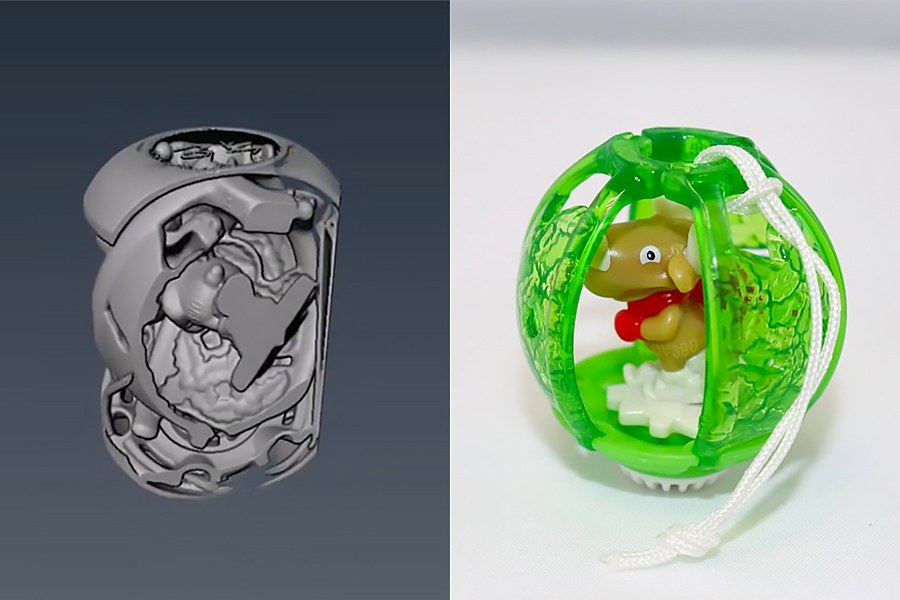
“This technology will be widely used across different fields ranging from biomedicine and tissue engineering to diagnostics, electronics and materials science. In biomedicine, analysing tissue samples – or biopsies – is a key future application for diagnosing celiac disease and cancer. The new research infrastructure will not only foster collaboration between Tampere University and industry but also accelerate innovation in biomedical diagnostics, R&D and fundamental research,” says Professor Jari Hyttinen from the Faculty of Medicine and Health Technology.
The infrastructure located on Tampere University’s Kauppi campus is accessible to researchers, companies and public organisations. The infrastructure comprises specialist support, user training and advanced analysis equipment.
The Research Council of Finland awarded nearly €15 million under the 2025 Thematic Research Infrastructures Call. The funding is divided across ten infrastructure projects, which will be launched on 1 January 2026 and run for three years.
Tampere University received a total of €2.8 million under the call. In addition to the Faculty of Medicine and Health Technology (MET), the Faculty of Information Technology and Communication Sciences (ITC) secured €1.5 million to establish the Tampere Chip Characterisation Infrastructure (ChipIn), led by Associate Professor Sayani Majumdar. Find out more about the Tampere Chip Characterisation Infrastructure.
X-ray microtomography
The Zeiss Xradia microCT can be used to determine the morphological parameters – such as the size, shape and volume of cells or the structure of tissues – in materials, biomaterials and biological samples with a precision of less than one micrometre.


