The DigiSus research platform connects researchers and supports bold research initiatives

The DigiSus research platform at Tampere University generates cross-disciplinary insights into digitalisation and sustainable development, viewing them as two intertwined drivers of societal transformation.
Established in early 2024, the platform has now reached the midpoint of its first term. According to Professor Thomas Olsson, who oversees DigiSus, the platform has focused on connecting researchers from different disciplines and cultivating a close-knit research community over these past two years.
“As research on digitalisation and sustainable development spans multiple fields across Tampere University, the intersection between these themes has traditionally been examined as two separate domains. DigiSus has enabled the creation of a cross-disciplinary community: we have facilitated interaction among researchers and built an active group of participants who attend our events and benefit from information-sharing and peer support within this community,” says Olsson.
DigiSus fosters innovative research initiatives
Ever since its establishment, DigiSus has funded research at the intersection of sustainable development and digitalisation.
In 2024–2025, DigiSus allocated more than €300,000 to 36 projects. The platform primarily supports the refinement of innovative research ideas.
“DigiSus has funded pioneering initiatives that transcend conventional boundaries and break away from disciplinary traditions. Our funding has enabled researchers to experiment and explore new research avenues,” says Olsson.
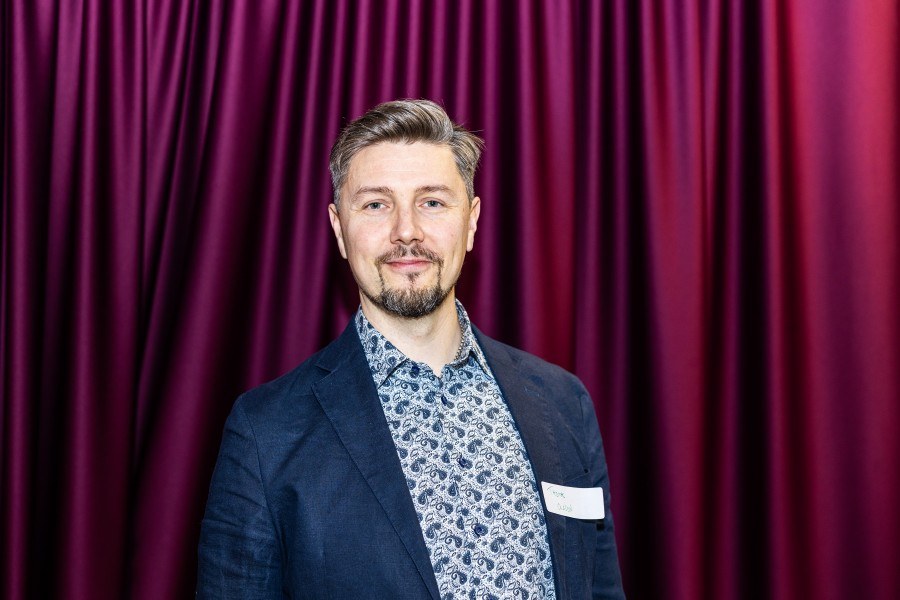
DigiSus provides seed funding that supports the further development of bold research ideas and helps to secure additional grants.
“Participation in major funding calls requires substantial groundwork. Once the research direction becomes clearer and different perspectives begin to converge, it is much easier to succeed in competitive calls,” says Olsson.
Sustavis: A cross-disciplinary perspective helped to deepen and crystallise a research idea
How can systemic changes be described so that they are easy to understand? The project titled Sensemaking and Visualising Systemic Change Towards a Sustainable Circular Economy (Sustavis) – which received funding from DigiSus in 2024 – brought together expertise in industrial engineering and management, education and design, and set out to answer this question by exploring the opportunities offered by visualisation.
Professor Leena Aarikka-Stenroos says that the research group’s initial idea was to create an animation illustrating systemic change. Through discussions with researchers from multiple disciplines, this idea eventually expanded and diversified.
“This project has opened up a whole new world of visualisation. We have explored how visualisation – from art to infographics – shapes human understanding from multiple disciplinary perspectives. These discussions have profoundly influenced our own thinking as well,” says Aarikka-Stenroos.
She adds that a cross-disciplinary approach challenges the entire research group to adopt new ways of thinking and to identify points of convergence between disciplines.
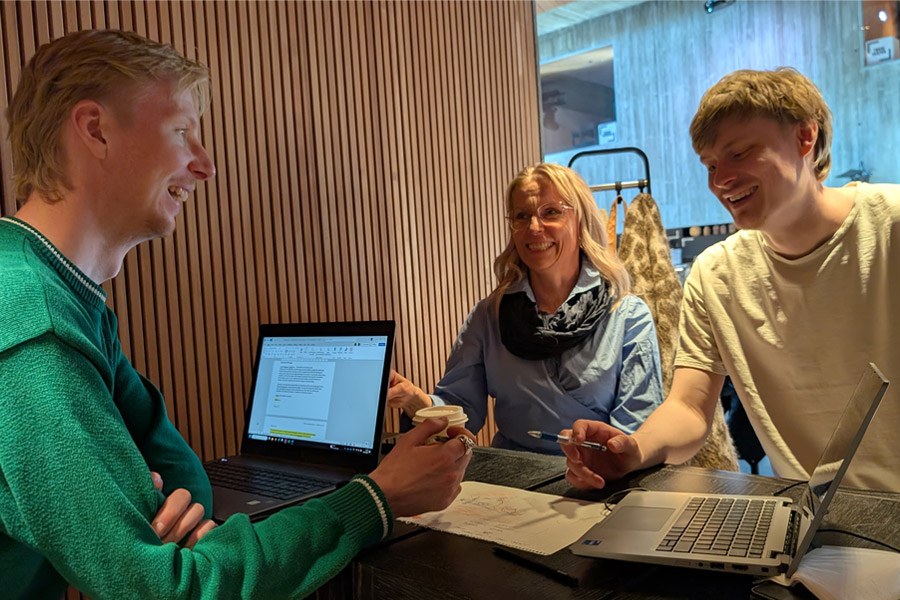
The project participants have conducted academic research and interviewed directors and specialists. According to Aarikka-Stenroos, without DigiSus funding they would not have been able to investigate this phenomenon, carry out experiments, and ultimately refine and clarify their research idea. DigiSus awarded a continuation grant to the Sustavis project in 2025.
The group has now finalised a multidisciplinary research plan, and their first co-authored publication is undergoing peer review. They also plan to publish audiovisual content towards the end of the year – including the animation that served as the starting point for the project.
Green Data Centers: Start-up grant paved the way for further funding
Assistant Professor Toni Taipalus has received funding from DigiSus for research on data centres, with a focus on enhancing sustainability across various aspects of their operations. Currently, data centres are voracious energy consumers that generate vast volumes of data and require natural resources for their equipment and hardware.
The DigiSus start-up grant awarded in 2025 enabled Taipalus and his research group to gain a comprehensive understanding of the construction of data centres. This funding has accelerated the group’s networking efforts both in Finland and abroad, while also supporting the acquisition of research equipment.
“This equipment enables us to develop technical solutions and test methods for making data processing and storage more environmentally friendly. Cutting the energy consumption of data centres by several tens of per cent is a realistic future scenario,” notes Taipalus.
The project has already resulted in several research articles. The initial DigiSus grant has helped the researchers secure additional research funding.
“Our work will continue next year with support from a foundation. Starting in 2026, our research themes will be increasingly integrated into teaching at Tampere University,” says Taipalus.
Research platform drives societal impact and strengthens international reach
In 2026, DigiSus will allocate at least €110,000 to support early-stage research.
Next spring, the platform will open a separate rolling call for the second time, inviting proposals for projects aimed at developing the research community or delivering societal impact.
“These projects may include, for example, specialist training, collaborations with schools or initiatives with an impact on industry and business life. We are looking forward to seeing the ideas that emerge from the university community,” says Olsson.
In addition, Olsson is hoping to receive proposals with an international focus. DigiSus places a strong emphasis on societal impact and internationalisation.
“From a global perspective, the landscape of digitalisation and sustainable development remains fragmented. In 2026, DigiSus staff will tour the Nordic countries to deepen our understanding of this field and strengthen our international connections with other stakeholders engaged in similar activities, such as research centres.”
What is the DigiSus research platform?
- DigiSus is a multidisciplinary research platform that fosters new collaborations, sparks new insights and deepens our understanding of the twin transition of digitalisation and sustainable development within society.
- The platform aims to build a vibrant community around themes that intersect sustainability and digitalisation, advance world-class research on these themes, support the acquisition of external research funding, develop training and best practices, influence professional practices beyond Tampere University, promote a cross-disciplinary research culture across the University, and stimulate further sustainability efforts within Tampere Universities.
- DigiSus has received strategic funding from Tampere University for a four-year term, with the possibility of extension for a further four years.
- Read more about the DigiSus platform.


