Air pollution is the leading global environmental risk factor for mortality and, linked to a plethora of diseases and symptoms in multiple tissues including the respiratory system. Accumulating evidence suggests that ultrafine particles (UFPs) cause more adverse health effects than larger particles, yet the harmfulness of particles also depends on their shape, surface properties and composition. Black carbon (BC) is one of the main components in urban ultrafine particles. However, detailed assessment of the mechanisms responsible for particle-induced adverse effects on different parts of the airways is lacking.
ROSES provides new, important insight into the cellular mechanisms induced by different UPFs and their OP and attempts to mitigate their adverse effects, thereby contributing to a topic of major societal challenge with wide health-related, economic, scientific, and societal impact.
Project partners
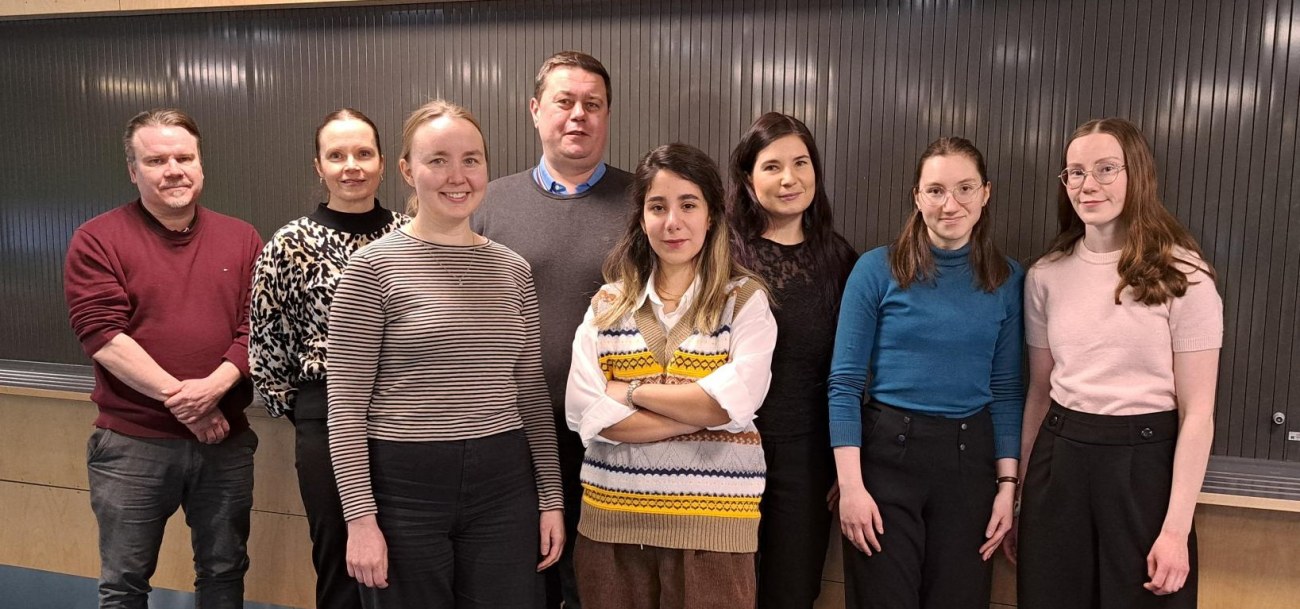 Photo: Laura Salo
The project is led by Professor Pasi Jalava and his group Inhalation Toxicology Laboratory from the University of Eastern Finland (UEF). Other members: Henri Hakkarainen, Hanna Tykkyläinen.
Other groups: Cellular Neurobiology group at A.I. Virtanen Institute for Molecular Sciences, UEF, led by Professor Katja Kanninen and members Donya Behzadpour, Riikka Lampinen and Laura Mussalo and Aerosol Physics Laboratory at TAU, led by Professor Topi Rönkkö and members Laura Salo, Milja Jäppi and Teresia Strandén.
This project is funded by the Research Council of Finland (362436)
Funding