
Operando research infrastructure for energy materials and systems – OperaRI
The Operando research infrastructure for energy materials and systems (OperaRI) provides powerful in-situ and operando characterization techniques to deepen scientific know-how necessary for advances in hydrogen and green technologies. The three partners: University of Oulu, VTT Technical Research Centre of Finland Ltd, and Tampere University together create a research infrastructure with unique capabilities to accelerate new materials and processes for green transition and hydrogen economy and connect them under a single digital platform of national importance. OperaRI is part of Finland’s national infrastructure roadmap (FIRI) established by the Research Council of Finland.
Background
The green and hydrogen transitions pose unprecedented challenges in the energy, raw materials, and process industries. Green hydrogen production and new hydrogen-based processes and applications need to be introduced in a very short time to meet climate goals. However, electrolyser efficiency still needs improvement, and little is known about the interactions of hydrogen with materials such as steels, central to the functions of our society. Understanding these interactions is increasingly important for the development and commercialization of efficient, reliable and safe hydrogen technologies. For example, in load-bearing structures, embrittlement caused by hydrogen can have catastrophic effects, and the use of critical raw materials in hydrogen technologies challenges our security of supply, and alternatives are needed.
Infrastructure
OperaRI will include a host of operando characterization modalities from atomic and nanoscale to micro- and macroscales and all the way to component / system level. Together, these capabilities provide the methods for detecting hydrogen, understanding its interactions with and effects on atoms, defects and their arrangements within the materials, and quantifying its effects on material, component and system level properties and performance. The methods are used to study materials under realistic use and operation conditions for processes related to the entire value chain, including P2X processes and CCU. A digital platform will be established for outreaching external stakeholders, information and data sharing, training, and connecting users, and experts in a single contact point for fast and easy access. OperaRI will significantly strengthen the experimental capabilities, know-how and expertise of Finnish RI landscape, which will directly benefit the national stakeholders, both academia and industry, and improve their competitiveness in the global scale.
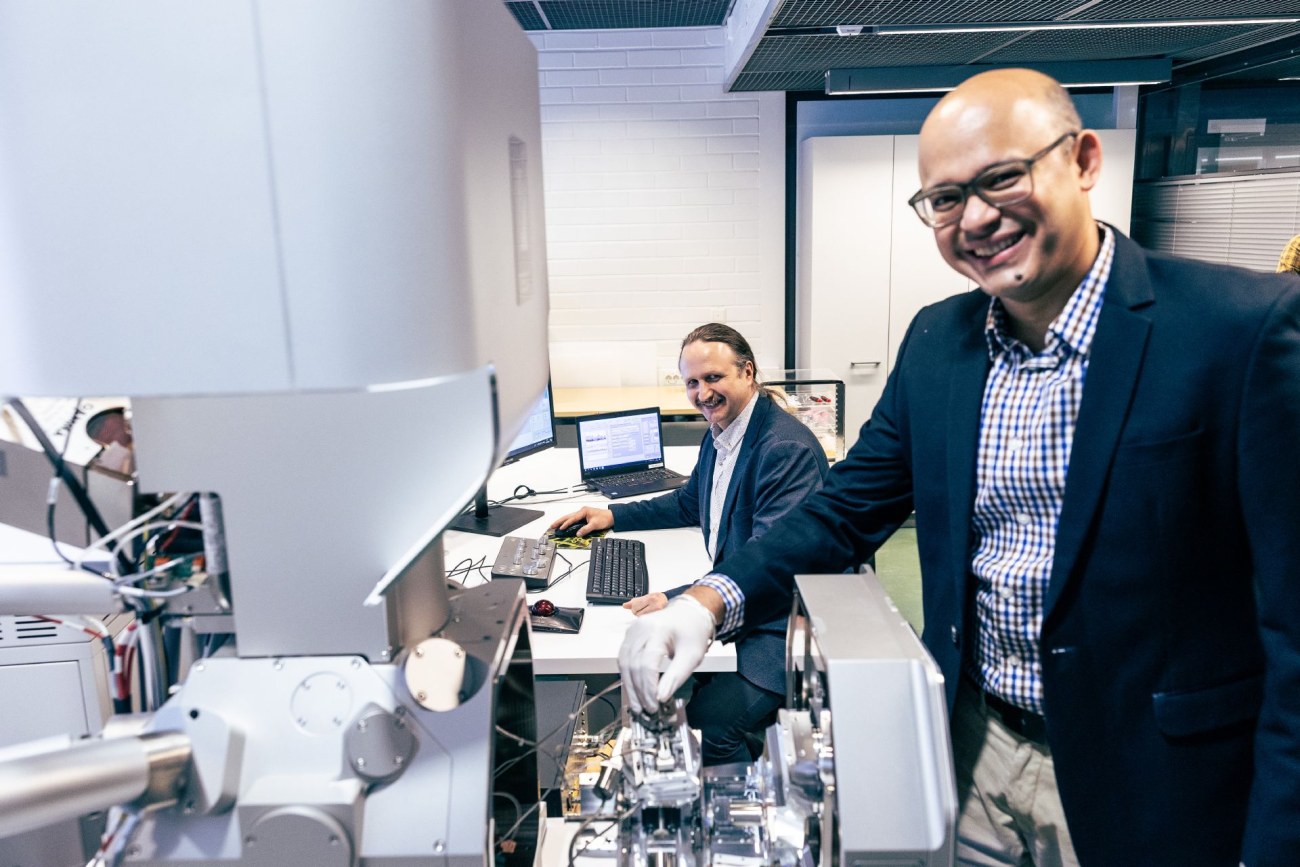 Photo: Jonne Renvall


