President Keijo Hämäläinen at the opening of the academic year: the freedom of research must be defended, even when findings are uncomfortable

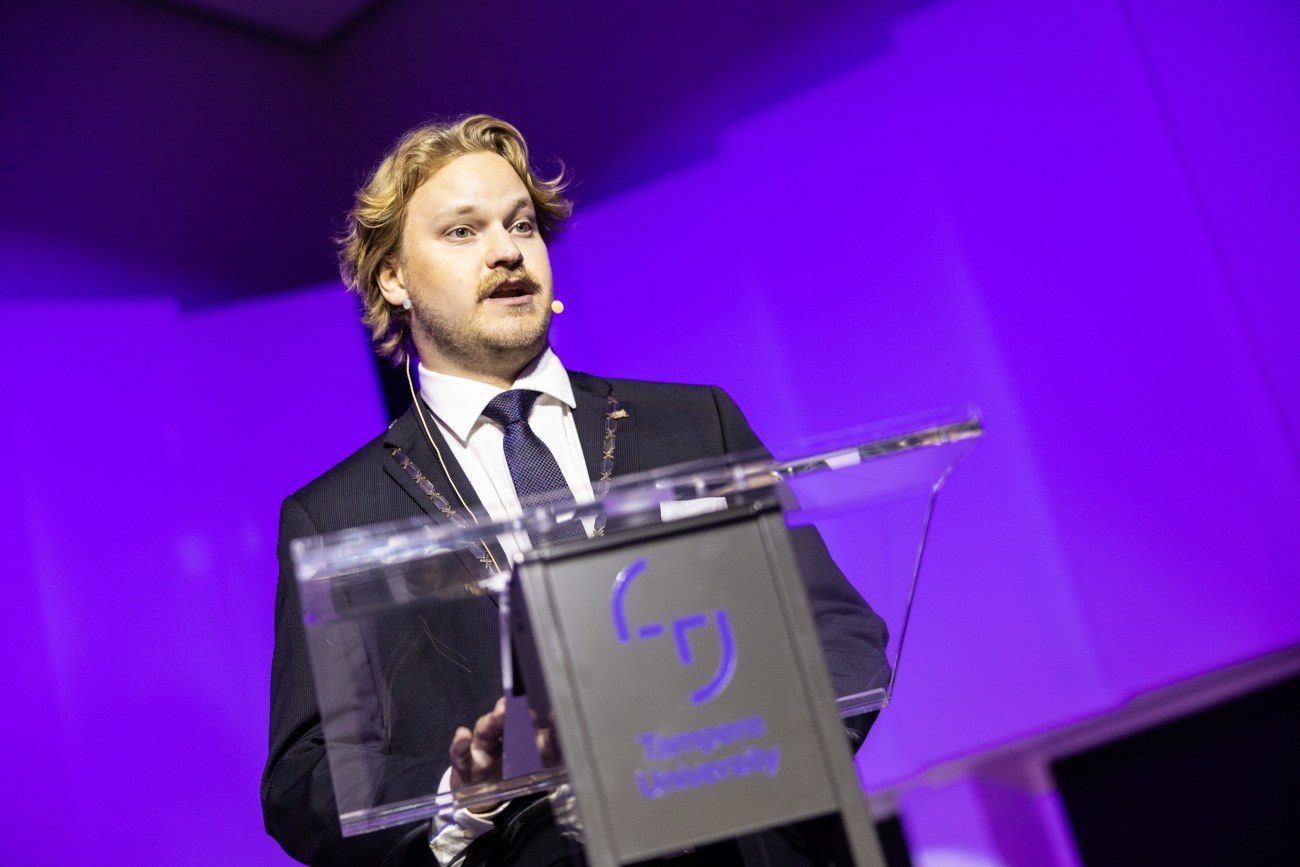
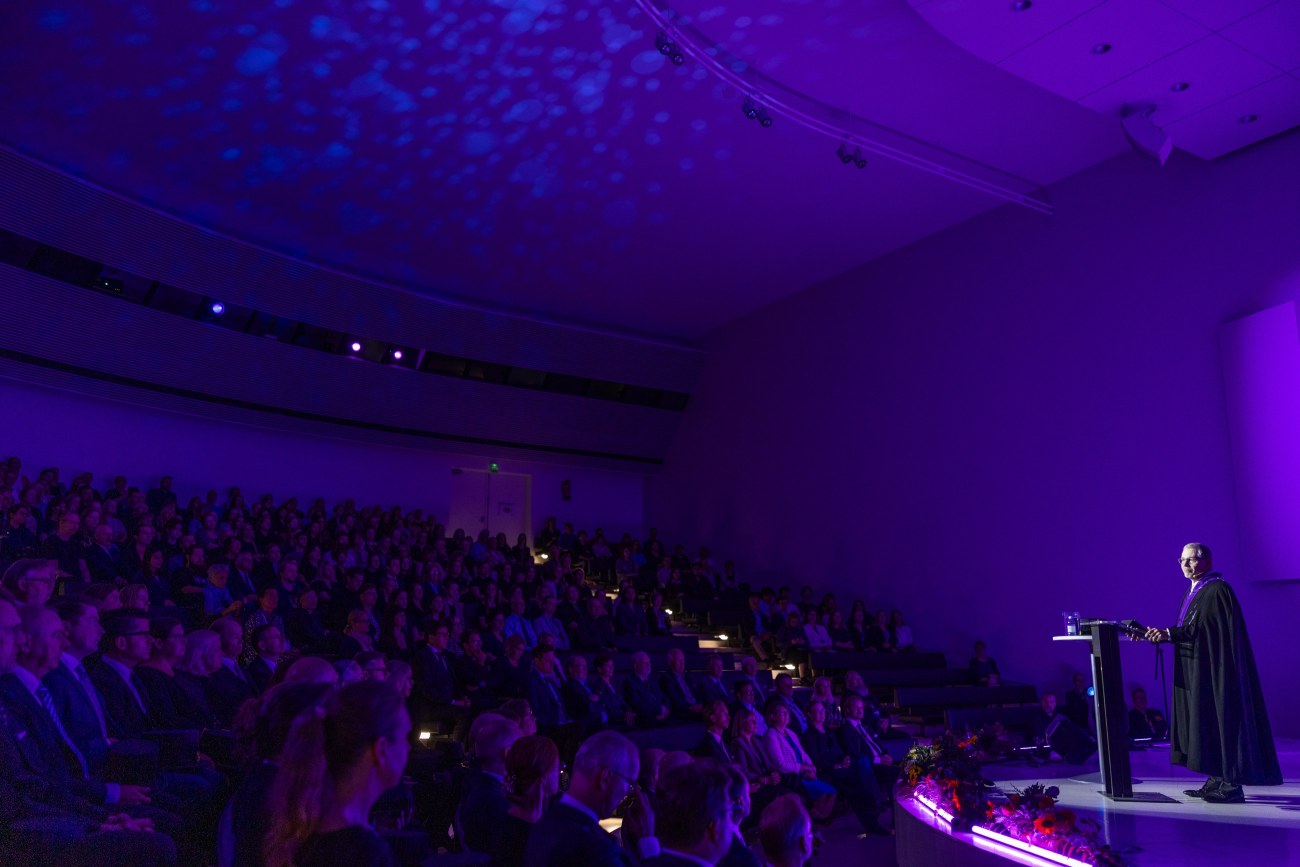
“Universities have a responsibility not only to maintain the scientific legacy passed down from one generation to the next but also to help shape a future that is still unknown,” said President Keijo Hämäläinen in his opening address.
Hämäläinen emphasised the importance of safeguarding the freedom of research. Science has built-in mechanisms for identifying and correcting errors, and it also helps society to correct its course.
“This is why we must defend the freedom of research, even when the findings make us uncomfortable or when the expected benefits cannot be demonstrated in advance,” he said.
Tami Nordström, Chair of the Board of the student union TREY, also expressed concern in his speech about the undermining of academia as an institution and the criticism directed at the freedom of research.
“We must demonstrate that the university community leads by example by conducting research that helps society move forward in accordance with democratic values and the principles of critical thinking, while educating knowledgeable and critically minded professionals,” said Nordström.
Budget cuts threaten to stall progress
In recent years, public investments in research and development have supported Tampere University’s positive trajectory. One example is the €100 million investment in Noodi, the new hub for experimental research on the Hervanta campus. Noodi provides a strong foundation for expanding university-industry collaboration, helping to promote economic growth across the Tampere region and Finland as a whole.
However, the future funding outlook for universities remains uncertain.
“Any further cuts to university funding would bring these promising developments to a halt at a time when growth is only just beginning and Finland is in need of new expertise and research-based renewal,” said President Hämäläinen.
According to Hämäläinen, political debate often highlights education and research as the foundation of Finland’s future, but this commitment should also be reflected in funding decisions.
“There must be a clear link between the goals that are set and the decisions that are made.”
Any further cuts to university funding would bring these promising developments to a halt at a time when growth is only just beginning and Finland is in need of new expertise and research-based renewal.
President Keijo Hämäläinen
Core mission of universities remains unchanged in the age of artificial intelligence
President Hämäläinen described artificial intelligence (AI) as the most transformative technological development he has witnessed during his career spanning more than 40 years, noting that universities must carefully consider how they respond to the growing use of AI.
“My personal view is that AI will change everything without changing anything essential. Although AI can help us see further and more clearly than ever before, it cannot decide what we should look at, what is important in what we see, or how we should use the knowledge we gain.”
According to Hämäläinen, students must be taught to question AI-generated responses and to think for themselves. The core mission of universities will therefore remain unchanged.
“Universities must respond to the emergence of AI by combining bold initiatives with careful evaluation. We must safeguard the enduring foundations of research, teaching and learning, ensuring that they continue to stand the test of time in the age of AI,” said Hämäläinen.
Culture, science and the arts as foundations of identity
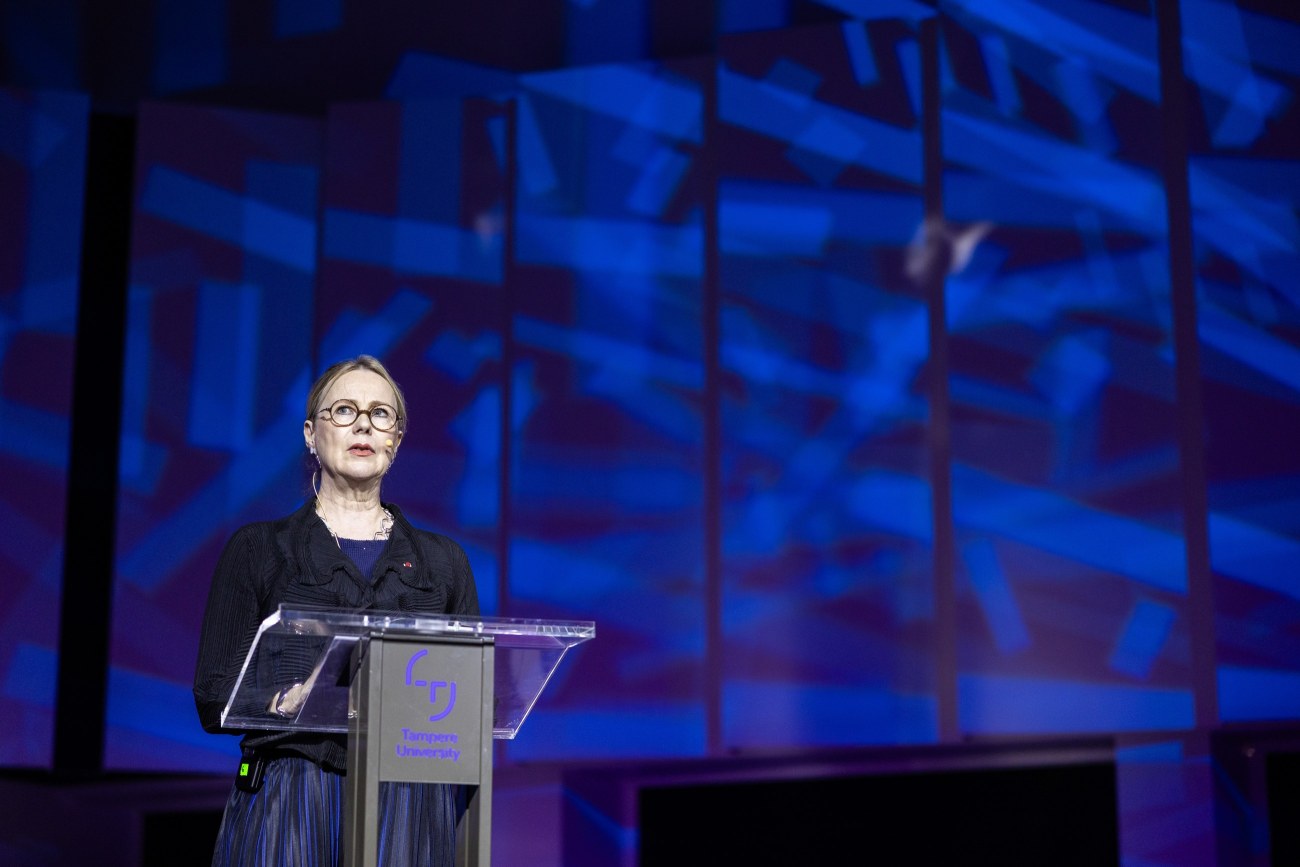
Susanna Pettersson, CEO of the Finnish Cultural Foundation, delivered the keynote speech at the opening ceremony of the academic year.
The Finnish Cultural Foundation is a private national foundation that awards approximately €60 million in grant funding each year to support science, the arts and culture. In her address, Pettersson described culture, science and the arts as anchors that help to build a shared identity in contemporary Finland, where culture can no longer be taken for granted as a unifying force or as a measure of the nation’s success.
And yet, whenever Finland excels on the international stage in any field, it brings people together, whether through sport, film, music or even the sale of icebreakers.
“Culture represents our way of being in the world. It is our way of learning and making sense of the world. Culture lays the foundation for democracy, strengthens our sense of belonging and shapes our identity,” said Pettersson.
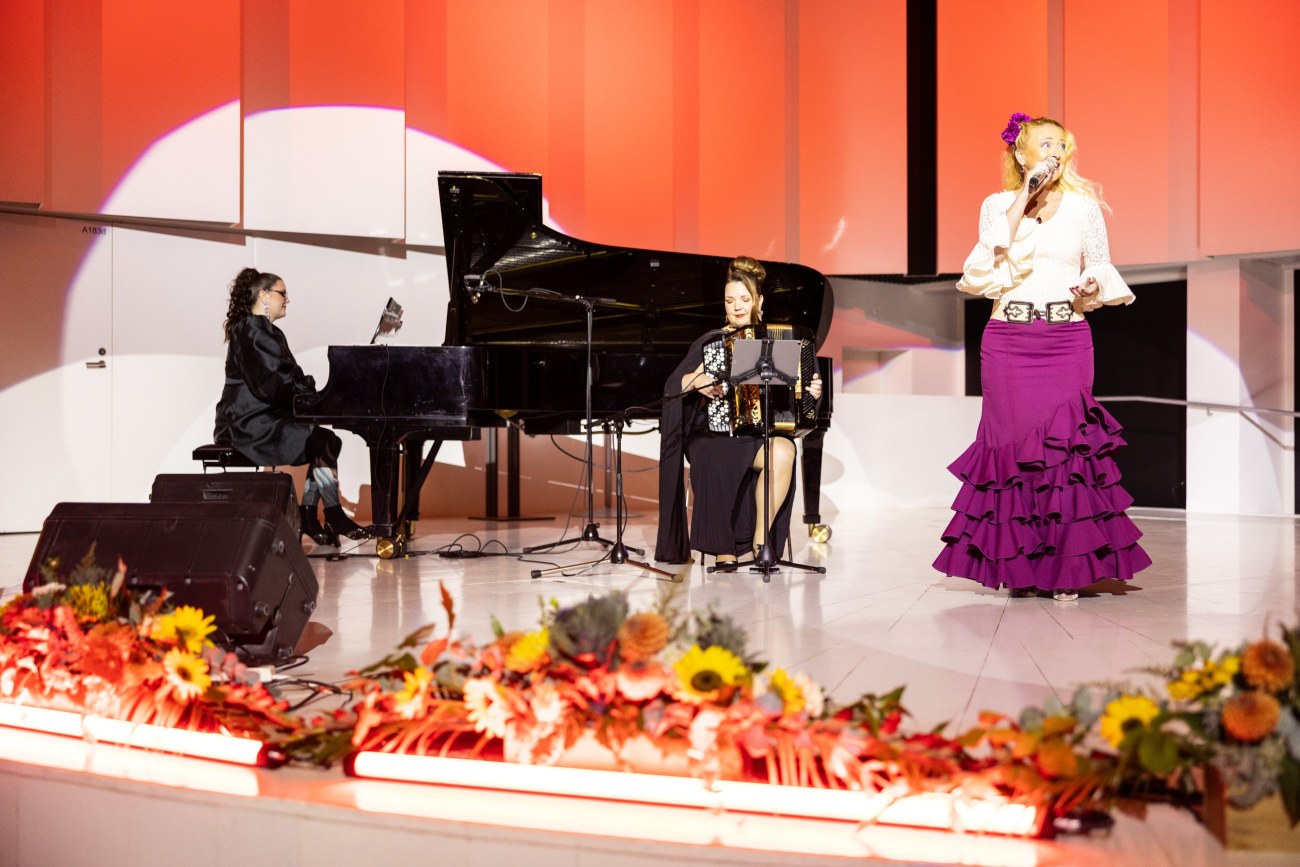
A recording of the opening ceremony is available on the website of the local newspaper Aamulehti The recording will remain available for one week, until 9 September 2026.


