FinE course organized on 8–9 June 2026 by the FinE Platform Tampere node attracted great interest

The two-day course featured lectures, student presentations, industry demonstrations, and laboratory tours covering a broad range of electrophysiological methods and applications. Topics ranged from fundamental electrophysiological recordings in organoids and cell cultures to applications in disease modelling, retinal physiology, cardiac electrophysiology, and organ-on-chip technologies.
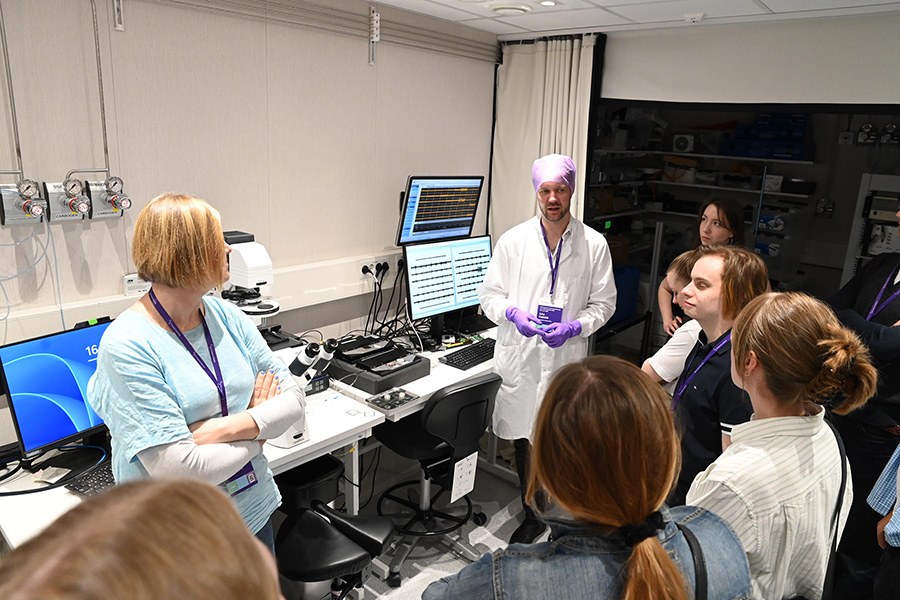
Participants were introduced to emerging technologies including microelectrode arrays, calcium imaging, sensor technologies, and advanced data analysis approaches. During laboratory tours and demo sessions, participants were given a hands-on introduction to state-of-the-art instrumentation.
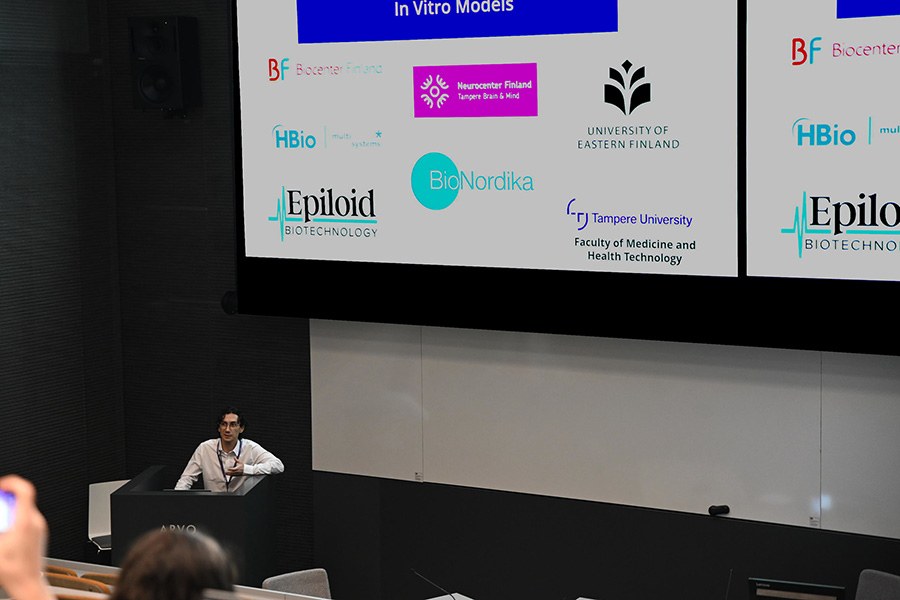
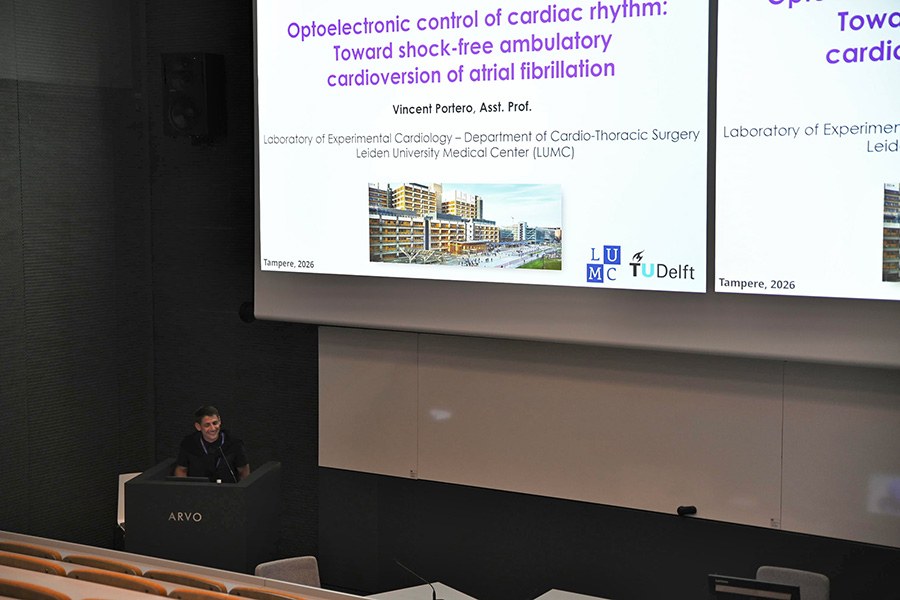
A particular highlight of the program was a guest lecture by Assistant Professor Vincent Portero from Leiden University, who presented novel optogenetic approaches extending beyond current state-of-the-art methodologies. The presentation attracted considerable interest and offered a glimpse into future directions for controlling electrophysiological activity.
Supporting the next generation of electrophysiology researchers
The course also provided an opportunity for early-career researchers to present their work and discuss their findings with experts from different disciplines. Selected presentations covered topics including neuronal, cardiac, and retinal research, sensor technologies, human induced pluripotent stem cell models, and brain-on-chip technologies. The strong participation of students and young researchers contributed to the scientific discussions throughout the event.
Strong feedback highlights the value of national training events
Feedback from participants was highly positive. Attendees praised the course structure, scientific content, quality of the presentations, and the overall organization of the event. Many participants highlighted the balance between fundamental concepts, advanced applications, practical demonstrations, and networking opportunities as one of the course’s main strengths.
The high attendance and active participation throughout the two-day program reflected the growing interest in electrophysiology and related technologies within the Finnish biomedical research community.
Looking ahead to Helsinki
The positive feedback received from participants has encouraged the FinE network to continue organizing annual training events. There was strong support for maintaining the course as a rotating national event hosted by the different FinE core facilities.
Following successful courses in Kuopio and Tampere, the next FinE course is planned to take place in Helsinki in 2027. The event will continue to provide opportunities for training, knowledge exchange, and networking while promoting wider access to advanced electrophysiological infrastructures and methodologies.
Author: Emre Kapucu


