Conversations in Education

Conversations in Education - a series of open discussion events and workshops
Conversations in Education series was designed as an open platform for researchers and citizens to discuss current developments and challenges in the field of education. Five discussion events and two workshops were arranged. The series broadly reflected research conducted in the Faculty of Education and Culture (EDU) at Tampere University.
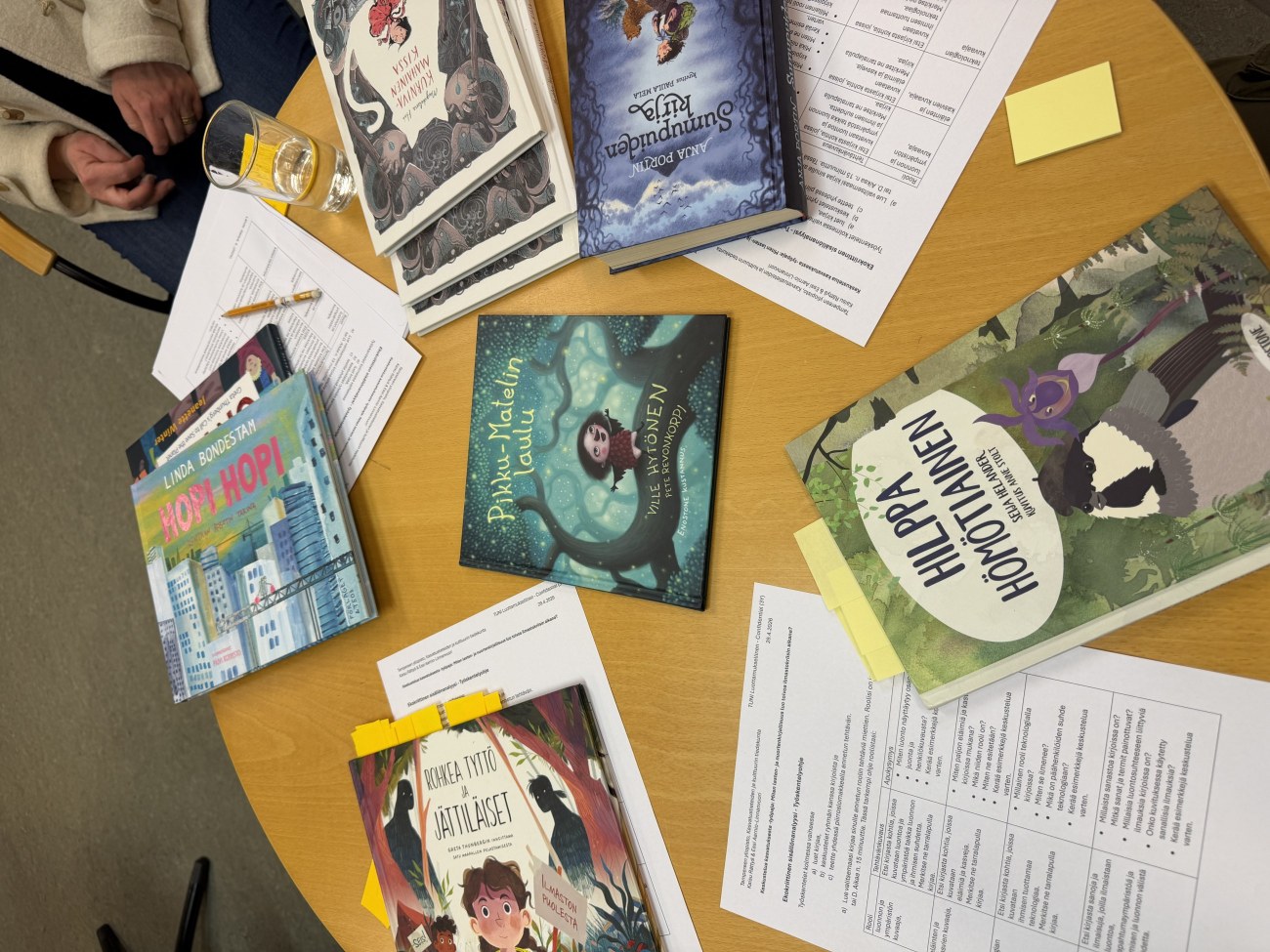
Workshop 29.4.2026: How does children’s and young adult literature offer hope during the climate crisis?
Climate-related issues can evoke difficult emotions in children and young people, including anxiety and hopelessness. How can children's and young adult literature foster hope in a time of climate crisis? Can ecocritical literary pedagogy provide tools for thinking and acting differently?
In this workshop, participants explored recent children's and young adult literature as well as ecocritical literature within the framework of dialogic teaching. Dialogic teaching is based on learners' active participation and agency. The workshop was facilitated by Kaisu Rättyä (University Lecturer in the Didactics of Language and Literature) and Essi Aarnio-Linnavuori (University Lecturer in Environmental and Sustainability Education).
Discussion Event 6.5.2026: Should school change and on whose terms?
Declining learning outcomes, a lack of school peace, and increasing social polarization are causes for concern. Has the school system become incapable of changing alongside society?
This discussion event explored whether schools need to change and, if so, on whose terms those changes should be made. The discussion was led by Antti Saari (Professor of Education).
Discussion Event 18.5.2026: How does early childhood education and care create expectations for parents?
Parents today face high expectations that place their actions and choices under constant scrutiny. In particular, parents of young children encounter ideals of “good parenting” both on social media and through public welfare services such as child health clinics and day-care centres.
This discussion event explored contemporary parenthood, with a particular focus on the expectations surrounding parenting that are shaped within early childhood education and care. The discussion was introduced by doctoral researcher Eeva Järventausta and Anna Siippainen, PhD (Education).
Discussion Event 21.5.2026: Is work changing faster than workers?
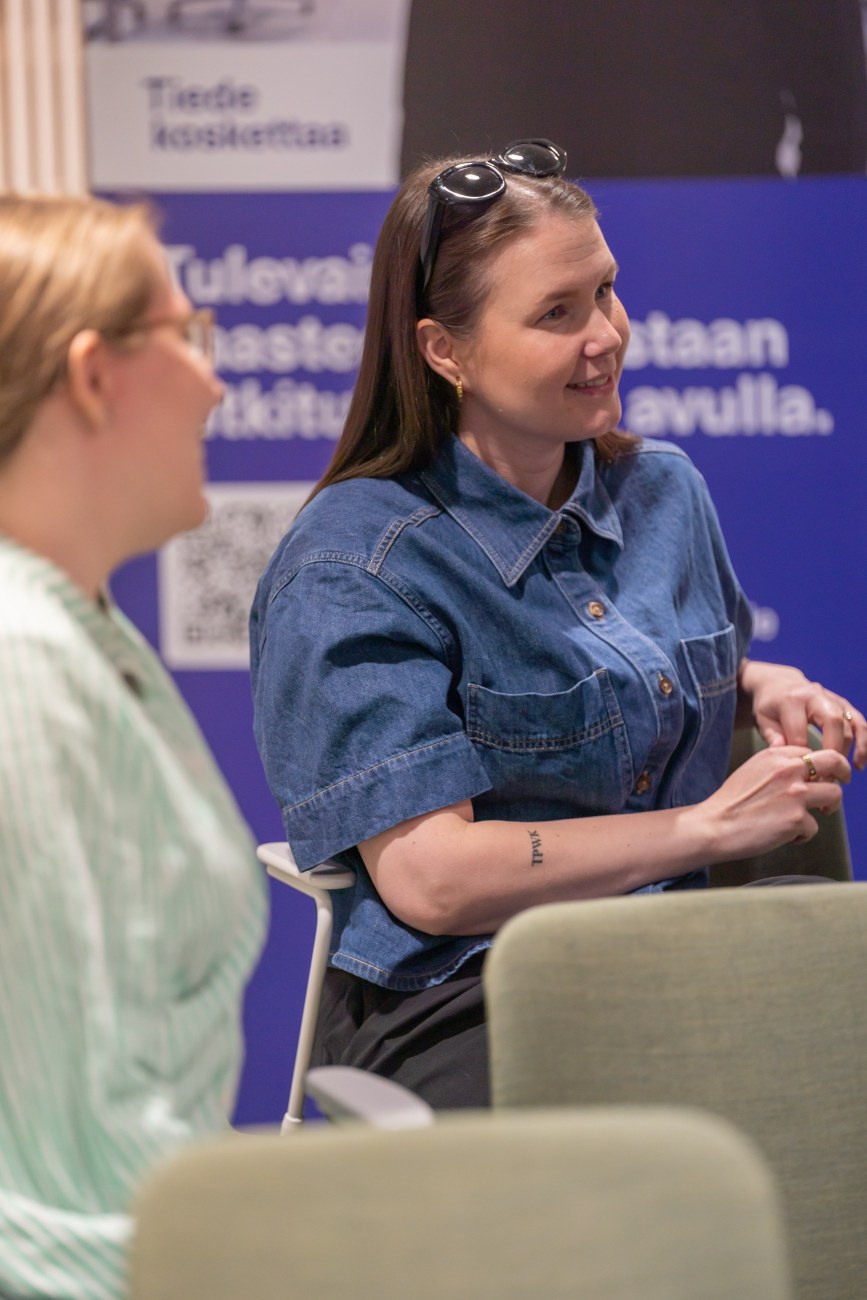
Societal changes, digitalisation, and artificial intelligence are reshaping work and working environments more rapidly than ever. How do adults learn in new work environments, and what potential lies within workplace communities? Does learning need to be supported and led?
This discussion event examined adult learning from the perspective of a changing world of work. The discussion was introduced by Hanna Toiviainen (Professor of Adult Education) and Päivi Hökkä (Associate Professor of Lifelong Learning).
Discussion Event 26.5.2026: How do global crises affect everyday life in schools?
What do global crises such as the COVID-19 pandemic or displacement and forced migration look like in the everyday lives of schools when viewed from the perspectives of children and young people?
In this discussion event, participants watched short animations in which children and young people depict crises through fictional storytelling and discussed how schools could be better prepared for future crises. The discussion was introduced by Mervi Kaukko (Professor of Multicultural Education), postdoctoral researchers Nick Haswell and Maria Petäjäniemi, and doctoral researcher Jussi Hakalahti. Students from Tampere comprehensive schools will also share their perspectives and experiences. This discussion was conneted with KOTI project: https://projects.tuni.fi/koti/
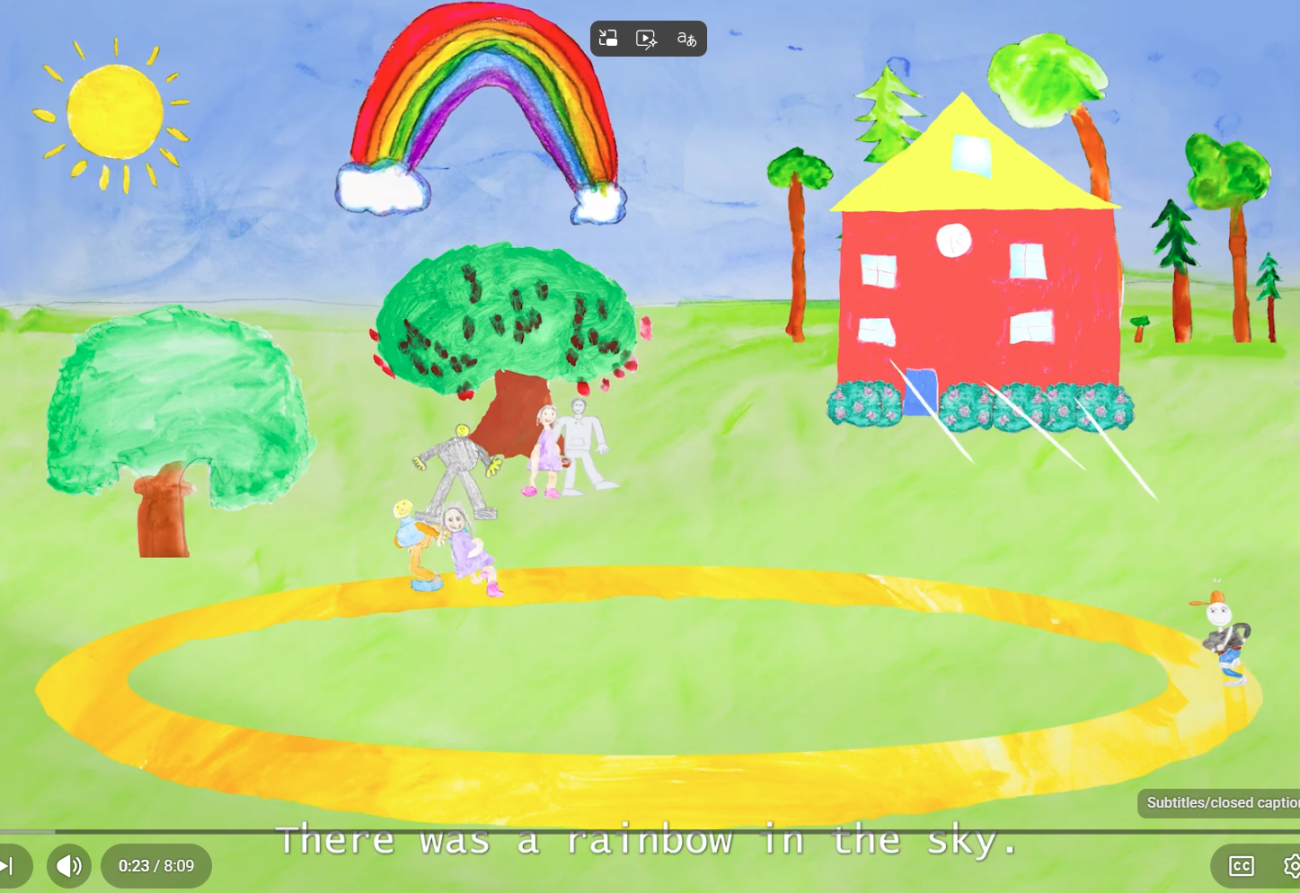 Photo: Animation workshop supervision and storycrafting: Mervi Kaukko, Maria Petäjäniemi, Nick Haswell Animation design and editing: Nick Haswell Audio recording: Toni Honkala, Mervi Kaukko, Nick Haswell, Maria Petäjäniemi Audio mixing and mastering: Toni Honk
Discussion Event 28.5.2026: Does the Programme for International Student Assessment (PISA) serve learning or policy-making?
PISA learning outcomes have helped build the international reputation of Finland’s education system. However, declining results have raised concerns in Finland. What does PISA ultimately measure, and how is it used to shape education policy?
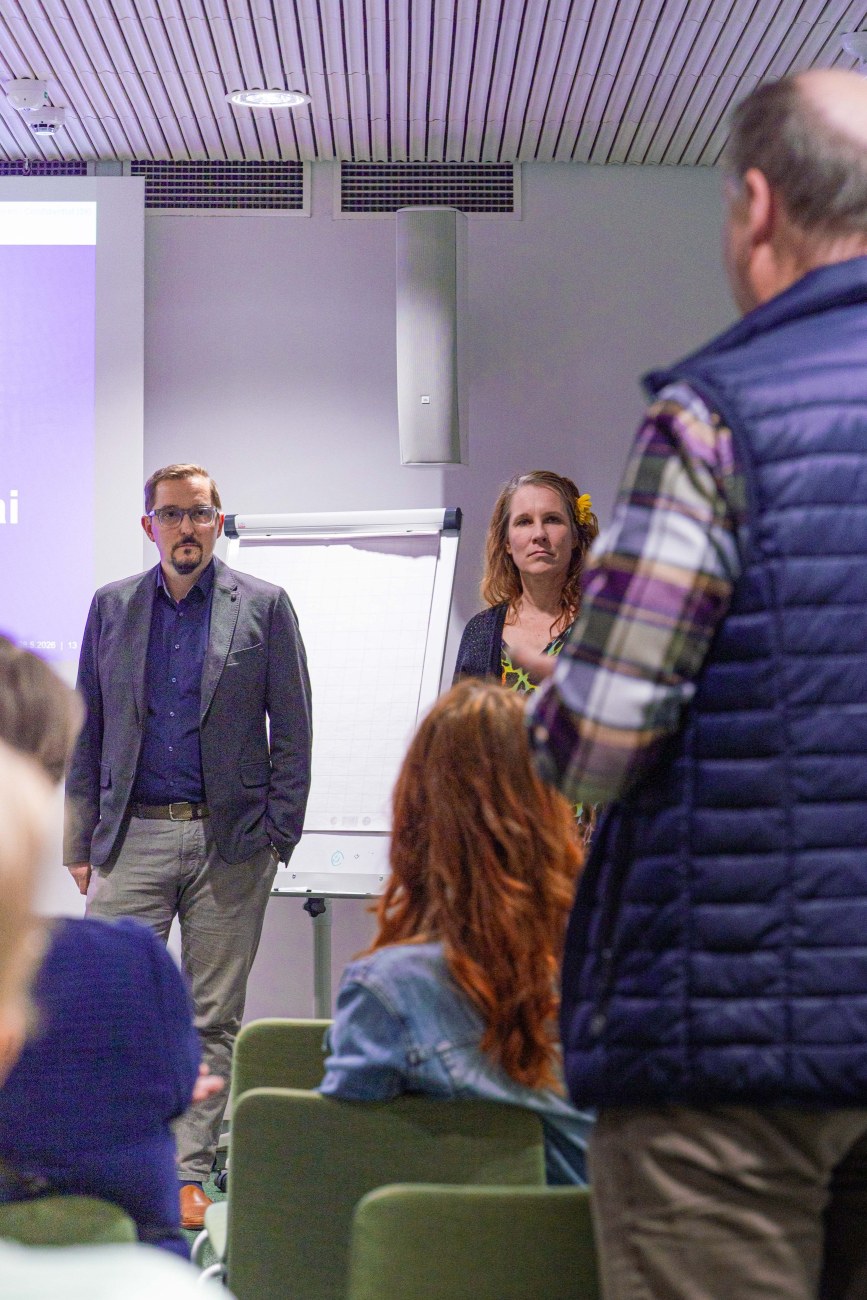
In this discussion event, PISA results were examined from the perspectives of learning, assessment, and education policy. The discussion was introduced by Jaakko Kauko (Professor of Education Policy) and Mari-Pauliina Vainikainen (Professor of Teaching and Learning).
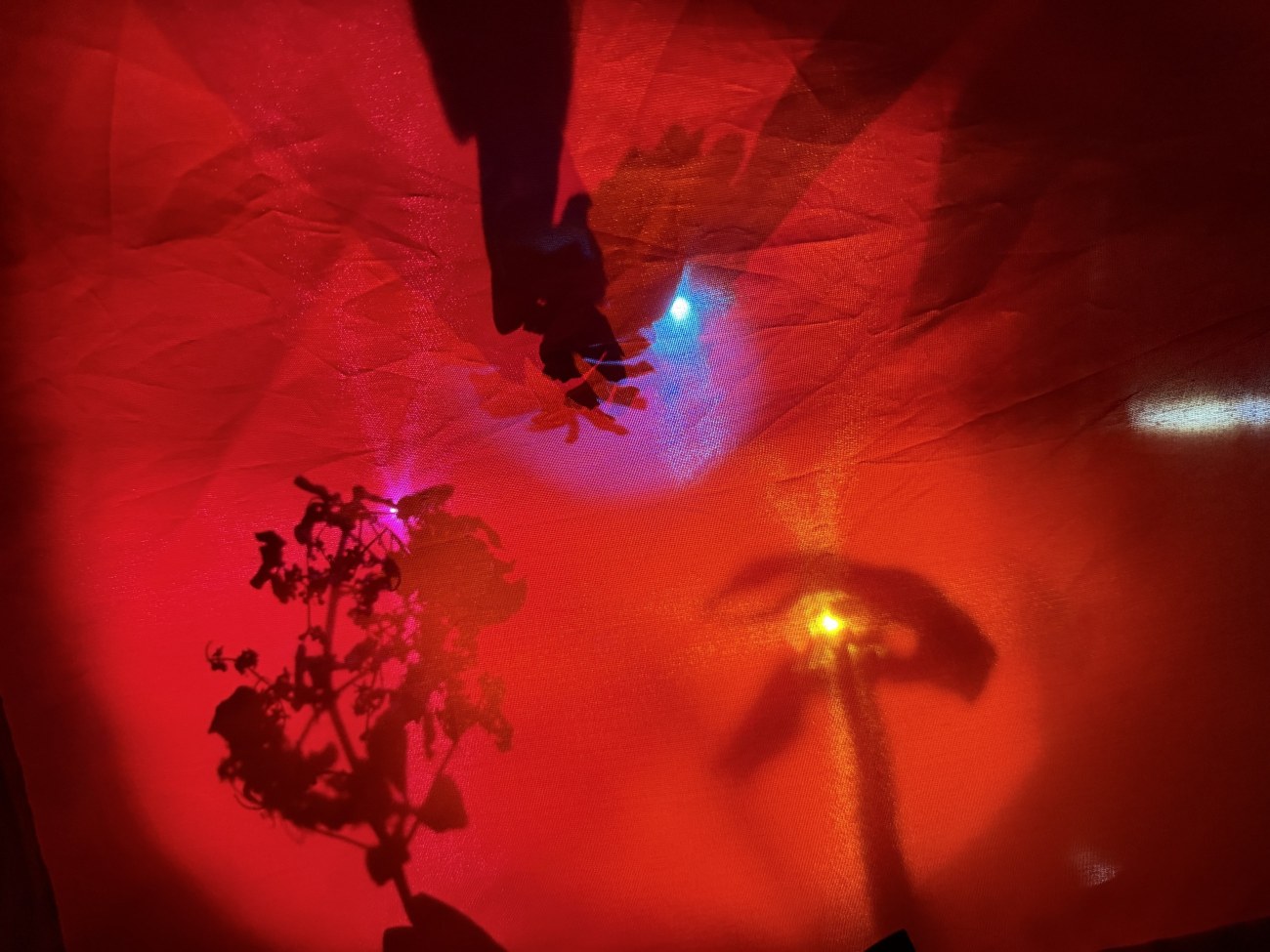
Workshop 3.6.2026: What kind of home are you to microbes?
Step into the secret universe of microbes and create art that reveals the amazing hidden life inside you. Microbes are tiny living creatures that have been with us since the moment we were born. Even though we can’t see them, they are busy helping our bodies grow, stay healthy, and work well. Sometimes they can also make us feel unwell — but they are always part of our lives. In this workshop we will, with the help of art, make these invisible microbes visible and explore them together. We will ask a playful question: What kind of home do you think you are for the many microbes living inside you?
The workshop was facilitated by Erika Aalto, a Puppet Theatre Artist and Art educator and Zsuzsa Millei (Professor of Early Childhood Education). The workshop was based on the project Microbial Childhood: Restor(y)ing Daycare Ecologies | Tampere University https://www.tuni.fi/en/tau/research/microbial-childhood-restorying-daycare-ecologies
Contact person
Joni Forsell
Doctoral Researcher Joni Forsell


