Background
Despite significant effort and reduction in childhood undernutrition, malnutrition is still a public health problem in Nepal. The transition through double burden of malnutrition and increase in the incidence of diet related non-communicable diseases has been a challenge in recent times. A valid food composition database would be a good start to study dietary intake of the population and to develop targeted and effective nutrition policies and programs to the vulnerable groups. Likewise, our partner university in Nepal has expressed its need for evidence-based nutrition education and a renewal in their education related to food security, overweight and the sustainability of food systems.
Goal
NERC project aims to improve the capacity for nutrition education and research in Nepalese universities in an inclusive and working-life-relevant way by:
1) Building a new valid electronic Nepalese food composition database that can be used together with suitable dietary software for calculating the dietary intakes of people in Nepal
2) Strengthening the skills of nutrition teachers, students and working dietitians/nutritionists to collect more valid data on food consumption and dietary intake of people in Nepal, and to analyse the data using the new dietary database and dietary software
3) Renewing teaching contents and methods on courses related to food security and the sustainability of food systems.
Impact
We believe that our project will improve the quality of nutrition education and nutrition research capacity in universities in Nepal. As a result, universities in Nepal contribute to sustainable development, food security and healthy nutrition by providing high-quality, inclusive and working-life-relevant nutrition education and improved infrastructure for nutrition research in Nepal.
Funding source
Ministry of Foreign Affairs of Finland, HEP programme 2023-2026
The Higher Education Partnership (HEP) Programme supports cooperation projects between higher education institutions in Finland and the developing world. The projects support the higher education institutions as they develop their subject-specific, methodological, educational and administrative capacity. The programme is funded by the Ministry of Foreign Affairs of Finland and administered by the Finnish National Agency for Education.


Coordinating organisation
Tampere University, Faculty of Social Sciences, Unit of Health Sciences
Partners
Tribhuvan University (TU)
Tribhuvan University, established in 1959, is the oldest and the largest university in Nepal. The university has five technical institutes and four general faculties. Two central departments are involved as partners in the NERC project.
Central Department of Public Health (CDPH)
The public health degree programs started at Maharajgunj Medical Campus at Tribhuvan University in 1986. The CDPH was established in 2018 and it is now an autonomous body of public health education under the patronage of TU. It currently hosts about 225 students in bachelors, master’s and doctoral level education programmes in public health, health promotion and education, and public health nutrition.
Central Department of Home Sciences (CDHS)
The Central Department of Home Sciences was established in 1986. It offers master’s degree programmes and doctoral programmes in Home Science with specialization options in Food and Nutrition, and in Child Development and Gender Socialization. It also offers post graduate courses in Dietetics and Public Health Nutrition and Women Studies.
At Tampere University, Faculty of Social Sciences, Health Sciences, Tampere, Finland


At Tribhuvan University, Kathmandu, Nepal
Board members
Amod Poudyal, chair of the project board
Professor of Biostatistics, Head of the Central Department of Public Health
Jaya Laxmi Pradhan
Professor of Nutrition, Campus Chief of the Padmakanya Multiple Campus
Narayan Khanal
Chief Legal Advisor of Tribhuvan University
Central Department of Public Health
Rojina Basnet
Project Coordinator
Master’s in Public Health Nutrition
Sabina Sigdel
Project officer
Master’s in Public Health Nutrition
Sujata Shakya
Supervising teacher
Master’s in Public Health
Durga Pahari
Supervising teacher
Master’s in Public Health
Central Department of Home Sciences

Neeti Kayastha
Project coordinator
Master’s in Arts (specialization in Food and Nutrition)
Prativa AC
Project officer (until 31st October 2024)
Master’s in Arts (specialization in Food and Nutrition)

Aruna Gyawali
Supervising teacher
Master’s in Arts (specialization in Food and Nutrition)
Sweta Bade
Supervising teacher
Master’s in Arts (specialization in Food and Nutrition)
Contact information
Tarja Kinnunen, Unit of Health Sciences, Faculty of Social Sciences, Tampere University, Tampere, Finland, email: tarja.kinnunen [at] tuni.fi, phone: +358 40 190 1632
The NERC project ended in August 2026
At the end of the NERC project, one of the project officers, Bidhya Acharya Adhikari from Tampere University, reflected on her thoughts: “Sometimes dreams become reality in unexpected ways. With a background in Food and Nutrition Science as well as in Public and Global Health, I have always envisioned contributing to the field of nutrition science in a meaningful way. Through this project, that vision became a reality.”
It was particularly important for Bidhya to develop the new food composition database for her home country. She says: “Working in a context where an up-to-date and comprehensive food composition database was not readily available, our team developed a detailed food composition database that includes cooked nutrient values for recipes that are commonly consumed in Nepal. The compiled dataset, with an integrated Excel-based dietary intake calculator, contains over 1,000 food items.”
“This tool supports both individual- and population-level nutrition research by enabling efficient dietary intake assessment, nutrient calculation, and nutrient data analysis. It is rewarding to see how a resource developed through this project can contribute to advancing nutrition research and evidence-based decision-making in context of Nepal,” she proudly concludes.
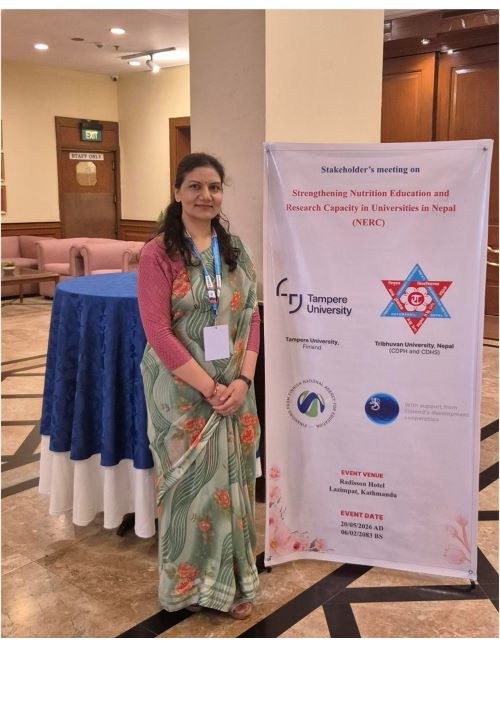
As an intern in Kathmandu (June 2026)
Hello! My name is Mojdeh Soleimanzadehkhayat, and I joined the NERC project as an intern from April to June 2026 in Nepal. I am currently pursuing a Master's degree in Public and Global Health at Tampere University, Finland. I would like to express my gratitude to Tampere University, the NERC project team, and especially to my supervisor, Tarja Kinnunen, for providing me with this opportunity and for her support in gaining experience in a field that closely aligns with my background in Nutrition Sciences.
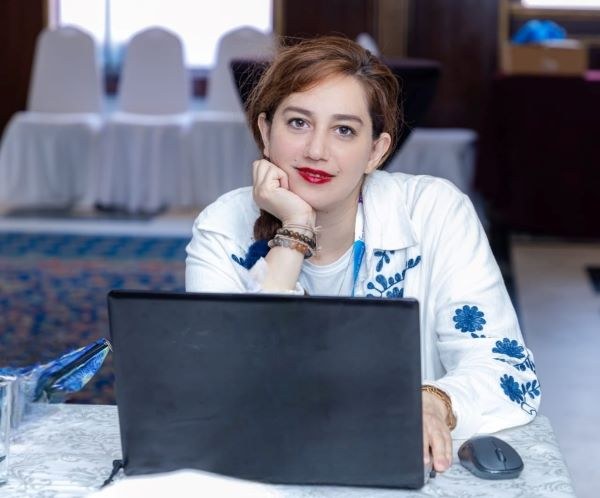
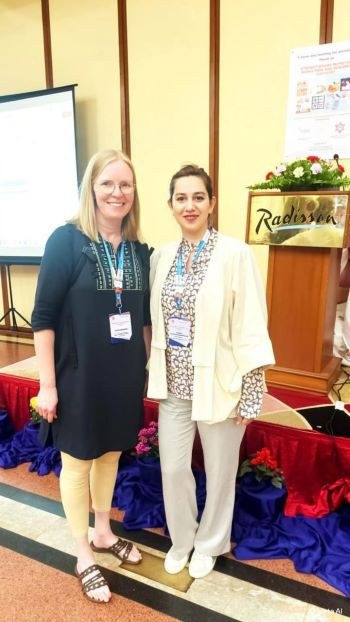
Spending three months contributing to the NERC project, working with people from different backgrounds in an international collaboration, and expanding my professional network was exactly the kind of experience I had hoped to gain. This internship gave me the opportunity not only to strengthen my CV, but also to gain valuable practical experience.
During my internship, I completed the FAO Food Composition Course and contributed to the development of the electronic Nepalese Food Composition Database. This work represents an important step toward improving dietary assessment and supporting nutrition-related research in Nepal.
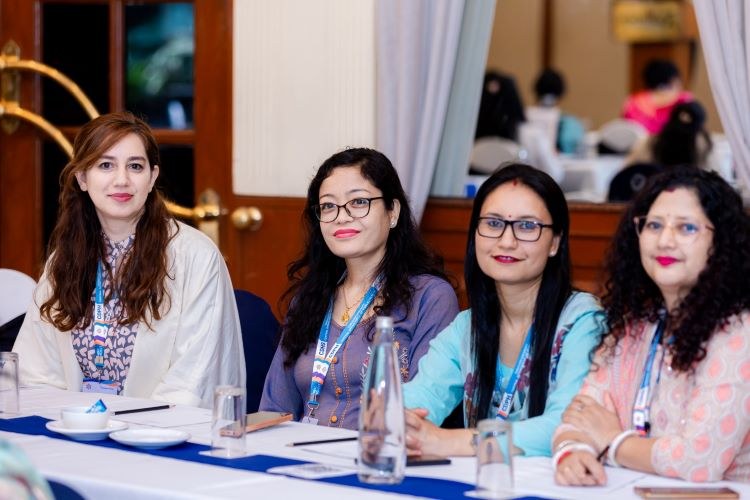
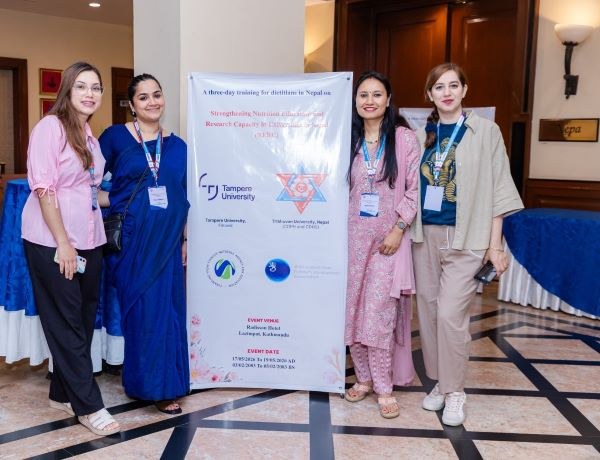
I also had the opportunity to attend two events in Kathmandu, including training sessions for dietitians and teachers to strengthen their skills in dietary assessment. These activities allowed me to observe how project team members collaborate in practice toward a common goal while managing multiple responsibilities. Supporting the arrangement of such events as a team member gave me a better understanding that successful projects require not only technical expertise and careful data collection, but also strong organization, interpersonal skills, and effective teamwork.
Apart from the academic and professional aspects of this journey, I also had the chance to explore Nepal’s spectacular beauty. I enjoyed hiking and sightseeing, visiting temples, and taking a break from the hustle and bustle. I also learned about the local culture and witnessed some traditional rituals.
Overall, this internship has been an unforgettable experience that has supported both my professional and personal development. Most importantly, it helped me broaden my circle of friends and build connections with experts and professionals in the field. I appreciate the opportunity to contribute to a team dedicated to improving nutrition education and research capacity in Nepal.
A four-day training for university teachers in Nepal (May 2026)
The NERC project team arranged and facilitated a four-day training programme for university teachers on nutrition education and teaching capacity at the Malla Hotel, Kathmandu, from 24 to 27 May 2026. The training brought together university teachers and academic staff who are engaged in nutrition and public health education across Nepal. The programme aimed at strengthening dietary assessment skills, pedagogical skills, improving course delivery, and integrating evidence-based content into teaching practices.
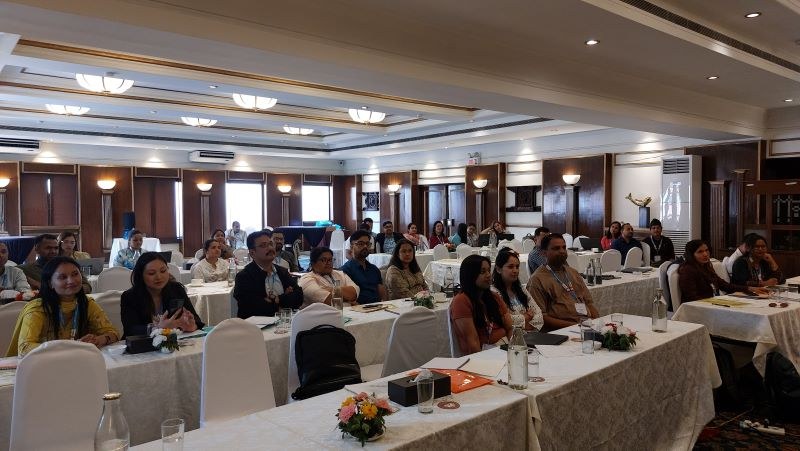
Over four intensive days, the programme combined lectures, practical exercises, group work, demonstrations, and presentations. Key lectures covered methods for measuring food and nutrient intake, anthropometric measurement techniques, food security and nutrition indicators, and sustainable food systems, with attention to both global perspectives and Nepal-specific contexts. A major highlight of the programme was the introduction of Nepal’s new dietary database, designed to enhance the accuracy and quality of dietary assessment in both clinical and community settings, enabling more precise evaluations of individuals’ dietary intake.
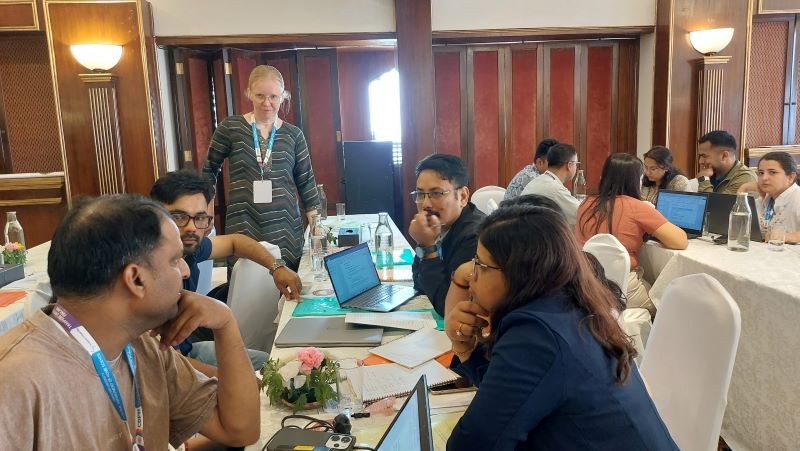
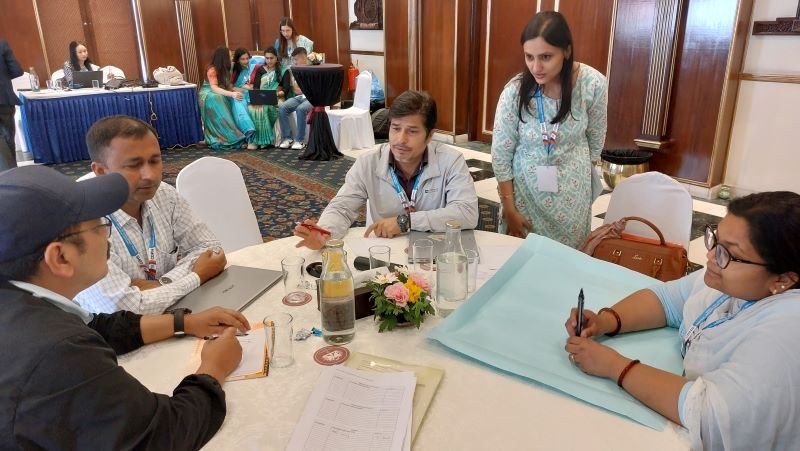
At the end of the programme, the participants received certificates in recognition of their successful completion of the training. The programme concluded with a feedback session, where participants highlighted the high relevance, practicality, and usefulness of the sessions for their teaching and research practice. They also emphasized the importance of continuing similar training programmes to further strengthen nutrition education in universities across Nepal.
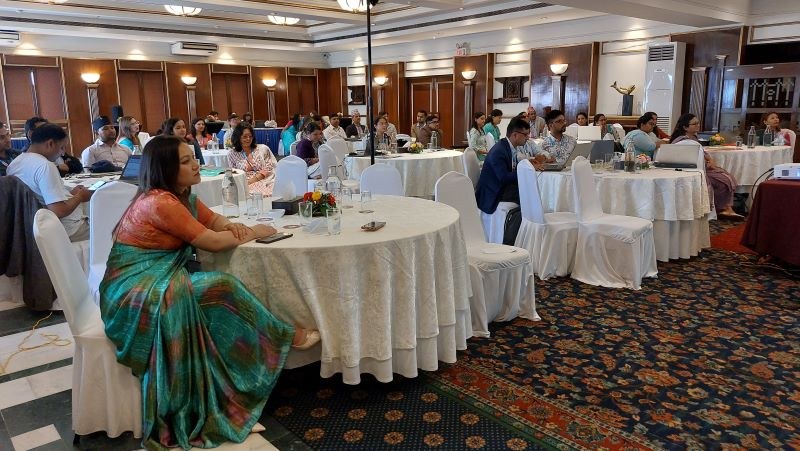
Sibila Subedi, one of the project officers from the CDPH, interviewed four participants on the last day of the training. Satya Narayan Yadav from Madhesh Institute of Health Sciences said he learnt theory and practical skills on nutritional assessment. The training also enhanced his skills in utilizing different types of group work and practical sessions when teaching nutritional assessment for students at his institute.
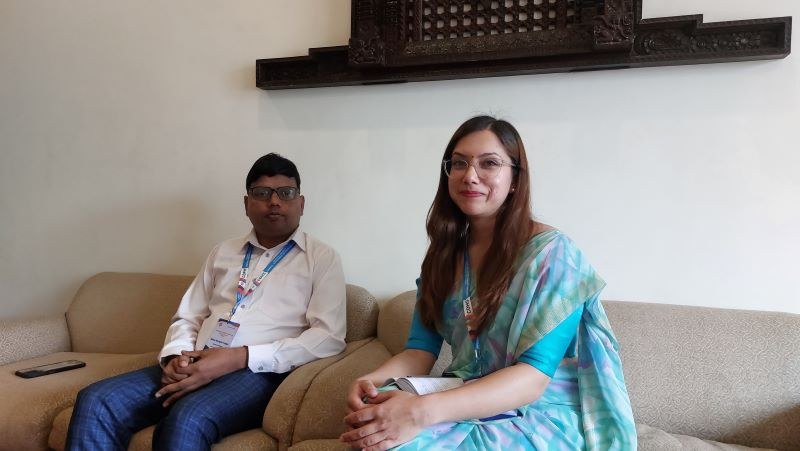
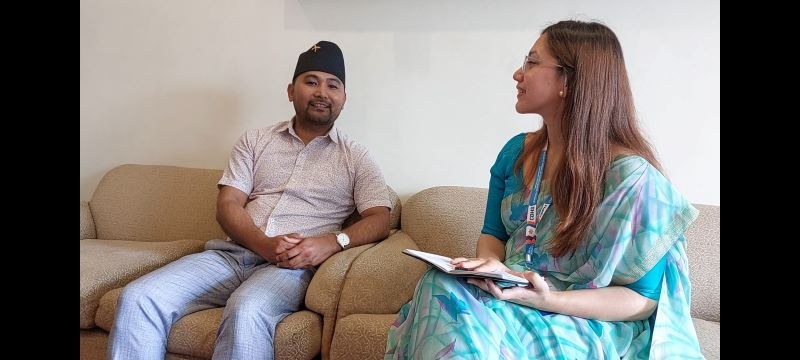
Nishant Lama from Karnali Academy of Health Sciences found the training days wonderful and systematically conducted, covering theory and concepts as well as hands-on practice. He plans to apply new knowledge and skills in epidemiologic research, curriculum development, and teaching.
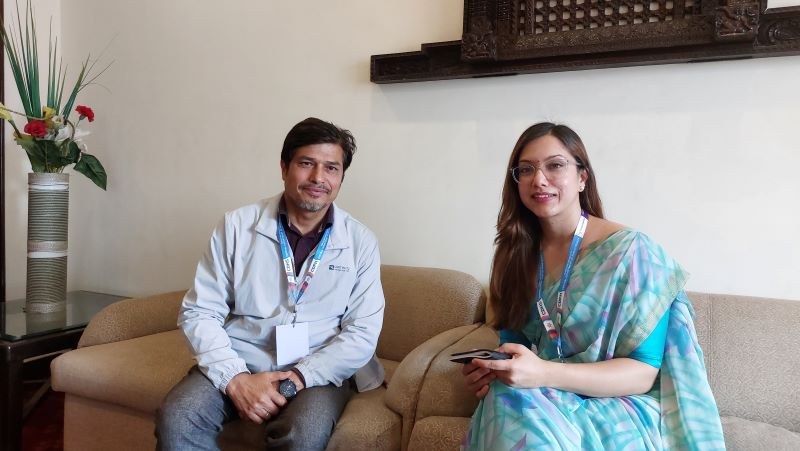
Chiranjivi Adhikari from Pokhara University said he learnt about theoretical aspects of sustainable food systems, and assessment of food consumption and dietary intake. The training has enhanced his skills in teaching these contents to students. He plans to give them assignments to practice dietary assessment and calculations using the new food composition database and intake calculator.
NERC project stakeholder meeting in Kathmandu (May 2026)
A stakeholder meeting was held at Radisson Hotel, Kathmandu, on 20th May 2026 bringing together key national and international stakeholders from the fields of nutrition, health, education, agriculture, and research. The meeting was organized to share the progress of the NERC project and gather feedback from stakeholders, with a particular focus on reviewing the development of the new Nepalese Food Composition Database and the dietary intake calculator.
The meeting was attended by representatives from universities, hospitals, government agencies, research institutions and organizations, and development partners. The invitees included representatives from Kathmandu University School of Medical Sciences, Dhulikhel Hospital, Bir Hospital Nursing Campus, Patan Academy of Health Sciences, Chitwan Medical College, the Institute of Medicine, and Tribhuvan University (Department of Community Medicine).
Government and national bodies were also represented, including the Department of Health Services, Nepal Agricultural Research Council, National Planning Commission, and Nepal Health Research Council. Development partners and international organizations included Embassy of Finland, UNICEF, World Food Programme, NEFOSTA, NTAG, NPCS, and other community medicine-related stakeholders.
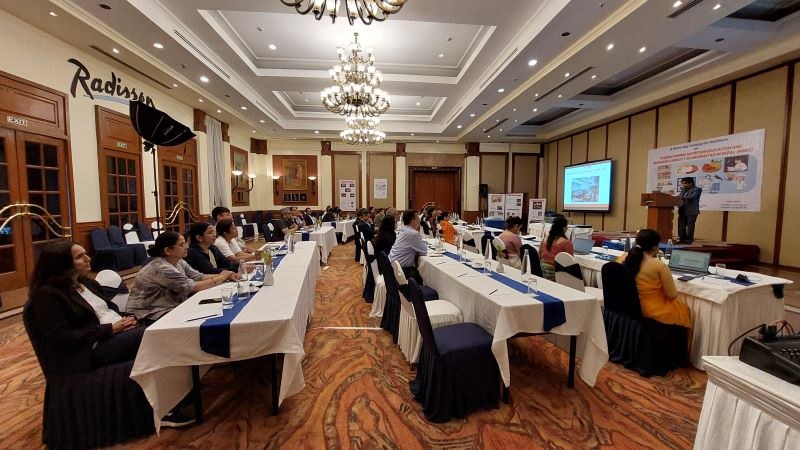
The first presentation, delivered by Tarja Kinnunen, Project Coordinator from Tampere University, provided an overview of the NERC project, including its objectives, funding mechanism, partner institutions, achievements to date, and future plans. The second presentation, delivered by project officer Sabina Sigdel, focused on Work Package 1, which involves the development of the new Nepalese Food Composition Database. The presentation highlighted the work undertaken to compile the database and calculate nutrient values for approximately 1,000 Nepalese foods, as well as plans for training future users of the database and the associated dietary intake calculator.
The third presentation, delivered by Durga Pahari from the Central Department of Public Health (CDPH), focused on Work Package 2, which aims to strengthen the skills of nutrition teachers, students, and practicing dietitians/nutritionists in collecting and analysing dietary intake data. The presentation also highlighted efforts to update teaching content and methods related to food security and sustainable food systems within nutrition education programmes at the CDPH and the Central Department of Home Science (CDHS).
Following the presentations, participants engaged in an open discussion on the project's achievements, challenges, and future directions. Stakeholders expressed strong appreciation for the NERC project and its comprehensive approach to strengthening nutrition education, research, and dietary assessment capacity in Nepal.
A three-day training for dietitians in Nepal (May 2026)
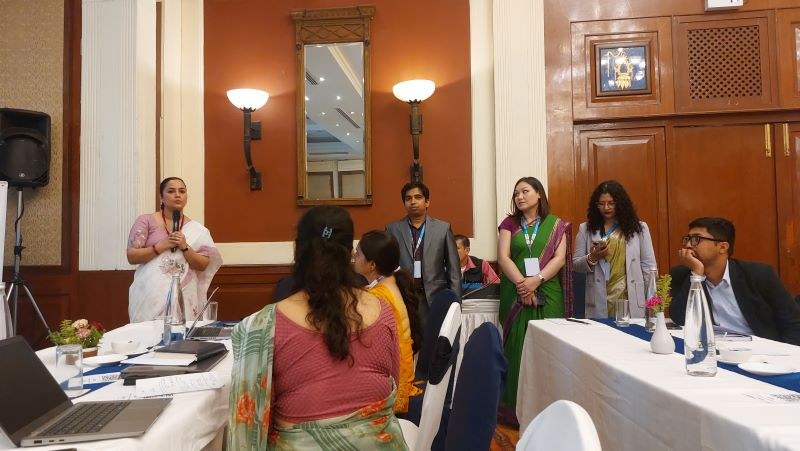
As part of the NERC project, a three-day training programme for dietitians was successfully held in Kathmandu at the Radisson Hotel from 17–19 May 2026. The training was jointly organized by Tribhuvan University’s Central Department of Home Sciences (CDHS) and Central Department of Public Health (CDPH) in collaboration with Tampere University, Finland.
The training brought together nearly 50 practicing dietitians, mainly from Kathmandu valley. The training aimed at strengthening their competencies in dietary assessment. Key topics covered during the training included methods for measuring food and nutrient intake, anthropometric measurement techniques, food composition database theory, food security and sustainable food system. A major highlight of the programme was the introduction of Nepal’s new dietary database, developed to improve the quality and accuracy of dietary assessment for clinical and community use. This tool is expected to support dietitians in conducting more precise assessments of clients’ dietary intake and nutritional status, thereby enhancing the quality of counselling and nutrition care.
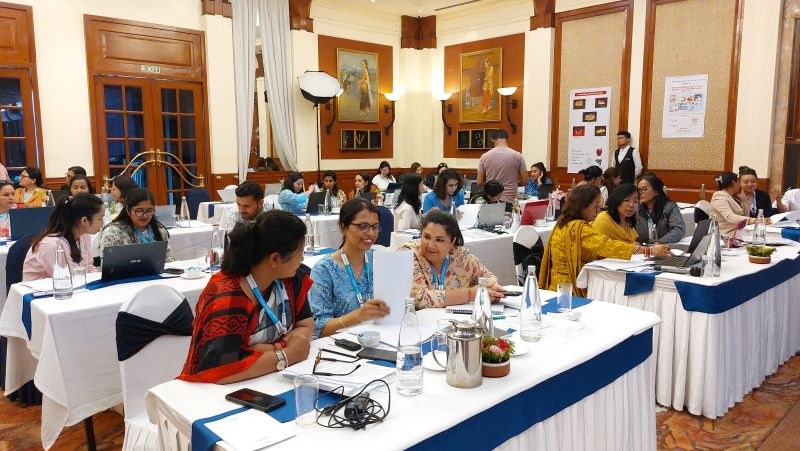
The sessions were facilitated by experts from Tampere University and Tribhuvan University, including faculty members and researchers involved in the NERC project. Throughout the three days, participants engaged in lectures, discussions, demonstrations, and practical exercises designed to enhance their skills in patient and client assessment.
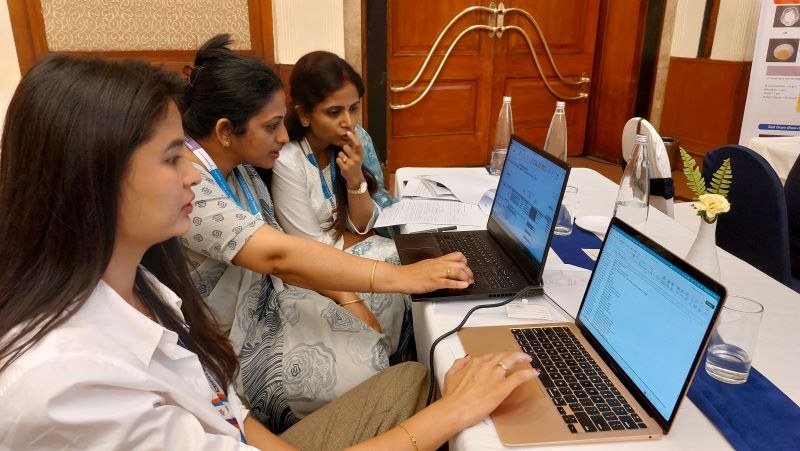
At the conclusion of the programme, certificates of participation were awarded to all participants in recognition of their successful completion of the training. Overall, the training received highly positive feedback from participants, who found the sessions highly practical, relevant, and directly applicable to their daily professional work in patient and client dietary assessment. Participants also expressed strong interest in similar training programmes in the future, emphasizing the value of ongoing learning opportunities to enhance their knowledge and practical skills in nutrition and dietary assessment.
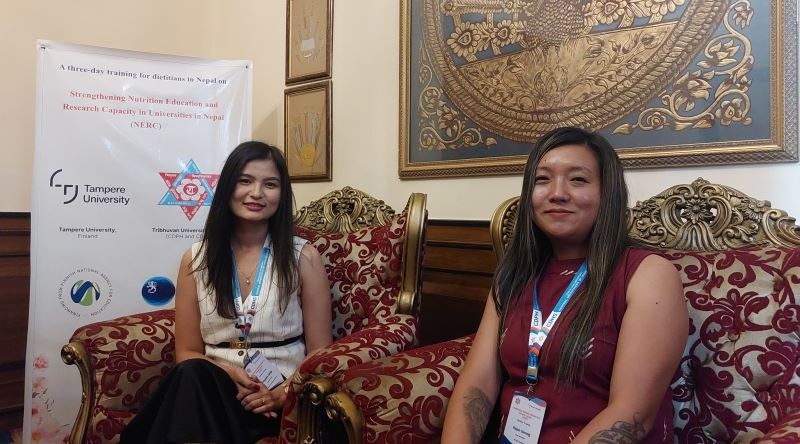
Sibila Subedi, one of the project officers from the CDPH, interviewed four participants on the last day of the training. Shristi Panta, a dietitian working with patients with neurological conditions, was excited about the new food composition database and dietary intake calculator, which enables quick calculation of nutrient intake of her patients, considering also cooked foods that they have consumed. Training days were long, but sessions were very interactive. Sribidhya Raghunathan, a clinical dietitian, suggested having even more practical exercises in possible training programmes in the future.
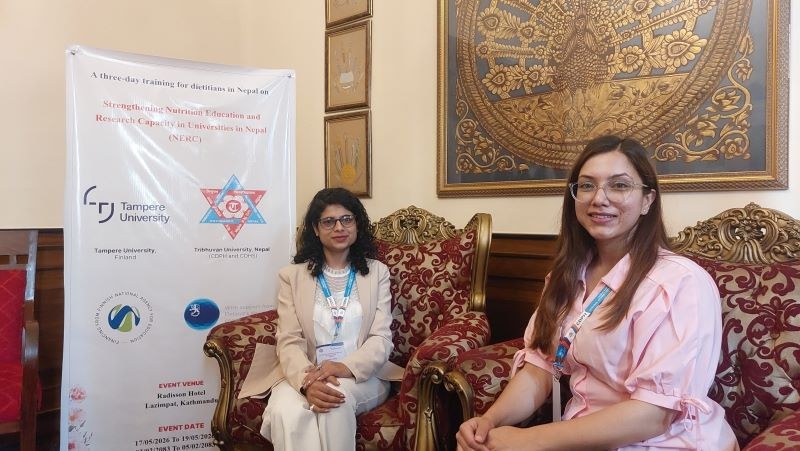
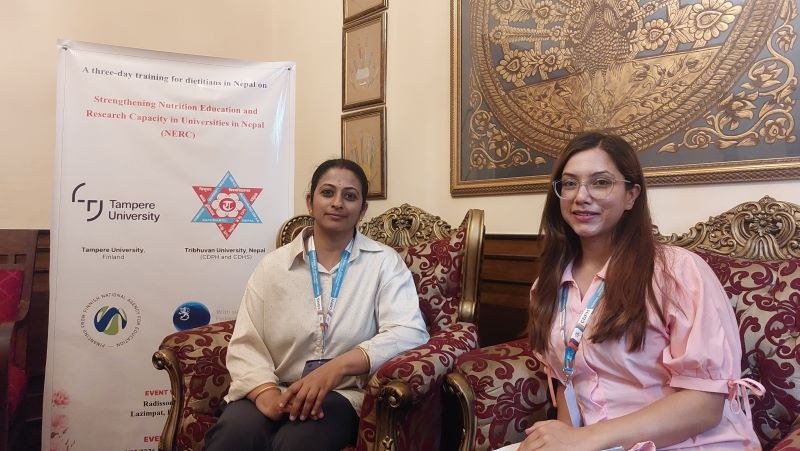
Rojee Gurung, a nurse and a dietitian, learnt many useful things more deeply in this training, for example about the new food composition database and integrated calculator, anthropometric measurement methods, and sustainability of food systems. She found the training days interesting, interactive and informative. They all plan to practice the use of the new tools first and then use them when assessing dietary intake of their patients and more broadly in their work.
Priyanka Sainju, a consultant dietitian, said that the training provided her detailed information on how to assess dietary intake of individuals, and new tools for it, and convinced her that these skills should be practiced regularly. The training days were informative and interactive, especially the practical sessions. Some of the methods might be a bit time consuming as a part of clinical practice.
Exchange at Tampere University (March-April 2026)
Neeti Kayastha, a doctoral student from the Tribhuvan University, participated in doctoral courses at the Unit of Health Sciences, Tampere University. She describes her mobility period as a highly meaningful experience: ”My two-month exchange at Tampere University had a strong impact on me. It was valuable both academically and personally, and I am really gratefulfor the opportunity. Alongside my courses, I also had the chance to take part in NERC project meetings and other academic activities.”
During the exchange, Neeti participated on four courses covering basic epidemiology, qualitative research methos, epidemiology and prevention of infectious diseases, and epidemiologic data analysis using R. Learning R was completely new for her. “At first it felt challenging,” she says, ”but I really enjoyed it and felt happy each time I understood something new and saw how useful it is for data analysis.”
She was particularly impressed by the academic environment at Tampere University. The interactive and student-centered teaching approach, with emphasis on discussion and critical thinking, enhanced her engagement and deepened her understanding of the subject.
The practical arrangements during the exchange supported a smooth stay and allowed full focus on studies. University accommodation and efficient local transport made everyday life easy and stress‑free.
Beyond academics, the exchange offered rich cultural and international experiences. Neeti traveled within Finland and also elsewhere in Europe during the Easter break, broadening her cultural perspective. Several first‑time experiences made her stay especially memorable. “Seeing snowfall in early spring and experiencing Finnish sauna culture were both new for me,” she recalls. One particularly special moment was witnessing the Northern Lights for the first time.
Living independently in a new country was not always easy, but it became an important part of the learning process. Neeti reflects that the experience strengthened her confidence and independence: “Every small challenge was worth it, and each day taught me something new.”
Overall, the two‑month exchange was short but impactful. It combined academic growth with personal development and cultural discovery, leaving Neeti with lasting skills, memories, and motivation for the next stages of her doctoral journey. “I am truly grateful to all those people who made the experience warmer, easier, and more special”, Neeti concludes.
Visitors at Tampere University (January 2026)
As part of the mobility programme of the NERC project, three colleagues from Tribhuvan University came for a visit to Tampere University in January. Sushan Shrestha, a biostatistics teacher from the Central Department of Public Health (CDPH), will stay in Tampere until the end of April to attend doctoral courses. The other two, Santosh Giri and Anil Kumar Singh, stayed for two weeks and wanted to share their experiences before returning to Nepal. They followed different doctoral and master level courses and had discussions with several teachers and researchers during these weeks.
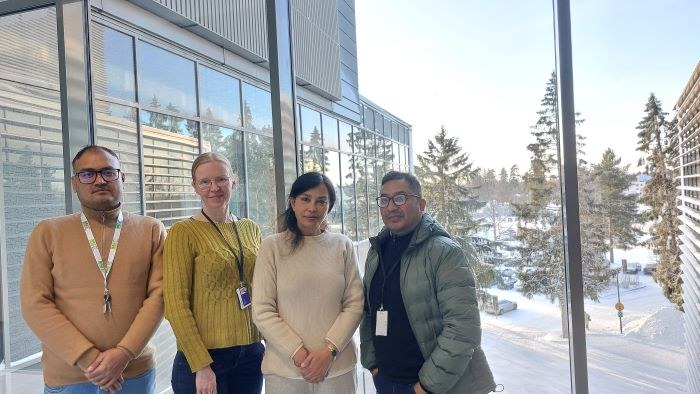
Santosh Giri, the head of Central Department of Home Science, summarised her experience at Tampere University as follows: “From the very beginning, the academic environment, well-planned infrastructure, punctual professors, and innovative teaching methods showed me why Finnish education system is admired worldwide. It was impressive how strictly yet smoothly teachers handled students’ presentation time in the classroom and managed tasks after lectures. Learning alongside students from different countries, sharing ideas and expertise in a fully engaged classroom, was a remarkable experience. The warm smiles and friendly greetings from both teachers and students made us feel completely included, never as outsiders.“
Anil Kumar Singh, another biostatistics teacher from the CDPH, was impressed by the interactive lectures and integrated group work sessions. He says: “The lectures provided us with opportunities for learning, discussion and exchange of ideas. The diverse background of the participants also helped make the discussions fruitful and informative. During the group work process, everyone had opportunities to ask for guidance from the faculty members. With some stress, hard work, and sense of competitiveness, all groups presented assigned work.”
He continues: “Overall, all lectures were highly informative, educational, motivating, and so interactive. What I enjoyed most was the discussion-based learning approach and practical exposure. I would like to thank Tampere University for providing me with the opportunity to observe a variety of courses, to expand my knowledge and skills, and to meet several faculty members.”
January began with cold weather. Santosh describes: “My experience at Kauppi Campus was truly inspiring and unforgettable. The first few days felt adventurous, as we experienced −21°C temperatures for the first time. This was something unimaginable to me as I reside in the capital city in Nepal.” Anil continues: “I am experiencing subzero temperature for the first time and truly enjoying playing and having fun in the snow. This visit helped me to learn about Finnish culture and food, and we visited some places during the weekend.”
Santosh concludes: “Healthy meals and the peaceful, supportive environment brought back the joy of being a student again. I am deeply grateful to Tarja and all the stakeholders for making this meaningful experience possible.”
Attending European Public Health Conference in Helsinki (November 2025)
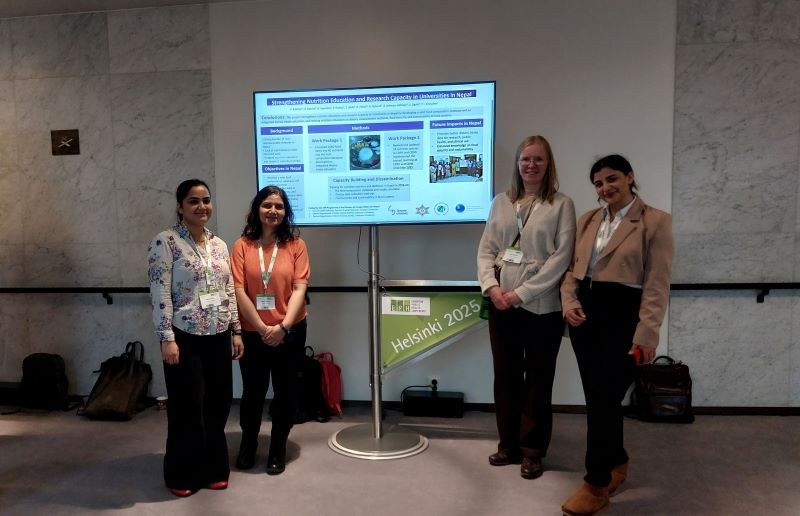
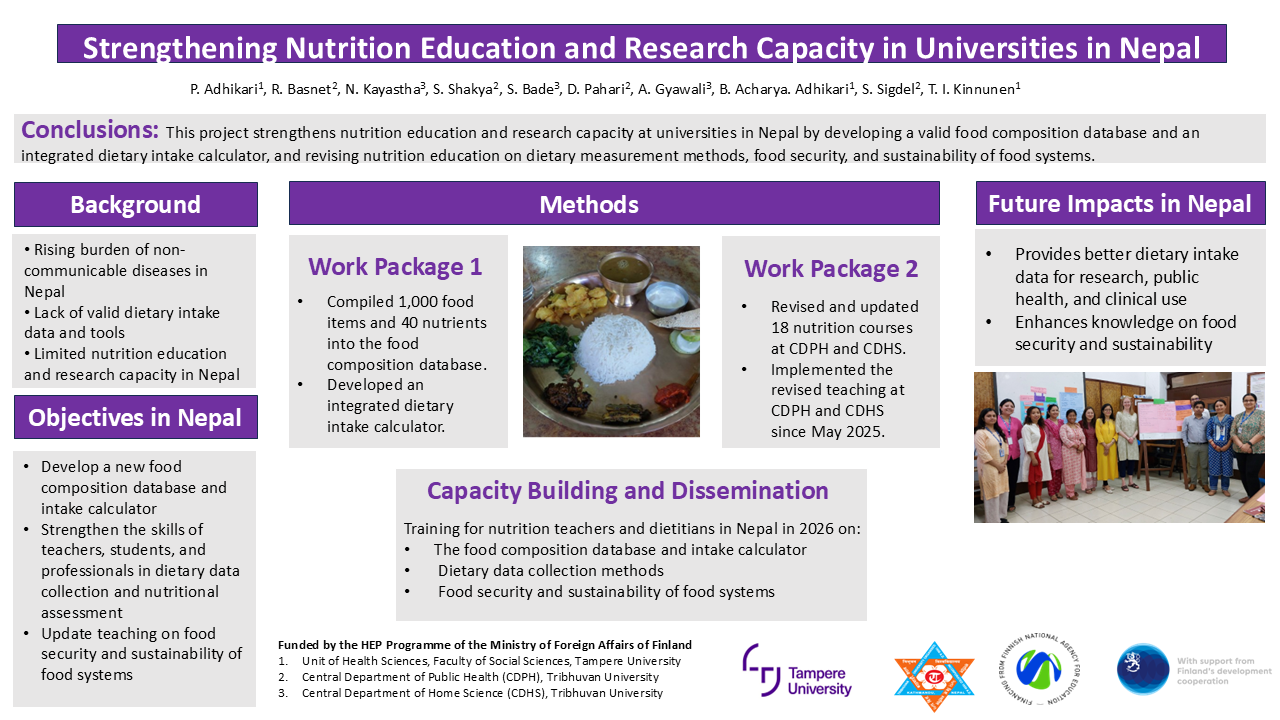
NERC-team members from Finland participated in the European Public Health Conference in Helsinki in mid-November (https://ephconference.eu/). The conference programme was divided into about 16 parallel tracks and poster presentations. A part of the presentations were related to nutrition topics. There were about 3000 delegates from 88 different countries in the conference - the days were lively and filled with many different interactions. The NERC team had a poster presentation. Photo, from left: Praju Adhikari, Bidhya Acharya Adhikari, Tarja Kinnunen and Armineh Rajabi in front of the NERC project poster.
Erasmus Intern in Finland (August – November 2025)
Let’s hear our intern’s story from her experience in our project at Tampere University:
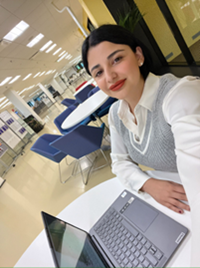
Hello! My name is Armineh Rajabi, and I joined the NERC project as an Erasmus+ intern from August until mid-November 2025. I am a public health nutrition student at Hacettepe University, in Turkey.
First, I would like to express my gratitude for this opportunity to spend three months contributing to such a meaningful project. During my internship, I assisted the project team with various tasks, including taking meeting notes, preparing a poster presentation for the EPH Congress in Helsinki, writing blog posts for the website, and helping with journal selection and article preparation.
At the beginning of my internship, I familiarized myself with the project goals and existing data, completed the FAO Food Composition course, and learned about nutrition education in Nepal. In addition, I participated in team meetings, prepared meeting memos, and wrote content for the project’s website and social media.
I also tested the new dietary intake calculator and wrote a report reflecting my experience as a dietitian using it for the first time, evaluating whether the results produced were reasonable and user-friendly.
Beyond my work, I also had the chance to travel around Finland, explore beautiful Tampere, and learn about Finnish culture and cuisine.

This internship has been a very valuable experience for me. I learned a lot about food composition data, nutrition education, research, teamwork, and international collaboration. I truly enjoyed being part of a team that works to strengthen nutrition education and research capacity in Nepal.
Finally, I would like to express my heartfelt thanks to Tarja, my supervisor, for her support, and to the entire NERC project team for being so kind, helpful, and welcoming throughout my stay.
Updates from Kathmandu (October 2025)
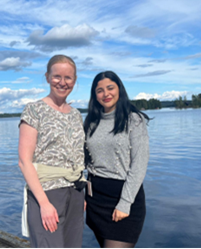
The NERC project coordinator Tarja Kinnunen from Tampere University visited Kathmandu in mid-October 2025. The week was full of meetings with the Nepalese partners and stakeholders. On one day, NERC team members from the two partner departments got together to plan the trainings which we will organize in Kathmandu in May 2026. Nutrition teachers from other Nepalese universities and members of Nepal Dietitian Association will be invited to these trainings. The trainings will focus on the use of the new food composition database and integrated dietary intake calculator, as well as teaching of dietary data collection methods, food security, and sustainability of food systems. The NERC team teachers also made plans for writing a journal article about the work that we do to strengthen nutrition teaching in universities in Nepal.
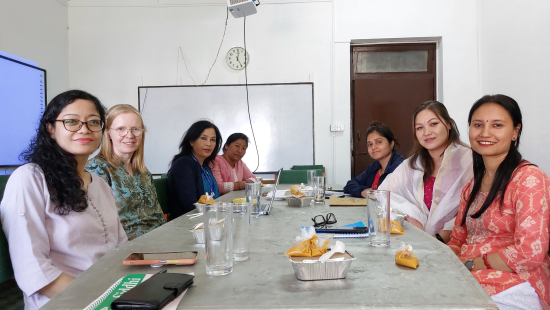
On 16th October, the NERC team members Rojina Basnet, Sabina Sigdel and Tarja Kinnunen visited the Nutrition Section of Family Welfare Division under Department of Health Services, Ministry of Health and Population, in Kathmandu. The team met members from the Nutrition Section, including public health officers, nutrition officers and nutrition specialists. The meeting was chaired by the Nutrition Section Chief, Mr. Lila Bikram Thapa. The NERC team gave a brief presentation of the project and talked about the ongoing food composition database and the dietary intake calculator in more detail. After the presentation, the discussion also focused on possible ways for the wider dissemination and use of the database among different stakeholders. The Nutrition Section Chief expressed that Nutrition Section will no doubt be one of the potential users of the database and support the promotion and advocacy of the use of the food composition database.
Tarja Kinnunen also visited the Embassy of Finland and shared the status and plans of the NERC project with representatives of the Embassy. They were supportive and shared their interest in participating in forthcoming stakeholder meetings and trainings arranged by the NERC team.
14th International Food Data Conference in Rome (September 2025)
In the beginning of September, Project Officers Praju Adhikari and Bidhya Acharya Adhikari and Project Coordinator Tarja Kinnunen from Finland attended the 14th International Food Data Conference hosted by the Food and Agricultural Organization (FAO) headquarters in Rome.
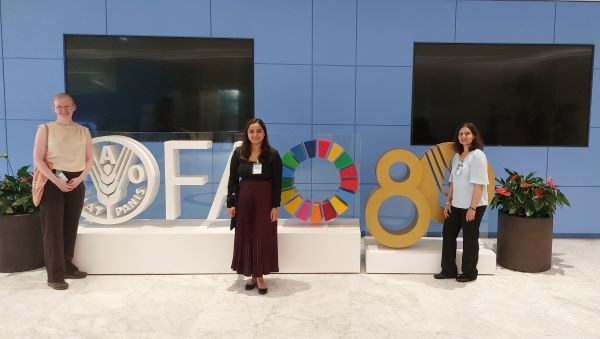
Our abstract, “Development of Nepali Food Composition Database with Integrated Dietary Intake Calculator,” was selected for oral presentation at the global conference. Praju Adhikari delivered the presentation, which was followed by an engaging question and answer session with the audience. The work received appreciation from international experts and colleagues in the field of food data, recognizing our progress in developing a comprehensive food composition database and intake calculator for further research in Nepal. This achievement highlights our team’s growing contribution to global food data initiatives and reinforces the importance of advancing food composition data related work in Nepal.
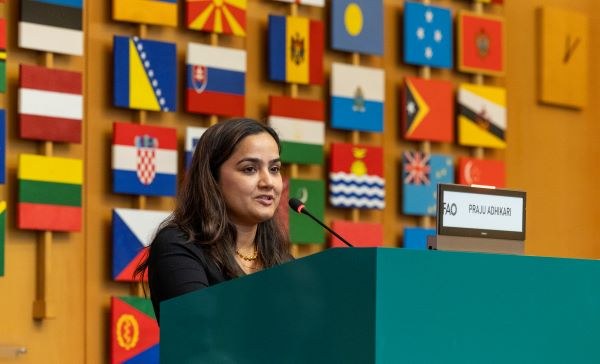 Photo: FAO, Giulio Napolitano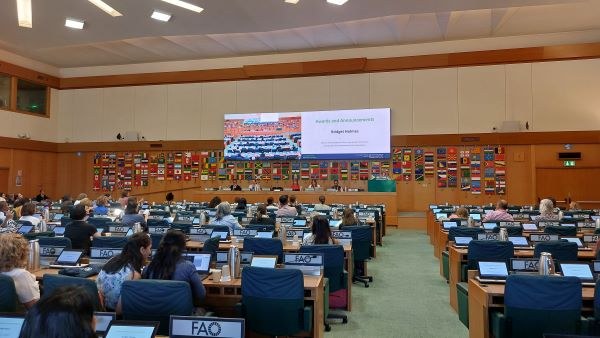
Teaching and learning experience on a revised course at the CDHS (September 2025)
In line with the NERC project’s goals to strengthen nutrition education and capacity building within Nepal’s universities, significant strides have been made to enhance curricula and provide essential resources at the Central Department of Home Science (CDHS). Recently, the department has implemented a revised course on anthropometric measurement for second-semester Master’s students. Feedback has been collected from both teachers and students to support further development and improvement.
Teachers’ experience on implementation of a revised course
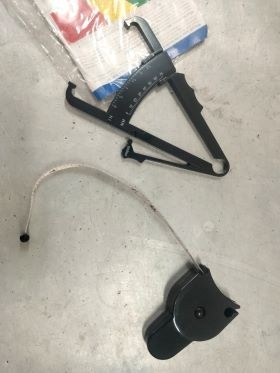
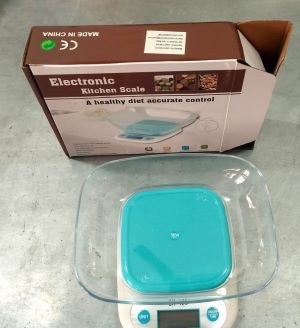
The responsible teacher has integrated both updated theoretical content and practical applications when teaching anthropometric measurement methods. The project’s provision of calibrated anthropometric equipment (including digital weighing scales, stadiometers, skin fold calipers, and MUAC tapes) has enabled effective hands-on learning. Previously, the limited availability of equipment constrained student practice, impacting their ability to master techniques and build confidence in using them. With access to the newly supplied tools, the teacher has observed marked improvements in student participation, measurement accuracy, and learning during practical sessions.
Feedback from the teachers shows that anthropometric measurement methods are now taught in a more organized and relevant way than previously, with a strong emphasis on skill development using better equipment. This improvement directly addresses previous limitations and supports the project’s goal of building technical capacity among future nutrition professionals in Nepal.
Learning experience of students
Students have expressed enthusiasm for the revised course and the opportunity to practice with actual measurement instruments. The availability of equipment has made learning more engaging and effective, and better preparing them for fieldwork and clinical practice. While students appreciate these advances, they also suggest purchasing more equipment to allow more students to practice simultaneously and reduce waiting times during sessions.
Highlights from implementing a revised course at the CDPH (August 2025)
As part of the NERC project, teacher Rojina Basnet from the Central Department of Public Health (CDPH) recently implemented a revised course focusing on dietary assessment methods. The updated course places strong emphasis on both theoretical knowledge and hands-on training to better prepare students for real-world applications in public health nutrition.
Key Highlights of the Practical Sessions
Students practiced conducting one-on-one 24-hour dietary recall interviews, learning techniques to probe for accuracy, minimize recall bias, and capture portion sizes. Through role-play and peer-to-peer exercises, they gained confidence in collecting valid and reliable dietary intake data. During the feedback on the 24-hour dietary recall, most students reported difficulty in estimating portion sizes and recalling the exact household measures used.
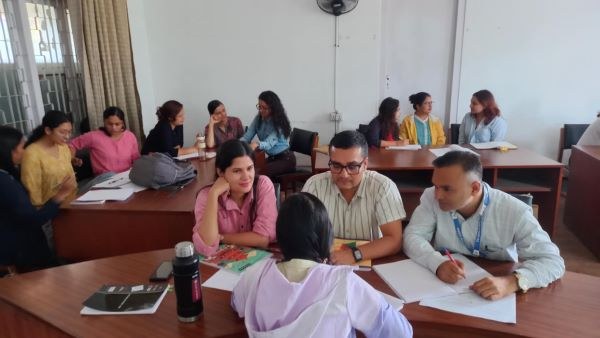 Photo: Rojina Basnet
Students were introduced to the food diary method, where they were provided with structured forms to take home and record their dietary intake. To ensure variation, half of the students were asked to complete the diary for weekdays, while the other half recorded their intake over the weekend. They documented all foods and beverages consumed during the specified period. After completing the task, students reviewed their own forms, practicing how to check for completeness and assess the quality of self-reported dietary data. Students reported challenges in accurately measuring portion sizes and mentioned that carrying the forms while eating in different settings was inconvenient. They also expressed feeling self-conscious during meals because they had to record their intake.
Regarding the food frequency questionnaire method (FFQ), students were asked to fill up the forms in the classroom. The session on FFQ provided exposure to administering questionnaires that capture habitual dietary patterns of the previous one month. Students engaged in exercises to adapt FFQs to local food cultures, ensuring cultural relevance and accuracy in dietary assessment. Students shared that they found it difficult to recall the food items they had consumed over the past month.
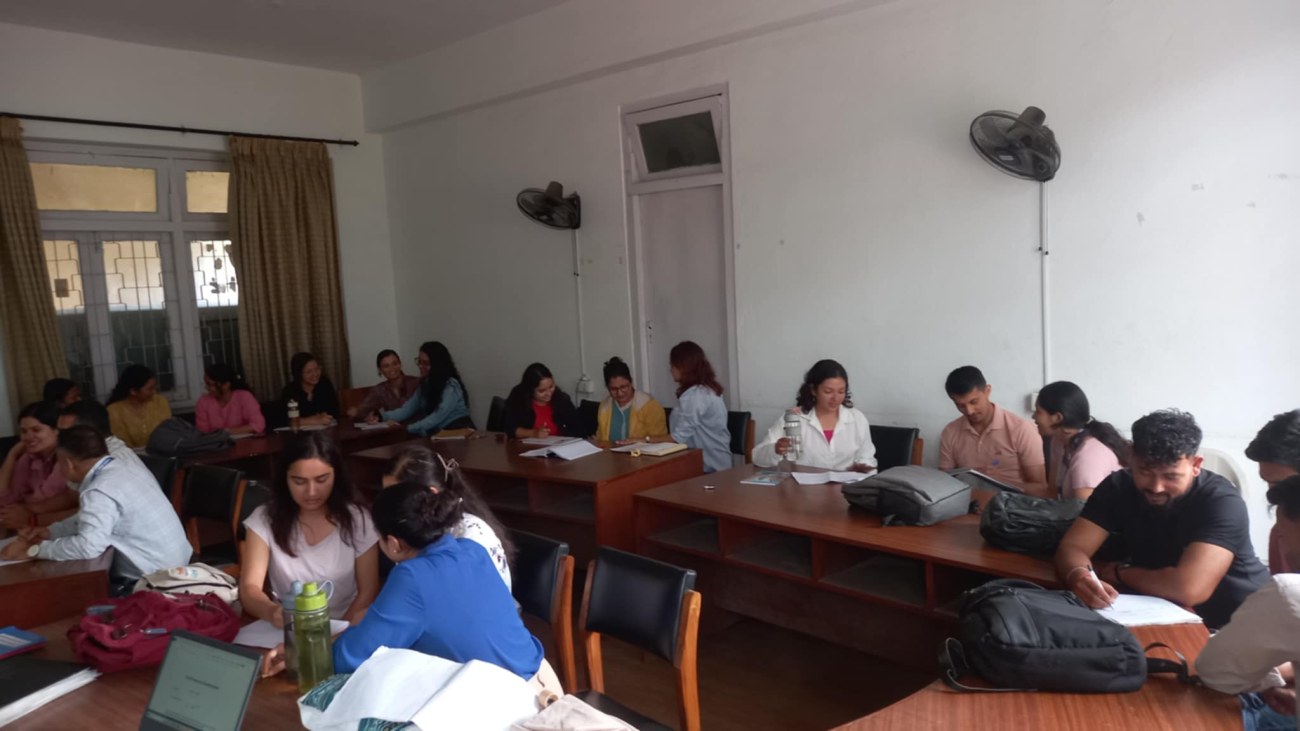 Photo: Rojina Basnet
Reflections from the experience
The implementation of the revised course not only enhanced technical skills but also encouraged critical thinking about the strengths and limitations of each method. Students reported that the practical sessions made the learning process more engaging, allowing them to connect classroom concepts with field applications. Improvements were observed in students’ confidence with both the theoretical and practical aspects of the dietary assessment methods.
This experience highlights the value of integrating practice-based learning into nutrition education. The sessions helped students to get hands-on expertise in dietary assessment tools. Thus, the revised curriculum has contributed to providing a more accurate and context-specific resource for our department.
Stakeholder meetings in Nepal (April and May 2025)
Nepal Dietitians Association
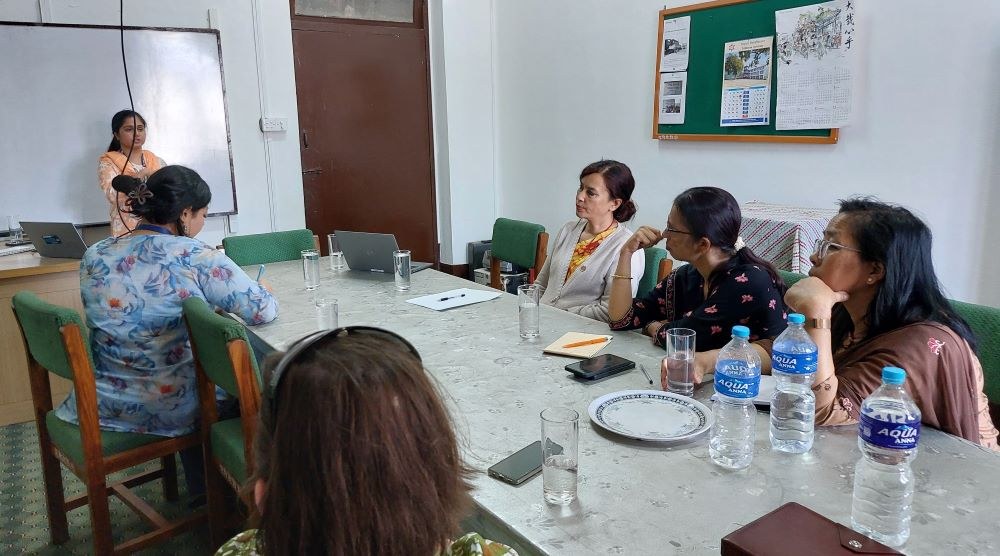
The President Nani Shova Shakya and Secretary Binita Pant from Nepal Dietitians Association visited the Central Department of Home Science in Kathmandu on 25th April. They met the NERC project team and heard about the work we have been doing to develop a new food composition database and intake calculator for Nepal. They were interested in our work and found it a useful tool for dietitians’ work in the future. We discussed how they usually measure dietary intake in clinical practice. They shared some concerns regarding dietary measurement and gave us a few suggestions for further development of the database.
Department of Food Technology and Quality Control
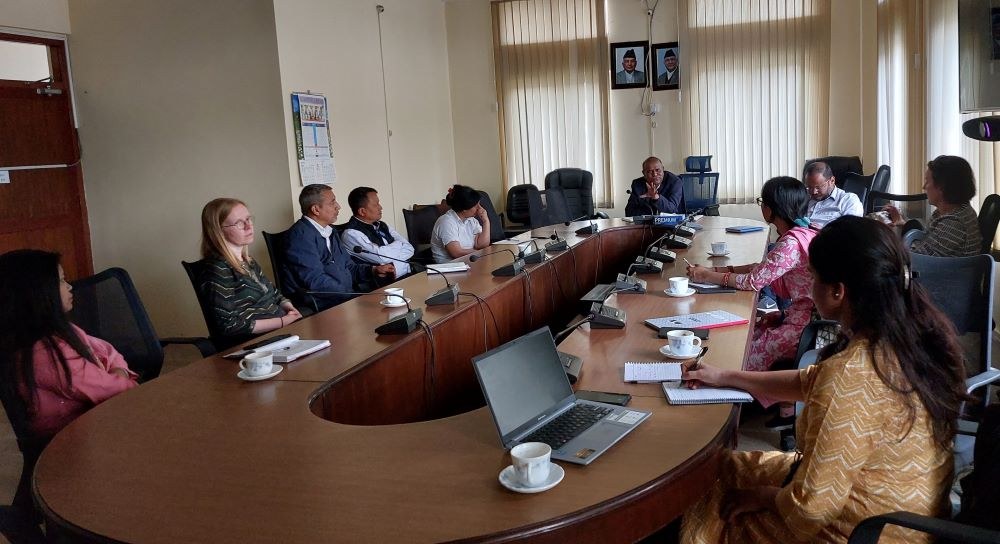
On 27th April, a few of our team members visited the Department of Food Technology and Quality Control in Kathmandu. This organization is responsible for maintaining the Nepalese Food Composition Table. Tarja and Sabina introduced the NERC project, particularly our food composition database work, to six staff members and they had an opportunity to ask questions and comment on our work. The main feedback was that they would like to start negotiating an official agreement between our institutions soon. This agreement would specify the roles and responsibilities of each institution with regard to the new food composition database.
Pokhara University and Gandaki Medical College
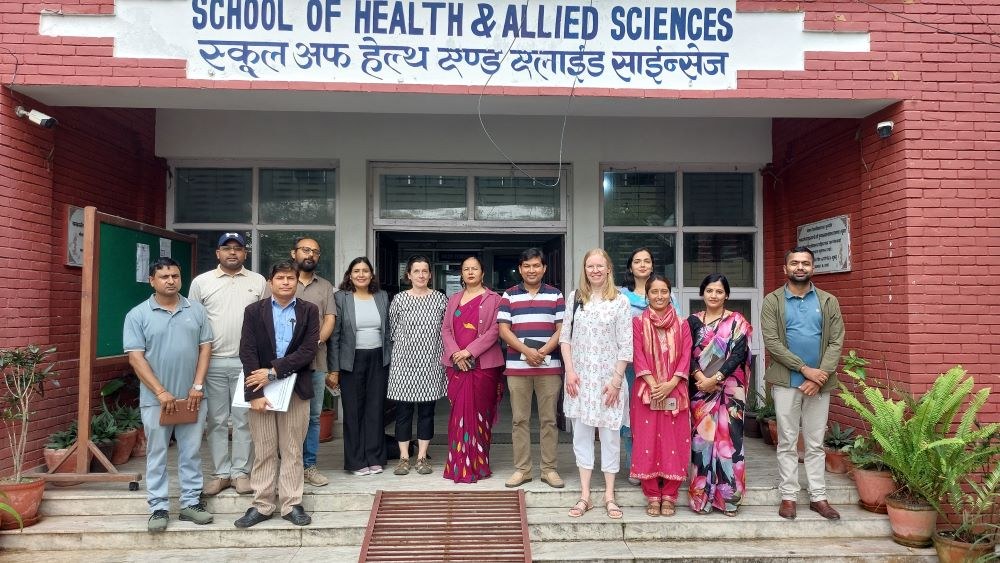
On 6th May, project board member Meri Koivusalo and project coordinator Tarja Kinnunen visited two institutions in Pokhara, Nepal. Gandaki Medical College Teaching Hospital and Research Center is a Tribhuvan University affiliated college with multiple clinical programs including a bachelor and a master’s program in Public Health. Pokhara University’s School of Health and Allied Sciences also provides master's and bachelor's degree programs in Public Health, alongside other health science programs. Tarja gave a brief overview of the NERC project to the representatives at these institutions, which was well received. They also discussed the nutrition contents of the health science programs at both colleges. Informally, both institutes expressed their interest in supporting the project.
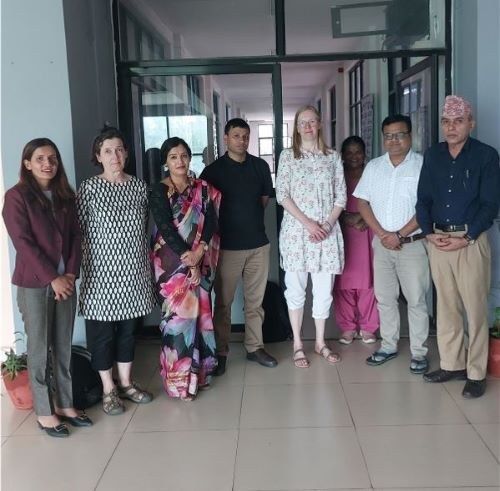
A 6-day training for teachers at Tribhuvan University (April 2025)
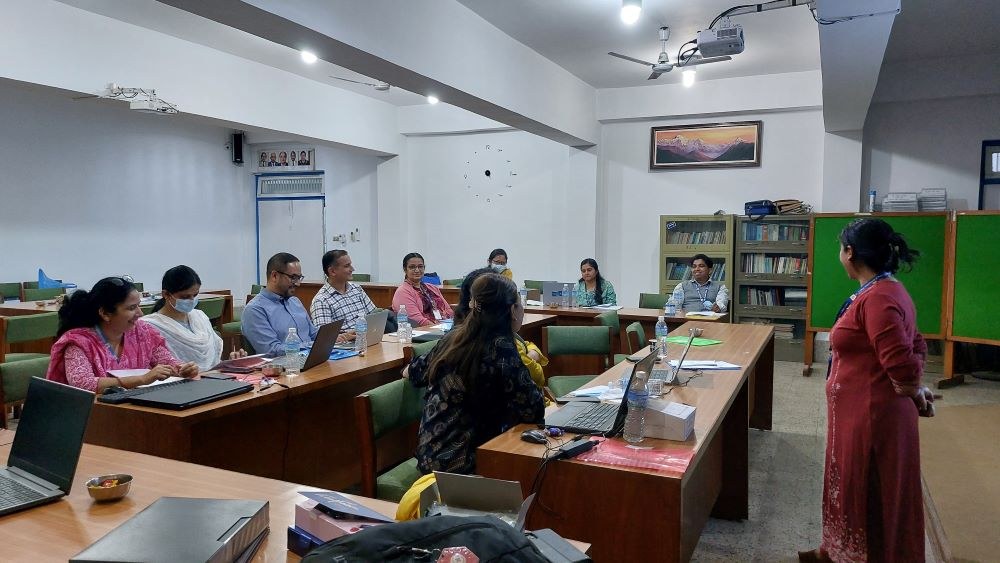
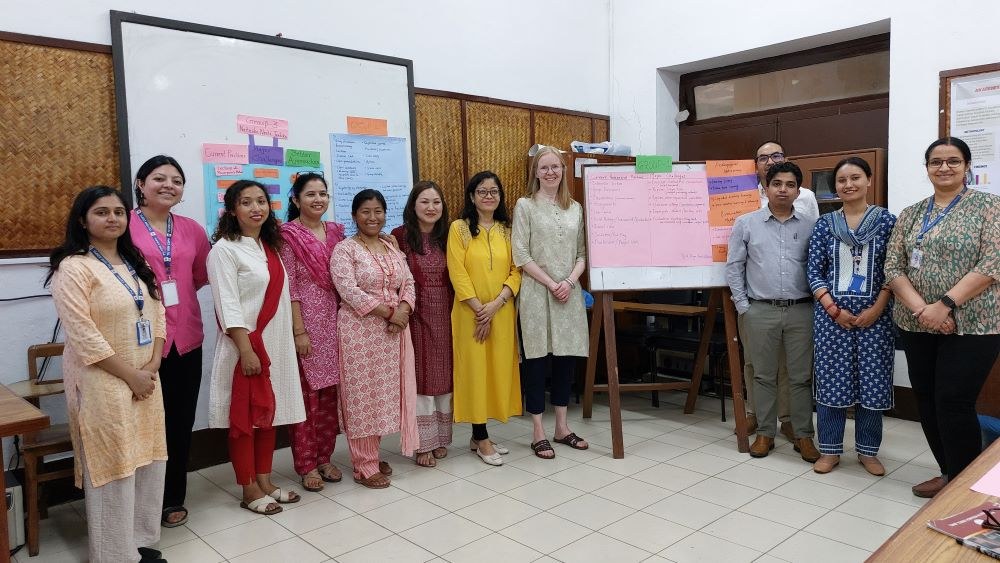
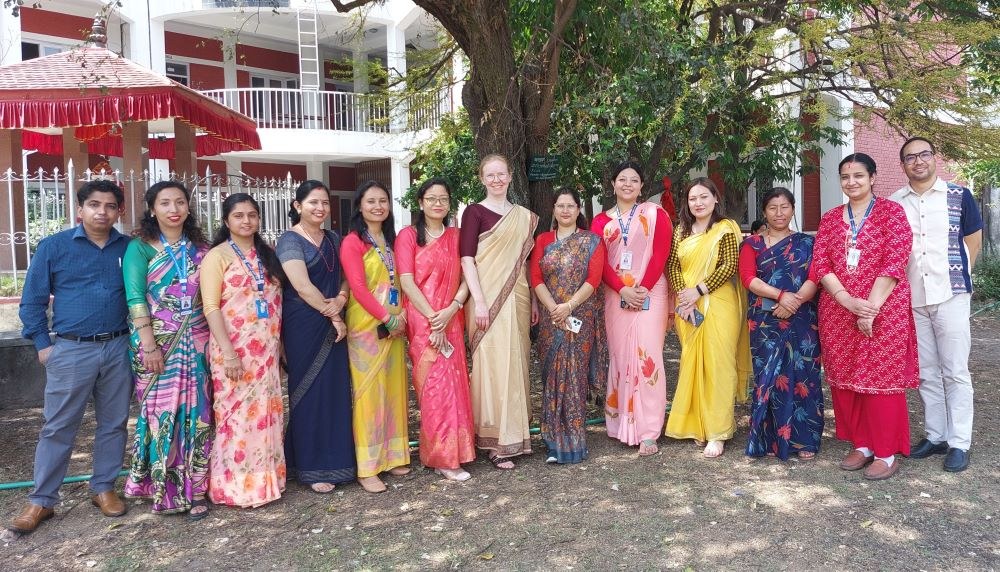
We successfully conducted a 6-day training for teachers at Tribhuvan University, with a total of 15 participants representing our partner departments (Central Department of Home Science and Central Department of Public Health). Project coordinator Tarja Kinnunen and board member Meri Koivusalo from Tampere University visited Kathmandu for the training. The Nepal-based project coordinators, supervising teachers, project officer and intern were also actively involved. The training focused on three key areas: dietary assessment methods, food security, and the sustainability of food systems. The 6-day program included a combination of lectures and practical sessions, held over three days at each department.
The intensive training days started with lectures on the themes of the day, followed by practical sessions for the same, mostly facilitated by the NERC project team. The topics covered were measurement of food and nutrient intake using 24-hour dietary recall, food frequency questionnaire, and food diary. Anthropometric measurement methods were also described during lectures and demonstration of different tools such as mid-upper arm circumference tape, stadiometer, and length/height board.
Furthermore, the global and national status of food security and sustainable food systems were explored via lectures and discussions of relevant literature. Another important component of the training was the introduction of the new food composition database, where the work undertaken by the project officers was highlighted and the new Excel-based dietary intake calculator was used for practical exercise. As one of the focus areas of the NERC project is development of teaching, the training also had workshops on pedagogical methods and the implementation of the revised courses. The 6-day training concluded with a lecture on global food policy and politics by Professor Meri Koivusalo.
Based on anonymous feedback collection, the participants generally had a positive outlook toward the training. We were also pleased to receive constructive feedback about both the content-related matters and practical arrangements of the training. There were also evaluative comments regarding dietary intake calculator, and we hope to address them in the future.
An intern in Nepal (March - May 2025)
Natasha Chand, a master's student from Tampere University, joined the NERC team as an intern for three months (March - May). Her primary tasks revolved around the dietary database work, and facilitation of communication during a 6-day training. Her first week of work was at Tampere University, after which she was stationed at one of the partner departments, the Central Department of Public Health, Tribhuvan University. To get familiar with the food composition database work, she first took the FAO online course on Food Composition Data (https://elearning.fao.org/course/view.php?id=191). Then, she mainly documented detailed information on the earlier recipes that have been compiled and calculated by the project officers and made necessary updates to them. For the database, she also took photographs of industrialized foods and documented them for reference. She participated in team meetings for both work packages and prepared meeting memos. She assisted in practical arrangements related to the 6-day training. She also wrote content for the project website and social media. For the last week of her internship, she returned to Finland and wrapped up her tasks.
Update on development of teaching (February 2025)
Since September 2024, we have been revising the detailed learning objectives, course contents, literature, and teaching methods of nutrition courses at the CDHS and CDPH to align with the latest research and best practices. Our focus is on content related to dietary measurement methods, food security, and the sustainability of food systems. The revised courses will provide students with a holistic perspective, combining theoretical knowledge with practical applications. In April 2025, our project will arrange a 6-day training course for nutrition teachers at the CDHS and CDPH to ensure that they are equipped to implement the revised courses in the next academic year.
One of the objectives of our project is to support vulnerable student. After discussing different options, we decided to install vending machines in female toilets at the CDHS and CDPH to sell affordable sanitary pads and tampons. This initiative will help female students attend classes during their menstrual periods. Administrative staff will manage refills, ensuring continued use after the project ends.
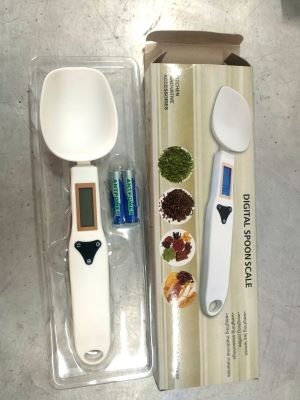
To support the delivery of the revised courses, we have purchased new books, equipment, and tools that facilitate hands-on learning and research (see the photos).
Food composition database taking shape (February 2025)
We have developed a common documentation template and guidelines to record all the information compiled from different sources for the food composition database work. Proper documentation is crucial to assess the validity of the database. We have also been actively involved in all the background work necessary for the development of the food composition database. For example, we have consulted food composition data experts from the Food and Agriculture Organization (FAO), National Institute for Health & Welfare (THL in Finland), and Quadram Institute (in the UK) regarding calculation, compilation and other details of dietary database work.
In addition to a valid national food composition database, researchers and dietitians need suitable software or a tool for calculating the dietary intake of individuals based on the foods and drinks they have consumed over multiple days. When the project started, we had identified one affordable software that might have been suitable for dietary intake calculation in Nepal. After all, the software had many limitations and did not suit our purposes. We decided to hire a data layout strategist, Rupak Basnet, to develop an Excel-based user-friendly dietary intake calculation interface. The new interface will be equipped with the new food composition database and all the necessary information needed for calculating dietary intake of individuals in Nepal.
Nepalese partners visiting Tampere (September 2024)
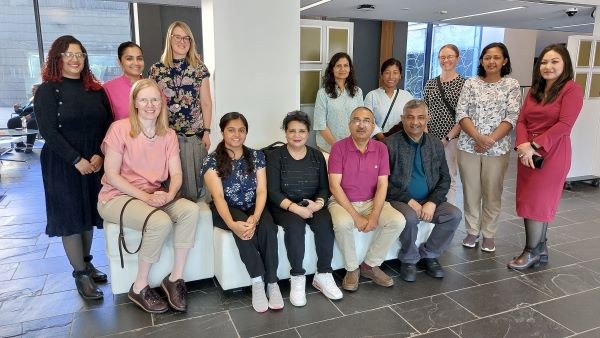
The NERC project team members and project board members from the two partner departments of Tribhuvan University came for a visit to Tampere University in September. The Nepalese board members Amod Poudyal, Jaya Laxmi Pradhan and Narayan Khanal met the Finnish board members Meri Koivusalo and Salla Atkins for the first time face-to-face. The project coordinators, project officers and supervising teachers presented the progress made to date, shared the challenges faced and discussed the future plans with the board members.
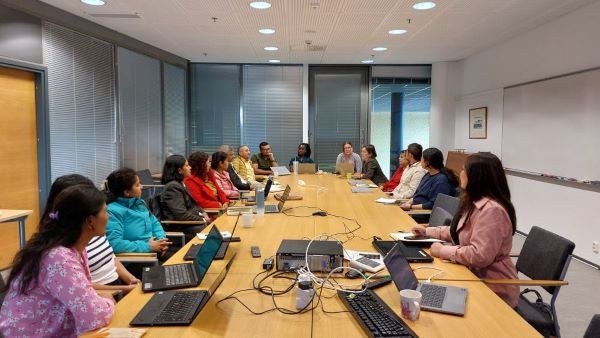
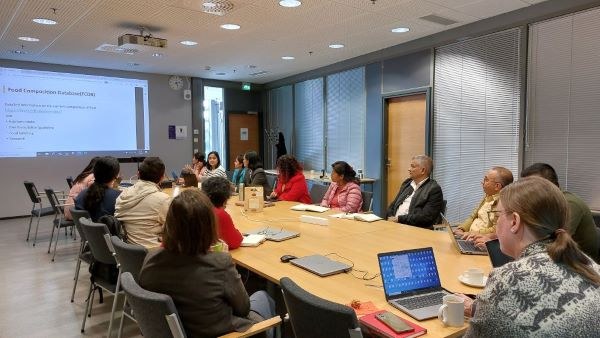
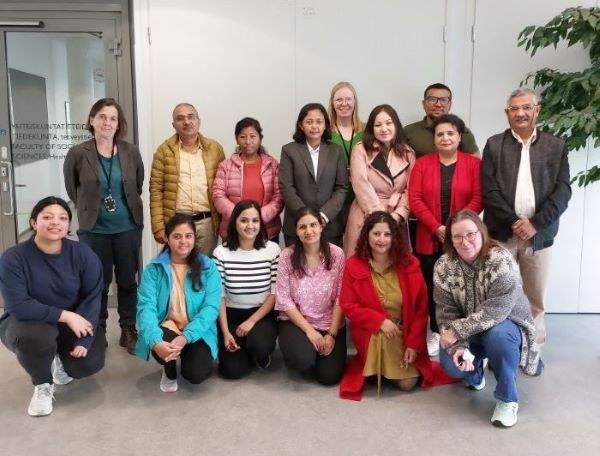
On 6th September, the whole project group visited the funder’s representatives at the Ministry of Education in Helsinki. This was the first physical meeting with Anne Peltonen, Sanna Takala and Maija Airas. We presented the progress in the NERC project so far and got some valuable feedback from them. In the afternoon, we visited the National Institute for Health and Welfare and met Finnish food composition database expert Heli Reinivuo and other senior team members Heli Tapanainen and Suvi Virtanen. Our project officers presented our Nepalese food composition database work to them in more detail. We discussed many questions and got good technical suggestions for solving some challenging issues.
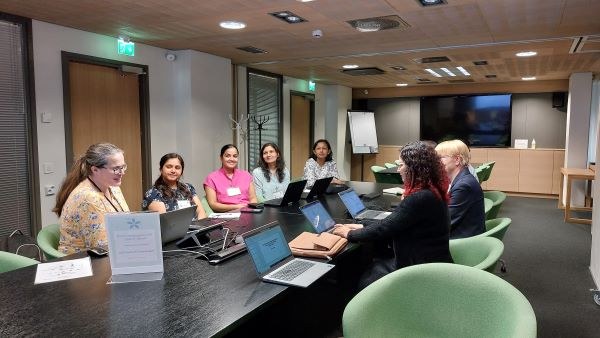
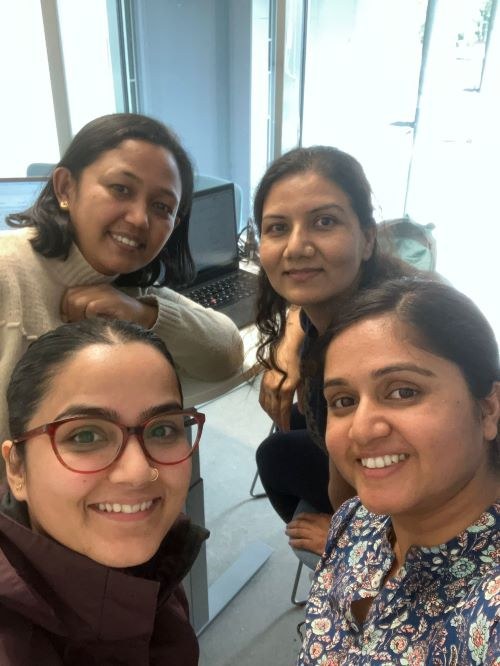
The project officers started working on finalizing the documentation process of the food composition database work. We reviewed the previously calculated recipes and their documentation. A common template was developed to document all steps of the recipe calculation work in a uniform and precise way. We also reviewed various guidelines (published by the Food and Agriculture Organization and European Food Safety Authority), food composition tables and scientific articles regarding food classification and descriptions used. This enables us to code food items and calculate recipes for our food composition database in a scientific and accurate way.
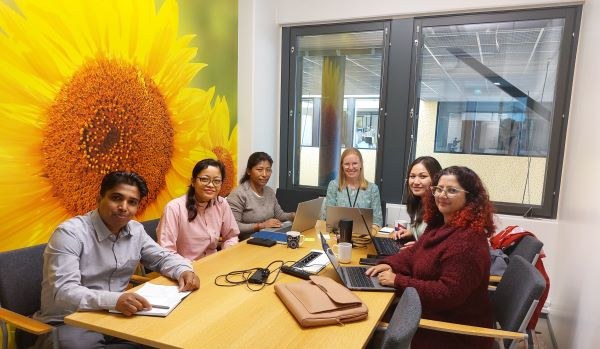
During these weeks, the NERC project teachers focused on curriculum development of courses related to dietary measurement methods, food security and sustainable food systems. We reviewed the current curricula of the partner departments, identified courses related to these three topics, assessed the objectives and contents of the courses, and made suggestions how to revise the contents. We reviewed the teaching and learning methods on those courses and discussed possibilities to improve them further. We also planned what new equipment to purchase for the implementation of the revised courses and how to support vulnerable students in the partner departments.
Meeting partners in Nepal (March 2024)
The project team from Finland visited Nepal for two weeks after the training course in Hyderabad, India. They met the project board members, coordinators and supervising teachers from the Central Department of Public Health and the Central Department of Home Sciences. Meetings involved discussions on the project contracts, selection of project workers and planning the project work.
There was a vacancy announcement for NERC project workers in Nepal on a national daily newspaper. We received a significant number of applications. Tarja, Praju and Bidhya interviewed the shortlisted candidates at the Central Department of Home Sciences. Sabina Sigdel and Prativa AC Achhami were selected as project workers for our project, and they started calculating the nutrient contents of Nepali dishes from the beginning of May.
Training course in Hyderabad, India (February 2024)
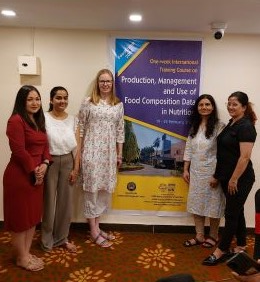
From 19th to 24th February, 2024, Tarja Kinnunen, Praju Adhikari and Bidhya Acharya from Tampere University, and Neeti Kayastha and Aruna Gyawali from Central Department of Home Sciences, Tribhuvan University participated in a week long course “Production, management and use of food composition data on nutrition” organized by South Asian Association for Regional Cooperation (SAARC) FOODS regional center in association with Indian Council of Medical Research, and National Institute of Nutrition, in Hyderabad, India.
It was a great learning opportunity right at the beginning of the project. We completed the pre-assignment, attended lectures and participated in group tasks, discussions and presentations on topics regarding every step involved in development of a food composition database. There was a separate session for recipe calculation which is the backbone of our project. We got an opportunity to ask questions, learn from experts and tell them about our work. We also built connections with experts in the field of food composition database development which will be very useful for us in the future.