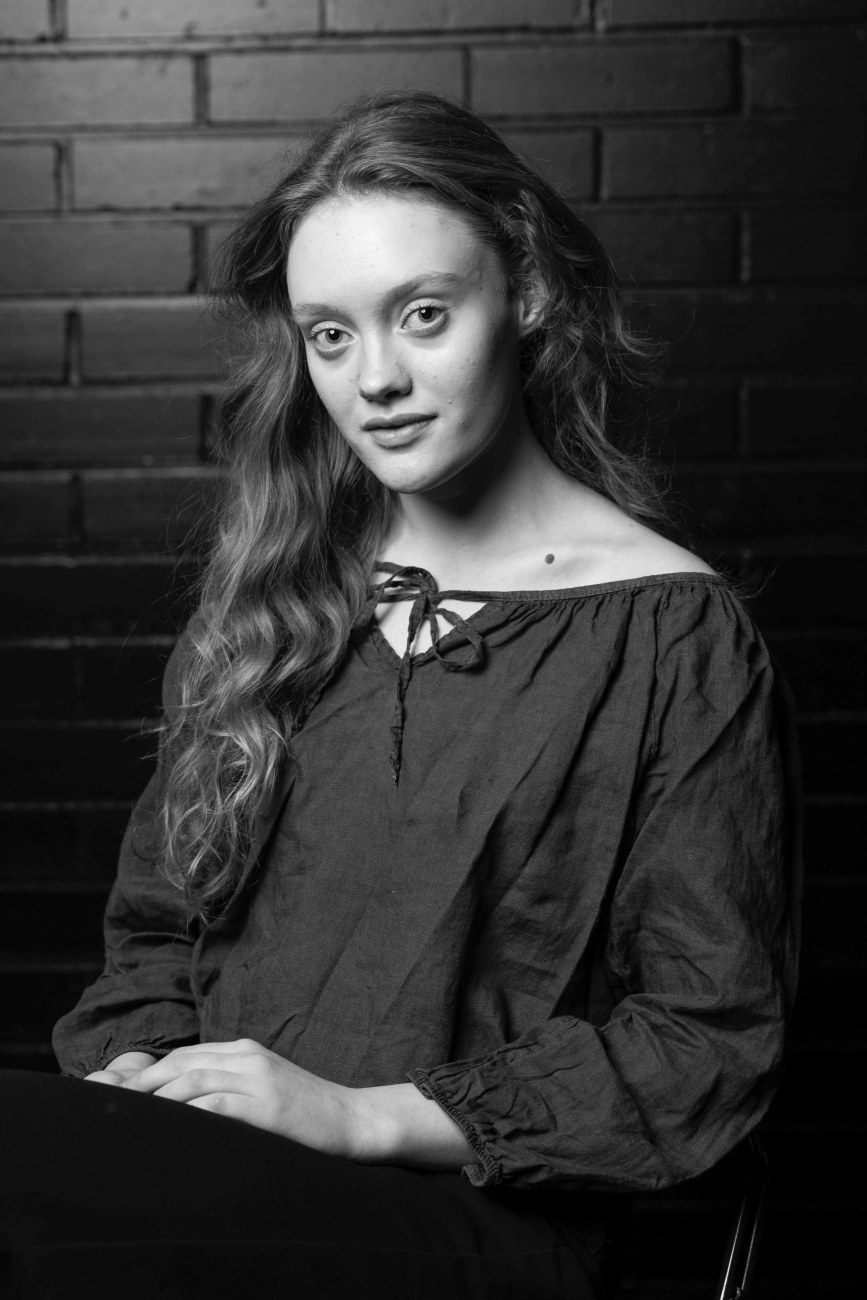
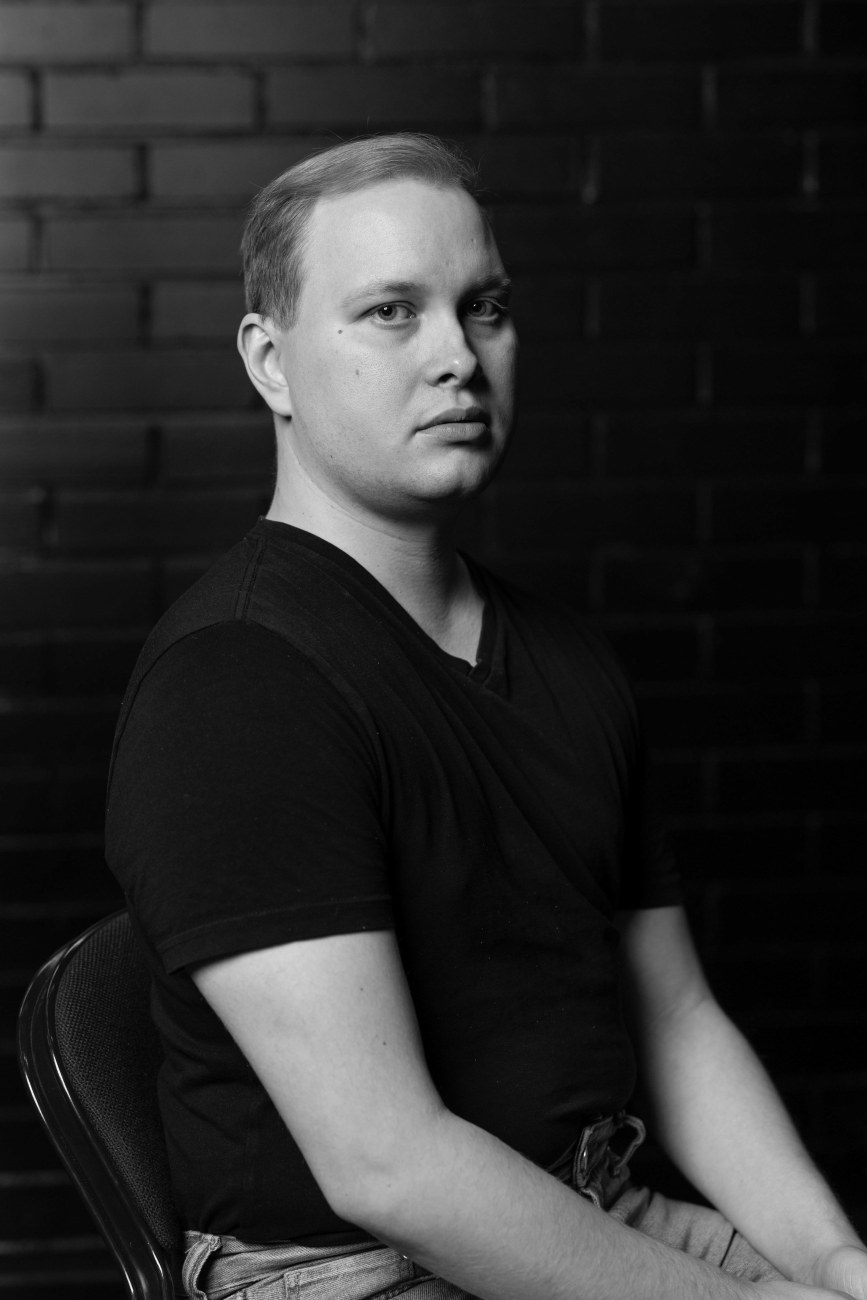
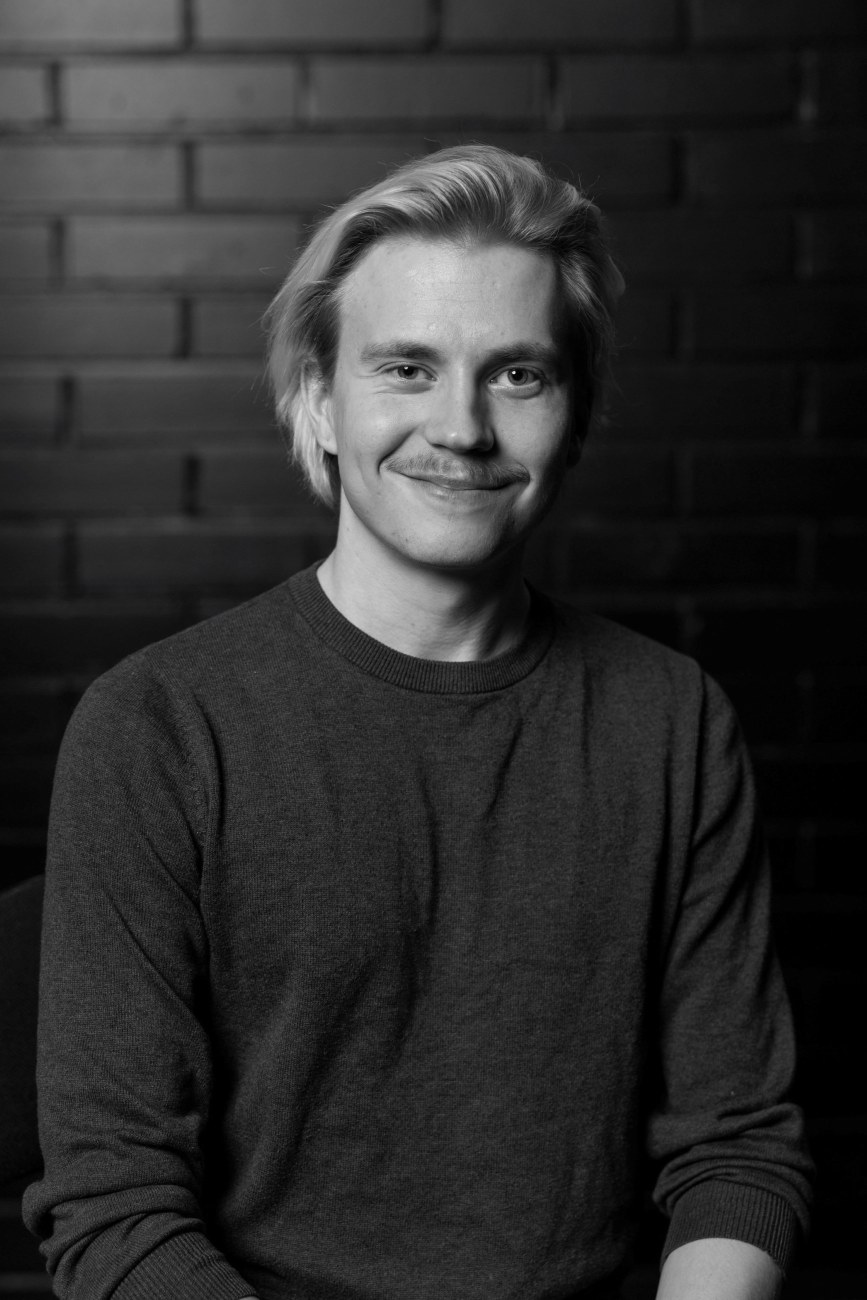
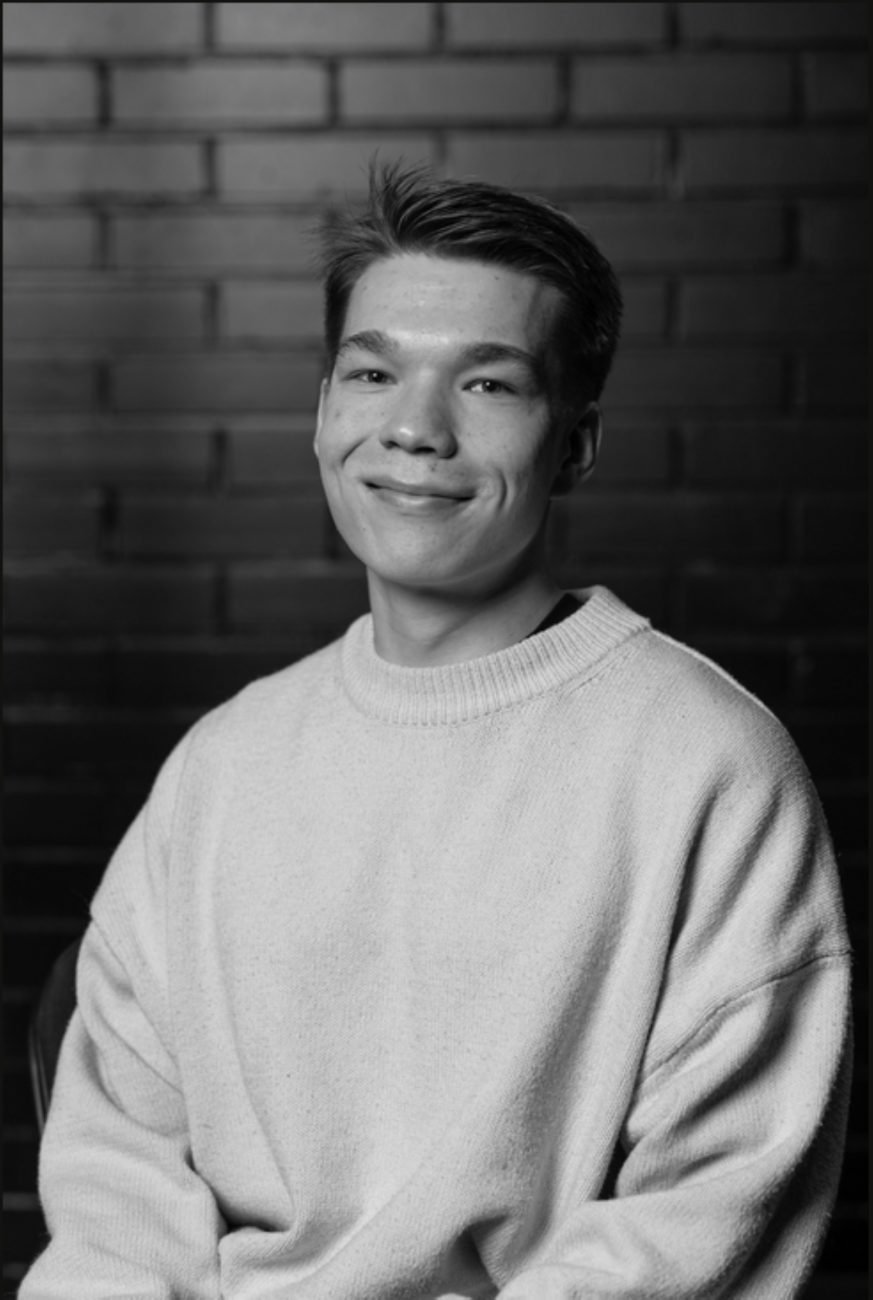
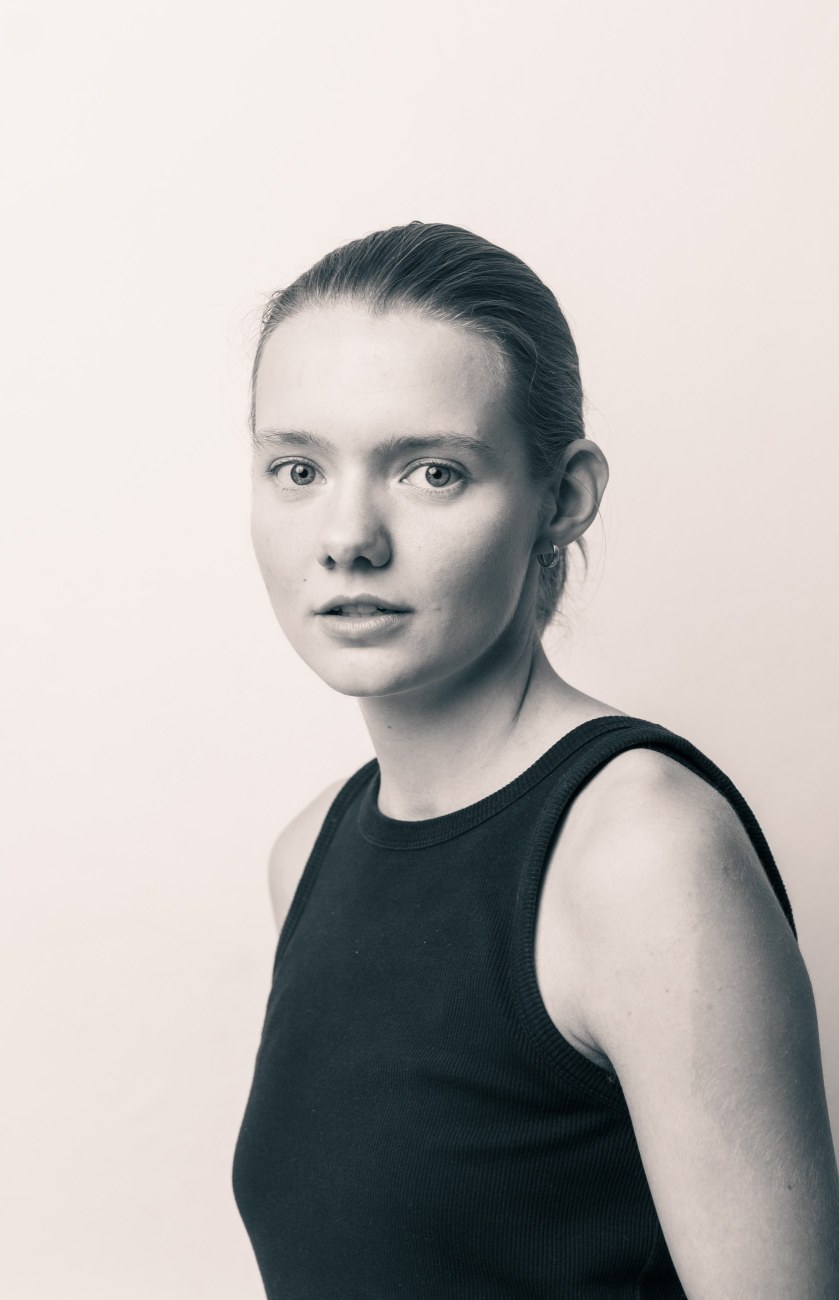
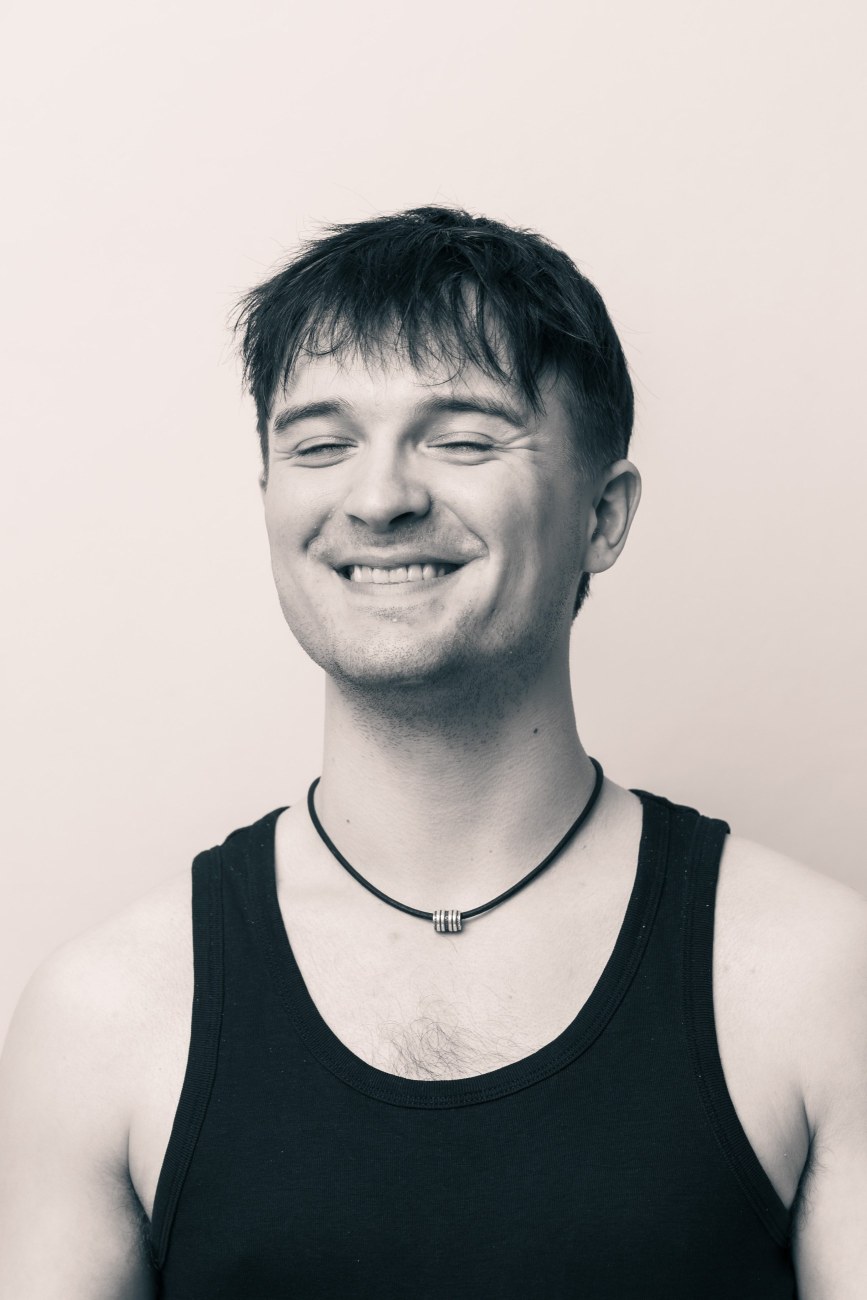
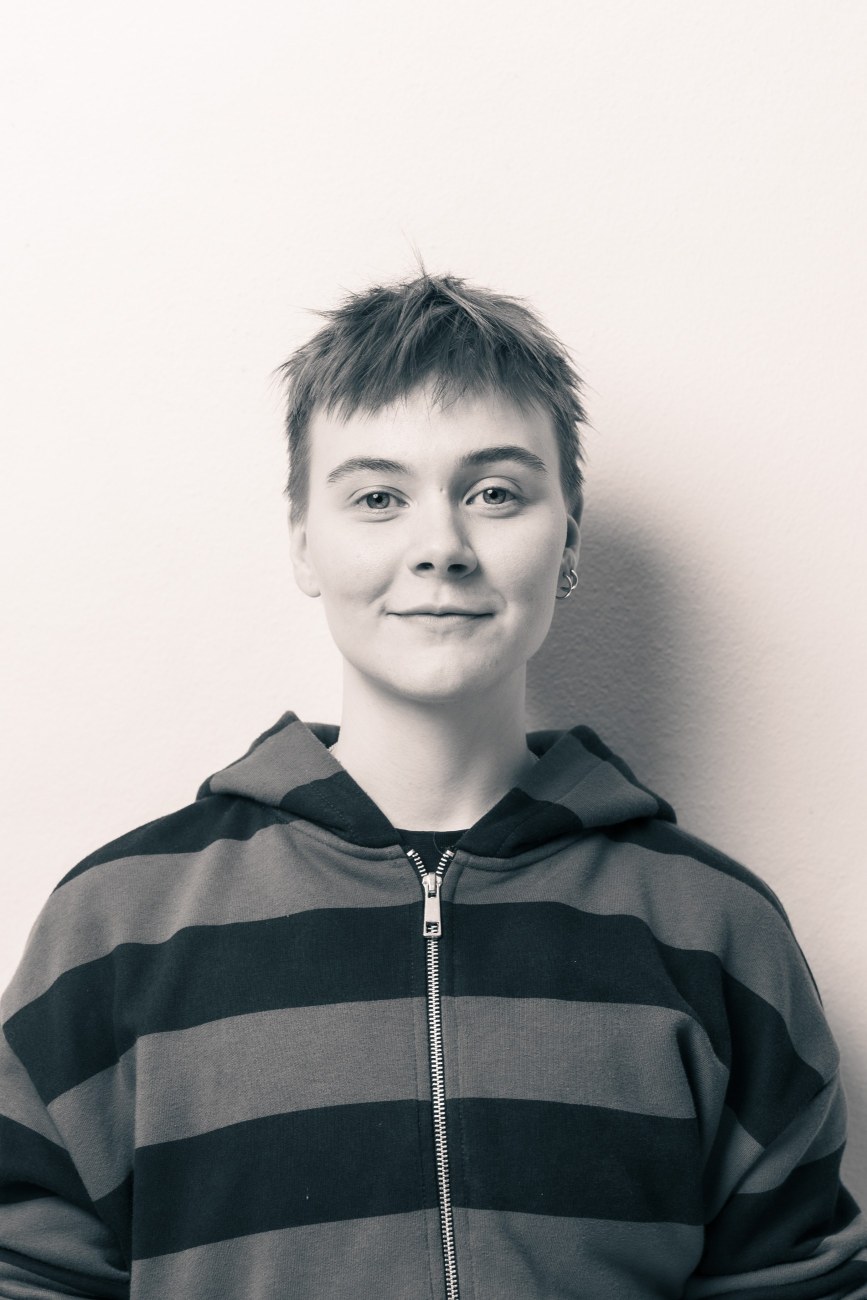
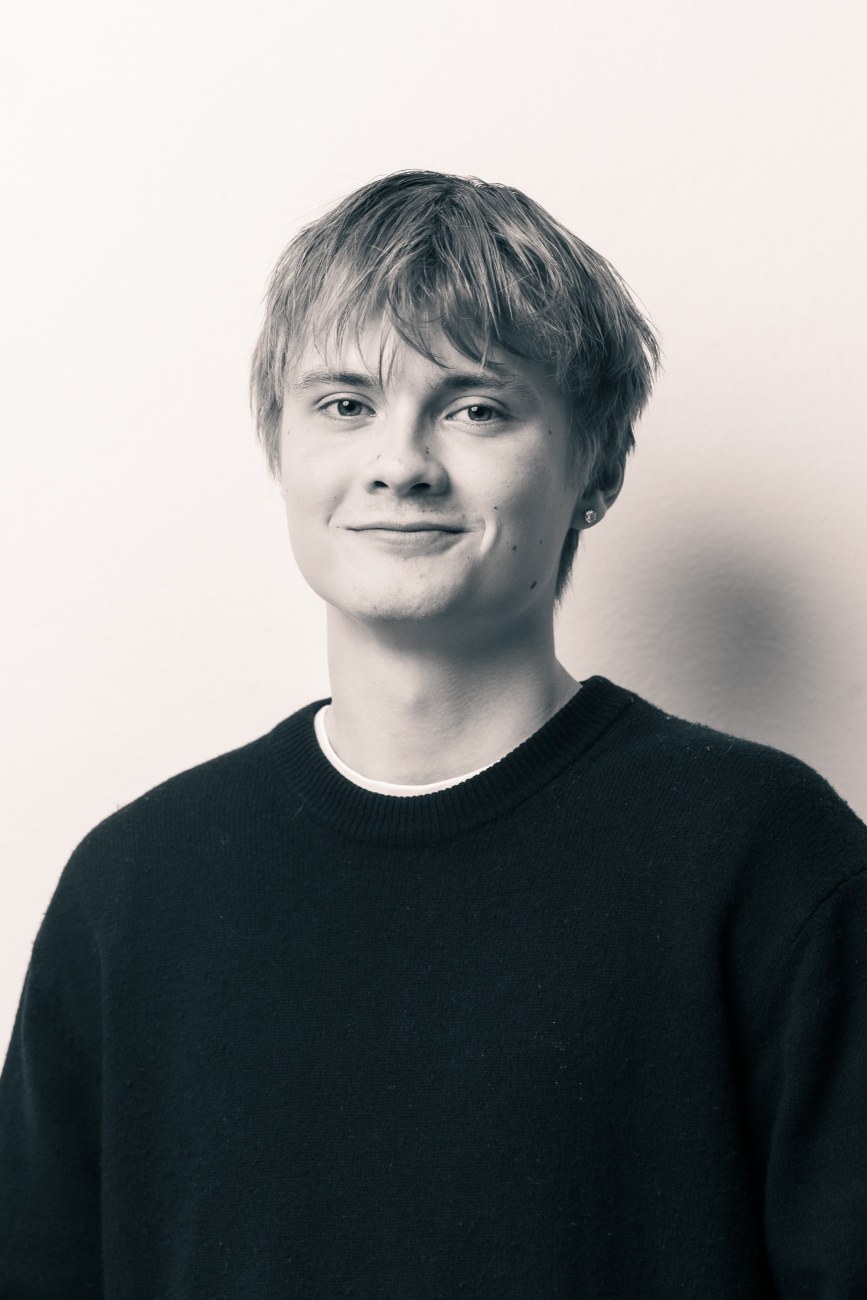
The University of Tampere’s first professional acting course, which lasted two and half years, started at the beginning of 1967, at the initiative of the University’s drama studio (Draamastudio), which had been established in 1960. Ultimately, twenty-three students had the chance to visit the most modern stage in Finland, Teatterimonttu, in the new wing of the University of Tampere, under the leadership of Matti Tapio.
The idea of academic theatre training had already been discussed in the 1950s, both at the Theatre School in Helsinki (Helsingin Teatterikoulu) and at Tampere. Eino Salmelainen and Sakari Puurunen, the managers of Tampere’s theatres, had honed their own theatre thoughts competitively, but in cooperation, with the support of other directors and local theatre influentials, such as Olavi and Verneri Veistäjä. Its partial outcomes were not only the victorious era of modernism in the Tampere theatre scene in the late 1950s, but the drama competition that brought new Finnish works and writers to the fore and the idea for the establishment of Draamastudio, the rules of which were drawn up in 1960, as well as the shape of Teatterimonttu.
According to its rules, Draamastudio was a research, experimentation and training institute in the sector of dramaturgy and other theatre work, which were experiencing strong growth in the 1960s. Draamastudio, which focused particularly on stage direction, had nevertheless organised actor classes alongside a seminar for young directors and what was referred to as the theatre seminar since the summer of 1961. They quickly replaced the summer courses at Sääksmäki organised by the actors’ union, which had previously played an important role for actors, and were supported by the smooth cooperation between instructors and students based in both Tampere and Helsinki. In 1964–1965, the Faculty of Humanities in the School of Social Sciences, the predecessor of the University of Tampere, began offering a degree in theatre arts, corresponding to a degree offered by the academic department of Teatterikoulu, established in 1962, at the University of Helsinki. The need for trained actors in addition to directors and playwrights was nevertheless obvious. A goal-oriented idea on the initiation of actor training at the University of Tampere was born as early as in 1965.
Starting from the second professional acting class, the training aimed at a four-year Bachelor’s degree. Until 1985, new students were not admitted before the previous class had graduated. In 1967–1978, the training, at the time still called the professional acting course, was conducted under the management of Matti Tapio. Director Mikko Majanlahti’s activities had been significant already at Draamastudio and during the planning phases of the actor training. The University of Tampere became state-owned in 1974 and made the operations part of the Arts Department in 1976, which meant that training was increasingly integrated with the University’s other subjects. The manager of actor training at the Arts Department in 1978–1981 was Mikko Majanlahti.
An interesting change took place in 1981, when the Theatre Academy Act and the recommendation of the theatre industry’s working group on the Government Decree on University Degrees enabled the establishment of a permanent acting training programme at the Department of Arts of the University of Tampere. The training programme received a professorship for Theatre Arts in 1983, opening up the possibility of gaining autonomy from the Department of Arts. The training switched to a practice in which two classes studied simultaneously, with responsibility for the training being shouldered variously by director Jarmo Nieminen, speech technology and verbal expression lecturer Marja-Leena Haapanen and director Mikko Viherjuuri. Director Kaisa Korhonen was invited to become the first Professor of Theatre Arts in 1984. A year later, Lasse Lindeman was selected as the manager of the training programme and 1987 finally saw the establishment of an independent Department of Performing Arts, or NÄTY, which was also provided with additional premises at Hämeenpuisto. Hannu Lauri took over the professorship after Kaisa Korhonen, for 1989–1994.
In 1993, the department finally invited Yrjö Juhani Renvall to become the Professor of Theatre Arts, a position which he held for 22 years, starting the work by partnering up with director Hanno Eskola. In many ways, the initial phase of Renvall’s tenure marked the establishment of the ways of working applied at the independent NÄTY as well as the permanence of its personnel and position, and NÄTY’s conscious and extensive effort to connect itself into the service of the Finnish field of theatre. In addition to the requirement of a five-year Master’s degree, Renvall set his goals to include the production of post-graduate studies at Tampere. Ilari Nummi, Tiina Syrjä and Mikko Kanninen received their doctorates in Theatre Arts at NÄTY, in 2007 (Nummi and Syrjä) and 2012 (Kanninen).
The ideation and planning of the Centre for Practise as Research in Theatre (T7) began at the request of the City of Tampere after the Theatre Academy’s Department of Lighting and Sound Design had relocated to Helsinki. The centre’s research programmes aim to support and develop practices related to the artistic, productive and technical operating cultures of theatres, not forgetting university-level research and publications.
NÄTY’s people also realised the increased possibilities for internationalisation brought about by EU membership, and in 2008–2012, NÄTY participated in the EU’s most large-scale theatre industry project, called Prospero, together with the Centre for Practise as Research in Theatre and the discipline of theatre and drama research. While the student exchange that took place within the framework of Prospero as well as the job opportunities offered to young directors therein had a direct link to the development of theatre industry training, the research work and the collaboration of theatre festivals also allowed for other contacts between EU countries.
During Renvall’s tenure, NÄTY also faced the challenges presented by the new Universities Act and the reorganisation of the University of Tampere. NÄTY still provided training for two simultaneously run classes, but as early as in 2004, it transferred, together with the Theatre Academy, into a 3+2-year structure of two university degrees and the admissions policy pursuant to it. In 2011–2016, NÄTY was a part of the School of Communication, Media and Theatre as an independent degree programme, continuing its collaboration with photojournalists and theatre researchers, for example. Pauliina Hulkko, who succeeded Renvall in the professorship in 2014, has navigated NÄTY, as an independent degree programme with new curricula, to the even larger Faculty of Communication Sciences, established at the beginning of 2017, with the aim of linking the training increasingly clearly to its multidisciplinary university environment.
The thinking of the artistic team of Renvall’s tenure had its roots in modernism, epic theatre and the tradition of physical theatre, without forgetting an appreciation for the people’s theatre. We can indeed credit the experiments in acting in a foreign language, which were based on Eskola’s idea, as one of the fruits born out of Renvall and Eskola’s 22-year cooperation. Even before the turn of the millennium, it produced performances learned in Spanish and insights into the way in which acting in a foreign language activates the actor’s body language and memory. The experiment continued in Italian and developed – particularly after Ari Numminen and Arla Salo had joined the teaching staff – into a method also tried successfully in connection with international student exchanges in the 2000s. The results of the experiment were described in Lecturer Tiina Syrjä’s doctoral dissertation called A Strange Tongue in the Mouth. The method was a key factor in NÄTY being named a Centre of Excellence in Artistic Activity and it has shown temporal and methodical endurance subsequently as well. In 2013, NÄTY performed the play Tohvelisankarin rouva in a tonal language in China, under the direction of Hanno Eskola. In 2016, the new teaching staff mastered the method at Metsän koulu under Pauliina Hulkko’s direction delivered in Udmurt.
A theatre performance always happens in the moment, and as an activity tied to historical time, also actor training changes in ways that reflect its time. NÄTY has provided training in accordance with various pedagogical trends, changed alongside varying aesthetic currents and professional images and lived through a variety of administrative reforms. Yet the goal of the training has remained unchanged. Intelligent and bold actors with a capacity for change and the changing nature of actorship also remain the future goals of the present NÄTY, functioning within multi-disciplinary cooperation.