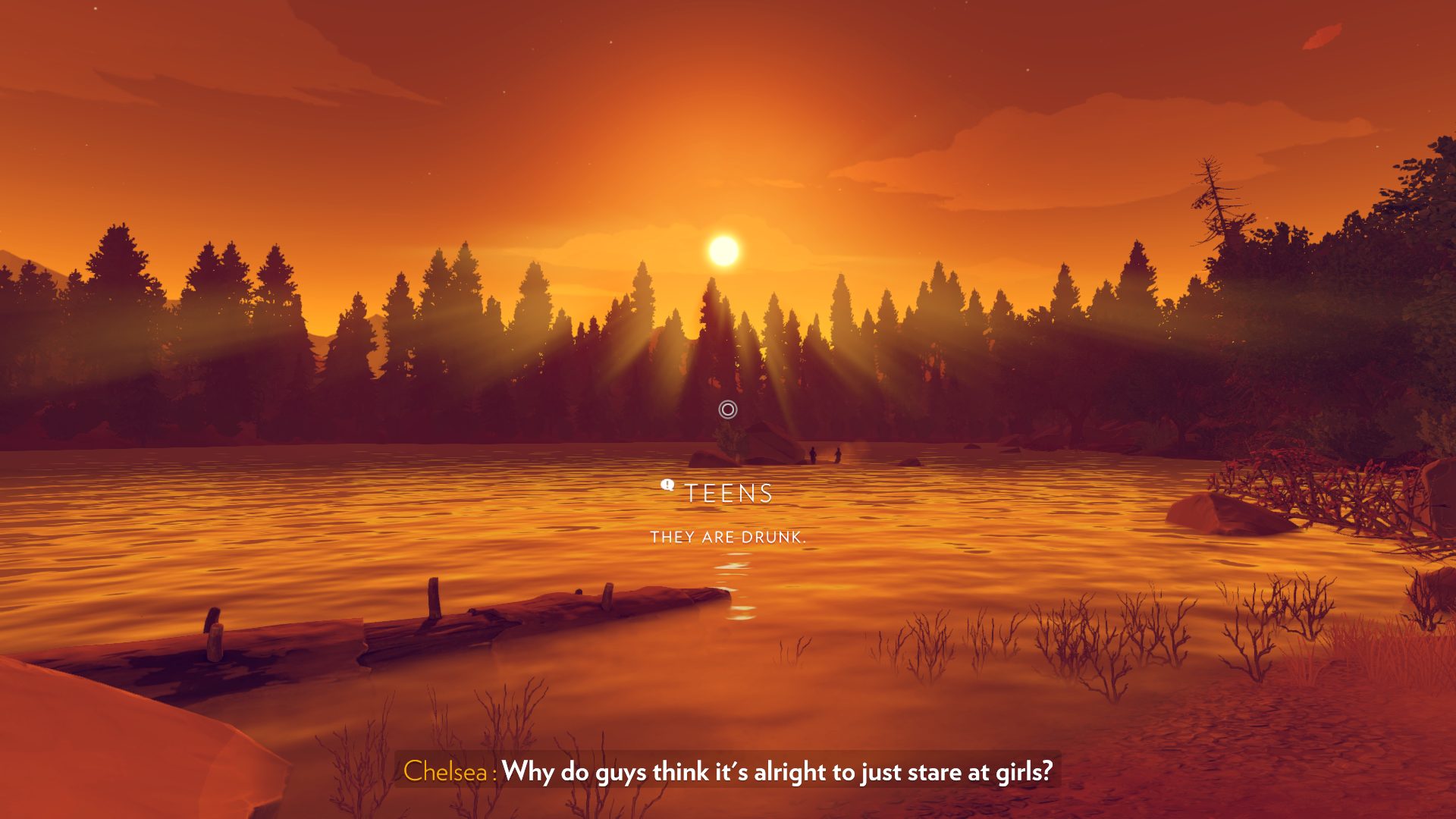
Breaking the Tropes – Masculinity in Firewatch
Melissa Kagen argues that Firewatch shines a light on the issues of toxic masculinity in gaming and lets the player perform a more nuanced form of masculinity.

Topical game research articles picked up and referenced by PlayLab! writers.
Melissa Kagen argues that Firewatch shines a light on the issues of toxic masculinity in gaming and lets the player perform a more nuanced form of masculinity.

The fight to maintain player interest: A new model for predicting and combating churn in social f2p games.

Driving a car is arguably not the healthiest form of transportation. Very restricted space for movement and a suboptimal sitting posture can, especially in long-distance commuters and professional drivers, lead to physical and mental suffering, such as physical fatigue. With the development of autonomous cars, which relieve drivers from the driving task and offer a much wider range of movements and incar interactions, new possibilities of physical exercises have emerged. To explore how to implement physical exercises into the car context, Sven Krome, Jussi Holopainen and Stefan Greuter developed an in-car fitness program AutoGym, which translates the traffic into an exertion game.

What if #Germany had won the second world war? The video game #Wolfenstein : The New Order has been trying to give an answer to this seemingly hypothetical scenario (Domíniguez 2017:71f). By combining #fantasy, real-world history, and the players historical knowledge, and through the element of music, the game is reinterpreting history and the present.

In his essay “Engineering Queerness in the Game Development Pipeline”, Eric Freedman discusses the queering of game engines and the game industry.

A group of researchers take Let's Play videos under their scrutiny and see whether they can be as immersive as actually playing the game.

Peleillä on mahdollista saada kansalaiset osallistumaan kaupunkisuunnitteluun ja parantaa samalla heidän kansalaistaitojaan.

eSports events are increasingly popular. However, are the current existing venues in our society capable of hosting them? Jenny et al. investigate this problem and suggest that adaptation is needed.
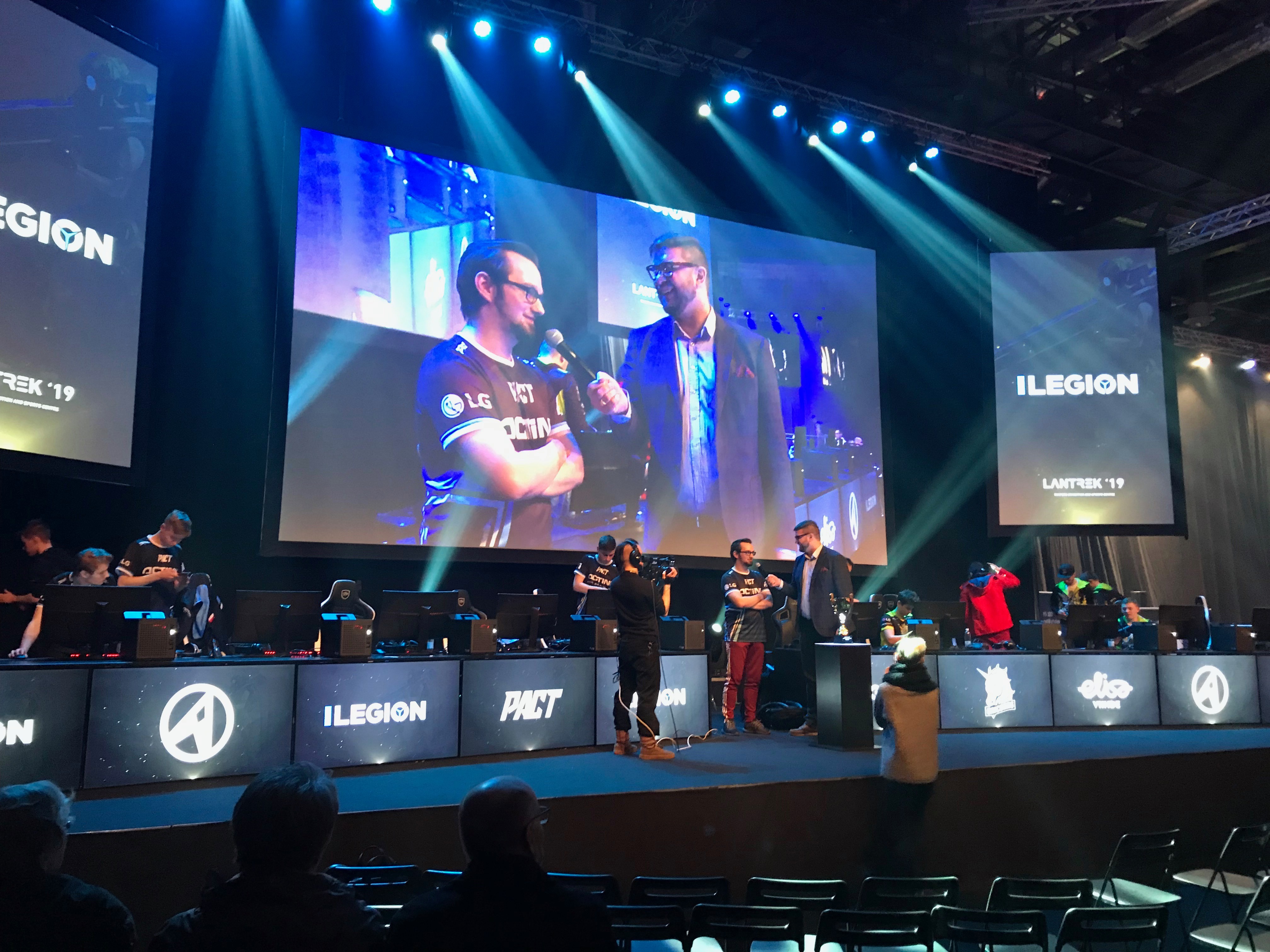
In the contemporary professional gaming scene, there are often issues between high-performance players and game institutions/platforms. Witkowski used two case studies to unfold the complexities of the networked career in the high-performance gaming community and the controversies that persist.

Michailidis et al. consider in this study that flow and immersion have the same meaning, until and unless evidence is presented to differentiate the two from each other.

"“theyre all trans sharon”: Authoring Gender in Video Game Fan Fiction" discusses gender and transgender identities in video game fanfiction.

In this research highlight, we summarize how the authors of the study "A Visual Analytics Approach for Understanding Reasons behind Snowballing and Comeback in MOBA Games" created a tool for developers to detect the occurrence of these phenomena in their games.

The research article 'Drunk Virtual Reality Gaming: Exploring the Influence of Alcohol on Cybersickness' by Iskenderova et al. discusses the effects drinking might have on the level of cybersickness caused by VR gaming.

Suunniteltaessa pelejä yhteiskunnallisiin tarpeisiin ongelmana on usein, että pelisuunnittelijat ja pelien tilaajat eivät puhu yhteistä kieltä. PLEX/CIVIC-malli tarjoaa tähän työkaluja.
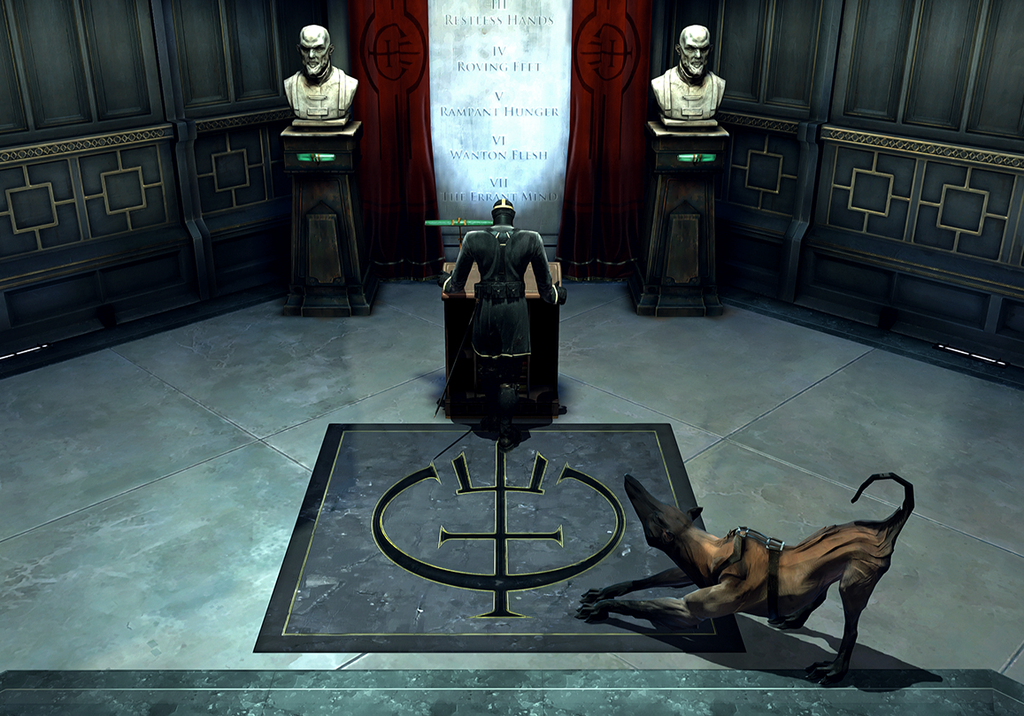
This article provides an exploration of the portrayal, questioning, and challenge of religious authority in the Dishonored series. Rautalahti examines the game in comparison to Weber's three ideals of authority.
Nielsen and Karhulahti scrutinize how the nine features of internet gaming disorder by the APA should be interpreted differently under the scope of eSports.
The study examines how players' morality operating on an intuitive level affects and is affected by gameplay. The study looks at in-game choices corresponding to two tiers of moral judgement making.

Joyce Goggins explores the cute world of LEGO and analyzes LEGO's marketing tactics, namely the use of fan labor in creating The LEGO Movie.

E-osallistuminen on nähty mahdollisuutena saada kansalaiset osallistumaan mm. kaupunkisuunnitteluun, mutta voiko pellillistäminen tuoda uusia osallistujia ja motivoida käyttäjiä hankkeen aikana?

Larp can be an emotionally and physically taxing hobby. In her article ”Post-Play Activities for Larp: Methods and Challenges”, Maury E. Brown discusses various forms of post-play activities for larp to help cope with in-game experiences and transitioning back to off-game.