“Capital of Celiac Disease” promotes understanding through sustained multidisciplinary research

Celiac disease is an autoimmune disorder of the small intestine that affects approximately 2.4 per cent of Finland’s adult population. For people with celiac disease, avoiding foods containing wheat, barley and rye is an everyday necessity.
Although the condition can significantly affect quality of life and may even influence life expectancy, many questions about its causes, progression and treatment remain unanswered. Researchers at Tampere University have been working to answer those questions for decades.
This long-term commitment has helped establish the University as one of the world's leading centres for celiac disease research. The strength of the programme lies in its multidisciplinary approach, bringing together experts from a wide range of fields to study the disease from several perspectives.
The CeliRes Research Center at the Faculty of Medicine and Health Technology is led by Professor Katri Kaukinen and Professor Katri Lindfors.
“Following the prescribed diet is a must for people with celiac disease, which puts a considerable burden on the patients. That is why we are striving to find better ways to treat the disease as well as possibilities for preventing it from developing in the first place," Kaukinen says.
A complex disease studied for decades
The CeliRes Research Center has just completed its first five-year term. However, it builds on the work of several predecessor organisations, and celiac disease research in Tampere dates back to the 1980s.
“Emeritus Professor Jarmo Visakorpi brought celiac disease research to Tampere in the 1970s through his connections with Harvard University and the University of Helsinki. In the 1980s, Emeritus Professor Markku Mäki assembled a multidisciplinary research group that enabled broad-ranging in-depth research into the disease,” Kaukinen explains.
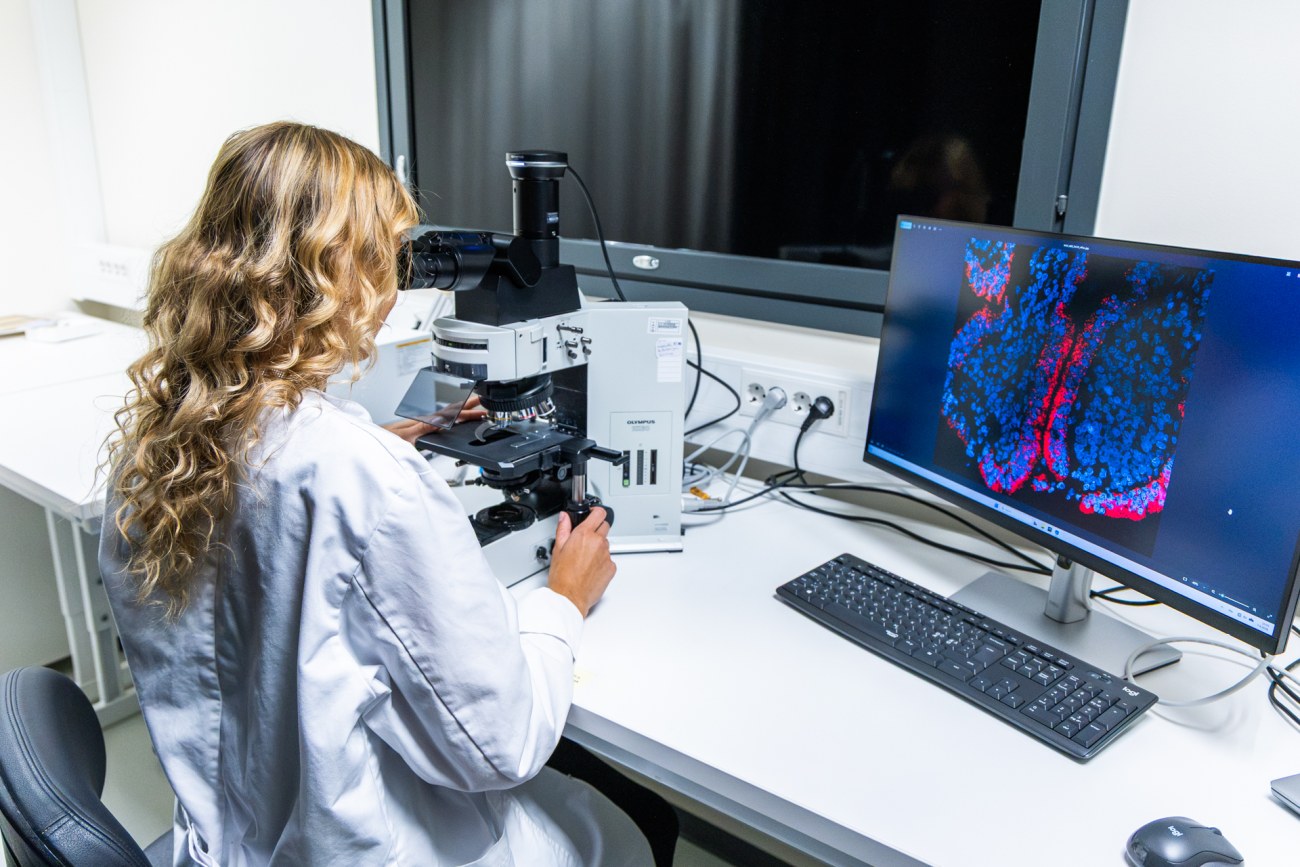
The research center has a crystal clear focus on the harmful effects of gluten found in wheat, barley and rye particularly in celiac disease.
“We all share the same research focus but approach it from different perspectives using different methods. Every new discovery raises new questions to investigate. No single study provides all the answers, so the research is constantly evolving,” Kaukinen says.
No two people with celiac disease are exactly alike. The range of symptoms is very broad and may include, for example, gastrointestinal problems, malabsorption, joint pain, liver disease, reproductive health issues, complications during pregnancy, reduced bone density and skin conditions. The reasons behind these highly varied symptoms remain unknown which makes early diagnosis more difficult and highlights the need for more personalised diagnostics.
Greater impact through collaboration
Developing new treatments for celiac disease requires a thorough understanding of the disease mechanisms, making close interaction between basic and clinical research essential. The research group includes experts with backgrounds in medicine, biology and engineering. The center also draws on expertise from across the faculty, and students are also invited to get involved in research. Collaboration with the Wellbeing Services County of Pirkanmaa and the Finnish Coeliac Society is also seamless.
“Our research center is not confined to a single discipline because we are truly multidisciplinary and can achieve far more together than we would separately," Kaukinen notes.
Tampere University researchers are internationally recognised, and experts from around the world regularly visit CeliRes to learn about its work.
In the international research community Tampere has also earned the moniker Capital of Celiac Disease.
“We are very proud of that. Our researchers are highly esteemed experts whose views are sought out internationally, and we collaborate extensively with colleagues around the world. People want to come here, and invitations to visit Tampere University are greatly appreciated,” Kaukinen says.
She recalls a recent example.
“I was recently contacted by a celiac disease researcher from Brazil, where relatively little research is conducted in this field. The researcher’s supervisor had asked where in the world one should go to learn everything there is to know about celiac disease and the researcher’s answer was clear: Tampere University without a doubt.”
“No other research institution brings together all age groups and the full spectrum of research approaches within a single programme of celiac disease research, making our approach a truly unique combination,” Lindfors says.
Partly reflecting the great international interest in the field, the major International Celiac Disease Symposium (ICDS) scheduled for 2028 will once again bring the world’s leading celiac experts to Tampere.
Work to cure the disease continues
Medicine is a process of continuous learning and development.
“You have to keep an open mind because medicine is constantly evolving. What we believe to be true today may tomorrow turn out not to be quite right, and we may find that a different approach is needed. That is characteristic of all medical science," says Kaukinen.
Substantial efforts have been made to develop both drug therapies and a vaccine for celiac disease, but these attempts have not succeeded so far. As a result, a strict gluten-free diet remains the only available treatment for celiac disease.
“The disease mechanisms underlying celiac disease are complex, and gluten is a challenging protein. Developing an effective drug therapy is not straightforward. Several drug development programmes are underway, but there is still a long way to go before a comprehensive treatment for the disease can be achieved. We are closely involved both in the research itself and in developing new research methods," says Kaukinen.
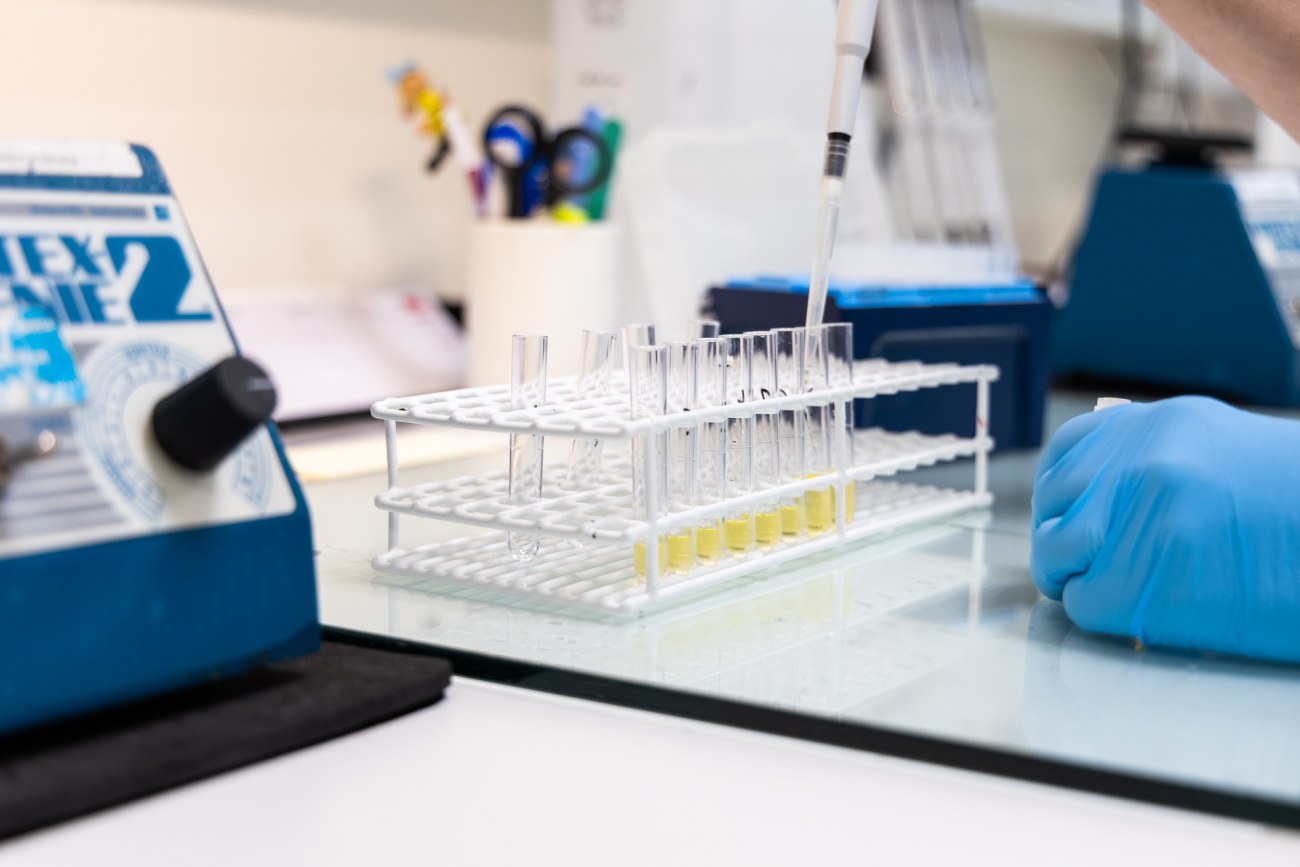
Developing diagnostic criteria that are based on celiac disease antibodies and implementing the approach in healthcare is one of CeliRes Research Center’s most significant achievements.
“People with celiac disease have disease-specific autoantibodies circulating in their bloodstream that target the body’s own proteins. When these antibodies are identified in a specific way, celiac disease is always the diagnosis," Kaukinen explains.
As a result, a biopsy of small intestinal mucosa is no longer required in all cases and, under specific circumstances, invasive endoscopy can be avoided when diagnosing the disease. In Finland, this approach was incorporated into the national Current Care Guidelines in 2018.
In the future, population-wide screening programmes for celiac disease may also be possible. What would a perfect world look like from the perspective of celiac researchers?
“In an ideal situation, we would be able to predict who will develop problems caused by gluten and at what age. We would also be able either to prevent the disease through vaccination or to treat it after onset so effectively that patients no longer have symptoms. However, we are not there yet, which means that celiac disease research must continue,” Kaukinen says.
Celiac Disease Research Center (CeliRes)
- One of the seven research centers at the Faculty of Medicine and Health Technology (MET).
- The research focuses on the harmful effects of gluten especially in celiac disease.
- Celiac disease is an autoimmune disorder for which the only currently available treatment is a strict diet free from wheat, barley and rye.
- CeliRes began its new five-year term on 1 January 2026 after having completed one five-year term already.
- The center continues the tradition of celiac disease research at Tampere University that began in the 1980s.

Celiac Disease Research Center video introduction
CeliRes is one of the seven research centers at the Faculty of Medicine and Health Technology (MET). The research focuses on the harmful effects of gluten especially in celiac disease. In this video, Professors Katri Lindfors and Katri Kaukinen introduce the Center and its activities.
Author: Jonna Karekivi


