Tampere University advances fair and open assessment

Researchers are assessed and compared with their peers at many stages of their careers. Assessment takes place not only during recruitment processes but also when decisions are made about career advancement, appointments to positions with greater responsibility, project funding and salary levels.
According to Markku Ihonen, Head of Research Development at Tampere University, the assessment of researchers should be equitable, transparent and predictable.
“When researchers are planning their careers and making decisions about their future, they should know how they will be assessed and where they should focus their efforts,” Ihonen says.
Tampere University is committed to promoting responsible researcher assessment in line with the goals of the CoARA community (Coalition for Advancing Research Assessment). To support this commitment, the University completed an Action Plan in April 2024.
“Although a great deal has already been done in Finland and at Tampere University to promote responsible research assessment, that does not mean everything is ideal. We know there is still much work to be done,” says Ihonen.
In practice, Tampere University has, for example, produced instructional videos on responsible researcher assessment together with the University of Oulu and Ruhr University Bochum. The open-access videos have been adopted as part of CoARA’s approved training materials.
This autumn, the University will also produce additional guidance materials for the intranet and incorporate the topic into the induction programmes of new employees.
What is easy to measure is not always reliable
The CoARA community was established at the end of 2022 to implement the international Agreement on Reforming Research Assessment, which had been concluded earlier that year.
Nearly 900 universities, research organisations and research funders from around the world have joined the coalition. Both Tampere University and Tampere University of Applied Sciences are members.
Digitalisation has made it easier than ever to measure publications and citation impact. However, what is easy to measure is not always a reliable indicator of research quality or impact.
“For example, the h-index, which seeks to summarise a researcher’s achievements in a single figure, does not treat researchers equally because publication practices vary considerably between disciplines,” Ihonen points out.
The CoARA initiative was preceded by the DORA declaration (San Francisco Declaration on Research Assessment), which called for a more responsible use of research assessment metrics. Tampere University was the first Finnish university to sign the declaration in 2018.
CoARA goes a step further by aiming to transform the entire culture of research assessment and improve the quality and impact of research.
“To achieve this, we need not only peer review but also reliable, high-quality metrics, and we must know how to use them appropriately,” Ihonen concludes.
Important for both the University and researchers
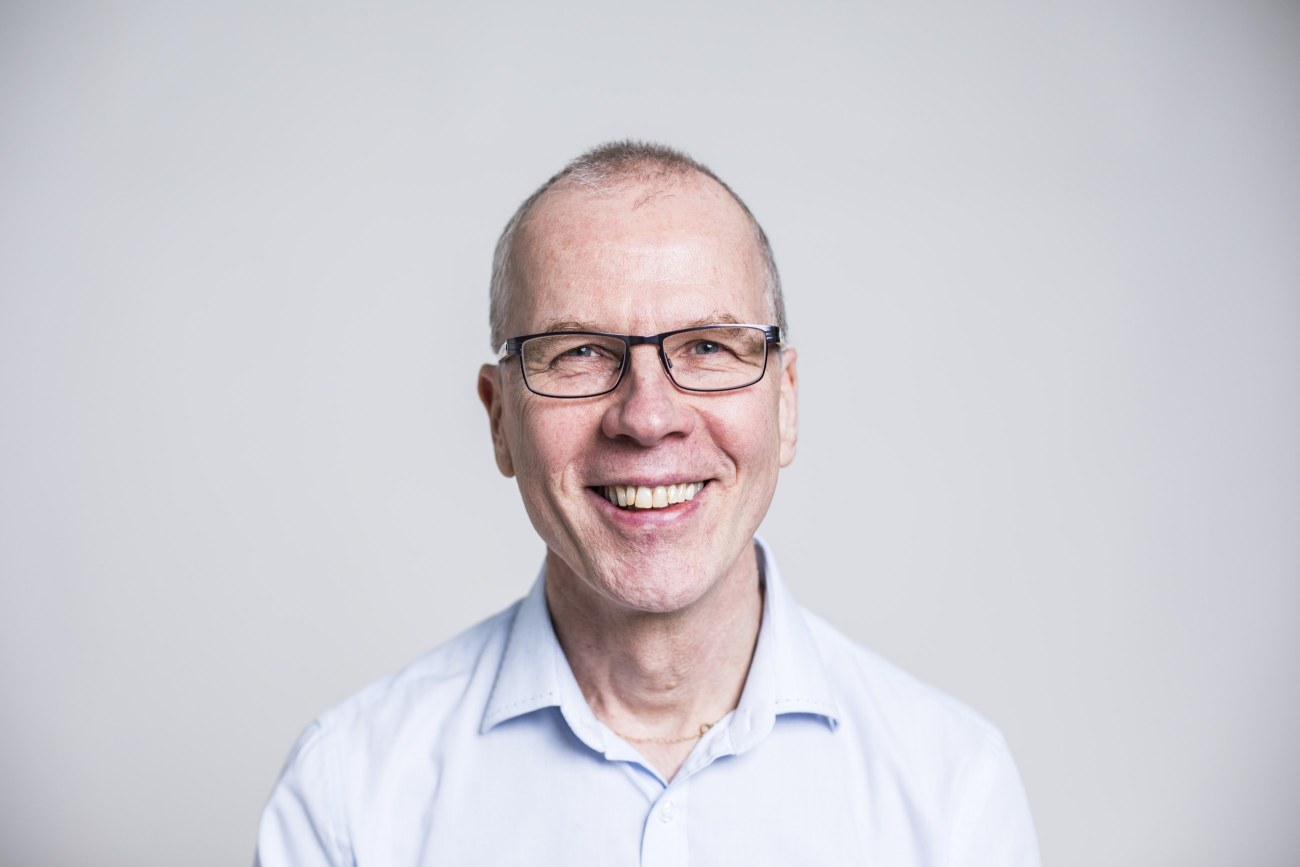
According to Tapio Visakorpi, Vice President for Research at Tampere University, responsible research assessment is important for both the University and individual researchers.
“As a University, we want to recruit the best researchers to our community. We can achieve this only by assessing applicants as fairly and equitably as possible,” he says.
Visakorpi chairs the University's HR Excellence in Research Steering Group. One aim of the development work is to ensure that the University's recruitment and assessment practices are responsible and transparent.
“Researchers are evaluated throughout their careers. We therefore have every right to expect that assessment processes are fair, transparent and consistent,” Visakorpi says.
AI brings new challenges to research assessment
Ihonen acknowledges that changing an entire university's assessment culture takes time.
According to him, a researcher’s h-index may still influence – at least in informal discussions –decisions about who is selected for open positions even if this is not included in the official assessment criteria.
Artificial intelligence presents a new challenge for fair and responsible research assessment. AI tools are already widely used to support both research and peer review, and universities must carefully consider their impact on assessment practices.
“In the worst-case scenario, a research article is produced with the help of AI and assessed by a publisher using AI. AI is then used to evaluate whether the research meets high standards. Eventually, so many layers of AI-generated content and AI-assisted assessment could accumulate that no one is able to determine the true quality of the research,” Ihonen reflects.
Read more about the responsible assessment of researchers at Tampere University
Our goal: a better everyday life for researchers
Tampere University is committed to developing researchers' working conditions, career opportunities and skills development in accordance with the principles of the European Charter for Researchers. The development work is carried out in collaboration with researchers, for which the University has been awarded the HR Excellence in Research Award by the European Commission. We are currently preparing for a site visit of external reviewers appointed by the European Commission.
Text: Virpi Ekholm


