Academic Summit brought project management educators and researchers together in Tampere

Academic Summit has served as an annual meeting place for Finland’s project management education and research community since 2014. The event enables participants from universities, universities of applied sciences, and other project management professionals and educators to exchange experiences, build networks and identify new opportunities for collaboration in project management education and research. This year’s event was hosted by Tampere University IEM unit by Matias Ståhle from CROPS research group as he is the member of association’s Scientific Advisory Board.
Research provides new perspectives on project work
The morning programme introduced participants to scientific publication channels and recent developments in project research. The discussions emphasized how research brings evidence, new methods and alternative perspectives to project management practice and education, while also strengthening source criticism and the ability to assess the reliability of information.
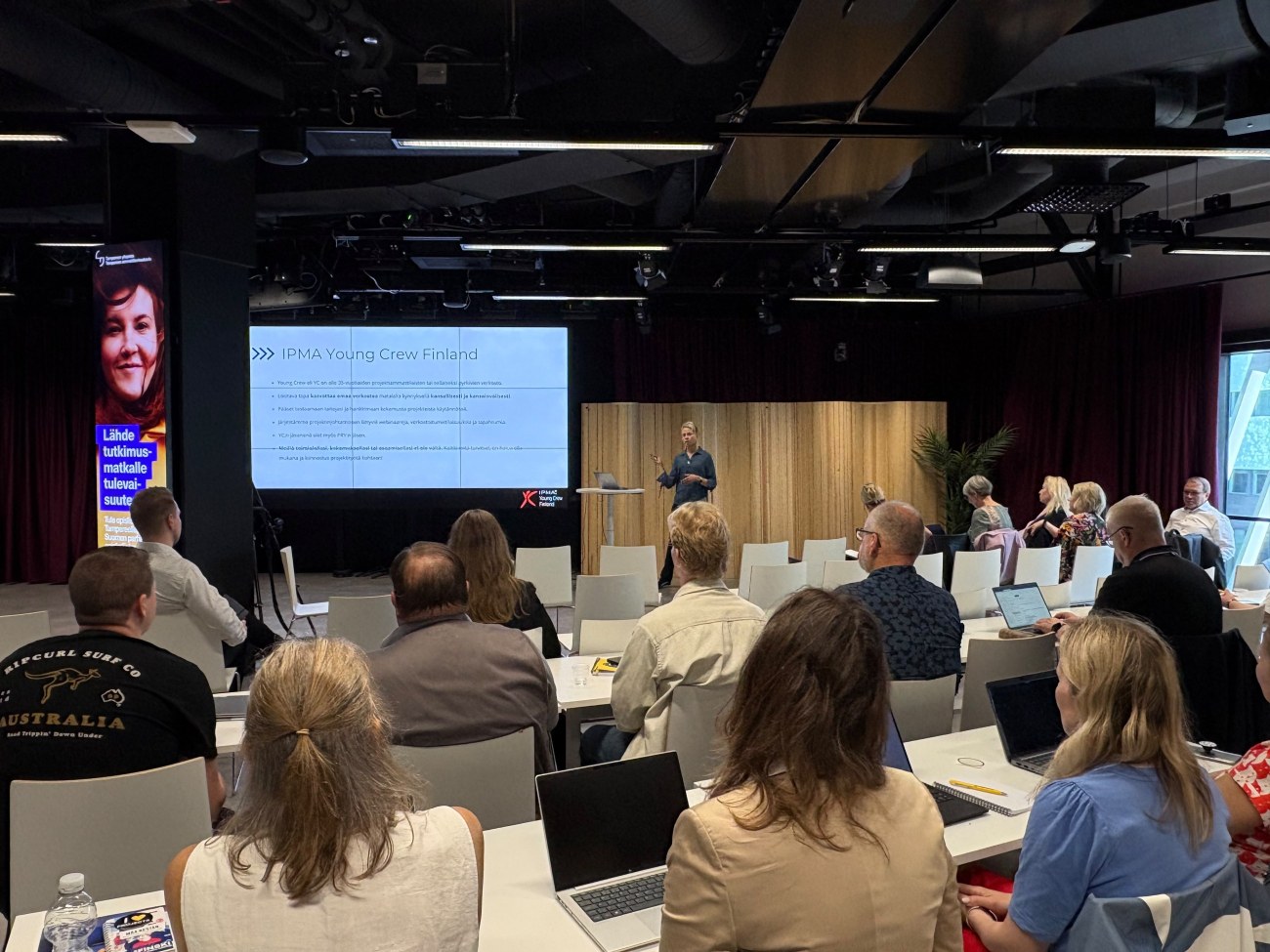
Participants noted that current project research increasingly addresses sustainability transitions, digitalization and artificial intelligence, uncertainty and resilience, project governance, stakeholder networks and ecosystems, and the human dimensions of project work. The workshop identified further research needs particularly in the application of AI, the human implications of digitalization, transformation and change, international project environments, and alternative ways of organizing and leading projects in response to uncertainty and global and local challenges.
What will project professionals need in 2036?
The afternoon session explored what graduates should know and be able to do to succeed in the project world of 2036. Drawing on perspectives from industry, recent graduates and project management educators, participants discussed future competencies, effective learning practices and opportunities for closer collaboration in project management education.
A key conclusion was that technical expertise alone will not be enough. Future project professionals will also need interpersonal skills, communication, collaboration, self-leadership, adaptability, resilience, entrepreneurial thinking, business understanding and the ability to evaluate information critically. As artificial intelligence changes work, graduates will need to combine digital capabilities with creativity, sound judgement and an understanding of human interaction, while working effectively across disciplines, backgrounds and organizations.
Connecting research, education and practice through authentic collaboration
The discussions produced several practical suggestions for developing project management education. Participants emphasized the value of collaboration with companies and authentic project assignments, which help students connect theoretical knowledge with practice while developing teamwork, leadership, feedback and conflict resolution skills in realistic settings.
Structured reflection was also seen as essential for learning. Reviewing what was done, what was learned and what could be improved helps students recognize and articulate their competencies. Participants also highlighted the importance of open communication, early attention to group work challenges, and safe learning environments that support trust, experimentation and learning from difficulties.
The summit further underlined the need for closer cooperation between universities, universities of applied sciences, companies and the wider project management community. Multidisciplinary courses, shared learning modules, company cases, student competitions and professional certifications were identified as possible ways to strengthen future project competencies. The central message was that preparing students for the project world of 2036 requires research-based knowledge, disciplinary expertise, human skills and more systematic collaboration across the project management education community.
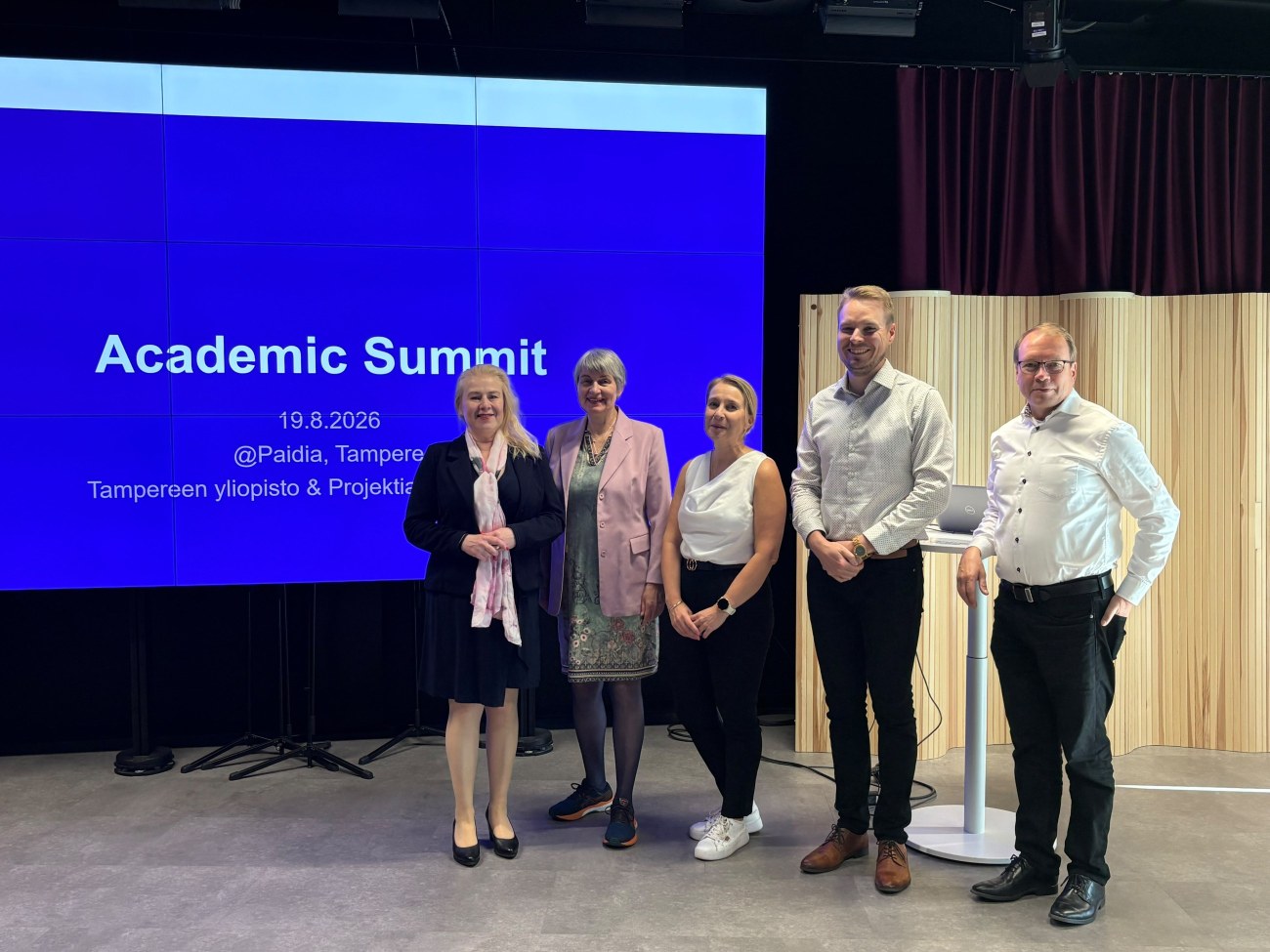
The next Academic Summit is expected to be organized virtually in February 2027. The event will be open to everyone interested in project management education, research and the development of future project competencies.
For more information on behalf of Tampere University, please contact Matias Ståhle at matias.stahle [at] tuni.fi.
Photos: Vilma Ripatti


