
Four waves of historical awareness – history of Finnish gaming
Jaakko Suominen categorizes four different waves of historical awareness in digital gaming that emphasize certain characteristics in writing and presenting Finnish gaming history.

Jaakko Suominen categorizes four different waves of historical awareness in digital gaming that emphasize certain characteristics in writing and presenting Finnish gaming history.

Researchers used Dead by Daylight’s subreddit to analyze different factors and perceptions surrounding toxic behavior.

A study that researches the interpretations of white nationalism within the game The Elder Scrolls V: Skyrim.
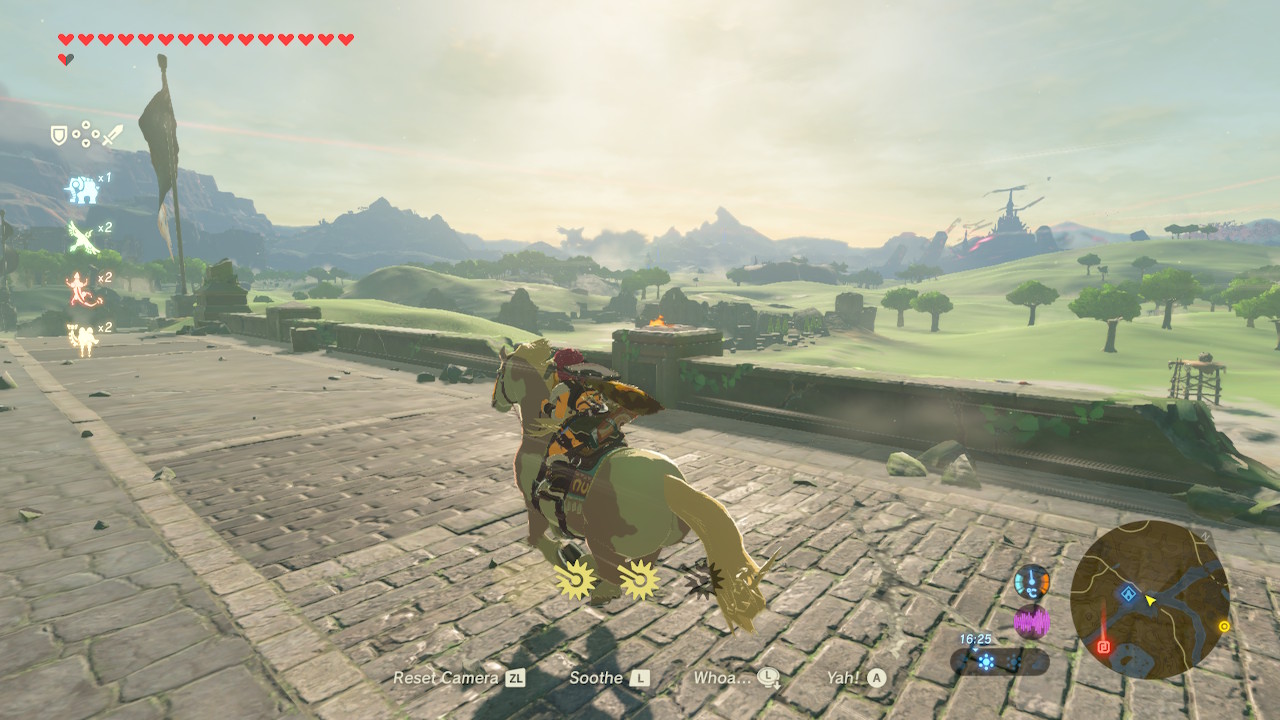
Jonathan Frome’s article considers the importance of separating the terms “interactivity” and “gameplay” when discussing emotional reactions to video games. The article encourages scholars to use more distinct terminology and definitions.
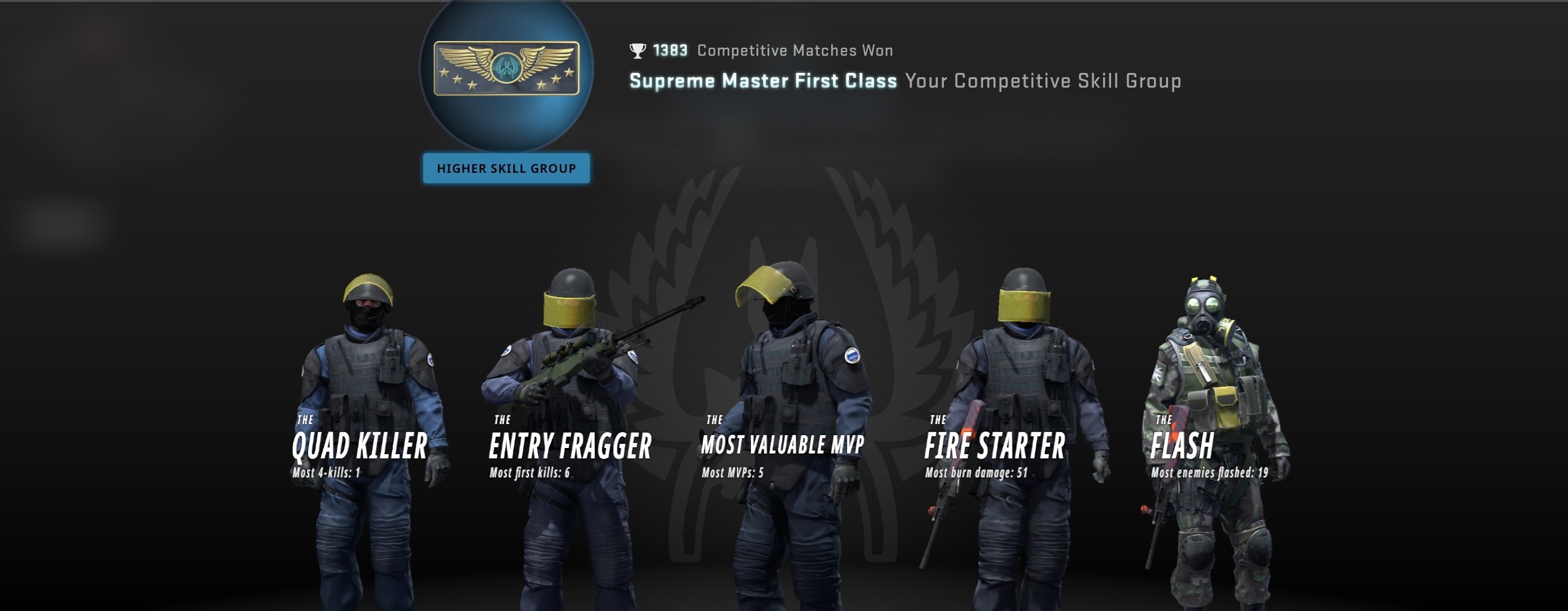
Stöhl and Rusk use ethnographic methods to see what tools are being used for identity construction when playing, and what these identities are.

With video games becoming more mainstream, developers are starting to add more accessibility options for disabled players to enjoy the same games as well. This research investigates the value of these options and what they mean to disabled people.
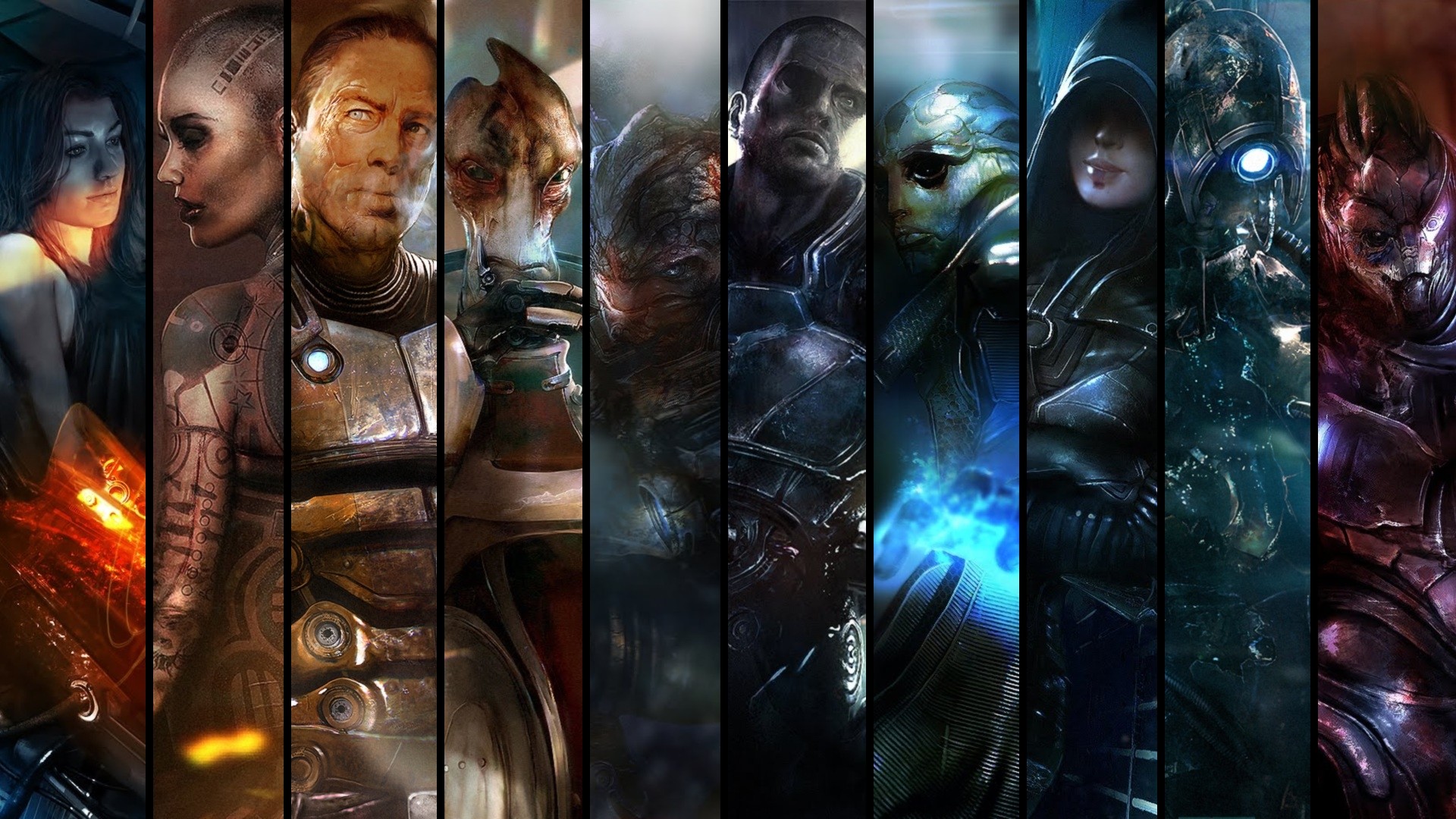
What are the affordances and restrictions the digital single-player role-playing games impose on the gamer? The study explores the different ways the player can use the game as a complex toy with multiple affordances to play pretend with.

Streaming Video Games on Twitch has Affordances for accruing wealth and fame.

Video games have started to take steps towards more inclusive representations of gender identities. A study by Dalila Forni discusses these new reconsiderations by analyzing gender representations in Horizon Zero Dawn.
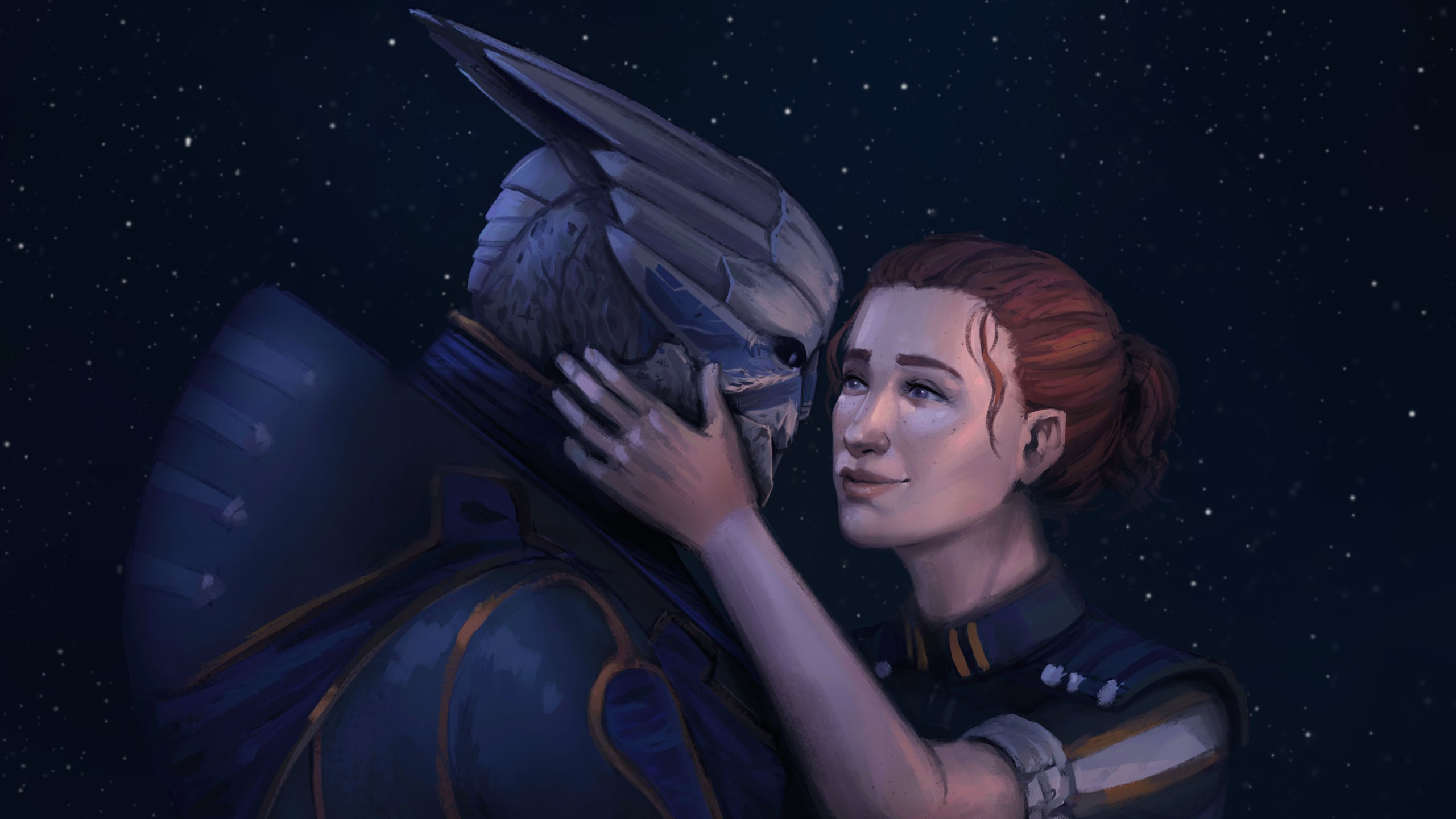
Non-player characters can evoke trust, even love, Tali and Garrus of the Mass Effect series more than many others. Are you Shepard or the player?

In an effort to create a consistent environment for discussing #objectives, researchers narrowed games down to ten #imperative #goals that could be used to describe any #game.
In this article, the authors explore different kinds of bad behaviour in CS:GO esports, from throwing to bug exploitation, and how they are perceived by the spectators.

A study that investigates the villain of "Portal" by Valve, GLaDoS through a psychoanalytical lens. Does the monstrous mother’s behaviour originate from the patriarchy?

Kristian Redhead Ahm challenges existing literature on the motivations of playing old games, also known as retrogaming. He finds out that nostalgia is not the sole reason for retrogaming.

We face an enormous danger in climate change, are video games the way to survive?

Jo investigates the early stages of South Korea’s gaming industry. He argues that pirated games and consoles functioned as South Korea’s starting point for gaming before the era of local game development.

Viewer engagement is guided by how, and what about, the streamer communicates.

Diversity in games requires more than player-customizable avatars. The extensive game analysis outlines five strategies for creating more inclusive characters in games.

One of Red Dead Redemption 2’s greatest achievements is the dynamic, “lived in” feel of its environment. Research highlight from Westerside and Holopainen’s article breaks down how these affective spaces are created and how they carry the narrative throughout the game. #rdr2
A new study peers into what players of Alien Isolation think about its AI. Are you a simulationist or an experientialist?