
Death Stranding: The Official Novelization (Titan Books, 2021) is a two-part post-apocalyptic adventure based on the video game Death Stranding (Kojima Productions, 2019) and written by Hitori Nojima, one of the game’s co-writers.
As a game, Death Stranding mixes a peculiar story with breathtaking vistas, absurd humour, and menial tasks designed to take time and weigh on the player – literally so as you make deliveries in its desolate landscapes. I’ve been looking for another way to invite people into this world, as it can be difficult to convince friends to sit through hours of delivery-based gameplay only to feel more confused by the end than they were in the beginning (or so I’ve been told of their expectations). To that end, the novelisation doesn’t quite hit the mark.
Let’s start with a major weakness:
Instead of modifying the game’s story to better fit the medium, there’s very little adaptation. The central dialogue appears exactly as in the game, and in several scenes no descriptions were added to replace the supporting visuals. And since little time is spent describing the characters’ appearances, as novelisations often seem to assume the reader already knows the source material, the world loses some of its charm.
But while it can be difficult to keep up with the story without any prior knowledge, there’s plenty for a fan to like in these pages.
Understanding the Journey
While the novelisation spends far less time on the travel, which is what most of the gameplay consists of, the meaning of the journey is no less impactful. Without the player spending literal hours balancing and delivering cargo, the sense of time is conveyed through the quiet protagonist, Sam, finally sharing his thoughts and frustrations with the reader. Sam’s feet are even injured from the start of volume one and he has no access to vehicles, which adds up to change the experience.
It’s hard not to feel for Sam when he finally gets supportive gear for his trek up a mountain, and while reading I revelled in the terror that’d be playing through the game without any gear – and it’s easy to imagine the complaints had there been no other option than to walk.
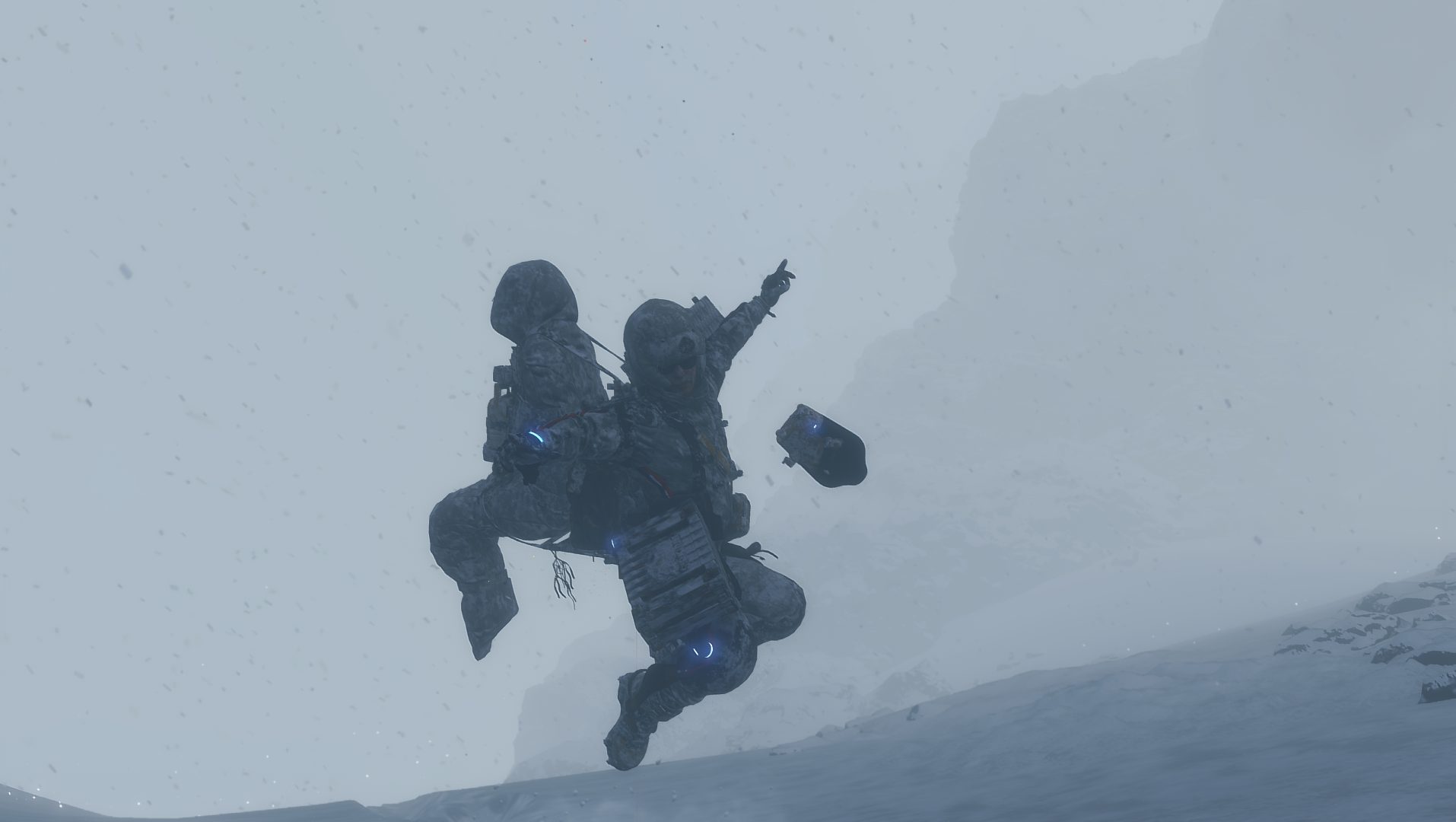
And did it make my skin crawl to realise it took Sam weeks to carry a body up a snowy mountain, while in the game he manages the task in under twenty minutes? Definitely.
Despite what they say, sometimes it’s effective enough to simply tell rather than show.
It’s About the People
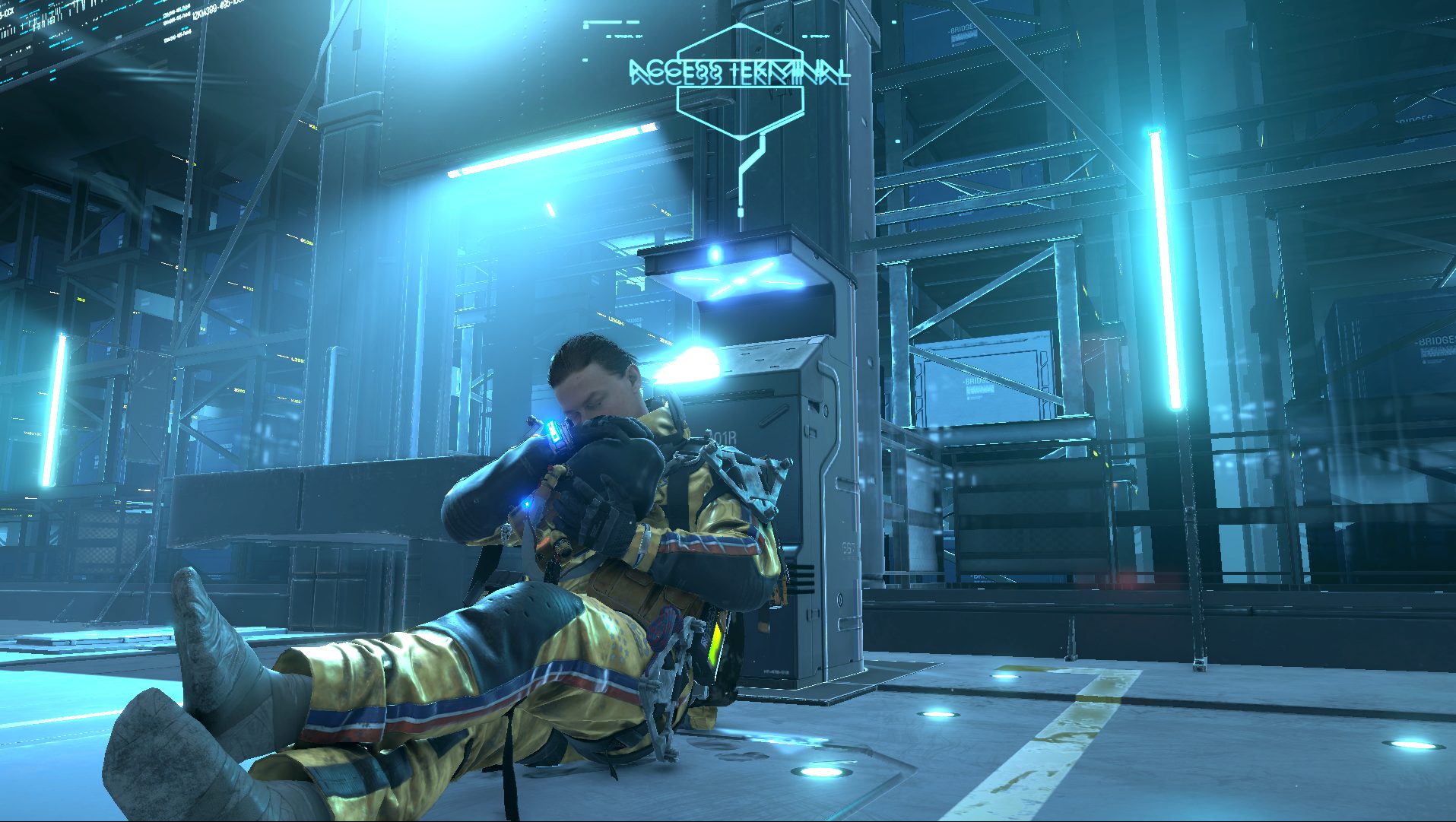
While most of the characters are present only as holograms in the game, which adds to the world’s sense of isolation, the novels do give side characters time to shine. There’s even a harrowing flashback to how two characters survived the titular apocalypse itself, and their perspective is valuable: since Sam was born after the Stranding, he doesn’t have much to share regarding the past.
That said, apart from Sam, the main cast is less likable without the voice acting and visual quirks, which makes the side characters easier to care about as the novels flesh them out. Although many of the side characters were cut from the novelisation, the new viewpoints and struggles still make the world feel bigger and more real.
Additionally, the game truly shines in its interactivity with other players – where you never feel completely alone when others leave you messages and help you build structures despite never sharing the same world. Without these interactions, the attention the novelisation gives to the side characters helps fill in the void with a different sense of human connection.
But Where’s the Whimsy?
When nearing the end of the second volume, where the character Heartman shares his three-page-long theory about extinctions, what began to weigh on me was the lack of fourth wall breaking thumbs up, silly cosmetics and sound effects, and moments spent ramming delivery trucks into rocks just to (fail to) prove you could get over them.
I recalled the beginning of the game when Low Roar’s song “Don’t Be So Serious” plays as you stumble down your first hill and thought yes, all the serious parts are hitting right – I felt for the characters and understood the horror of the Death Stranding perhaps better from the novelisation – but I wasn’t having fun.
Not in the same way, at least.
Even when the game makes the player suffer, there’s joy to be found in the absurdity and beauty of it. In comparison, the novelisation left me more confused by the end than I was in the beginning, which at least made me understand my friends’ thoughts on the game a little better.
Yet My Hopes Weren’t Squashed
The novels show us more of the world outside of Sam’s limited perspective, which is why Hitori Nojima’s further exploration of Death Stranding is the first video game novelisation that has moved me in ways the original game already hadn’t. For a fan, I definitely recommend checking out the novels and keeping an eye out for the possible English translation of the sequel, also written by Hitori Nojima.
There are also other adaptations in the works that could learn from the novelisation. By leaning into the strengths of the medium, the live action and animated films (such as the newly announced Death Stranding Mosquito) can certainly add to the distinct visual style of the world, but I hope they aren’t afraid to actually adapt the story as well.
And although we are talking about reconnecting with the living, among other relatable topics such as extinction, my hope is – and there’s that word again – the future adaptations don’t forget to have some fun with the concept along the way.
Basic Information
Title Death Stranding: The Official Novelization – Volume 1 and Volume 2
Writer Hitori Nojima
Translator Carley Radford
Publisher Titan Books
Release Date February 2021
Picture Credits
Cover image: Death Stranding: The Official Novelization – Volume 1 and Volume 2 (Titan Books, 2021), taken by the author
Screenshots: Death Stranding Director’s Cut (Kojima Productions, 2021), taken by the author