Tampereen yliopiston 20. journalistiikan työelämäprofessori Olga Smirnova tulee BBC:ltä

Pitkän journalistisen kokemuksen omaava Olga Smirnova on työskennellyt BBC:n lisäksi muun muassa CNN:lle, National Geographicille ja BBC Studiosille sekä konsultoinut Royal Hollowayta (tietoturvayksikkö, Lontoon yliopisto) tekoälyyn liittyvän disinformaation ja huijausten kysymyksissä.
Uusia kursseja faktantarkistuksesta ja OSINT-menetelmistä
Smirnovan opetus keskittyy maisterivaiheeseen, ja hänen suunnitelmassaan korostuvat ajankohtaiset journalistiset taidot.
Kurssi Fact-Checking and Explaining its Results käsittelee systemaattista faktantarkistusta ja sitä, miten journalistisen työn taustalla olevat prosessit voidaan avata yleisölle läpinäkyvästi. Tavoitteena on vahvistaa luottamusta journalismiin sekä opettaa opiskelijoita tarkistamaan väitteitä, dataa ja lähteitä sekä selittämään työnsä tuloksia ymmärrettävästi.
Toinen keskeinen kurssi, Open-Source Intelligence (OSINT) Verification in Visual Journalism and Investigations, perehdyttää opiskelijat avoimien lähteiden tiedustelun työkaluihin. Kurssilla opetellaan muun muassa kuvien ja videoiden aitouden varmistamista, niiden alkuperän, ajan ja paikan selvittämistä sekä tekoälyllä tuotettujen sisältöjen tunnistamista.
– Tekoäly mahdollistaa entistä realistisemman manipuloidun sisällön tuottamisen, mikä tekee faktantarkistuksesta välttämättömämpää kuin koskaan. Samalla tekoäly voi toimia apuvälineenä, mutta varmentamisessa täytyy aina olla ihminen mukana, Smirnova korostaa.
Ensimmäinen kansainvälinen rekrytointi tehtävään
Viestintätieteiden yksikön päällikkö Marko Ala-Fossi tähdentää Smirnovan monipuolista osaamista:
– Olga Smirnovalla on samaan aikaan monta erityistä vahvuutta. Hän on ansioitunut journalisti, jolla on pitkä kansainvälinen ura erityisesti BBC:n palveluksessa useissa eri tehtävissä ja hänellä on kokemusta myös tutkivan journalismin ja faktantarkistuksen kouluttajana eri maissa. Lisäksi hänellä on soveltuva tohtorin tutkinto sekä useamman vuoden kokemus media- ja viestintäalan kurssien opettamisesta brittiläisissä yliopistoissa.
Olga Smirnova on nyt paitsi järjestyksessä 20. journalistiikan työelämäprofessori, myös lajissaan ensimmäinen kansainvälinen rekrytointi kyseiseen tehtävään. Hänen osaamisensa täydentää ja laventaa journalistiikan opetustarjontaa tulevana lukuvuonna.
Yliopistoon palaaminen ammatillisen kokemuksen jälkeen
Smirnovaa motivoi tehtävässä mahdollisuus yhdistää pitkä käytännön journalistinen kokemus akateemiseen ympäristöön.
– Olin yliopisto-opettaja ennen siirtymistäni BBC:lle. Tässä tehtävässä voin palata yliopistoon ja jakaa ajankohtaista ammatillista osaamistani opiskelijoille innostavassa ja älyllisesti virikkeellisessä ympäristössä, Smirnova kertoo.
Hänellä on pitkät siteet suomalaiseen journalistikenttään erityisesti Oxfordin yliopiston Reuters Institute for the Study of Journalism ‑instituutin kautta, jossa hän toimi tutkijana.
Smirnova näkee Tampereen yliopiston erityisen kiinnostavana toimintaympäristönä journalismin tulevaisuuden kannalta.
– Tietotekniikan ja viestintätieteiden yhdistäminen on ollut poikkeuksellisen kaukonäköinen ratkaisu. Juuri tämä rajapinta on yksi nopeimmin kehittyvistä ja tärkeimmistä alueista journalismissa tänään.
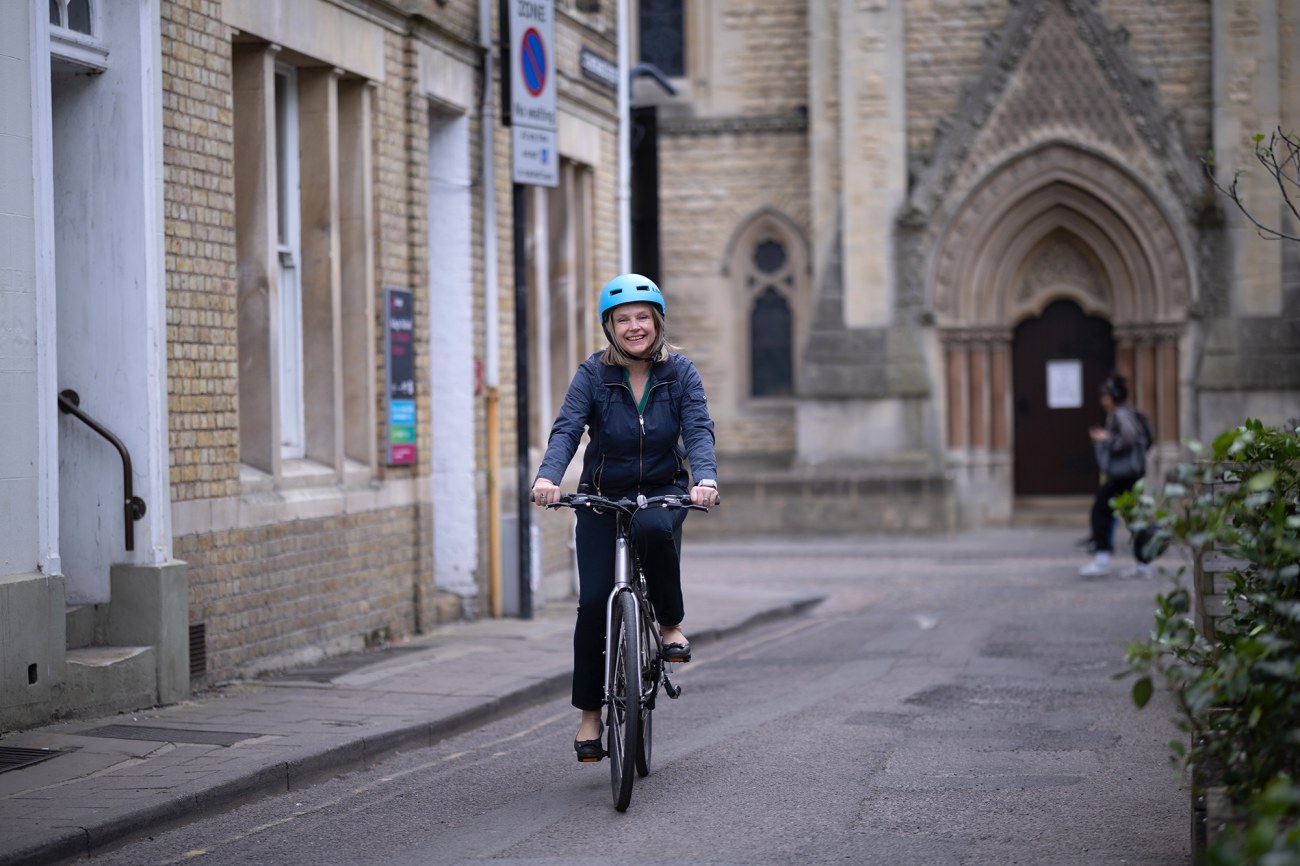
Olga Smirnovan haastattelu:
What motivated you to apply for the Professor of Practice position at Tampere University?
I am keen to share my up-to-date professional knowledge of journalism with students in your prestigious journalism department. I was a university lecturer before I turning to journalism in the BBC By taking up this post I can satisfy a longing to be back in the stimulating intellectual environment of a university and to share my professional knowledge with students.
I have known about Tampere University’s journalism department for a long time, and not only because it is the oldest journalism department in Finland. I have enjoyed many close connections within the Finnish journalism community. These partly stem from my University of Oxford fellowship at the Reuters Institute for the Study of Journalism, which has hosted numerous fellows over the years from Finland. Many of these colleagues graduated from Tampere, with a BA or MA in Journalism and sometimes both. They are always talented journalists and equally wonderful individuals. I have benefited greatly from these friendships and am sure many of their qualities were developed in Tampere.
On a broader level, I have been working in AI, journalism verification, and digital media for some time. I believe it was a particularly forward-thinking decision for Tampere to combine information technology studies with communication sciences. This is one of the most exciting and rapidly evolving areas in the field today.
What are your expectations for your time working in Tampere?
I hope to share with students my knowledge of verification and fact-checking practices gained at the BBC and through my work with Royal Holloway University of London. As these techniques are evolving rapidly. I also aim to spark enthusiasm for this area of journalism, equipping students with skills that will support them in future investigations.
What would you especially like to bring to journalism education at Tampere University?
I bring current, hands-on experience from working with major broadcasters such as the BBC, as well as producing programmes for CNN, National Geographic and BBC Studios, alongside smaller production companies.
I have extensive experience in verification, OSINT, fact-checking, misinformation, and AI in investigative journalism, and am enthusiastic about sharing this knowledge with students.
My work spans live and pre-recorded programmes, as well as documentaries, for example from one-off documentary about Ismo Leikola to history programmes to a wildlife series for the BBC Natural History Unit.
In your teaching plan, you mention two courses: Fact-Checking and Explaining its Results, and Open-Source Intelligence (OSINT) Verification in Visual Journalism and Investigations.
How is AI changing fact-checking and the verification of visual content?
AI makes verification even more important, as we are now faced with increasingly realistic AI-generated content. The quality of manipulated images significantly complicates verification.
At the same time, AI tools can assist in verification, although they are far from being fully reliable. OSINT techniques used by journalists and AI tools should work together when verifying visual content. Crucially, there must always be a human in the “verification loop.”
What makes OSINT methods especially important in contemporary journalism?
OSINT is essential for checking and verifying sources. In an age of widespread disinformation, it helps journalists identify reliable information. It is particularly important when verifying claims made by politicians.
For example, while working on a story for BBC Verify about why so many buildings collapsed during the 2023 Turkey/Syria earthquake, OSINT methods were key to analysing the available evidence.
OSINT also enables journalists to tell stories that might otherwise go untold. Due to financial and logistical constraints, news organisations cannot have correspondents everywhere. By verifying footage from citizen journalists, we can report on remote or underrepresented communities, after verifying their footage using OSINT techniques.
Additionally, OSINT helps build trust with audiences. If journalists can show how they reached their conclusions using open and verifiable sources, audiences are more likely to engage with and trust their reporting.
However, AI introduces new challenges. It is now easier to fabricate convincing fake images, making detection more difficult. But AI can be our ‘little helper’ too. AI can support fact-checkers by speeding up content analysis and helping locate relevant information. However, it does not provide definitive proof and can sometimes produce incorrect conclusions. AI systems can be overly confident, sometimes misclassifying real content as fake and vice versa.
Context remains crucial, and human understanding remains irreplaceable. For instance, in my work verifying Russian military actions in Ukraine, understanding the broader situation on the ground was essential. Language skills and cultural awareness also play an important role in accurate verification.
Ultimately, AI should be treated as a tool, not a replacement for human judgment. The future of OSINT depends on maintaining a balance between technological tools and human expertise.
What do you see as the most important skills for future journalists?
Curiosity combined with a calm, analytical mindset is essential. Journalists need to be able to think creatively under pressure and manage their time effectively.
It is important to be able to work across multiple platforms, while also developing a personal area of expertise or “brand.” This often grows naturally from genuine interest and passion.
Journalists should read widely and engage with people in everyday situations. Many stories emerge from simple conversations, whether on a bus, plane, or over coffee.
The ability to work with a wide range of people is also crucial.
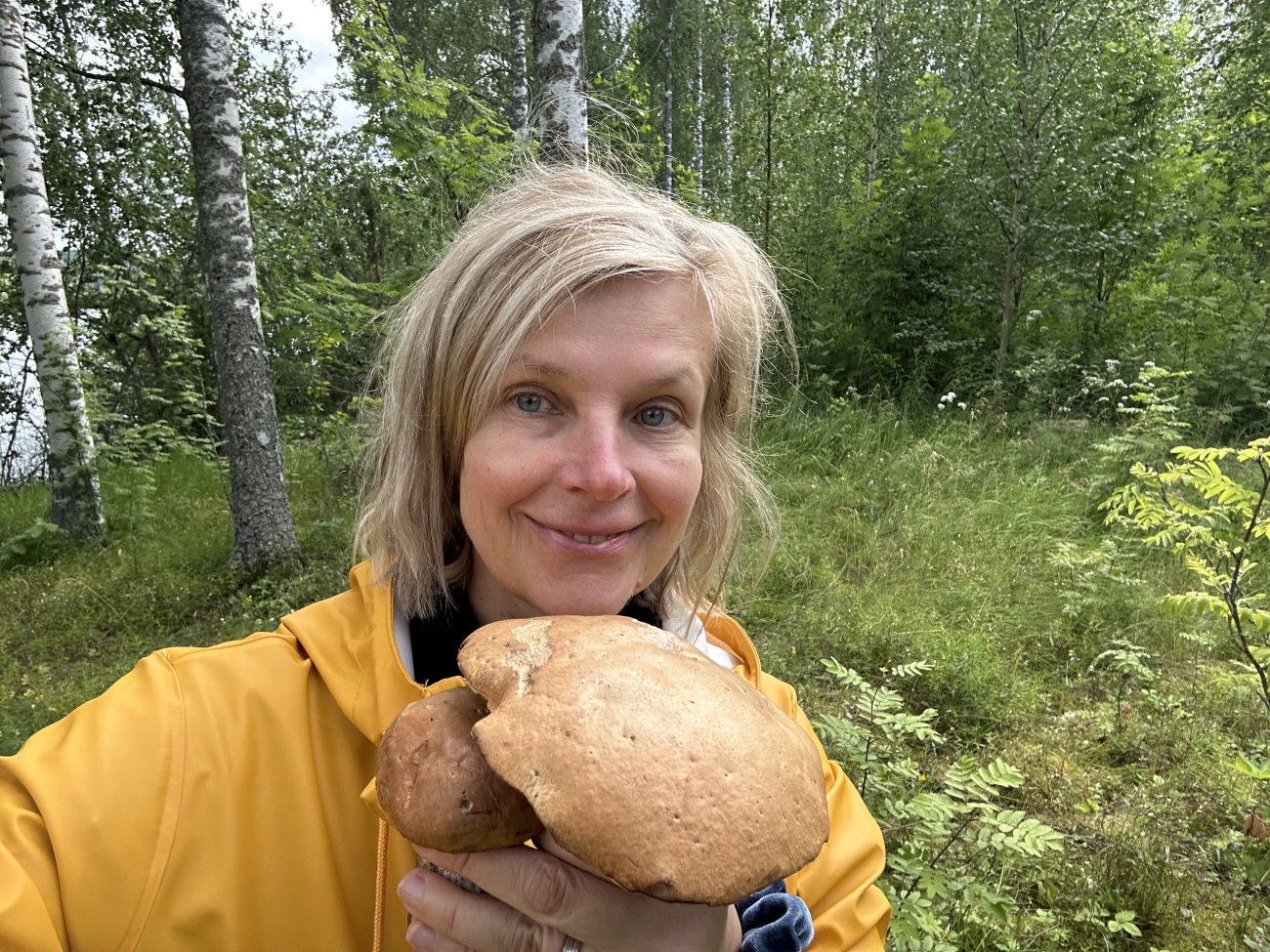
What else would you like to share about yourself and your work?
I’m a British journalist, with over two decades of experience producing and presenting programmes for the BBC, CNN, and Disney+. I’ve worked for live and pre-recorded weekly programmes, and have produced and presented dozens of documentaries. I am currently producing and presenting a seven-part investigative series for the BBC World Service’s World of Secrets. In addition, I work as a consultant on AI-generated disinformation and scams for the Information Security Department at Royal Holloway, University of London.
I was part of BBC’s User Generated Content and Investigations Hub. I was also part of the team that piloted BBC Verify, which produces verified content for BBC News, including live programming and long-form investigations. My journalism work has taken me to many countries including Finland, Denmark. Germany, Georgia and Armenia.
I first became involved in journalism while lecturing at Queen’s University Belfast. I lived in Northern Ireland for five years, witnessing and reporting on the peace process.
My PhD focused on perceptions of creativity and inspiration, a topic that remains relevant to journalism today, particularly in the context of working creatively under time pressure.
After completing my PhD, I taught at several UK universities before I jumped ship into journalism. I also hold a Masters degree in Middle Eastern Studies from the School of Oriental and African Studies University of London, and remain fascinated with the Middle East. My dissertation at SOAS tackled Russian responses to the Arab Spring in Yemen and Libya.
I was awarded a fellowship at the Reuters Institute for the Study of Journalism at the University of Oxford, where I researched Russian-produced disinformation.
My husband and daughter are Finnish citizens, and our whole family are devoted fans of Finland and of course avid sauna goers.
Yhteyshenkilö
Marko Ala-Fossi
yliopistonlehtori, journalistiikka (radio ja audio) Marko Ala-Fossi
Kirjoittaja: Riitta Yrjönen


