
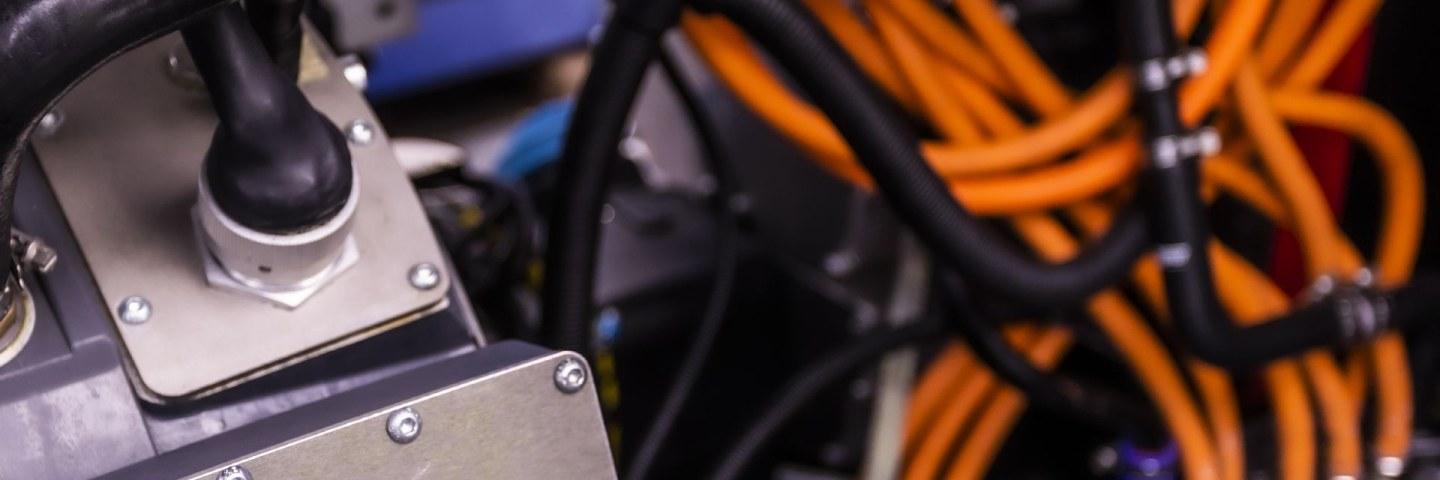
The transition to clean and climate-friendly transport is crucial for achieving Europe’s ambitious climate goals, but the challenge is especially pressing in sectors that are hard-to-electrify, such as aviation, shipping, and heavy-duty transport. These sectors still rely heavily on combustion-based technologies, and shifting from fossil fuels to low-carbon alternatives is essential. However, the impact of these new fuels on air quality and human health remains unclear. To address this, the EU-funded REALCHEM project will study emissions from low-carbon fuels in real-life conditions across these sectors. The aim is to generate data on emissions from low-carbon fuels and technologies. By building a low-carbon fuel emission database, the project will support the development of cleaner transport solutions.
The project is coordinated by Tampere University in Finland and involves a consortium of 12 partners from seven countries, including universities, research organizations, industry partners, and civil society organizations. The consortium has access to critical infrastructure for emission measurement and characterization, such as the HERPA hybrid NRMM engine, transportable aerosol characterization infrastructure, and advanced emission characterization equipment.
Goal
The project focuses on investigating emissions from low-carbon fuels in sectors that are difficult to electrify, such as aviation, shipping, and heavy-duty on-road and non-road mobile machinery.
The primary goals of the REALCHEM project are to generate robust and comprehensive scientific data on emissions from low-carbon fuels, understand the impact of these fuels on human health, climate, and the environment, and assist technology developers and users in reducing harmful pollution from engines. The project involves extensive experimental work and data exploitation to observe emissions from various fuels and engines under real-life conditions. It also includes modeling the effects of these emissions on air quality and human health, and producing guidance and technology packages for cleaner transport.
The project will utilize a large amount of pre-existing data and conduct novel experimental work to create a low-carbon fuel emission database. This database will help in producing actionable scientific data, understanding the impact of low-carbon fuels, and reducing harmful pollution. The project aligns with Europe's ambitious climate targets, the Green Deal, and the vision of zero pollution by 2050.
REALCHEM is structured into three main pillars: experimental work, assessment, and data and knowledge provision. The experimental work involves emissions characterization for heavy-duty vehicles, non-road mobile machinery, shipping, and aviation. The assessment pillar focuses on modeling and projections of air pollution exposure, as well as impact assessment and guidance for technology choices. The data and knowledge provision pillar involves the collection and synthesis of scientific data and knowledge, as well as communication, dissemination, and exploitation of results.
Impact
The REALCHEM project aims to significantly impact the advancement of clean and climate-friendly transport systems by studying emissions from low-carbon fuels in hard-to-electrify transport sectors such as aviation, shipping, and heavy-duty machinery.
The project's impact is multifaceted, focusing on providing reliable scientific data and knowledge to guide future policy and technology choices. By generating robust and comprehensive scientific data on emissions from low-carbon fuels, REALCHEM aims to understand the environmental, climate, and health impacts of these fuels across various transport sectors. This data will support evidence-based policies and optimized design, operation, and maintenance of transportation technologies to minimize emissions.
One of the key areas of study includes heavy-duty vehicles (HDVs), non-road mobile machinery (NRMM), shipping, and aviation, with a particular focus on emerging pollutants such as ultrafine particles (UFPs), black carbon (BC), and carcinogenic compounds like aldehydes, PAHs, and NPAHs. The project will deliver comprehensive emission datasets, exposure projections up to 2050, and strategic recommendations for stakeholders, aiming to push beyond current standards and guidelines, including Euro 7 and WHO air quality guidelines.
Overall, the REALCHEM project aims to advance the understanding and mitigation of emissions from various transport modes through a collaborative, interdisciplinary approach. By leveraging extensive data collection, experimental research, and stakeholder engagement, REALCHEM seeks to drive significant progress towards cleaner and more sustainable transport systems.
Funding
Funding source

Coordinating organisation
Tampere University
Partners
- Tampere University (TAU) - Finland
- VTT Technical Research Centre of Finland Ltd (VTT) - Finland
- IVL Swedish Environmental Research Institute (IVL) - Sweden
- Helmholtz-Zentrum hereon GmbH (HEREON) - Germany
- Aristotle University of Thessaloniki (AUTh) - Greece
- Institute of Experimental Medicine (IEM) - Czechia
- Finnish Meteorological Institute (FMI) - Finland
- ONERA French Aerospace Lab (ONERA) - France
- Safran (SAFRAN) - France
- Polis Network (POLIS) - Belgium
- Danaos Management Consultants (DANAOS) - Greece
- Region Skåne (SKANE) - Sweden