Videogames are more than just a pastime or an industry, they have become worlds where contemporary myths are created, shared and reimagined. In the recently published “Ludomythologies: The creation, circulation and transformation of imaginaries in games”, scholars Beatriz Pérez Zapata, Mateo Terrasa-Torres and Alberto Murcia Carbonell reveal how digital worlds have become fertile ground for symbolic stories that structure our culture and imagination, and showcase how different authors have written articles about it.
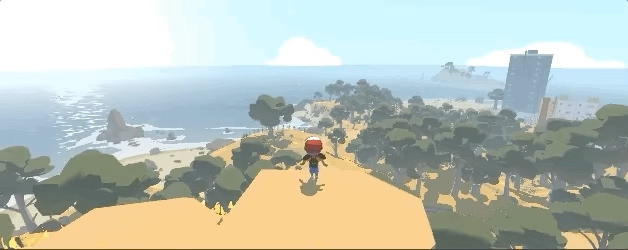
Let’s imagine Alba: A Wildlife Adventure, a game made by Ustwo Games that’s quietly become more than just a child’s summer on a Mediterranean island. On paper, it’s cozy and wholesome as you play as Alba, a young girl trying to save a nature reserve from being developed into a hotel. But as the researchers point out, Alba isn’t just about environmental activism. It’s a digital myth, drawing on the powerful nostalgia for innocent summers, rural landscapes, and a lost simplicity many fear is being erased by today’s fast‑paced, urban ways of life.
The game, according to scholars Navarro-Remesal and Porta Pérez, draws on the “bokunatsulike” tradition, which comes from Japanese classics from the 70s, motifs in contemporary videogames that seem to reject urban growth and create and idealization of rural life through nostalgia. The childhood setting isn’t tied to a specific story; instead, it becomes an open space to dream about a better tomorrow. You are fighting for more than your family. You are resisting the transformation of nature into commercial wastelands. Every animal rescued and every adult convinced isn’t just a quest; it’s an act of reclaiming a paradise that the adult world is set on paving over with concrete.
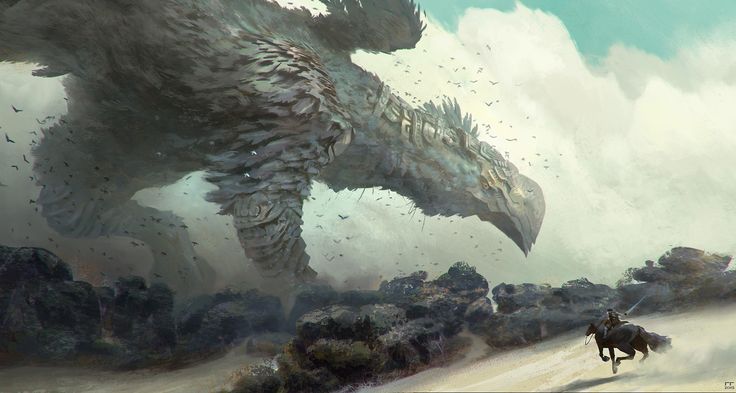
Now let’s use Shadow of the Colossus as an example. Encinas Cantalapiedra offers a compelling reading of this game through René Girard’s mimetic theory. According to this analysis, the game’s narrative serves as a foundational myth that justifies the sacrifice and persecution of innocent victims. In this story, the protagonist becomes an excuse figure, someone sacrificed to maintain order. Yet his actions challenge the established social order when he saves a maiden meant to be offered as a sacrifice to the gods. This act actually flips the script, with the character becoming the “evil” in the eyes of his world. This means that, far from being inspired by familiar myths, the game reflects on mythmaking itself, using its story to question the origins and justifications of violence and sacrifice in human history.
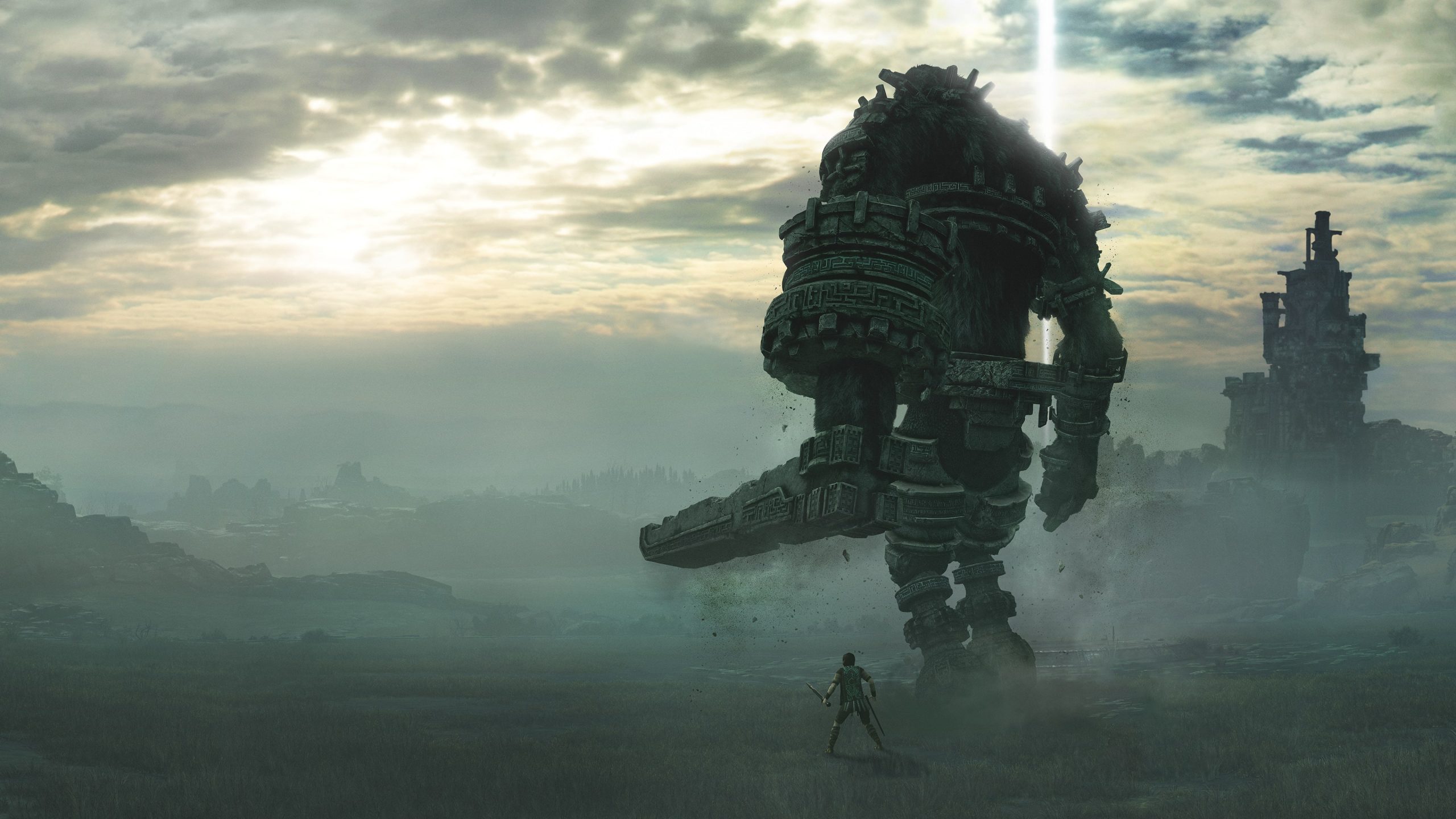
And perhaps most interestingly, noted by scholars Samper and Gonzalo-Iglesias who study how players understand and engage with myths, they say that mythmaking doesn’t end with the credits. It moves to online forums, where players debate, reinterpret, and even perform new myths in real time, mixing their personal anxieties with the storytelling.
Far from dry academic theory, this paper presents a collection of articles that show that games do far more than entertain. This Issue, published by the Catalan Journal of Communication & Cultural Studies, suggests that games have taken the ancient power of myth and set it loose in code, dialogue trees, and community debates. If you see games only as entertainment, you are missing the bigger story: Modern myths aren’t being told in temples or town squares anymore. They’re happening in our hands, every time we press “play”.
And don’t forget that every time someone downloads Alba: A Wildlife Adventure a tree is planted by the climate action platform Ecologi! So, check it out!
You can access the original academic article here: https://doi.org/10.1386/cjcs_00129_2