Ghost of Yotei is too similar to its predecessor, and its open world format doesn’t really benefit either game.
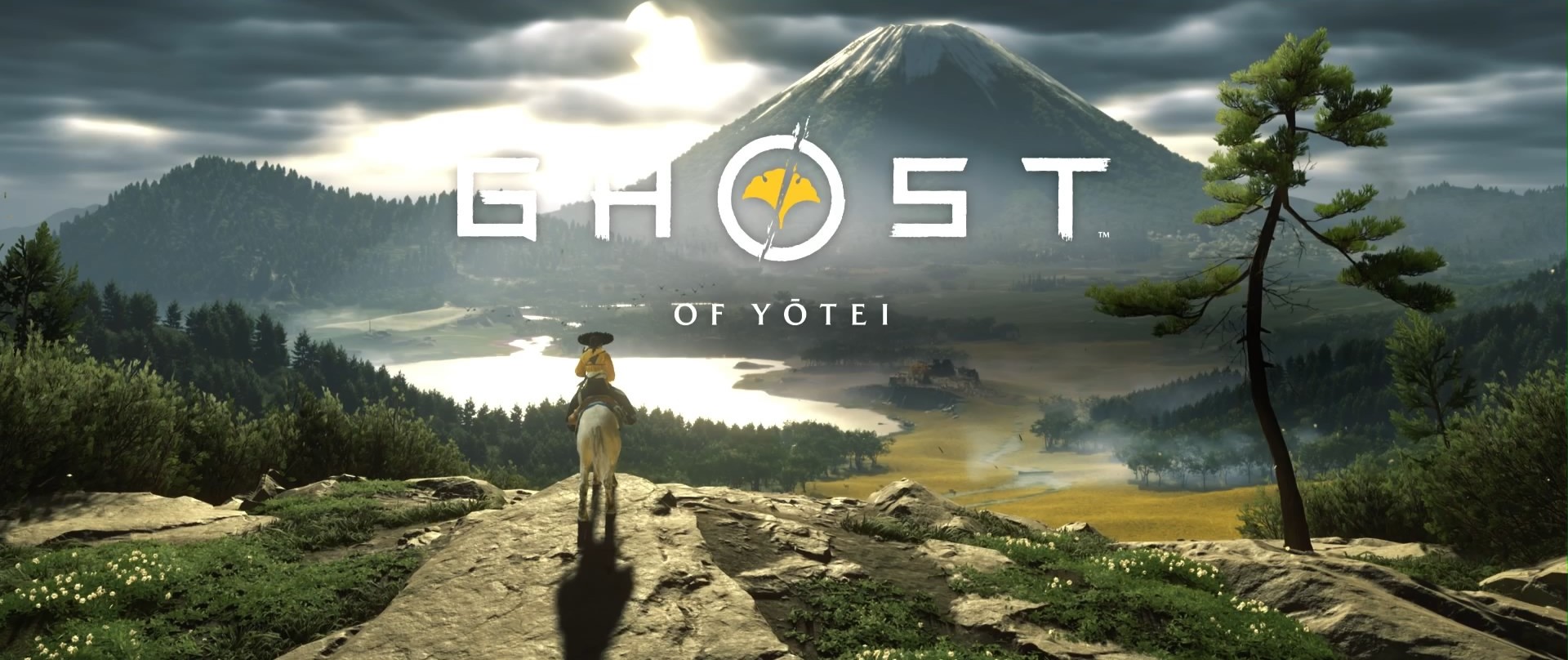
Released on October 2, 2025, Ghost of Yotei is the next entry in the series after Ghost of Tsushima (2020). The previous game took place in Japan in 1274 during a Mongol invasion on the island of Tsushima, and its story focused on liberating the island from the Mongols. Ghost of Yotei is set in 1603 in the region of Ezo, and follows a more personal revenge narrative. Both games are large open world titles that focus on a combination of exploration and combat.
The open world
While the worlds of Ghost of Tsushima and Ghost of Yotei are very pretty to look at, and the main stories of both games were good, I feel the actual open world exploration part is very lacklustre. The few repeating activities are the only thing there really is to find in the world and after a while, exploration turns into a checklist simulator. Especially with the Guiding Wind mechanic, the in-game system allowing you to mark each point of interest on your map and simply follow the direction of the wind straight to them, instead of the usual objective marker seen in most games. Content recycling is a general issue in the few open world games I have played; due to the size of the world and needing to have something to do in it, they end up just repeating the same menial tasks dozens of times.
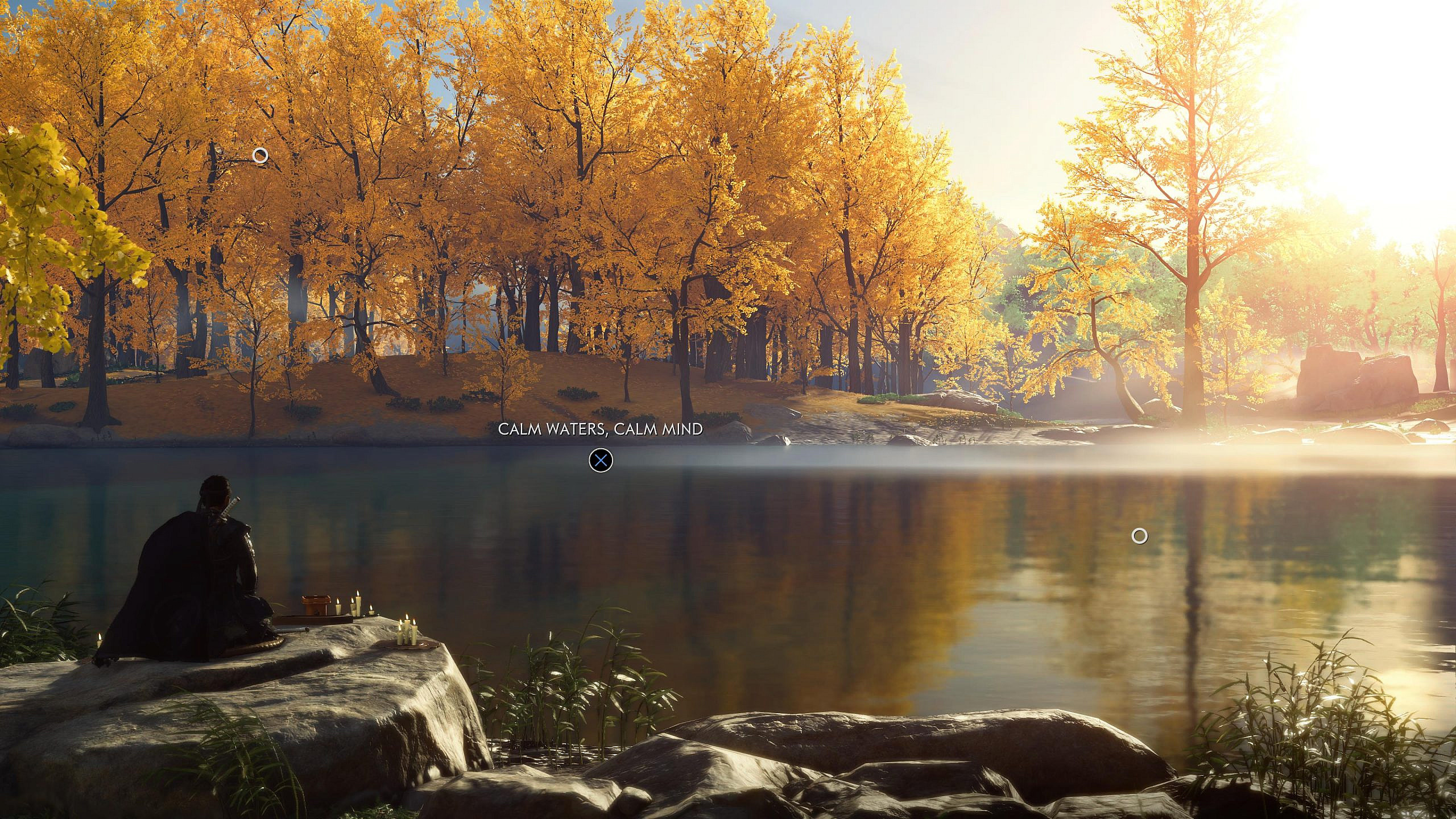
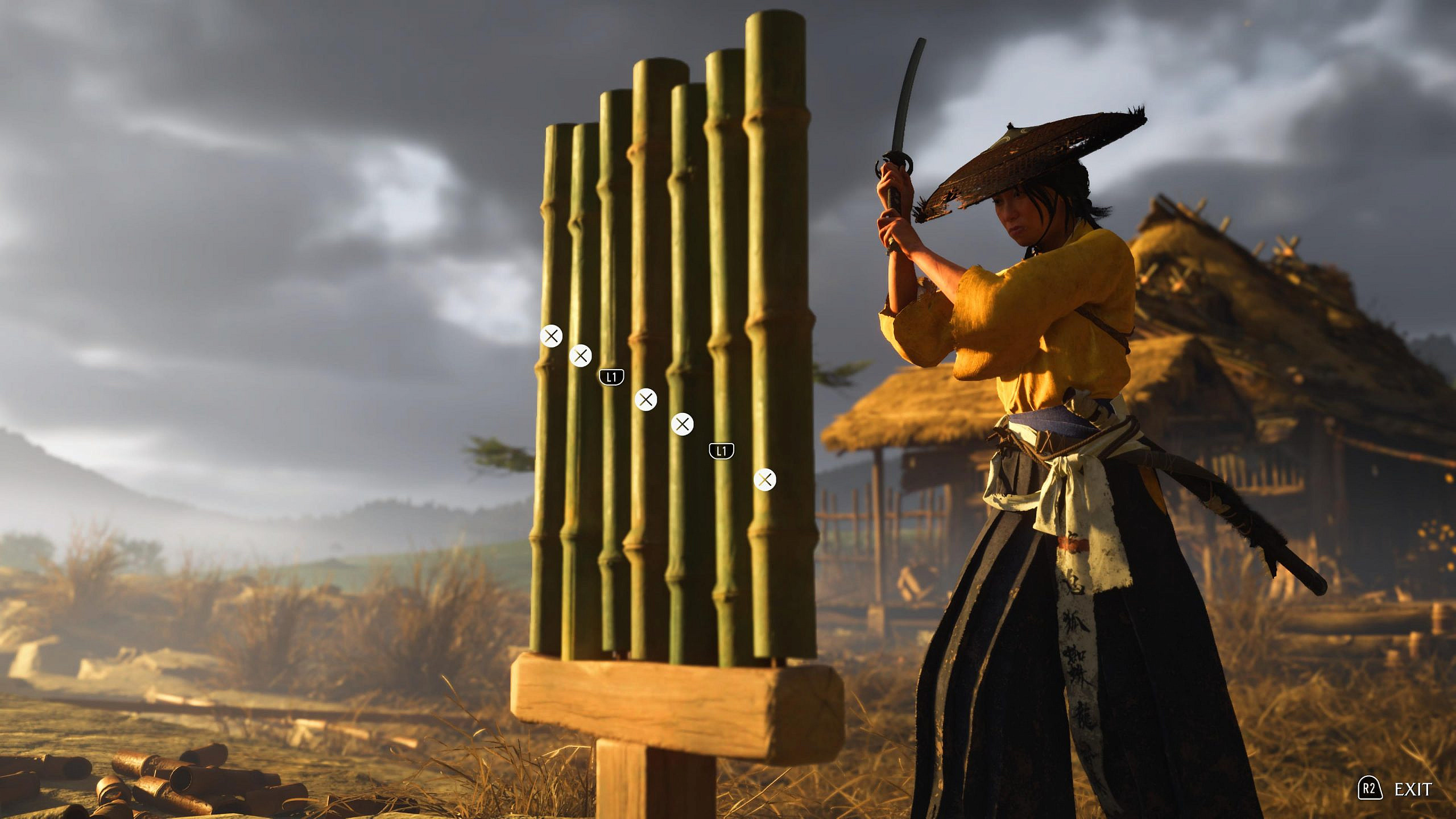
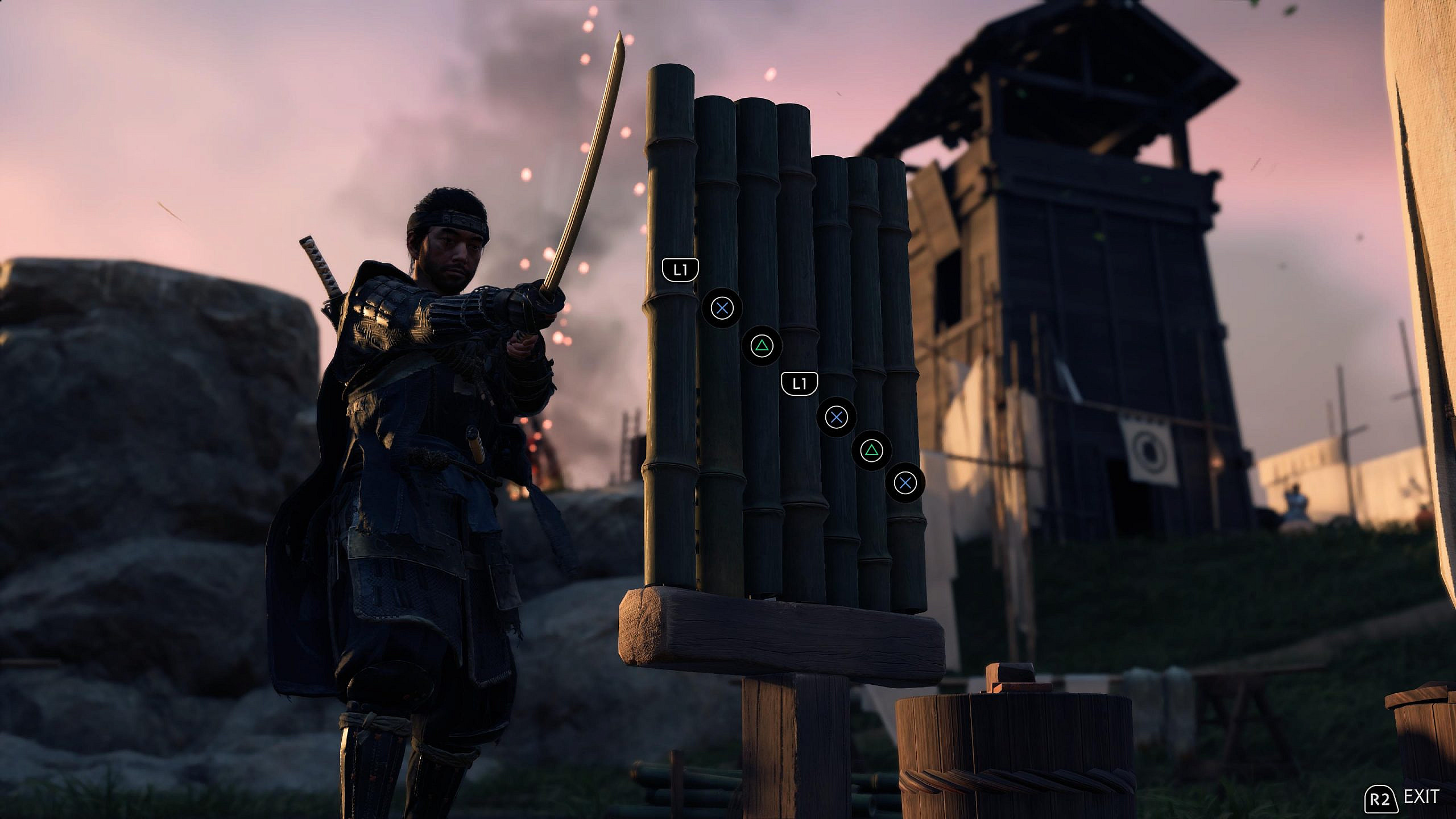
The activities to discover in the open world include fox dens (where you follow a fox to a small shrine and get an item), hot springs (where you sit down to get a maximum health upgrade), shrine climbs (longer climbing sections to reach a shrine and get a charm, which give passive boosts to your abilities), and bamboo strikes (sequences of consecutive button presses to get an upgrade to your Spirit, a resource used for healing and certain attacks). These activities are completely identical to the first game, and there are only a few new activities.
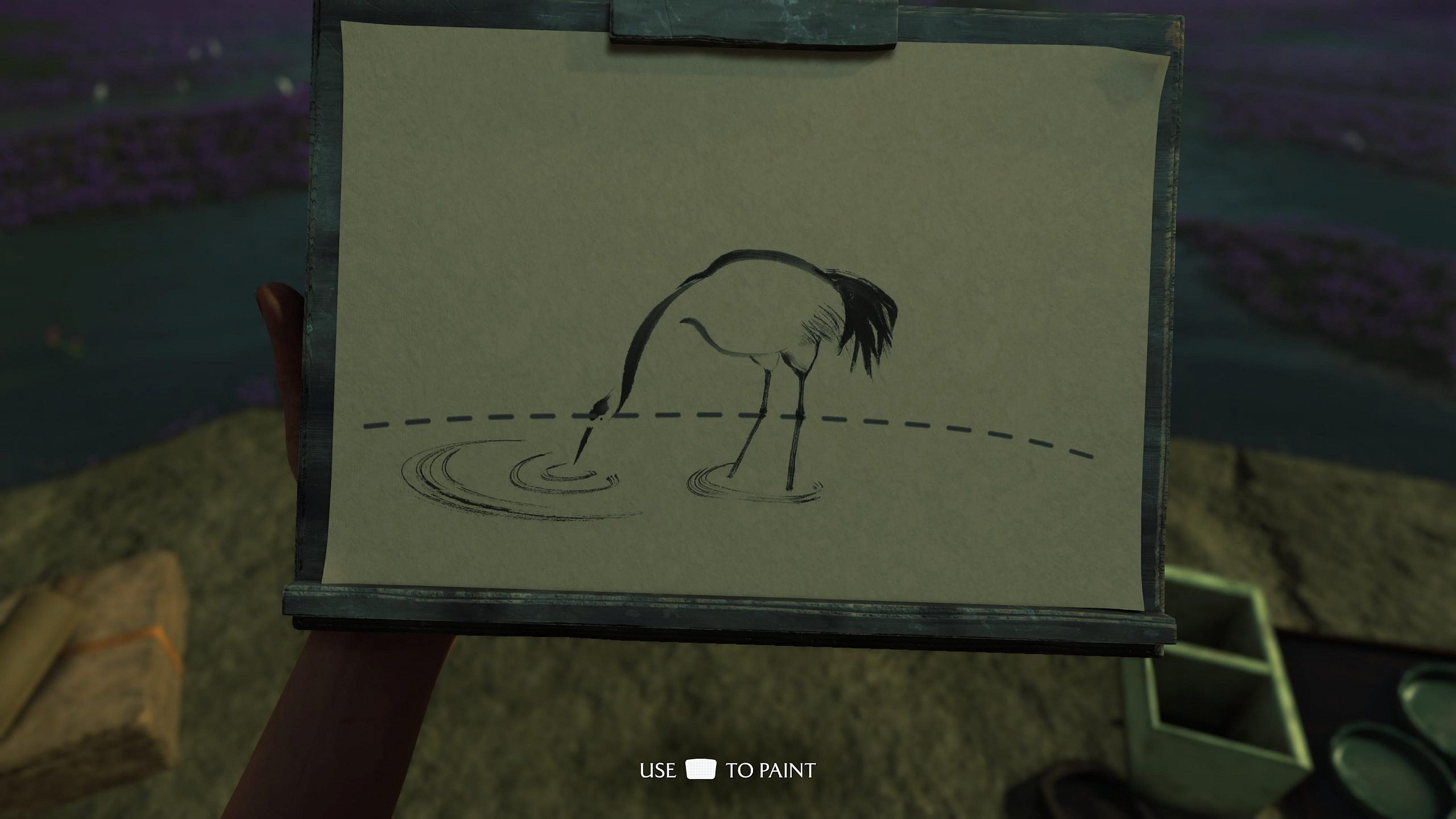
The first of the new additions are Sumi-e paintings (where you sit down to paint a picture by swiping on the controller’s touch pad). These replace haikus from the first game, where you instead sat down to compose a haiku from a selection of predetermined phrases. Another new thing are wolf dens, which are basically just fox dens that end in a combat encounter. And lastly, reliquaries, which are small puzzles that involve turning a set of statues to face a specific direction.
Side quests are also the same as they were in the previous game. There are a handful of more notable side quests or “Myths”, the most unique parts of the game aside from the main story, which involve searching for some rumoured person or thing. These can lead you to some interesting places and have proper rewards such as unlocking new armour sets upon completion. Most side quests however, are not like these and simply have you going to a place to talk to someone and/or do a fight, and then it’s over.
Combat
Combat in these games is mainly melee fighting focused on parrying and blocking, with most encounters also allowing for stealth to pick off enemies one by one. In Ghost of Tsushima, you had one melee weapon with four different stances to switch between at any time with the press of a button depending on what kind of enemy you’re facing such as one wielding a sword, shield or spear, and one stance for dealing with large enemies known as Brutes. This system was fine, although it essentially turned encounters into a game of rock, paper, scissors. The correct stance is almost required to efficiently get rid of enemies, and using anything else is shooting yourself in the foot because of the difference in ability to break an enemy’s guard by using the correct stance compared to any of the other ones.
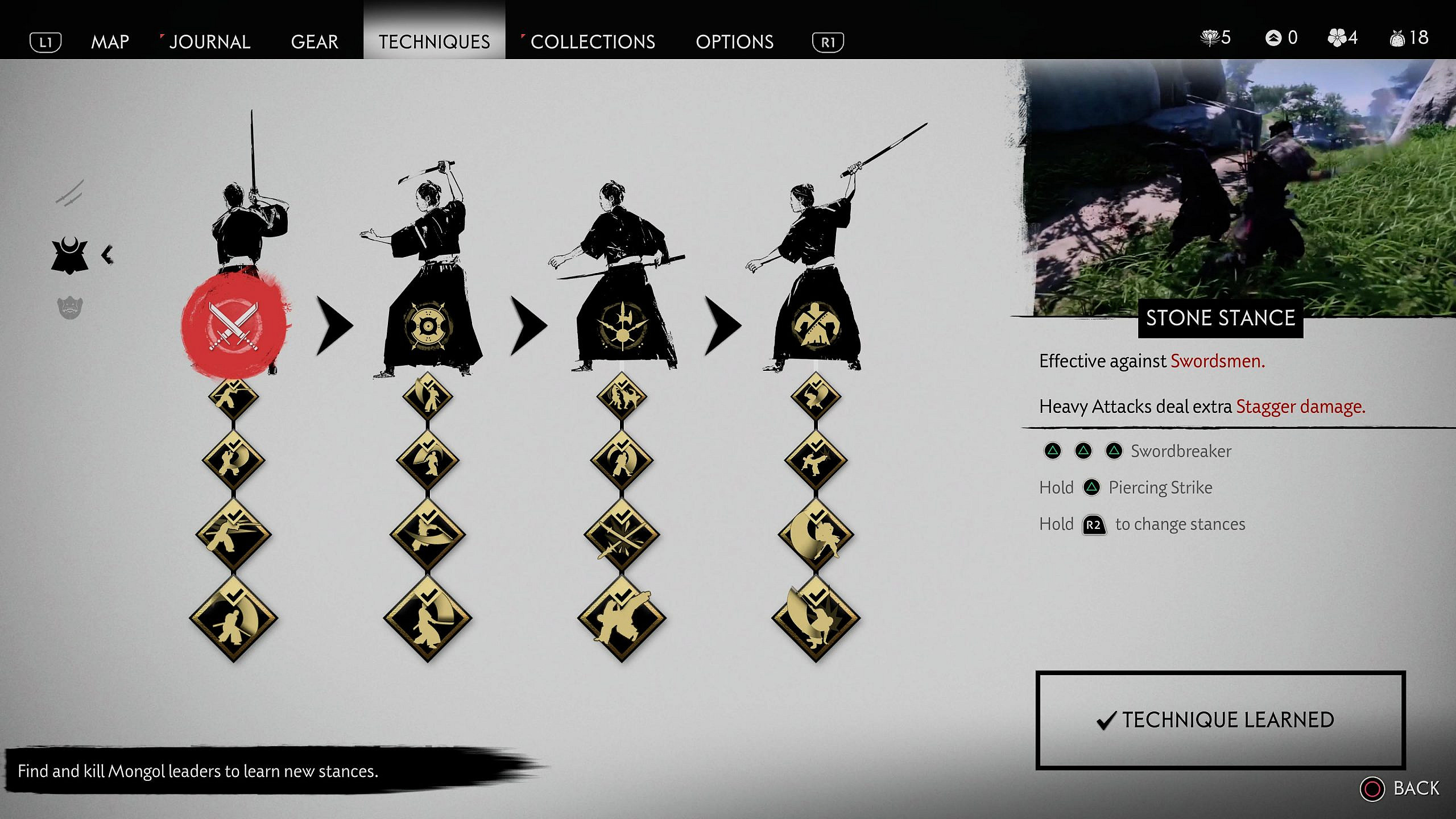
Despite being repetitive, the combat was mostly fine and enjoyable enough to not feel like a chore. Especially on higher difficulies it could be fairly challenging, which made fighting multiple enemies a genuine threat and encouraged you to engage with the stealth mechanics of the game.
Ghost of Yotei meanwhile has you use five different weapon types to achieve the same goal as the weapon stances in the first game. This adds a little more variety to combat but still feels extremely similar, now with the added minor annoyance of changing weapons in combat not being as smooth as changing between stances in the first game. There is one new combat mechanic, disarming: an enemy can do a heavily telegraphed attack that will disarm you if it hits, forcing you to run to get your weapon back before being able to fight again. These can be countered, and if you’re successful, will disarm the enemy instead.
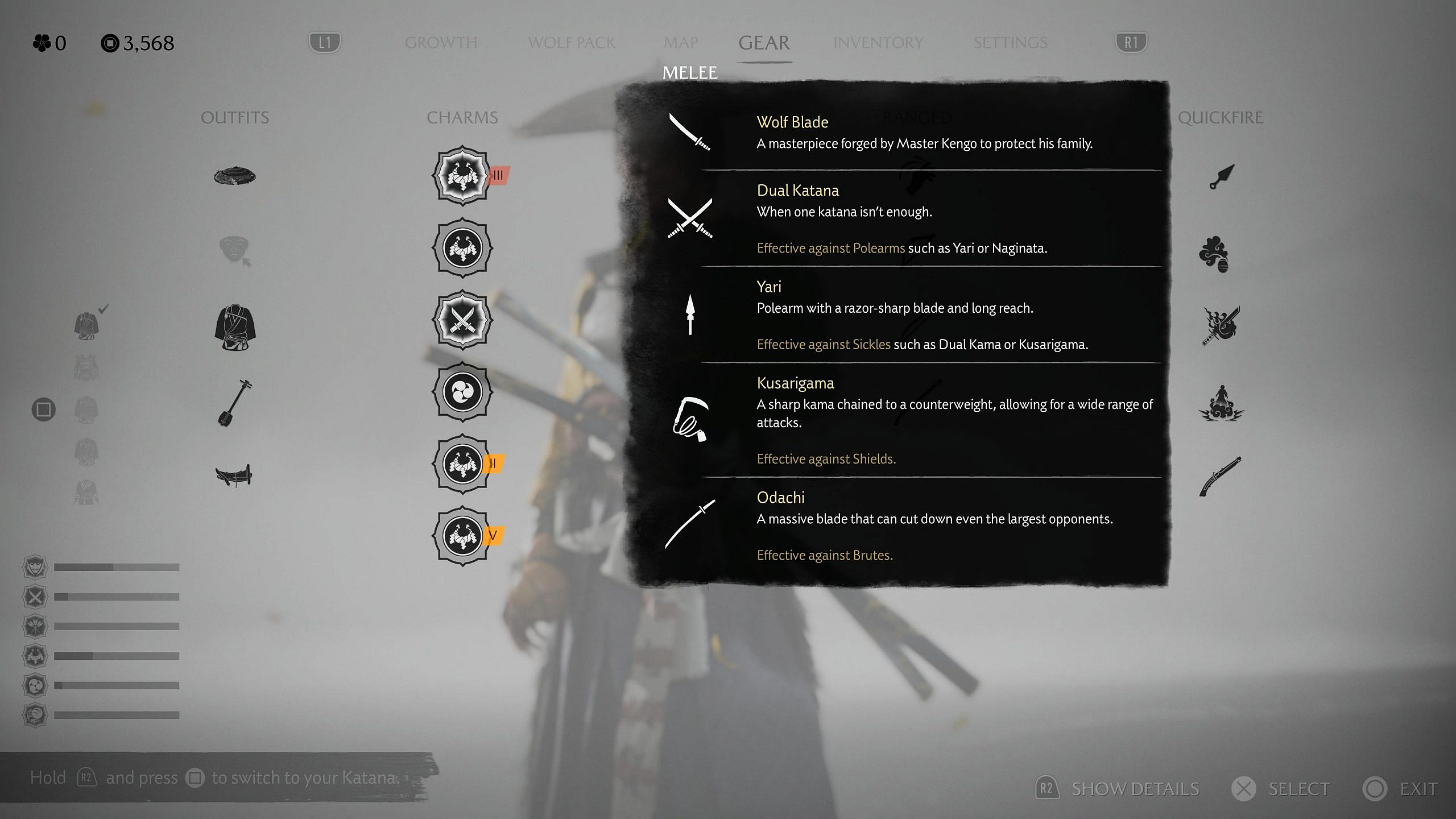
In terms of animations, I vaguely prefer having multiple weapons but wish there was something to differentiate the combat of the games from each other more. In both games the combat eventually boils down to equipping the correct weapon, hitting heavy attack a couple of times to break the enemy’s guard, following up with a few attacks, and repeating. The stances and different weapons do have very different move sets from each other but the general flow in terms of attack inputs and gameplan remains the same regardless of what you use. There are ranged weapons in both games as well, though they are fairly generic and mostly shared across both games. These include two different bows, blowdarts in Ghost of Tsushima and a matchlock rifle in Ghost of Yotei. Further options are throwable items like small explosives and quickfire weapons such as kunai.
Conclusion
Overall, I think Ghost of Yotei is a solid game, but almost all of the activities being rehashed from Ghost of Tsushima, and the nearly identical combat feel are disappointing. In my opinion the open world format doesn’t really add anything to these games, often feeling like padding to have something to do between story moments. Paired with the very restrictive movement, which makes traversal a little dull, and the somewhat monotonous combat, it starts to feel like this game should have been scaled down somewhat. That way it could, for example, have had more unique things to find instead, and possibly more focus on differentiating the combat from the first game. But then again, some of the appeal for these big AAA sequels can come from being more of the same.
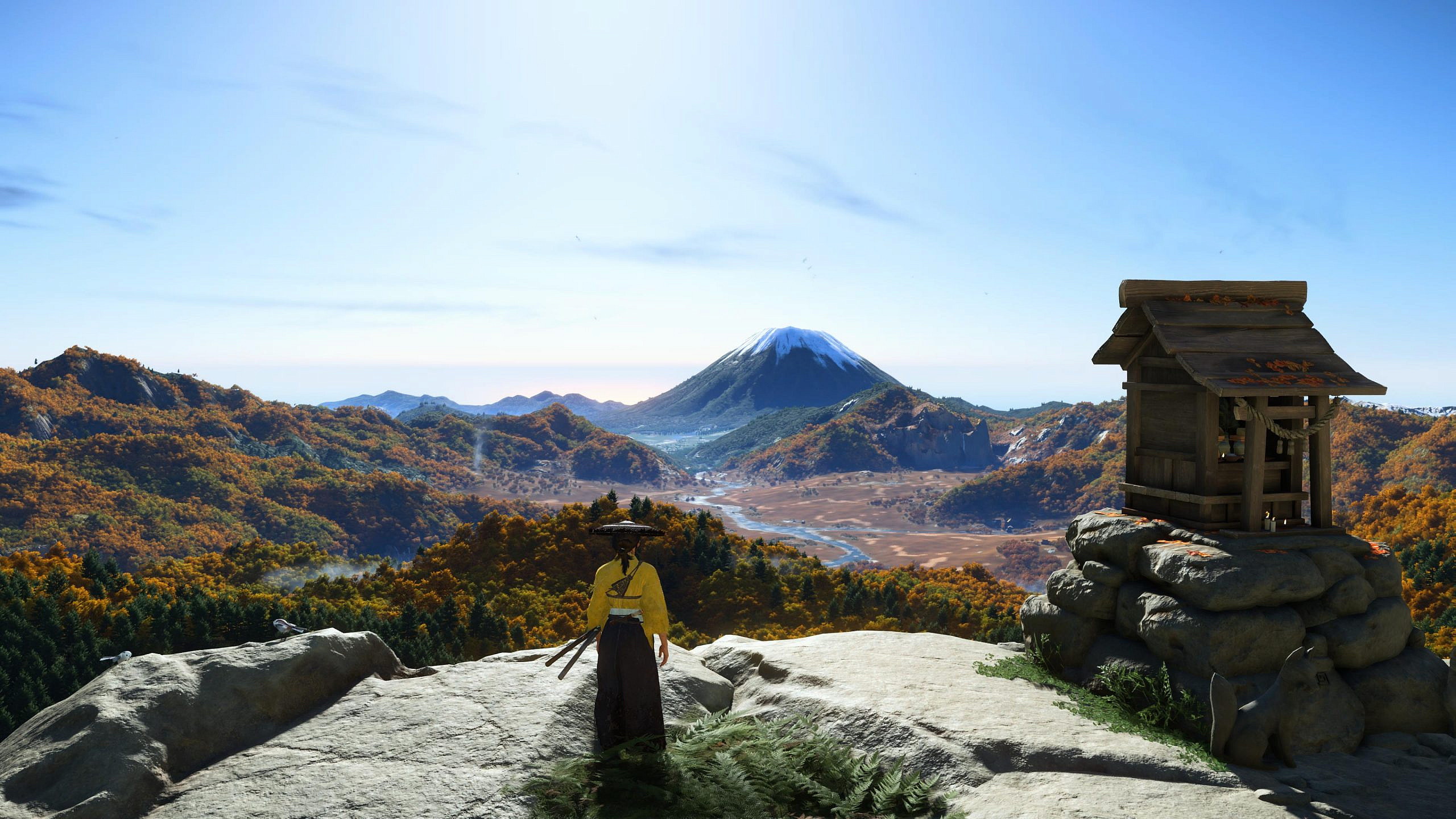
I understand that for a lot of people the games being so similar isn’t necessarily a flaw, and the open world is just a nice place to get immersed and have a good time sightseeing in and enjoying the main story which is a large appeal of the genre. But to me, as a more gameplay focused person, the repetition gets old very fast. Always knowing what you’ll find makes exploration stagnant, and the most interesting reward you’ll ever find in these games is a nice view from climbing your 16th mountain.
Screenshos by author