Games for Change: Can Video Games Promote Mental Health (Literacy)?
How many problems can games solve? With serious games and gamification, the discussion of games has at times turned from ”games are ruining the youth” into ”games might heal the…

Topical game research articles picked up and referenced by PlayLab! writers.
How many problems can games solve? With serious games and gamification, the discussion of games has at times turned from ”games are ruining the youth” into ”games might heal the…
In recent years, the rise of indie developers has resulted in the development of many creative games. But indie developers face many challenges. In this article, we investigate the problems and offer some solutions. #IndieGames #IndieDevelopers

Barriers and inaccessible game-design are still issues in gaming – but exactly how accessible are some of the most popular games? #MostPlayed #Accessibility #GameDesign
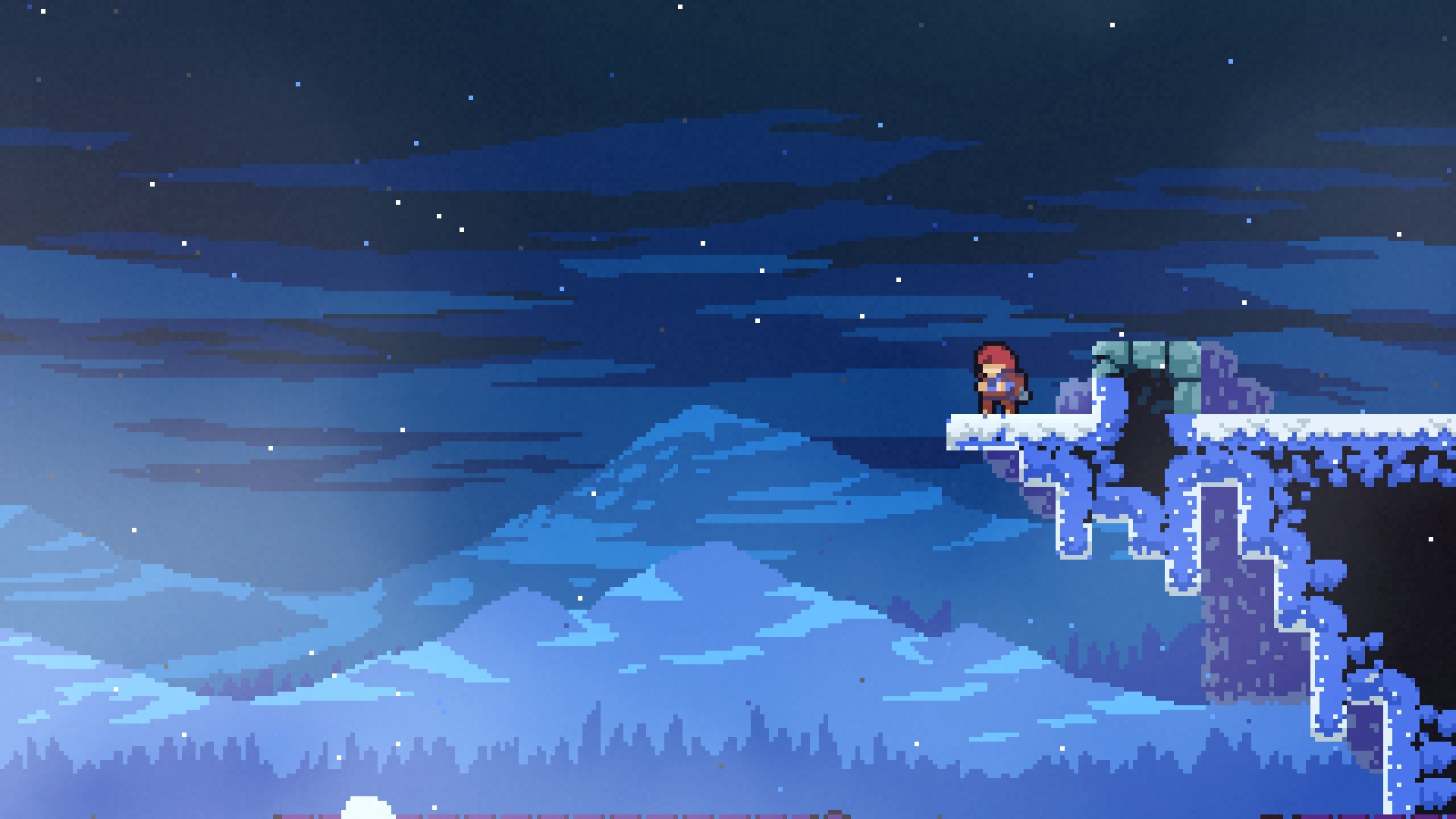
This text explores how Celeste combines psychology and game design to make struggle feel meaningful. By drawing on Jung’s ideas and the Hero’s Journey, it looks at how a difficult climb can become a gentle reflection on failure, persistence, and self-acceptance.
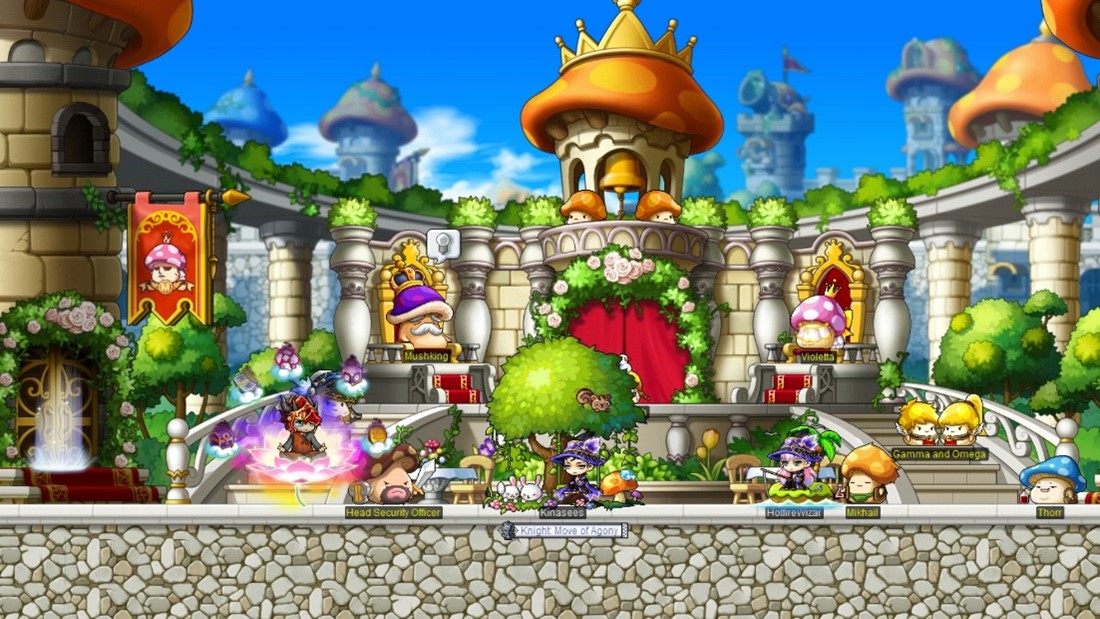
400,000 players revolted against the game Maple Story, causing a new law to mandate that the probably of random systems to be disclosed in South Korea. In this research by Park and colleagues, they highlight the importance of player activism, reflecting on the Maple Refugee incident.
Everyone dreams of winning the lottery. Few manage to, and even more spend their entire lives trying. Now, gambling disguised as mechanics is getting increasingly normalized, and soon, gaming will be synonymous with taking a risk. This article is a critique of the current state of the industry.
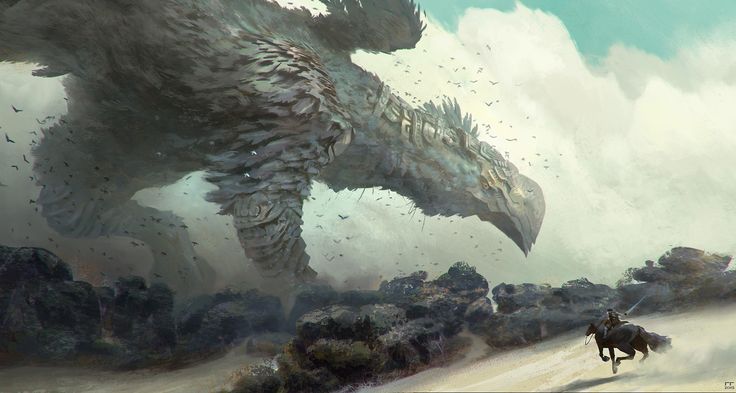
What if the stories you live through in games were the myths of today? Ludomythologies is a fresh research publication that unpacks how games create and transform modern myths that shape culture and imagination. Ready to see your favorite games from a new, surprising perspective? #GameStudies #MythMaking #Ludomythologies

The game industry today is larger than it has ever been before. This also means that there is considerable money to be made in the video game industry. However, money begets money, and game development requires a lot of it. This is where “Get Funded!” comes in. #indie #funding #gamedevelopment
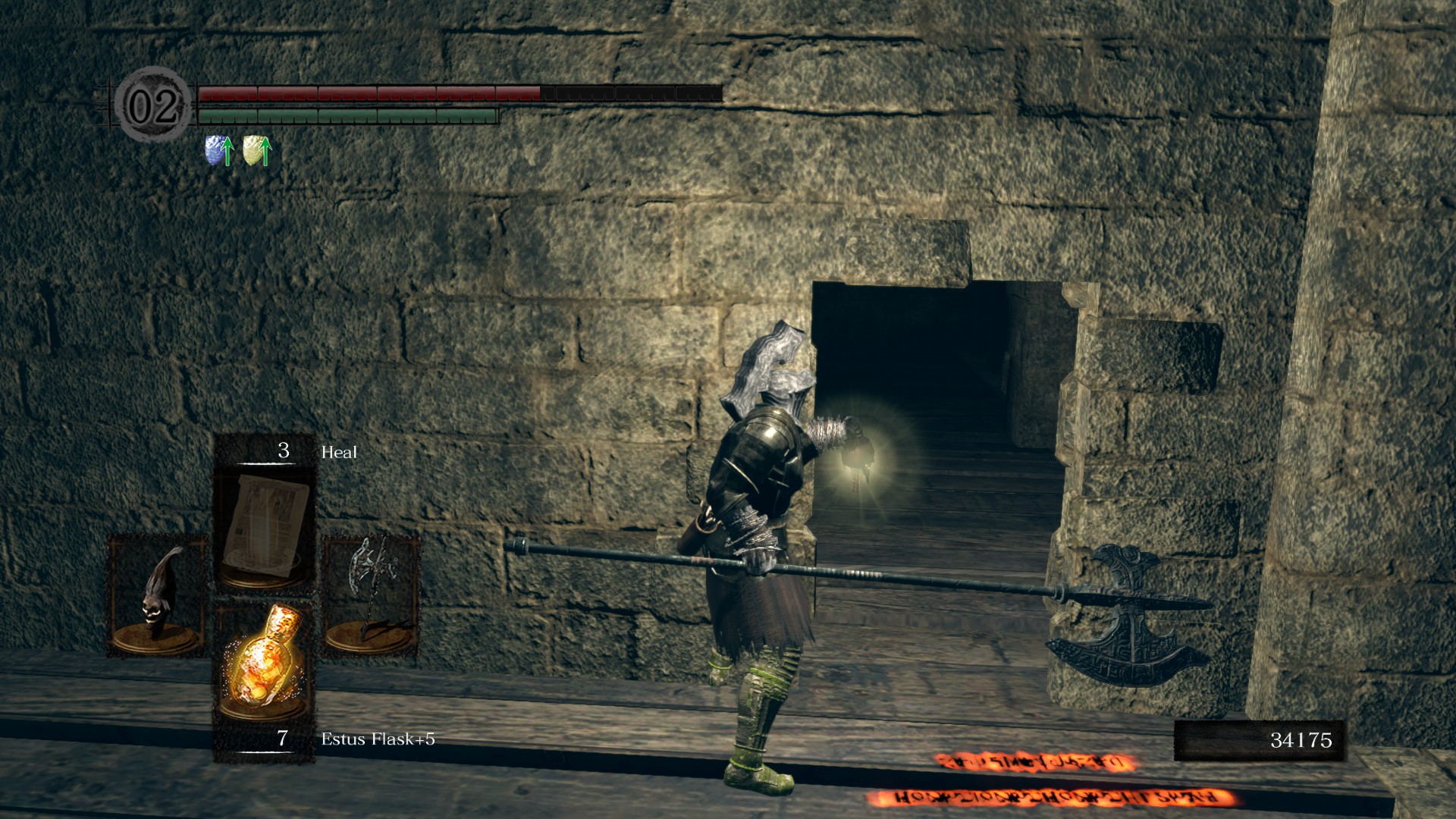
What makes a game world feel mysterious and unknowable? A ten-year-old game studies paper provides a compelling answer. #mystery #adventure

Can playing RPGs contribute positively to your wellbeing? A recent study aims to find out how RPGs are being used in therapeutic practises and what results they've yielded thus far. #MentalHealth #RPG
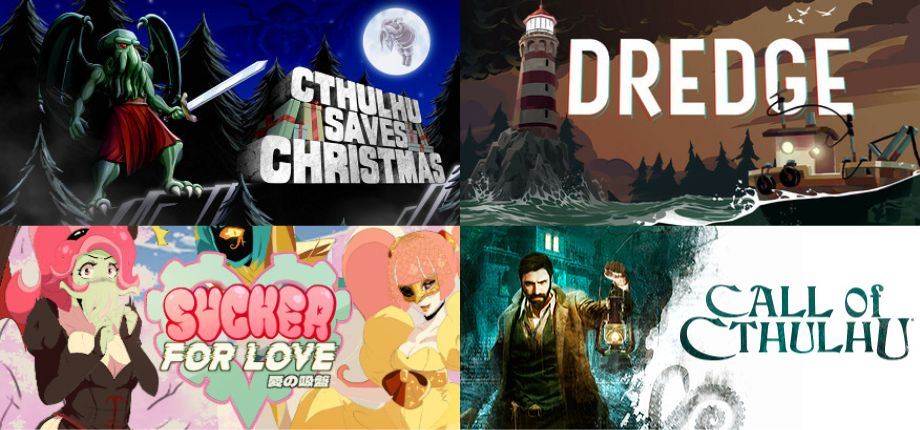
H.P. Lovecrafts legacy lives today in the shared world of Cthulhu Mythos and its iconic monsters. Prema Arasu defines the meaning of “Lovecraftian” and what it means to consumers through investigating Steam users applying the Lovecraftian tag. #Lovecraftian #Steam #Games #Culture
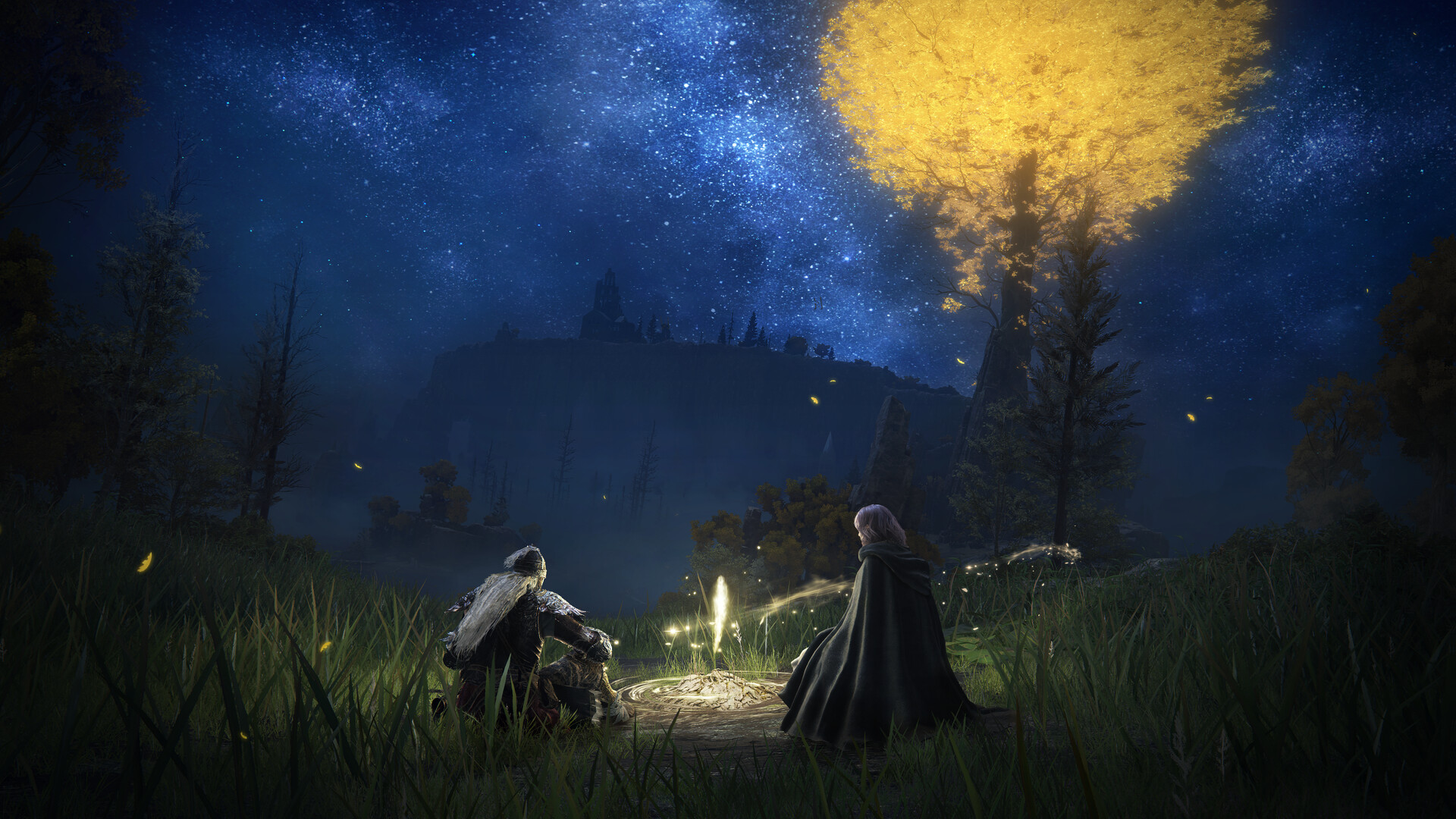
Dom Ford’s Approaching FromSoftware’s Souls Games as Myth reveals the Souls series as a modern mythology where gods fall, desires corrupt, and players become storytellers. #gameresearch #DarkSouls #EldenRing #Mythology
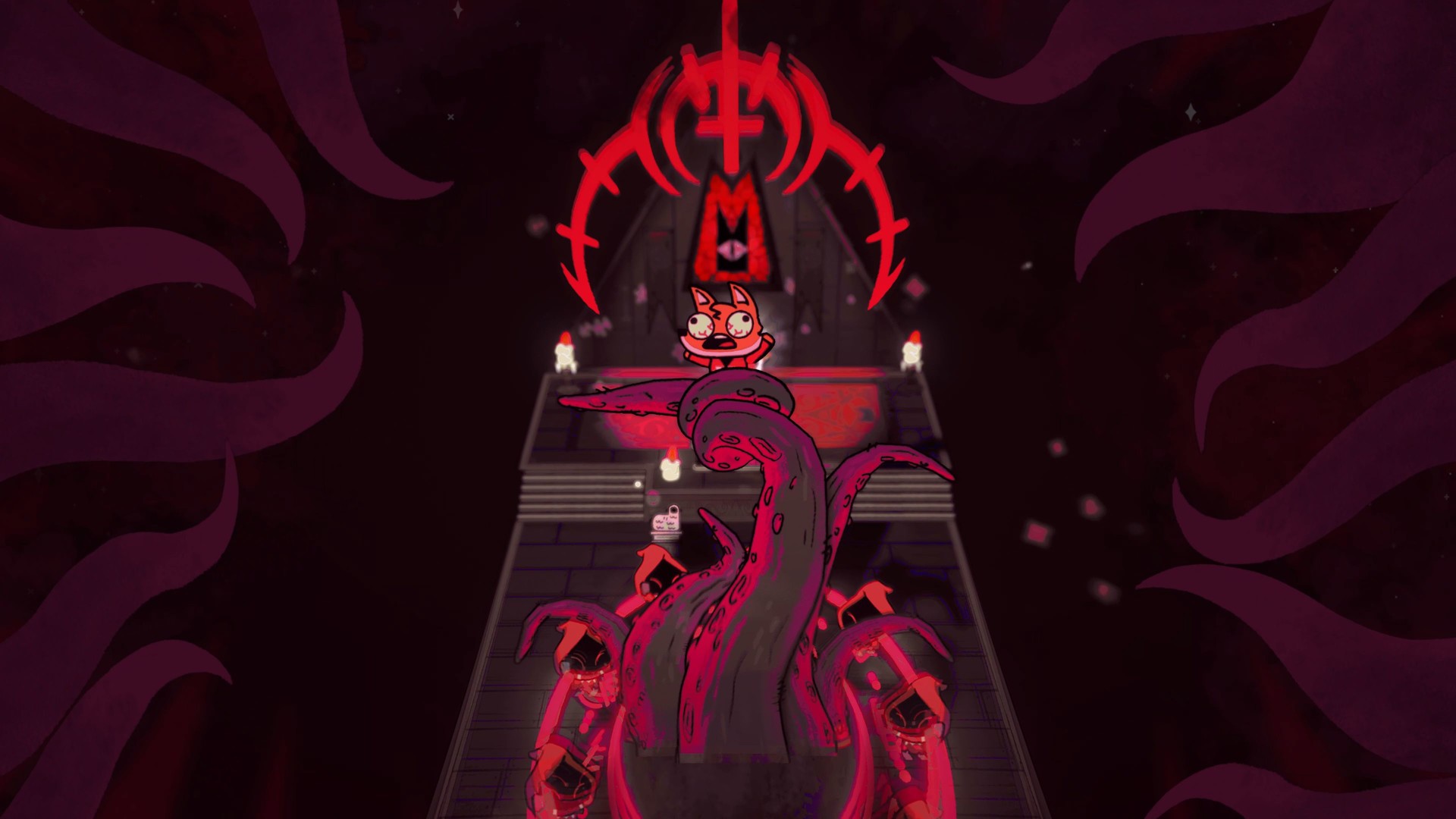
Cute, wholesome, safe....dark, heavy, violent? Let's talk about dark cozy games!

Game jams are a fun way to develop games as a hobby, but maybe there could be serious positive impacts of these game creation events.
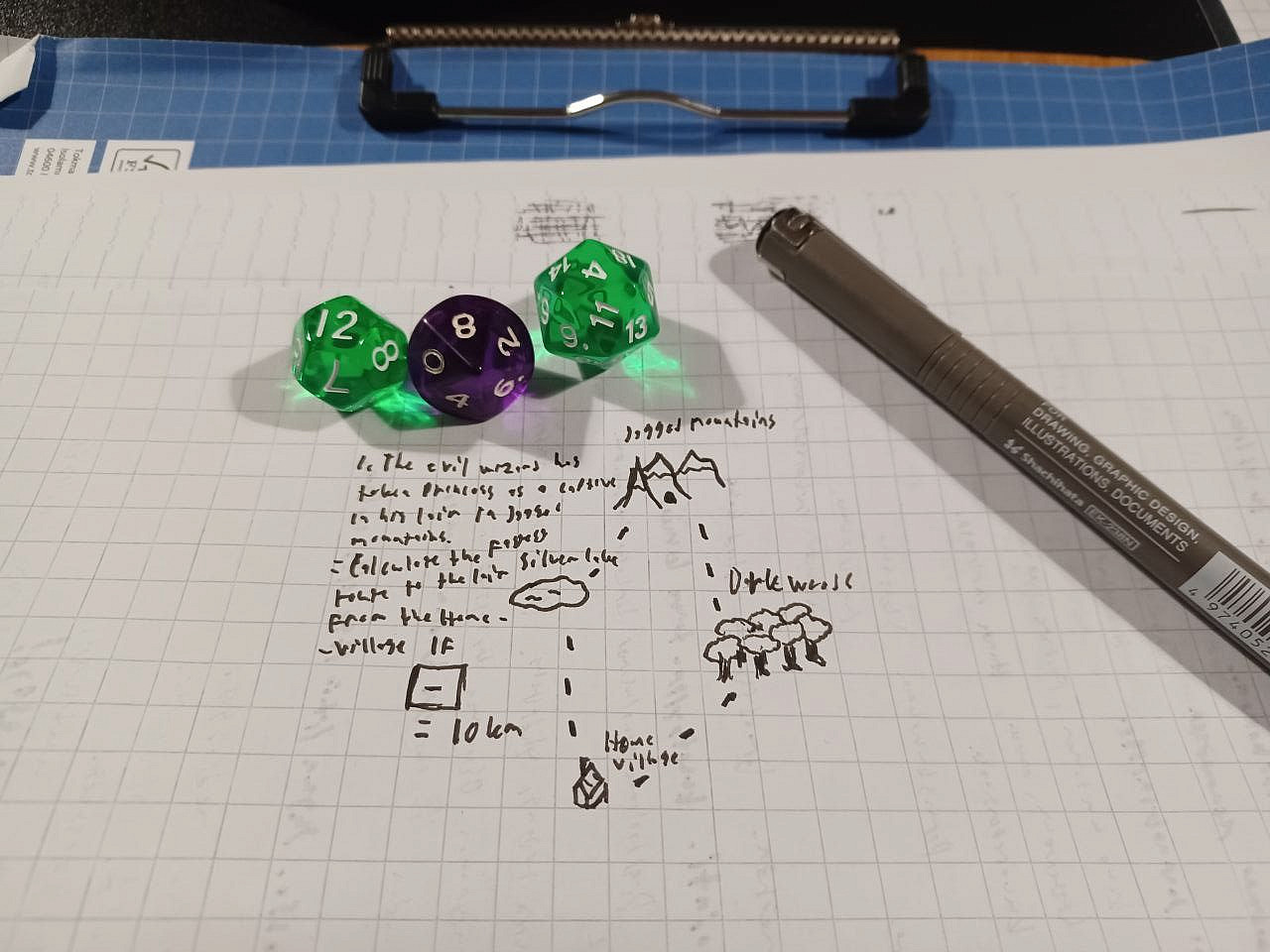
Rolling dice and calculating distances that are required to plunge and arrow into a well poisoning madmen isn’t something people would expect happening in a formal education setting. However, a study shows that incorporating play behavior into curriculum has notable, yet understudied benefits in classrooms. #roleplayinggames #education #gameresearch
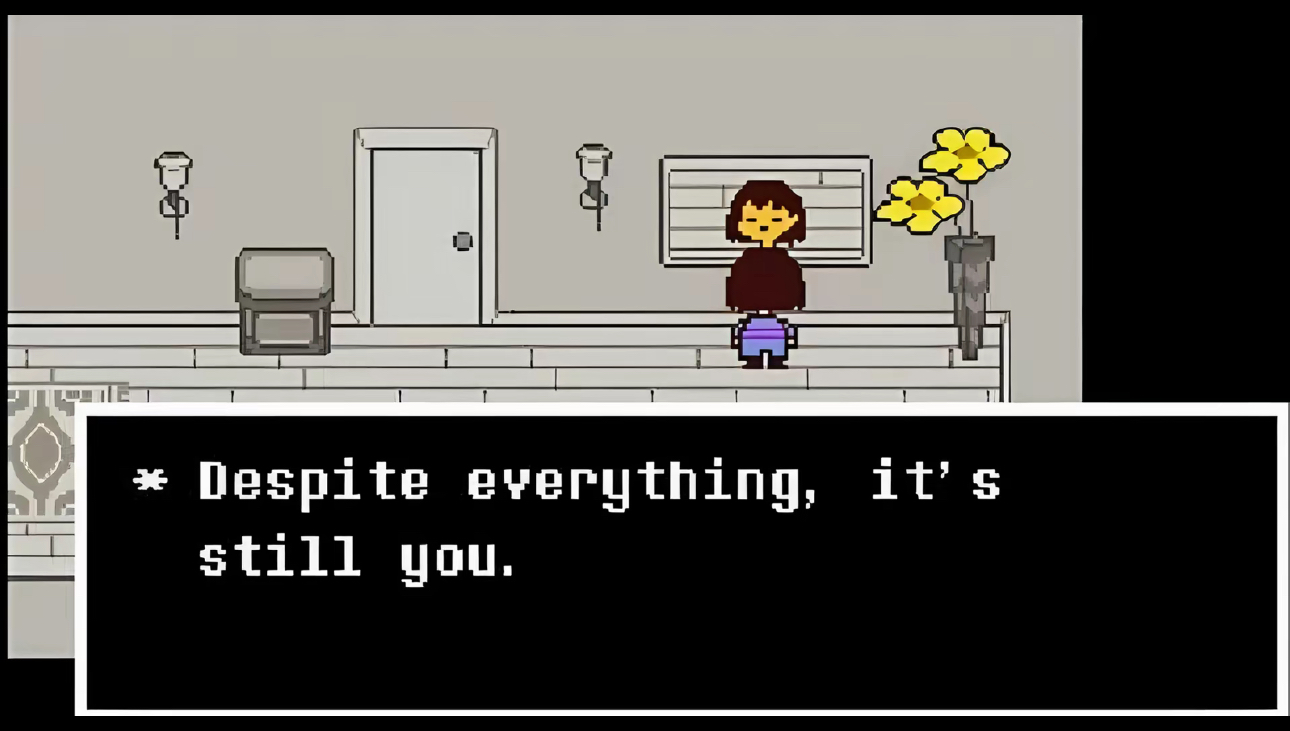
What if your game character could change who you are? Sounds dramatic, but Kjell Hedgard Hugaas explores this question through #bleed, the crossover between players and characters. As it turns out, #RPGs don’t just tell stories, they reshape #identity and unlock new dimensions of #self-discovery.

Turns out, that game industry professionals, video game enjoyers and creators of mods have different opinions about game modding

Why do people play games? Just because it's fun? This research doesn't think so.

Migrants in the gaming industry can face difficulties in acclimating to the host country’s culture and ways, and these concerns should be addressed for easier integration.