If you are trying to upgrade or build a PC right now you have probably noticed the same thing. RAM (random-access memory) prices are insane, graphics card (GPU) availability is becoming unstable, and previously affordable storage feels strangely out of reach. It’s not just bad luck or temporary issue with product stock. What we are experiencing today is the result of massive artificial intelligence investments.
The PC building scene has already been battered over the last few years. First came the crypto boom that devoured GPUs, then the pandemic that disrupted manufacturing and pushed demand through the roof. We barely caught a break from having to spend a fortune on one part, yet we find ourselves in the exact same situation. Now we have to deal with the global race to build datacentres for running artificial intelligence.
To understand why memory prices are rising right now and why GPUs are again becoming difficult to buy, we need to look at what the major tech companies are up to in the market.
NVIDIA and the AI goldrush
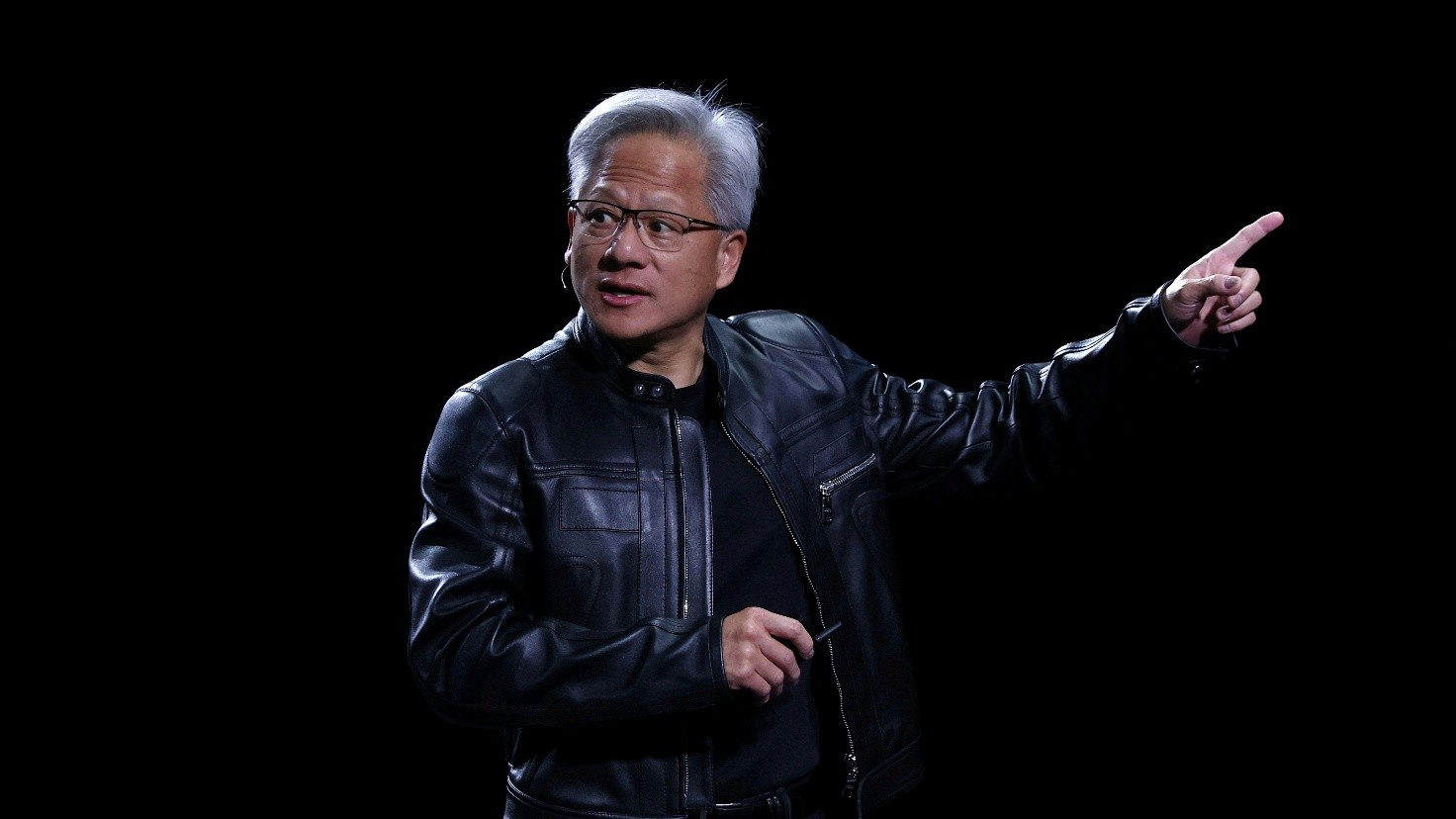
For decades, NVIDIA was the company gamers relied on for powerful graphics cards. When the company realised the power they have, everything changed. Consumers and gamers alike seem to be on the sideline as NVIDIA’s new favourite child, AI, is growing up. Yes, AMD and Intel make GPU’s too, but NVIDIA still holds the strongest position in high‑performance graphics and productivity tasks.
This has led to NVIDIA reigning supreme in AI use, further boosting its financial situation. According to an article from PC Gamer, NVIDIA now earns almost ten times more revenue from AI than from gaming. Already a year ago, in February of 2025, Tom’s Hardware noted that NVIDIA’s data centre business outperformed gaming revenue by more than fourteen times! It’s easy to see why they’re no longer as interested in the audience that initially enabled their position in the market. No matter how unfair it feels, consumer graphics cards simply fall behind in priority. For regular PC builders, this means fewer cards on store shelves and prices that rarely bend in their favour.
What has this got to do with memory?
Here’s where things get technical, but it’s also the heart of the issue so bear with me.
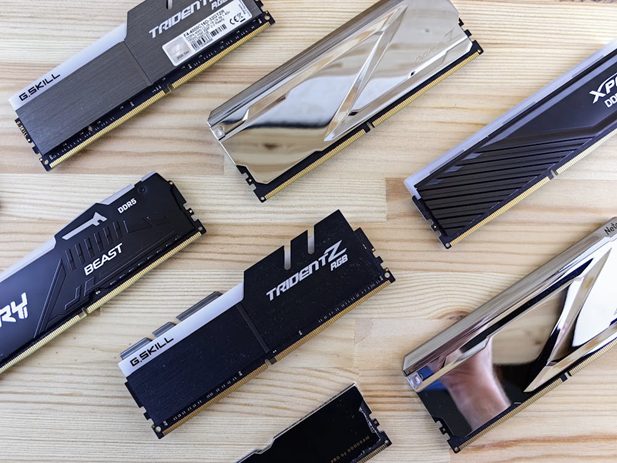
As mentioned, the main reason for the current price increases is AI. Artificial intelligence has surpassed both hardware demand spikes of Covid and the crypto mining boom. Modern AI models require enormous computing capacity, and that capacity depends on two essential components: graphics cards, which perform the heavy calculations required to train and run AI models and then the current source of many people’s empty wallets, memory. Specifically, DRAM (dynamic random-access memory), which GPUs and servers rely on to store data during computation.
This relationship is critical. A GPU needs large amounts of memory to perform well. AI‑focused GPUs often require hundreds of gigabytes of high-performance memory per system, and entire data centres contain thousands of these accelerators working in parallel. In comparison, a modern gaming GPU can have 16 gigabytes. All of this means the current AI growth is consuming both GPUs and memory from the same global infrastructure, and the PC market, especially consumers, feel the impact immediately. So, in short, all the memory we used to have reserved for gaming and everyday purposes, whether RAM sticks, SSDs or GPUs is flowing to AI companies instead.
Company greed
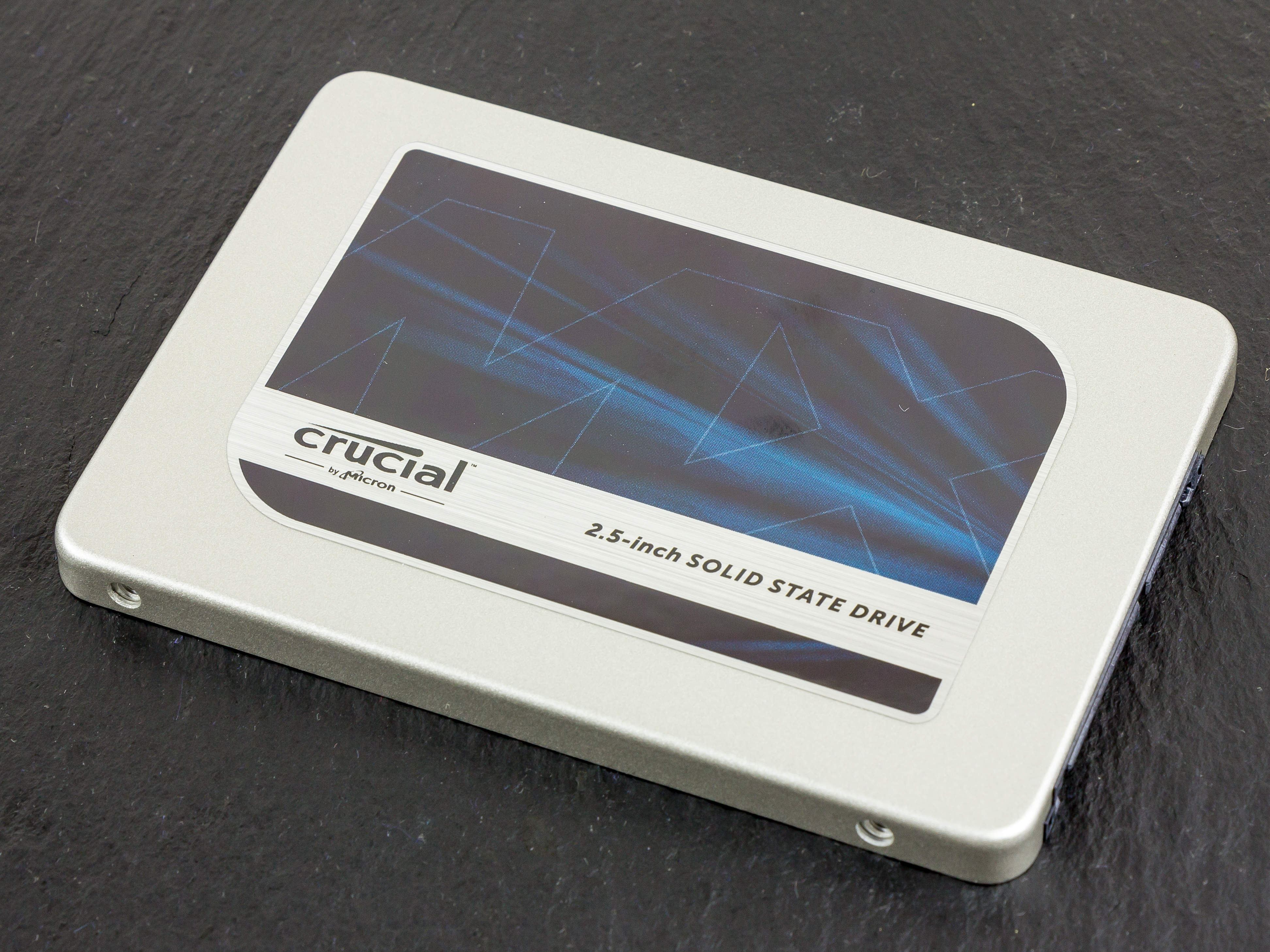
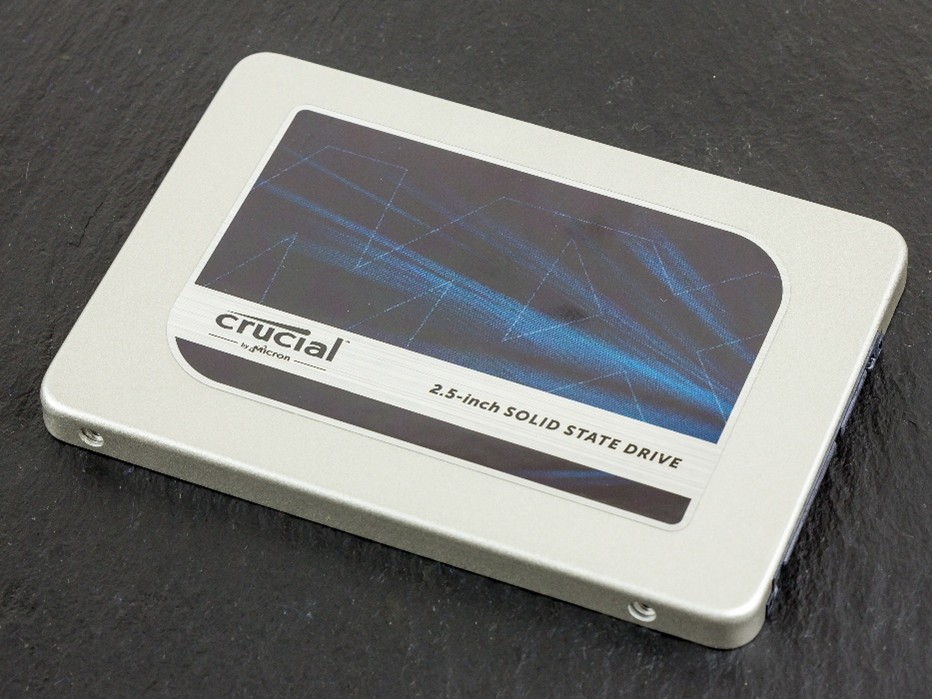
To make matters worse, Micron, one of the world’s largest memory manufacturers announced that it is pulling out of the consumer RAM market in December of 2025. Especially the company’s Crucial brand was well known to consumers and a reliable choice for many PC builders. The company’s strategy shift means one of the most important suppliers is leaving the consumer market at a “crucial” moment (*padum tss*). Alas, the greed to go all in on the AI train seems to hold a higher value for Micron than the feelings of their long-time customers.
Bubbles tend to pop
So how long can the situation persist? Well, according to the plans of OpenAI, the company responsible for the creation of ChatGPT, it doesn’t look good. A report from Tom’s Hardware in October of 2025, reveals that OpenAI has made deals with known memory manufacturers Samsung and SK Hynix to reserve roughly 900,000 DRAM wafers per month. Analysts estimate this equals up to 40% of global DRAM capacity. Sounds like the consumers are in for a desperate time. But what if it all falls apart?
I don’t want to pay, what now?
Unfortunately, RAM isn’t likely to return to early‑2025 prices anytime soon. If your current PC works, your best strategy is to wait and avoid upgrading unless absolutely necessary. For gaming, I’d suggest looking at the used PlayStation 5 market (or new, if that’s your jam) since those are generally sold for around 350€ in Finland.
If you’re desperate to get rid of some money and feel a difference with your PC setup, I suggest you look into the audio side and invest in hi-fi headphones. It may be surprising, but all the “gamer” headphones are not necessarily the best sounding or even best performing for gaming! Perhaps also consider a USB or XLR microphone to please your friends’ ears during Discord calls. Or maybe use TeamSpeak, since Discord also screwed all of us over with the upcoming age verification trick.
General information
Image links:
Cover photo by Timur Kozmenko from Pexels: https://www.pexels.com/photo/illuminated-interior-of-pc-tower-10684919/
Ram photo by Andrey Matveev from Pexels: https://www.pexels.com/photo/high-performance-ram-modules-on-wooden-surface-34006659/
Photo of Crucial SSD: https://upload.wikimedia.org/wikipedia/commons/e/ed/Crucial_SSD_MX300_525GB-8478.jpg
NVIDIA logo: https://www.heute.at/i/nvidia-investiert-milliarden-in-ki-zentren-mit-openai-120132534/doc-1j5pcp47u4
Photo of Jensen Huang: https://www.heute.at/i/nvidia-chef-jensen-huang-vom-aussenseiter-zum-techstar-120127253/doc-1j3lu48654