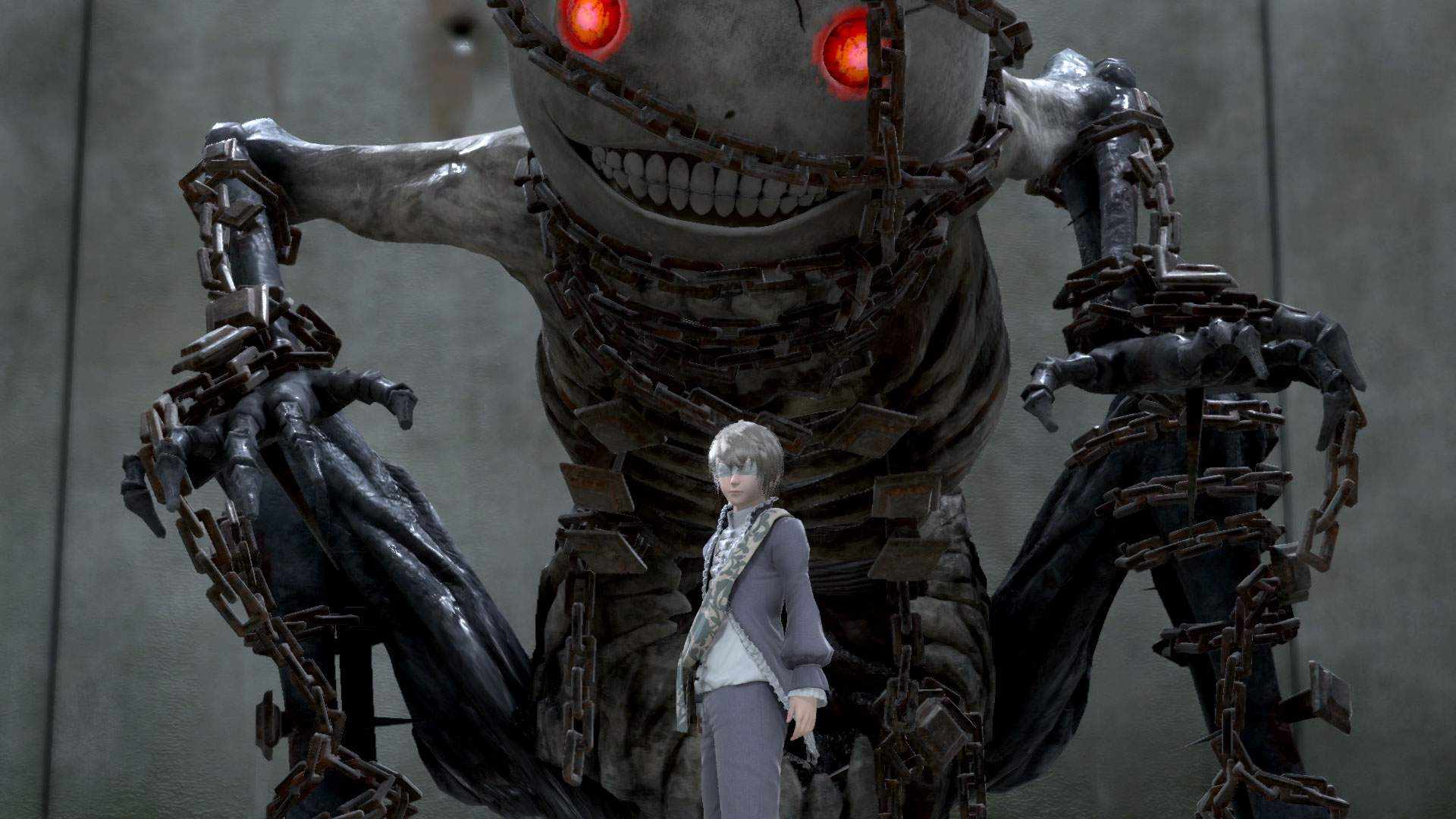
A young boy sets out on an adventure to save his little sister. Or was it a story about a father and his young daughter?
Developed by Toylogic Inc. and published by Square Enix, NieR Replicant ver.1.22474487139… (2021) is a remake of NieR Replicant – or as it is better known in the west: NieR Gestalt (both released in 2010) – and a prequel to the critically acclaimed NieR: Automata (2017). The reason there are two different versions of NieR is that it was believed the Western audience would prefer a version with an older character, as was the trend in Western games back in the 2010s2. The old games differ in that NieR Replicant follows a young man trying to save his sister, whereas NieR Gestalt follows an older man trying to save his daughter. While the originals are worth looking into – at the center of this review is the remake. Let me set the scene.
We follow a young boy who is struggling to provide for his little sister suffering from a rare disease called Black Scrawl, aptly named given the symptoms – a dark, text-like rash that appears on the skin of the afflicted. Canonically, he is known as “a young boy”, who we get to name at the start of the game. However, for the sake of consistency, the community at large has decided to name him after the series: Nier. Our protagonist then heads on an adventure to save his sister, along with his comrades he meets along the way, fighting monsters named ‘Shades’ that obstruct his progress.
It is a story very much unlike the ones you see in other games, because it feels like something beyond your control. I do not mean to suggest that the player does not get to do anything but watch cinematics – rather, it feels much more impactful because you feel personally involved. You are the one at the steering wheel, but you are not the one to decide on the road or the destination. As if there is fate at work, the narrative unforgivingly unravels. The story is unbelievably confusing the first time you play through it, and it feels intentional. You see everything from the eyes of the ignorant protagonist, and everything he learns; you learn as well. Your companions – the floating partner Grimoire Weiss, the foul-mouthed warrior Kaine, and the young mysterious wizard Emil – too, are not mere ornaments without character, nor are they simply there to make the combat flow. These are characters with their own backstories and personalities you learn of in due course.
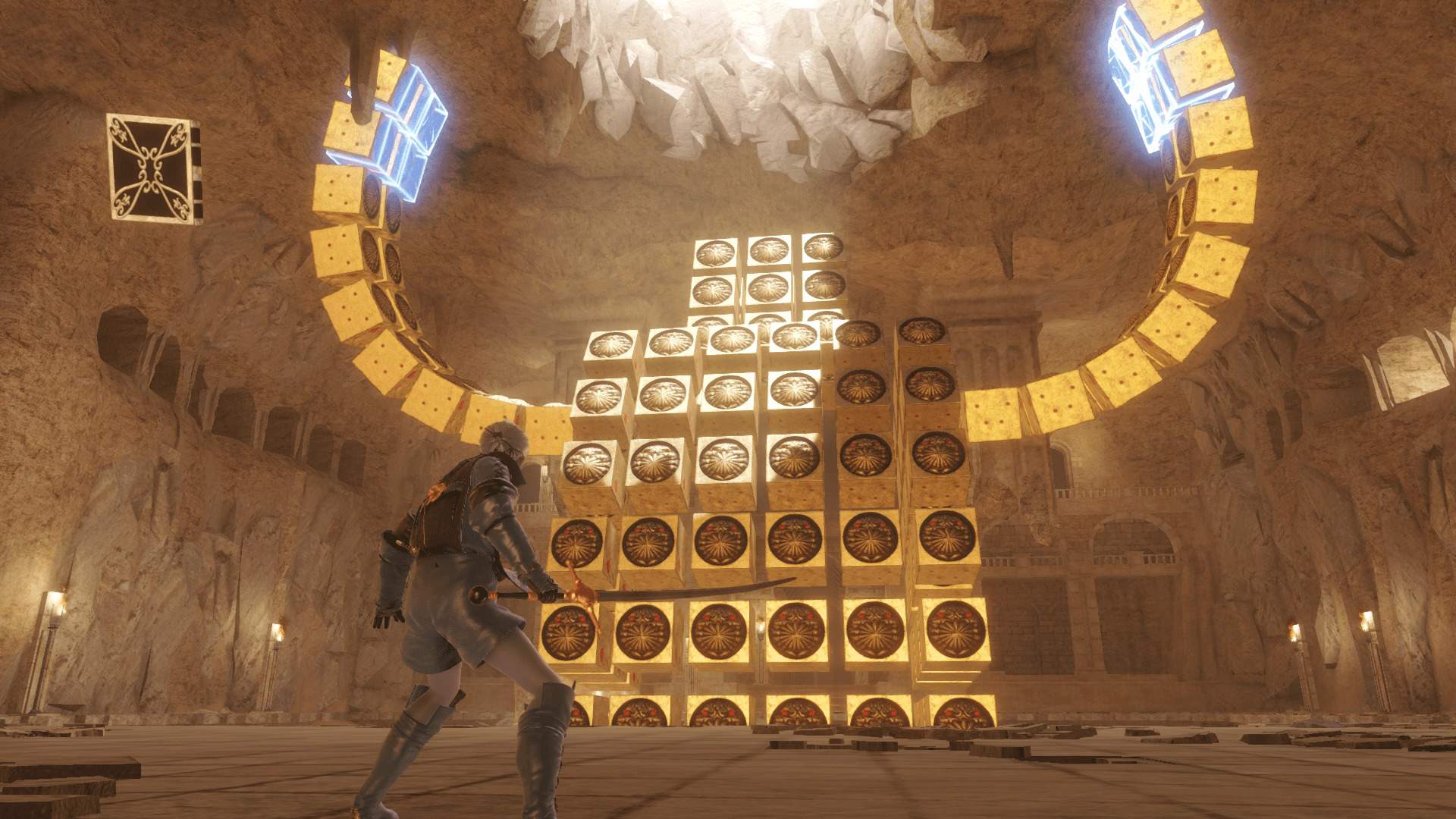
While I adore the game, I am not so blind as to ignore its faults. The gameplay is quite straightforward, and there is nothing about it that especially stands out, whether now or back in 2010. This holds especially true when comparing it to its sequel NieR: Automata (2017), developed by Platinum Games (known for their expertise in fighting games). So, while it is by no means bad nor unoriginal, if that is a dealbreaker for you, I would let this game stay in the back of your mind for now. There are a lot of fetch quests and missions where you simply move from place A to place B.
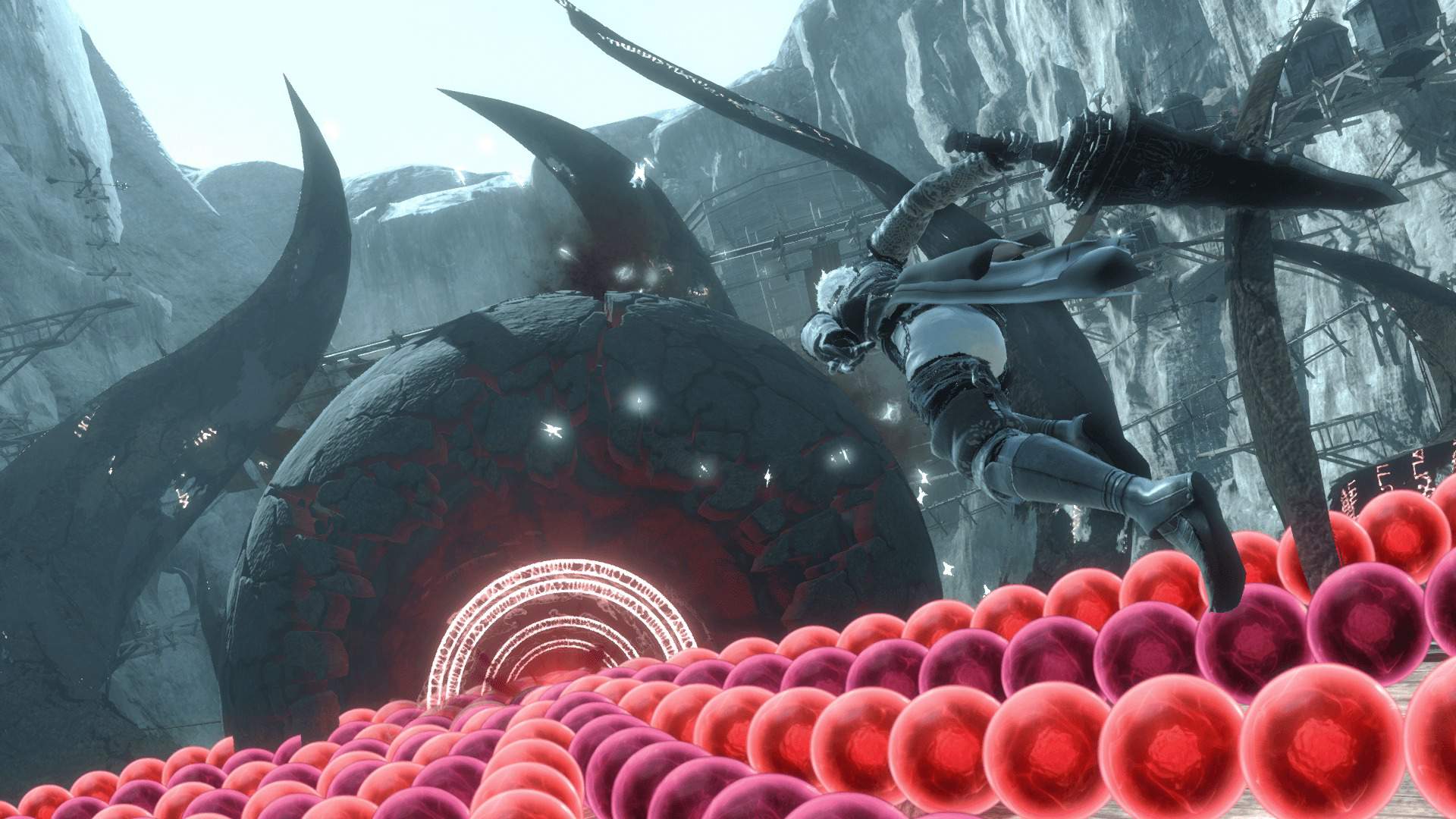
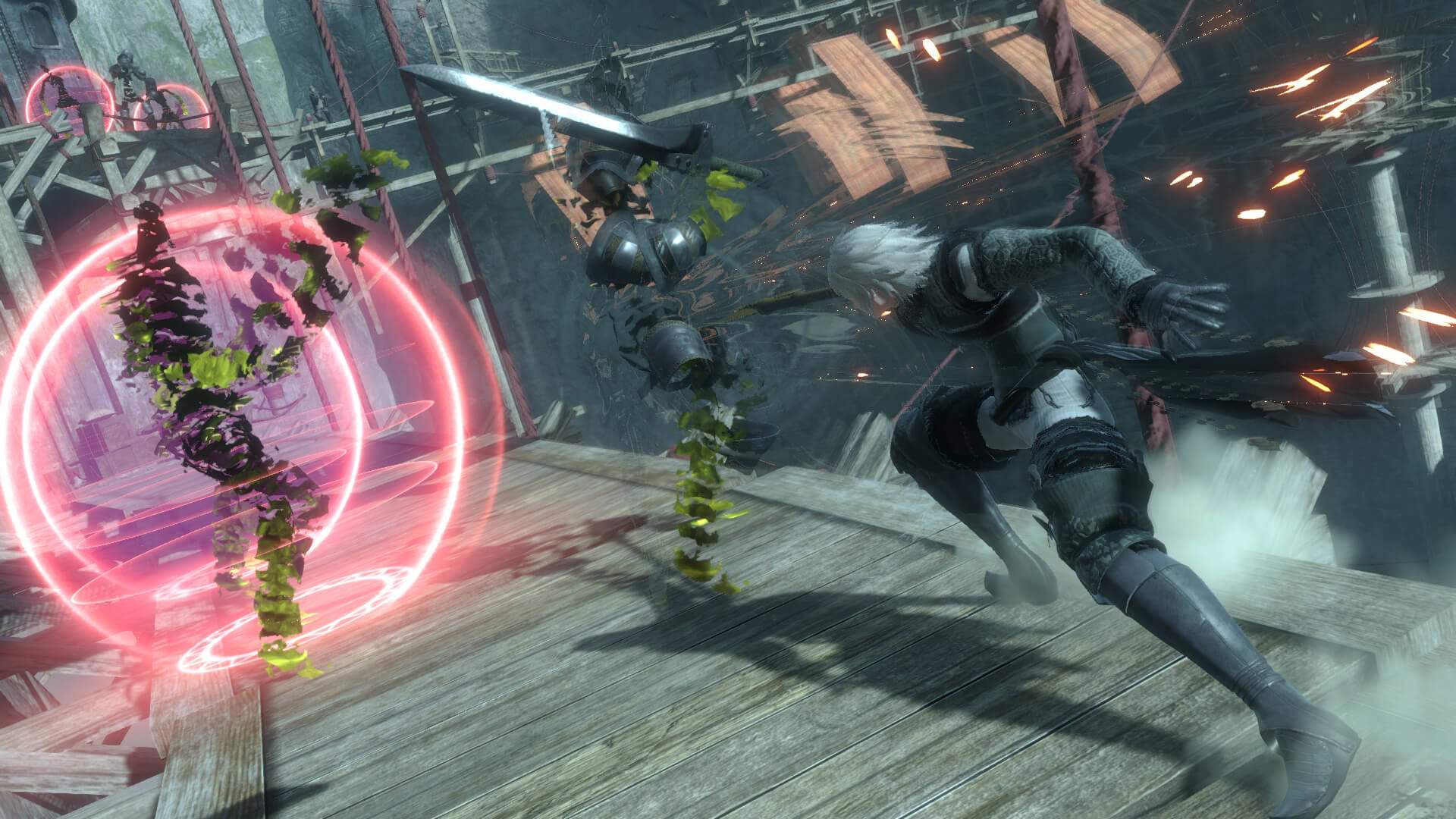
Combat also feels very basic, especially if you compare it to the sequel. It is fast-paced combat that consists of close-combat in which you use a mix of close-range attacks (one- and two-handed weapons, spear weapons), and magic spells. The game’s responsiveness makes up for the straightforward combat. With light weapons, you hit fast, but do not do much in the way of damage – with heavy weapons, delivering full combos becomes a challenge, but you do not need to deliver many of them to get the job done. And most importantly, the animations and enemy responsiveness make even basic gameplay satisfying. There is nothing quite like hitting an enemy until there is naught, but a puddle of black sludge left – a reminder of what happens to a living being when subjected to a greatsword.
There is an interesting system attached to combat. While advancing the story and completing quests, you learn Sealed Words. You acquire these via slaying Shades, and each Word has a passive effect attached to it. After finding a few of them, you can combine them into a Sealed Verse – a spell that gives you an edge in combat. These can be used for area control or for delivering powerful attacks. Playing through the story, a question pops into mind: who was in charge of developing this game?
NieR is directed by the acclaimed Yoko Taro, who is seen as somewhat of an oddball both in and outside of the community due to him choosing to hide his identity with a large helmet that has become a symbol of NieR. This is not, however, the first game series Yoko Taro has worked on. Drakengard, which tells of knights and dragons, is tied to the universe of NieR. NieR is the result of Yoko Taro taking a “joke” ending from the original Drakengard game and branching it into its own story. While the conception of NieR is based on a throwaway ending, the story in the game is nothing but. Full of twists and turns, this is the remake of the game that solidified Yoko Taro’s position as a director, and after playing it, that feels very much like the natural conclusion. While the story Yoko Taro created is good even as a script, the game’s soundtrack manages to elevate it even higher.
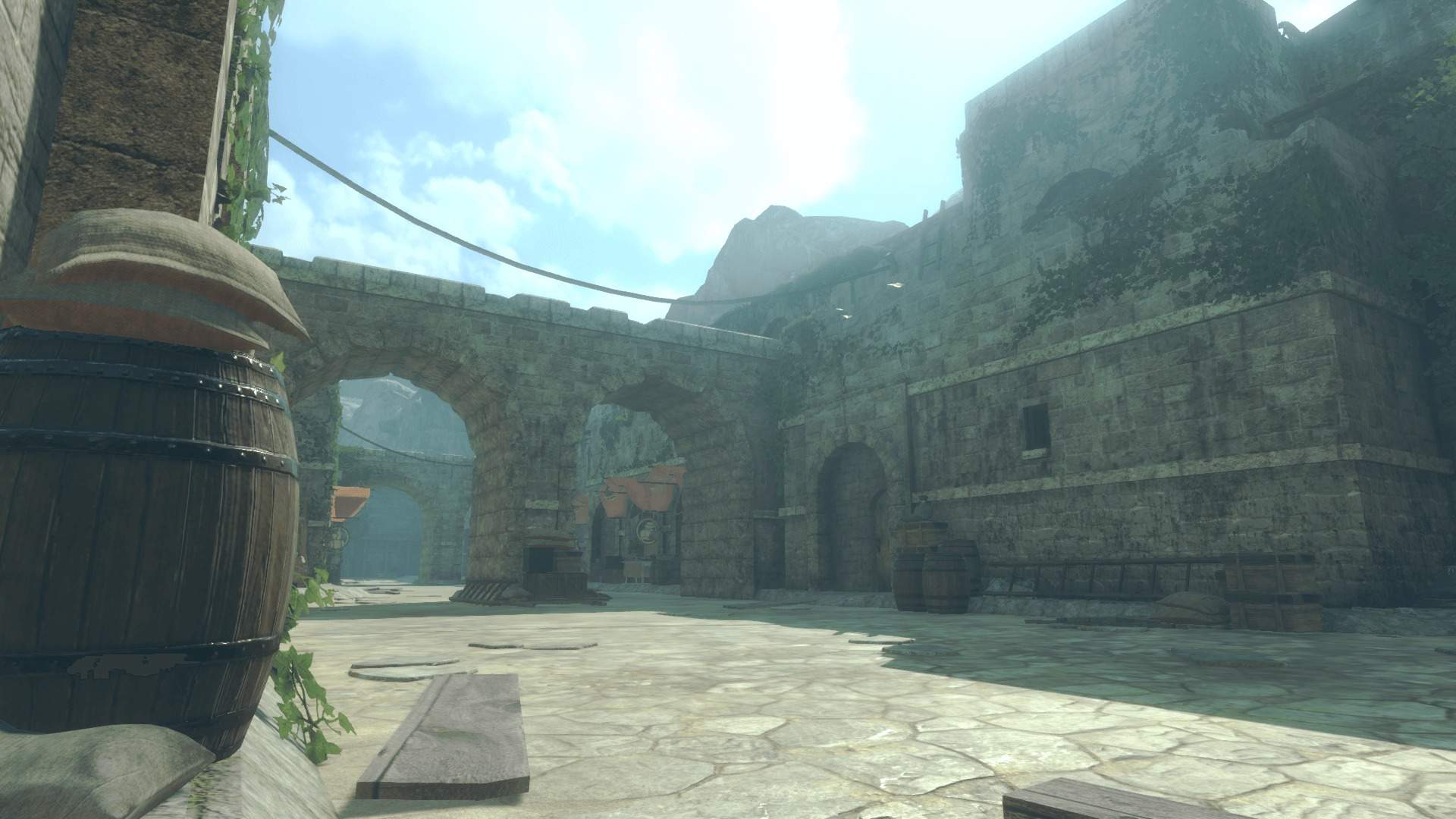
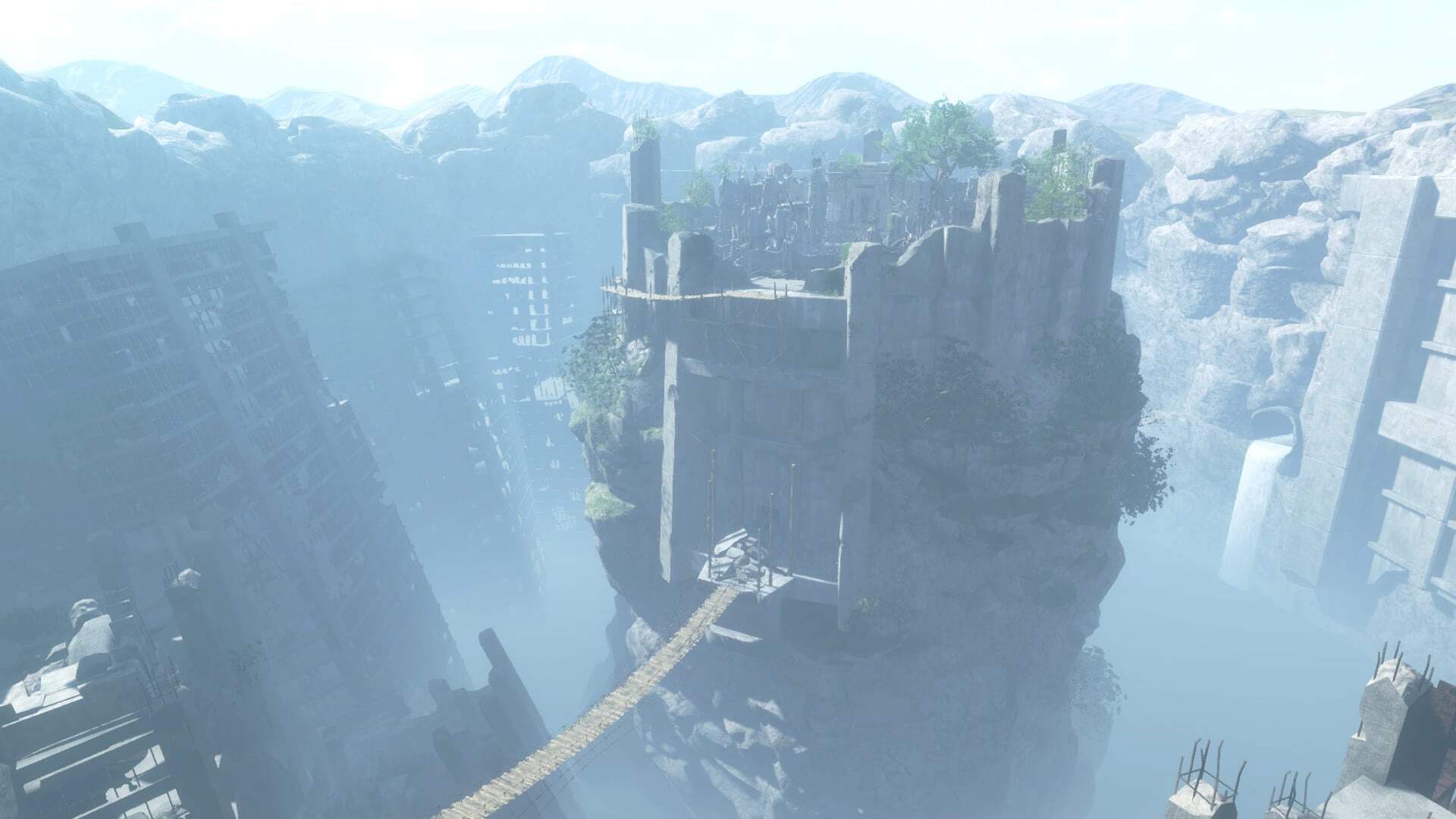
The game would not be the same without its music, and it is simply phenomenal. Composed by Keiichi Okabe along with his studio MONACA, it makes you figuratively (and perhaps even literally) dance to its tune. While traversing the grassy hills with giant metal structures creating a contrast to the green, you are met with an upbeat melody accompanied by energetic vocals sung in a language lost to time. Or maybe you are up against massive gatekeepers reminiscent of a certain German fairytale, with anxiety-inducing music in the background of a terrifying choir that does not leave you room to breathe. A language was even created for the game: “Chaos Language,” which is a blend of multiple different languages made to sound like an ancient, undecipherable language, so that players would not get distracted from the story1. I can say with absolute certainty that Replicant’s critically acclaimed soundtrack is one of my favorites, and although its size does not compare to soundtracks used in games nowadays, it still holds its own.
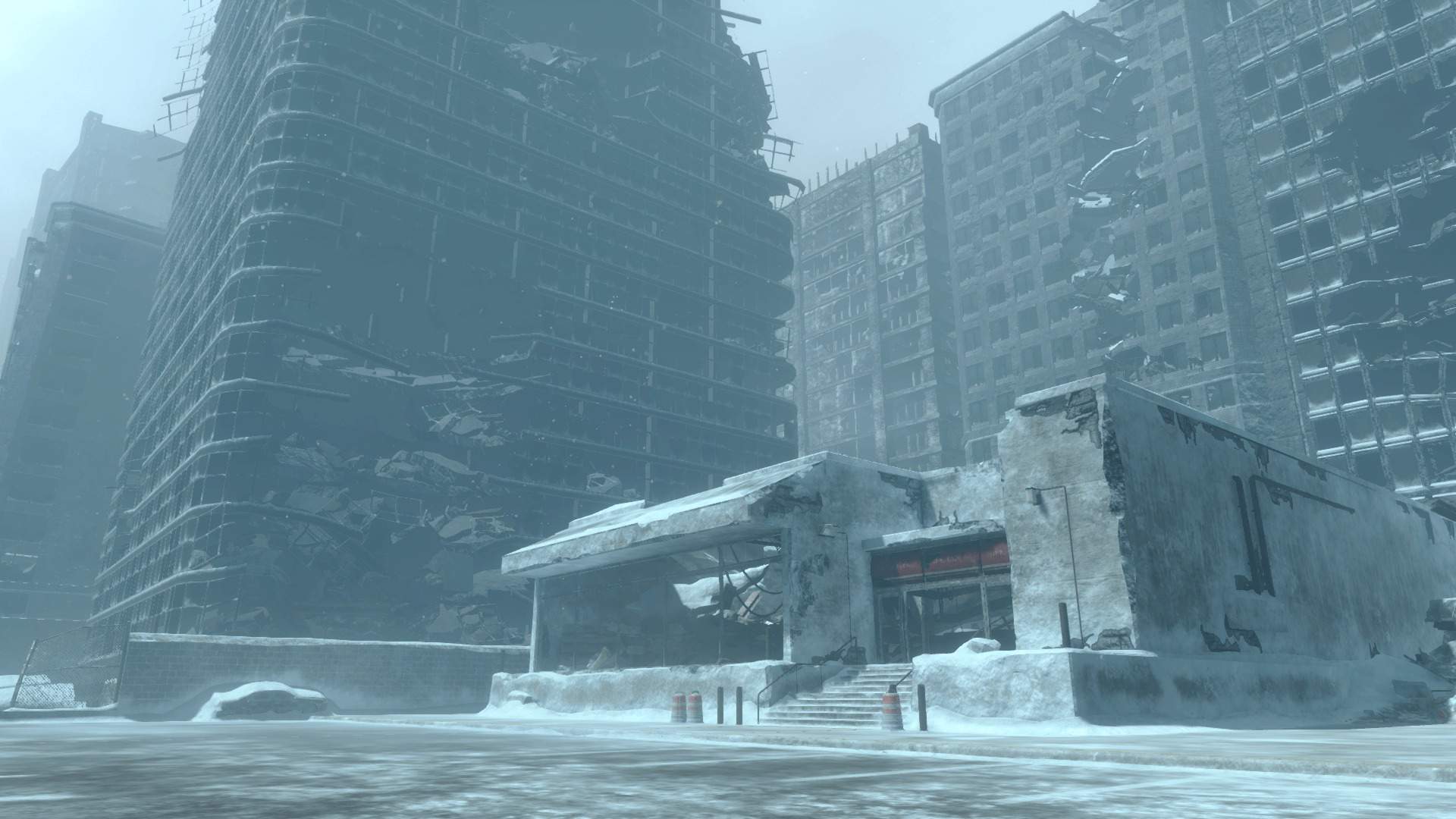
While the game has its flaws, it is an absolute classic for a reason. This dark, gritty tale of a ruined world perfectly encapsulates what I would call ‘atmospheric’, and there is nothing better to get lost and invest your time in. While the combat may be merely ‘serviceable’ (it is enjoyable, albeit basic) the story and characters more than compensate for it. While for some it may be a nostalgic product, for me it is a return to form for role-playing games; games that used to be about inhabiting another world and accepting it, with all its faults. In this nostalgic tale, you step into the shoes of a sometimes naïve – and sometimes misguided – hero, whose ideals may prove to be too much for the world around him.
Publisher – Square Enix
Developer – Toylogic Inc., Square Enix
Platforms – Geforce Now, Mac, PlayStation 4, Xbox One
Release Date – 22.4.2021
Genres – Action, Adventure, Fighting, Adventure
PEGI – 18+
Pictures – Promotional images from Square Enix. https://www.square-enix-games.com/en_EU/games/nier-replicant-ver-1-22474487139
Sources:
- Hertzog, Clara. (2020). “NieR Replicant singer Emi Evans talks music, Chaos Language, and more”. PlayStation.Blog, December 18. https://blog.playstation.com/2020/12/18/nier-replicant-singer-emi-evans-talks-music-chaos-language-and-more/#:~:text=Perhaps%20one%20of%20its%20most%20unique%20details,that%20could%20truly%20serve%20as%20background%20music
- Yang, George. (2021). “The creators of Nier Replicant on the little changes that make a big difference”. Polygon, April 23. https://www.polygon.com/interviews/22399273/nier-replicant-automata-sequels-prequels-dlc-interview/