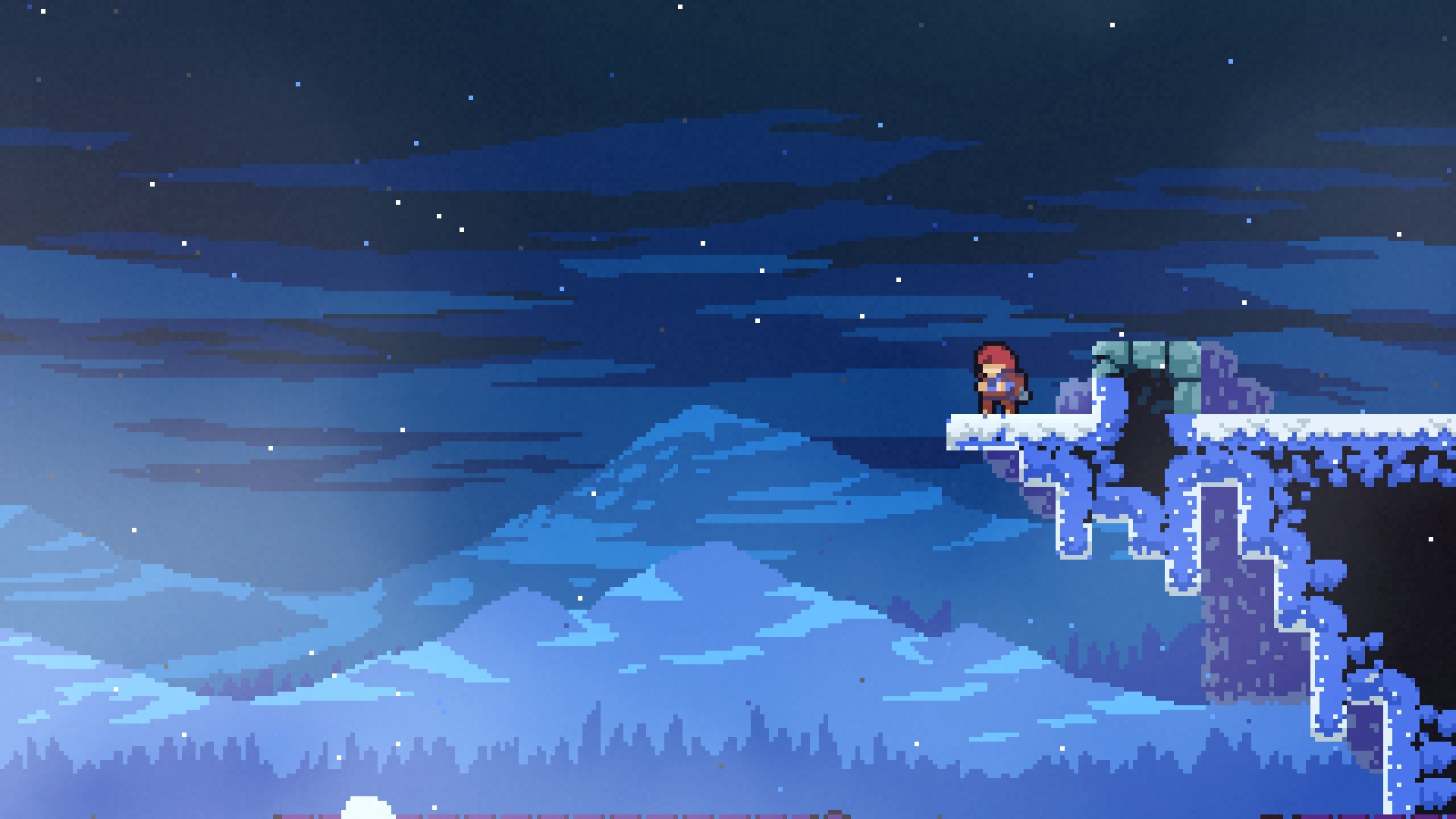
I always imagine video games as something more than just entertainment, something that, besides entertaining you, actually helps you work through your own psychological struggles. Sounds like big words, I know. But it seems other researchers like Amanda C. R. Tavares, Rosilane Ribeiro da Mota, and Walter Melo agree with me. They explored in their study how games like Celeste use psychological concepts to create meaningful player experiences.
This research shows how game designers can build more engaging and potentially beneficial experiences by mixing their narratives with psychological frameworks, specifically Carl Jung’s concept of individuation and the classic Hero’s Journey structure.
The Psychology Behind the Mountain
Before we dive into Celeste itself, let’s talk about Carl Jung for a moment. Jung was a Swiss psychologist who developed what he called Analytical Psychology. One of his most fascinating ideas was the “individuation process,” basically, the journey of becoming your true self by recognizing and accepting all parts of your personality, even (and especially) the annoying ones.
The main antagonist here is something Jung called the “shadow”, those qualities about us that we prefer to ignore. Maybe it’s our fears, our doubts, or aspects of our personality we’re ashamed of. Jung says you can’t truly know yourself or grow psychologically until you stop running from your shadow and learn to integrate it into who you are.
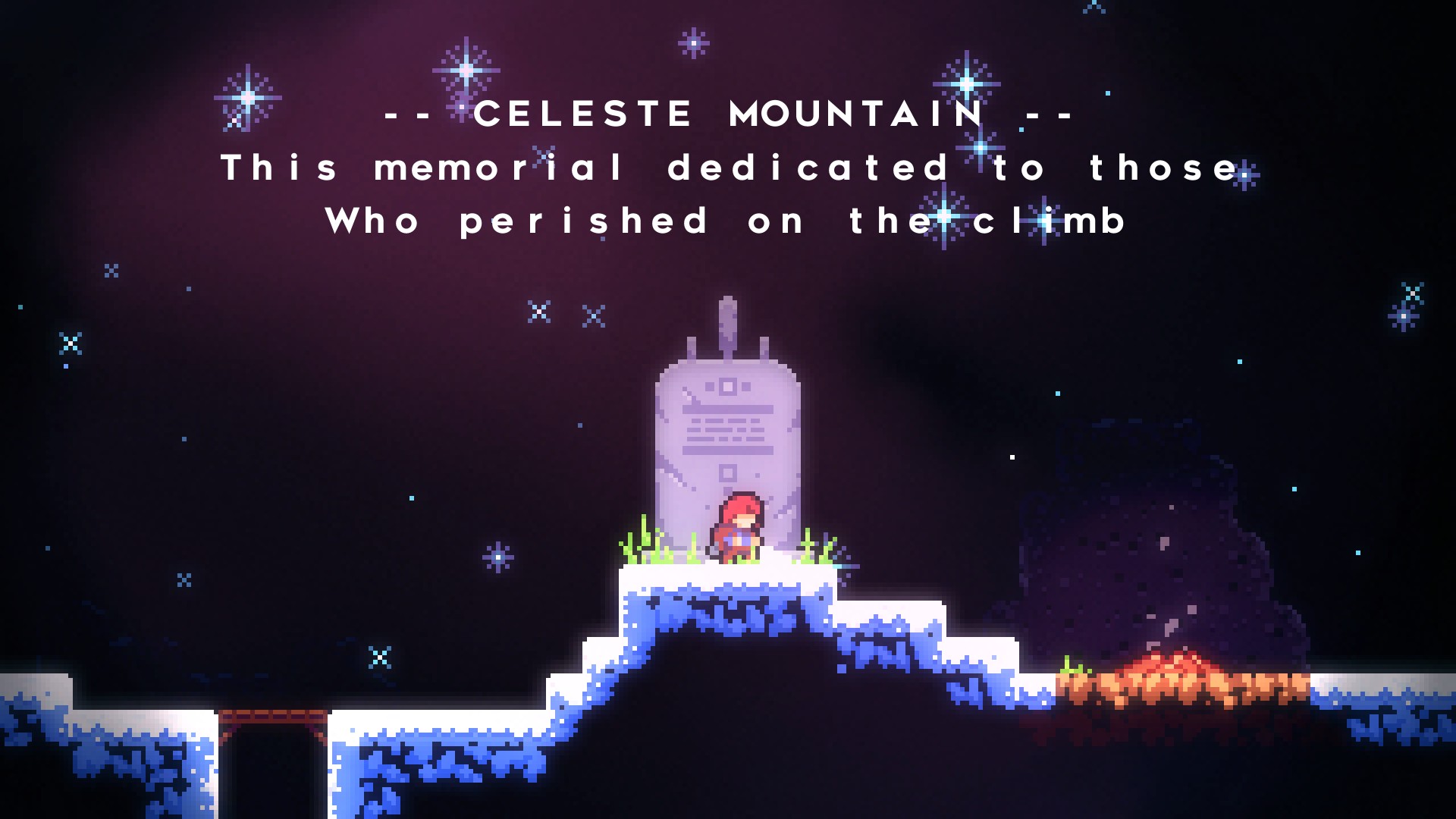
This psychological framework matches perfectly with the Hero’s Journey, that classic story structure where a character leaves their ordinary world, faces challenges, and returns transformed. What the researchers discovered is that Celeste brilliantly mixes and matches these two concepts together, both in its story and in how you actually play the game.
Climbing the Mountain (And Dying. A Lot.)
Celeste is considered to be a challenging video game. Challenging here means that you will die a lot before you even understand the basic mechanics of the game. The goal of this game is so easy: to climb up a mountain and collect a bunch of strawberries on the way, but the goal that seems easy at the beginning shows its true face soon… You die, over and over again, in the desire to reach a strawberry that you can see waiting at the corner of the screen. How long can you resist? Because the game does not seem to get easier as you move further. Actually, quite the opposite, it constantly surprises you by adding a new challenge to the old ones, making reaching the strawberries even harder.
But the way is not just about suffering. You also have some company: characters that show up once in a while, a beautiful environment, and of course, wonderful music that makes you feel that, well, in the end, I am not ALL ALONE on this journey. You tell yourself, alright, for the sake of all this now, I decide to continue…
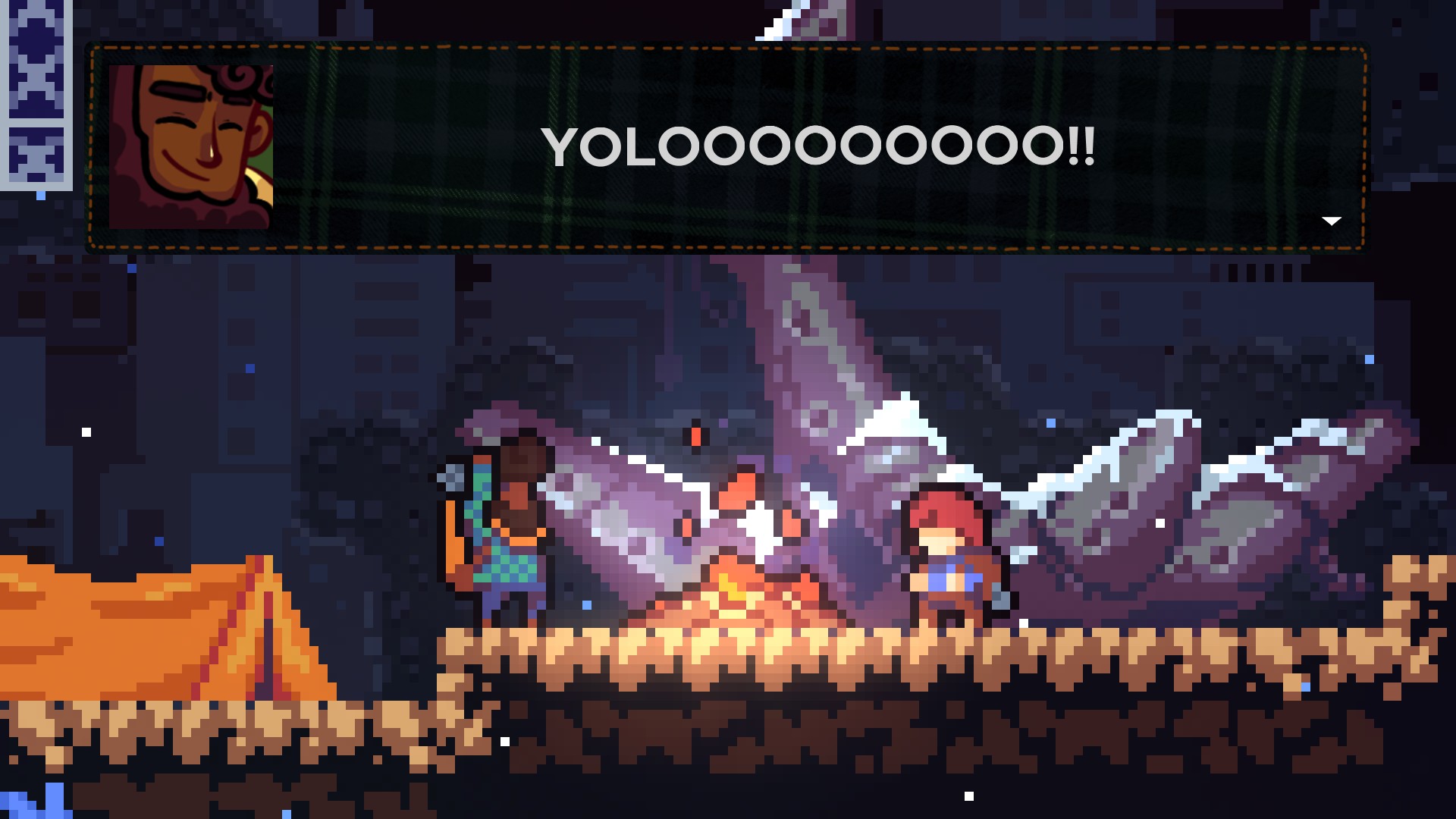
Or not! Not necessarily everybody thinks that way. Despite all the beauty, despite the delicious feeling of capturing strawberries, the wonderful satisfaction of climbing the mountain and getting closer to the top, still some people, just like the main protagonist of the game, Madeline, are tempted to give up, and unfortunately, lots of them do…
Where Jung Meets Game Design
Here’s the part I found most interesting, because, you know, writing a story about the Hero’s Journey with epic dialogue isn’t that big of a deal. Things actually get complicated when it comes to designing gameplay that matches that goal. The researchers found that Celeste doesn’t just tell a story about facing your inner struggle; it makes you experience them through gameplay. Madeline’s physical journey to reach the top of Celeste Mountain shows Jung’s individuation process perfectly. The mountain itself represents the path to self-discovery, and every obstacle reflects her mental struggles with anxiety and depression.
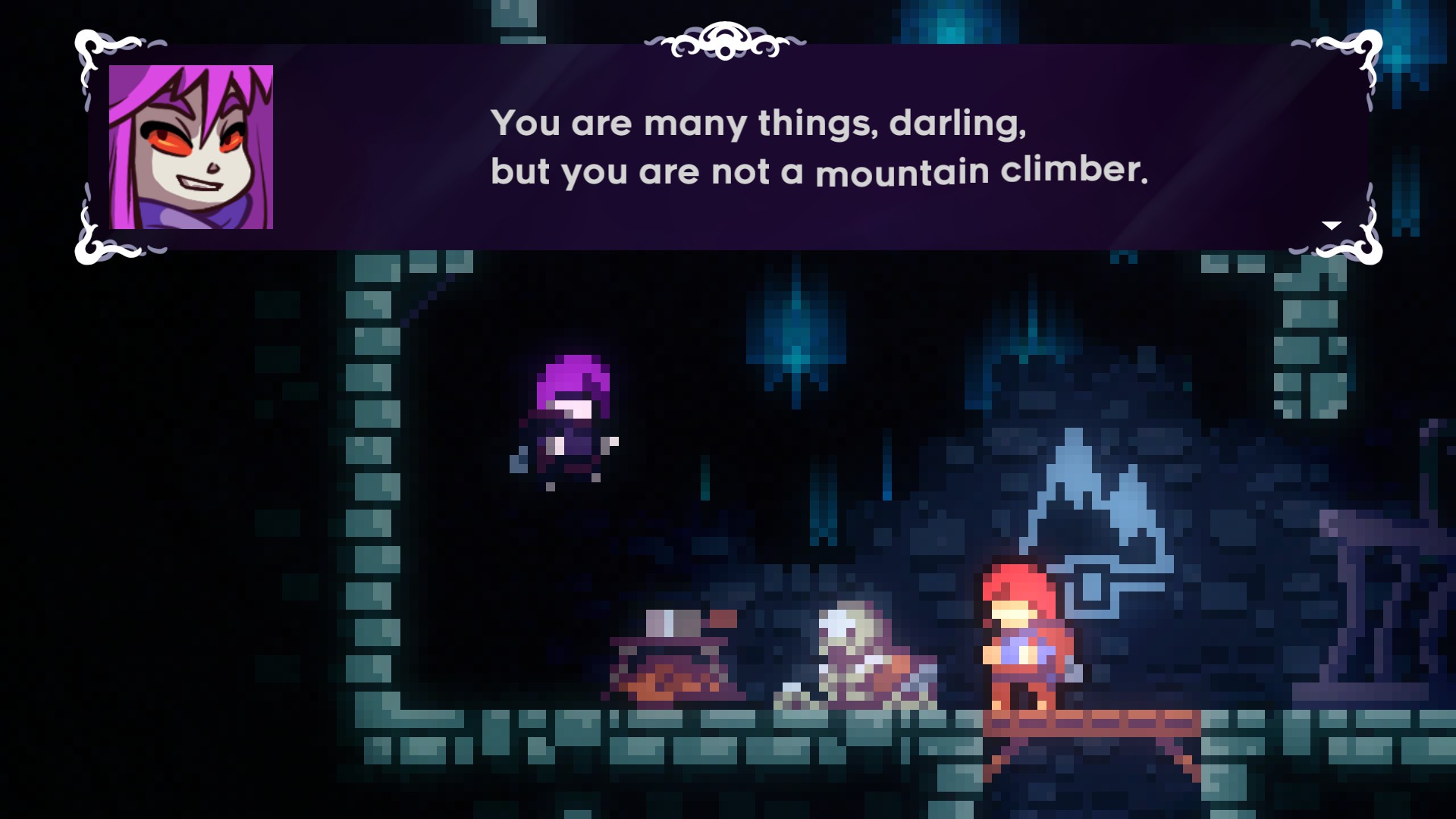
Early in the game, Madeline literally encounters her “shadow self.” It’s a dark version of her that spawns on the mountain, completely sure that Madeline can’t succeed. This shadow tries to PROTECT Madeline by stopping her from climbing the mountain, but ends up being mean and ultimately harmful instead. It’s Jung’s concept made visible and interactive.
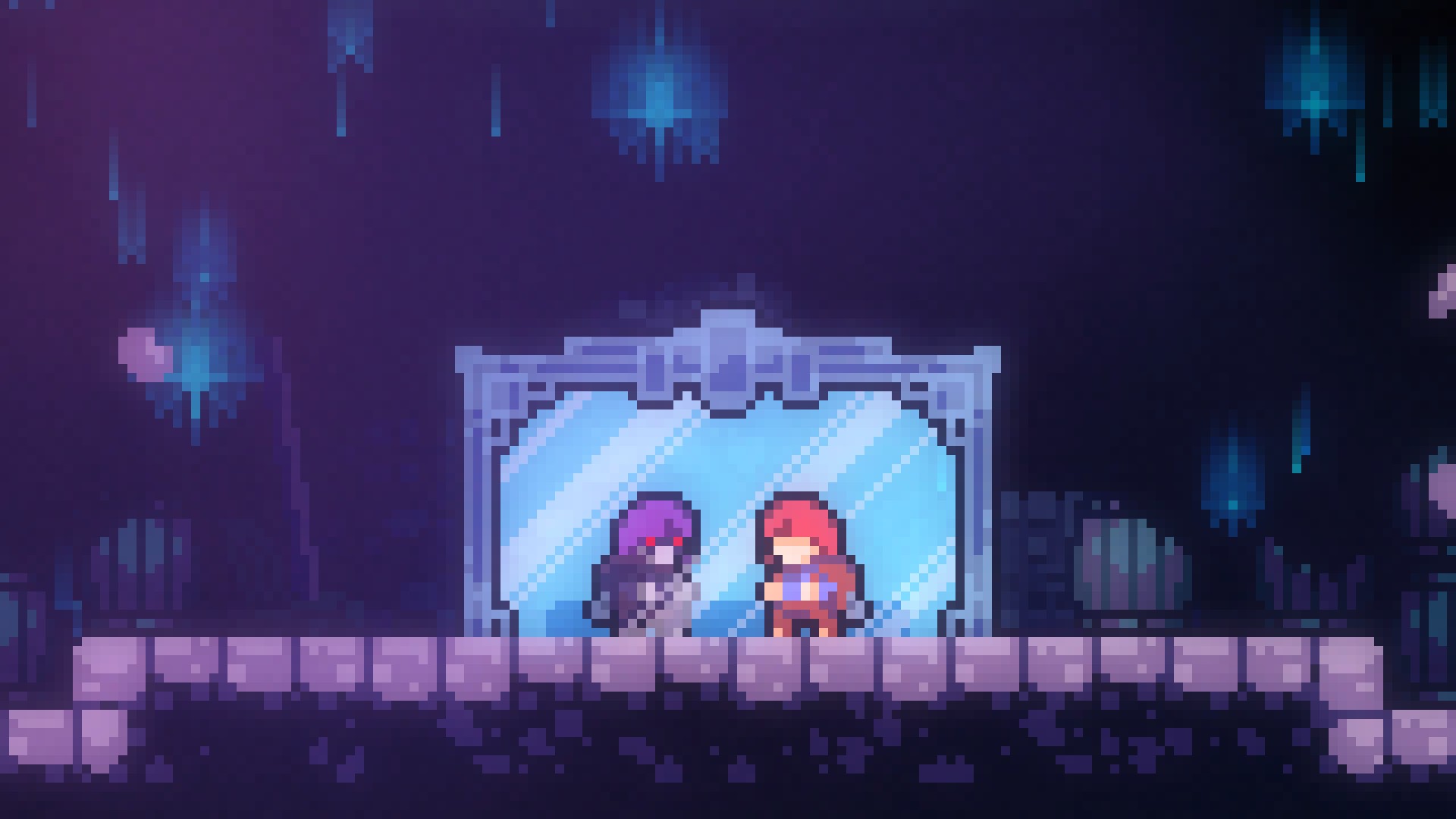
The pivotal moment comes when Madeline, close to the mountain’s top, rejects her shadow completely. The horrifying consequence here is that both of them fall back to the bottom, losing all progress. It’s a powerful metaphor for what happens when we deny uncomfortable parts of ourselves; we end up sabotaging our own growth.
But then Madeline meets Granny, a wise mentor figure (very much in line with the Hero’s Journey structure), who advises her to truly understand her “Part of Me” rather than fight it. When Madeline finally accepts her shadow and learns to work with it, they combine their powers, creating a new ability that makes reaching the summit actually possible.
The Genius in the Details
What makes Celeste particularly brilliant is how the game mechanics themselves reinforce these psychological themes. Remember all that dying? The game directly tells you to be proud of your death counter because each death represents learning and growth. It’s reframing failure the same way Jung’s individuation process asks us to accept our mistakes and limitations as part of who we are.
And those strawberries scattered throughout the most challenging sections, they’re completely optional, but collecting them impacts the ending. The more strawberries you gather, the more challenges you face, the better the pie Madeline bakes for her friends at the summit. The game is literally rewarding you for confronting more obstacles, just like the individuation process rewards those who face their psychological challenges head-on.
Even the supporting characters play archetypal roles from the Hero’s Journey: there’s the mentor (Granny and the mysterious bird), the companion (Theo), and various others who guide Madeline along her path.
Why This Matters
The researchers argue that by understanding and thoughtfully applying psychological frameworks like Jung’s individuation and the Hero’s Journey, game designers can create experiences that resonate on a deeper emotional level. These aren’t just fun distractions, they’re interactive narratives that can help players reflect on their own struggles, learn to accept their own shadows, and maybe even work through real psychological challenges.
Celeste shows us that when narrative and gameplay design work together, grounded in solid psychological concepts but adapted creatively, games can do more than entertain. They can empower, teach resilience, and create spaces where facing failure becomes part of the journey toward growth.
Perhaps this is the deeper truth: those who play video games pursue something in them, even if we are not aware of it. That unconscious pursuit might be leading somewhere far more meaningful than we realize.
Publisher: Maddy Makes Games
Developers: Maddy Makes Games
Platforms: Linux, macOS, Nintendo Switch, PlayStation 4, Windows, Xbox One, Google Stadia
Release Date: January 25, 2018
Genres: Platform game, Adventure game
PEGI: 7
Source: Tavares, A. C. R., da Mota, R. R., & Melo, W. (2021). Self-reflection in Games: The Representation of the Individuation Process in Celeste and Persona 2: Innocent Sin. SBGames 2021. https://www.sbgames.org/proceedings2021/ArtesDesignFull/218112.pdf