The state of gambling today
Today, it appears that instead of gambling being treated as a vice, it has become something to be encouraged, even outside of casinos or typical spaces reserved for gambling. This can be seen in fields such as sports, politics, and even games. Access to digital devices and platformisation has made gambling more accessible and lowered the barrier to entry massively. The constant advertising and the incorporation of mechanics present in gambling into other forms of media have subjected people to gambling from a very young age, creating a fundamental misunderstanding about the nature of gambling. It is ultimately a game of chance – not a certain get-rich-quick method.
I am not here to argue about the ethics of gambling. Everyone has guilty pleasures, after all. What is important is that the definition of gambling is becoming convoluted.
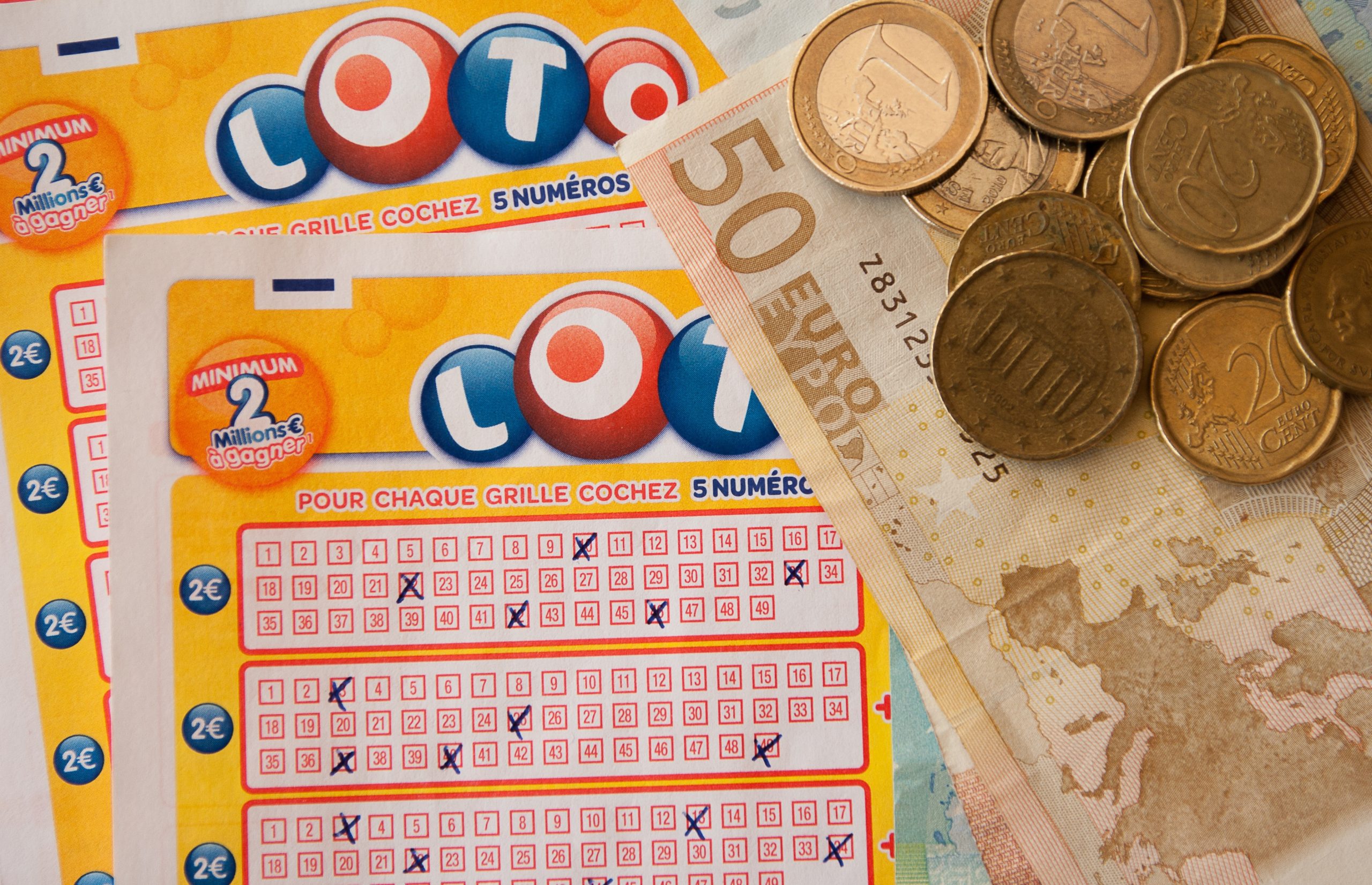
How in-game items escape the boundaries of games
To provide context for my viewpoint, I wish to introduce an article from Anne M. Thorhauge and R. K. L. Nielsen: “Epic, Steam, and the role of skin-betting in game (platform) economies” (2021). Through a comparative case study of Epic Games Store and Steam, which are digital distribution platforms specializing in video games, the article discusses virtual in-game items known as “skins” and how they spread to the wider online ecosystems to become, among other things, tradeable goods and tokens to gamble with. To clarify, skins are cosmetic items that usually do not provide any functional benefit. Like a different hat for your character. They conclude (2021, pp. 64-65) that users on these platforms are turned into economic actors on their respective platforms. They see especially this development of Steam treating their users as “market speculators” as an important backdrop to the gambling phenomena in the game business. Thorhauge and Rune also write about how the item economy in games shares similarities with gambling, which aligns with my topic.
Steam practices a free market strategy, while Epic makes a traditional distinction between providers and sellers (2021, p. 53). This means that the money circulation differs between the platforms. On Epic, the purchasable good is moved to the seller during the transaction, and that is where it stays. This rings true, whether we are talking about games, in-game skins, or assets from the Unreal Engine storefront. However, on Steam, the user’s inventory of things like cosmetic skins and trading cards is theirs to do with as they please within certain limits (e.g., games cannot be traded after the purchase decision).
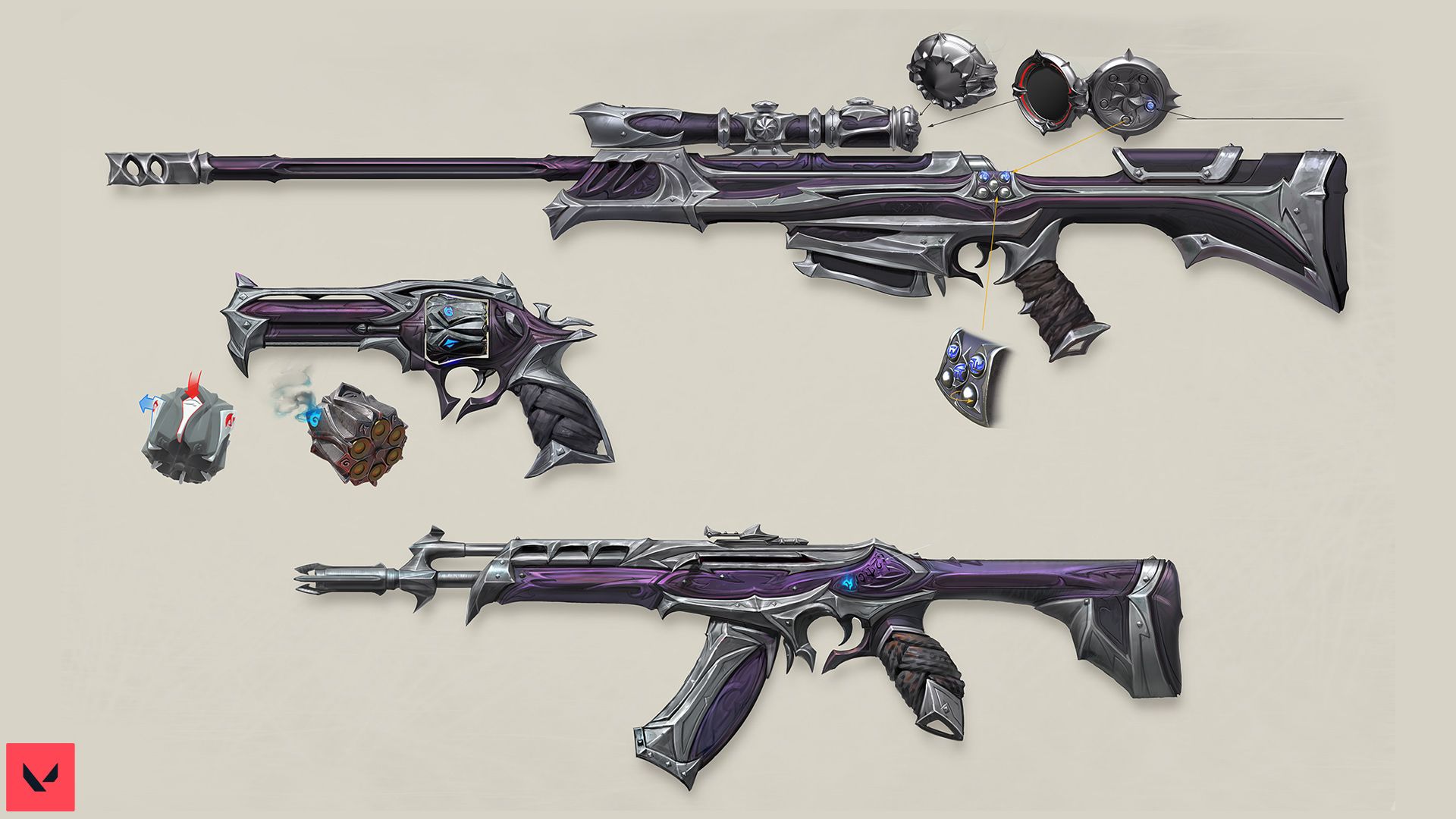
An interesting term was brought up in the article: “prosumption” (2021, p. 54). A paradigm in platform economies, where user-generated content has become key to success. An example of this that was brought up in the article is ‘modding’, which could be described as the process of tweaking video games, whether it be the code or the assets. This practice breathes life into games even a decade old, such as The Elder Scrolls V: Skyrim (2011) where, with the help of mods, you can do anything, ranging from using new spells to fighting against Thomas the Tank Engine.
The reason I mentioned all of this is because it is important to understand that this transformation in platform economies from traditional seller-buyer dynamics (that still exist) to free markets centered around users has allowed gambling to seep into the gaming culture.
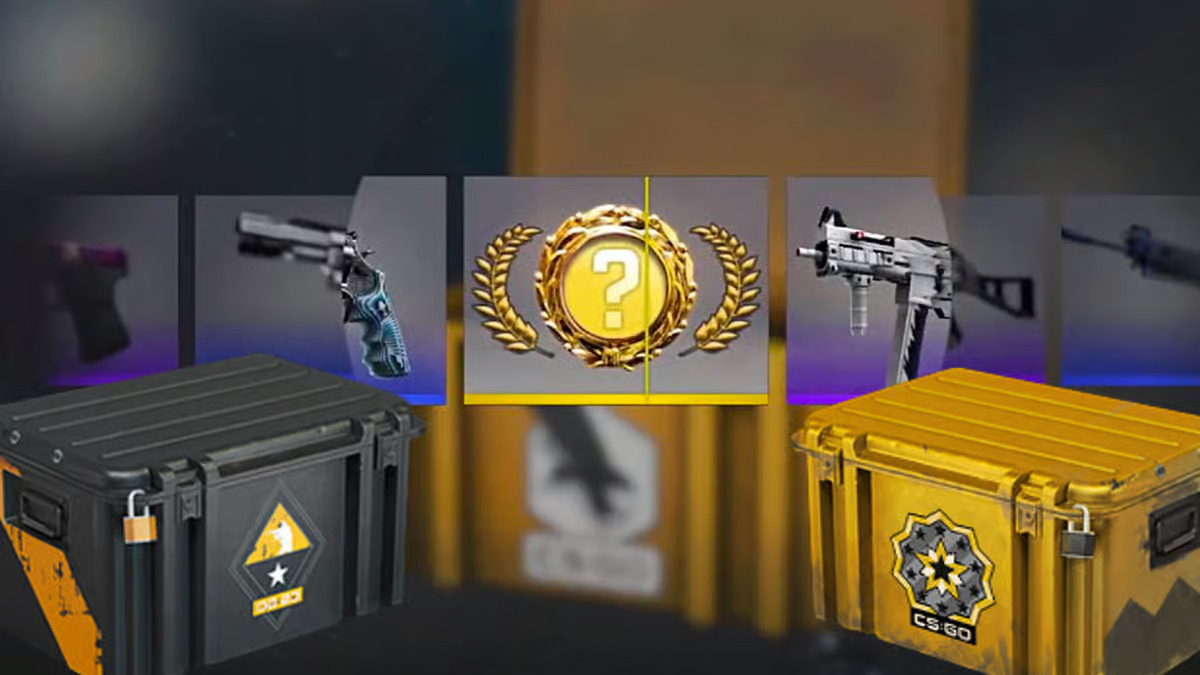
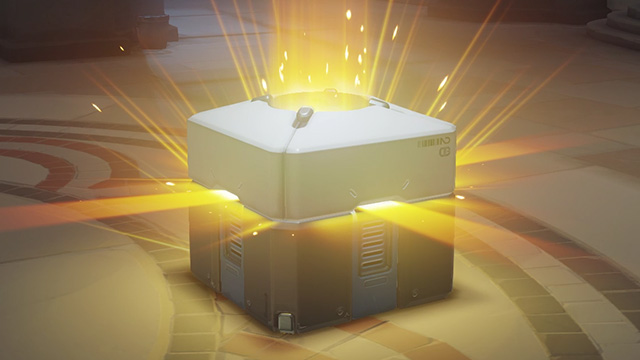
In Counter-Strike: Global Offensive (CS:GO), released in 2012, it is possible to acquire virtual items called ‘cases’, and items to open them with (‘keys’) either from gameplay or from the Steam marketplace (a place where users can trade items from their inventory either for actual money, or for other items). Opening a case essentially functions like a lottery machine in a casino: you place the bet and hope you at the very least earn your money back with a skin of equivalent value.
Now, it would be false to claim that CS:GO is the only offender when it comes to implementing gambling in video games, and it is definitely not the worst. However, it is the most prominent example, and unique as a case of platform economies reaching outside of the platform. Because gambling with CS:GO goods does not occur exclusively on Steam, and, in fact, the worst infringements happen on unaffiliated gambling sites, where one can encounter everything from blackjack to roulette.
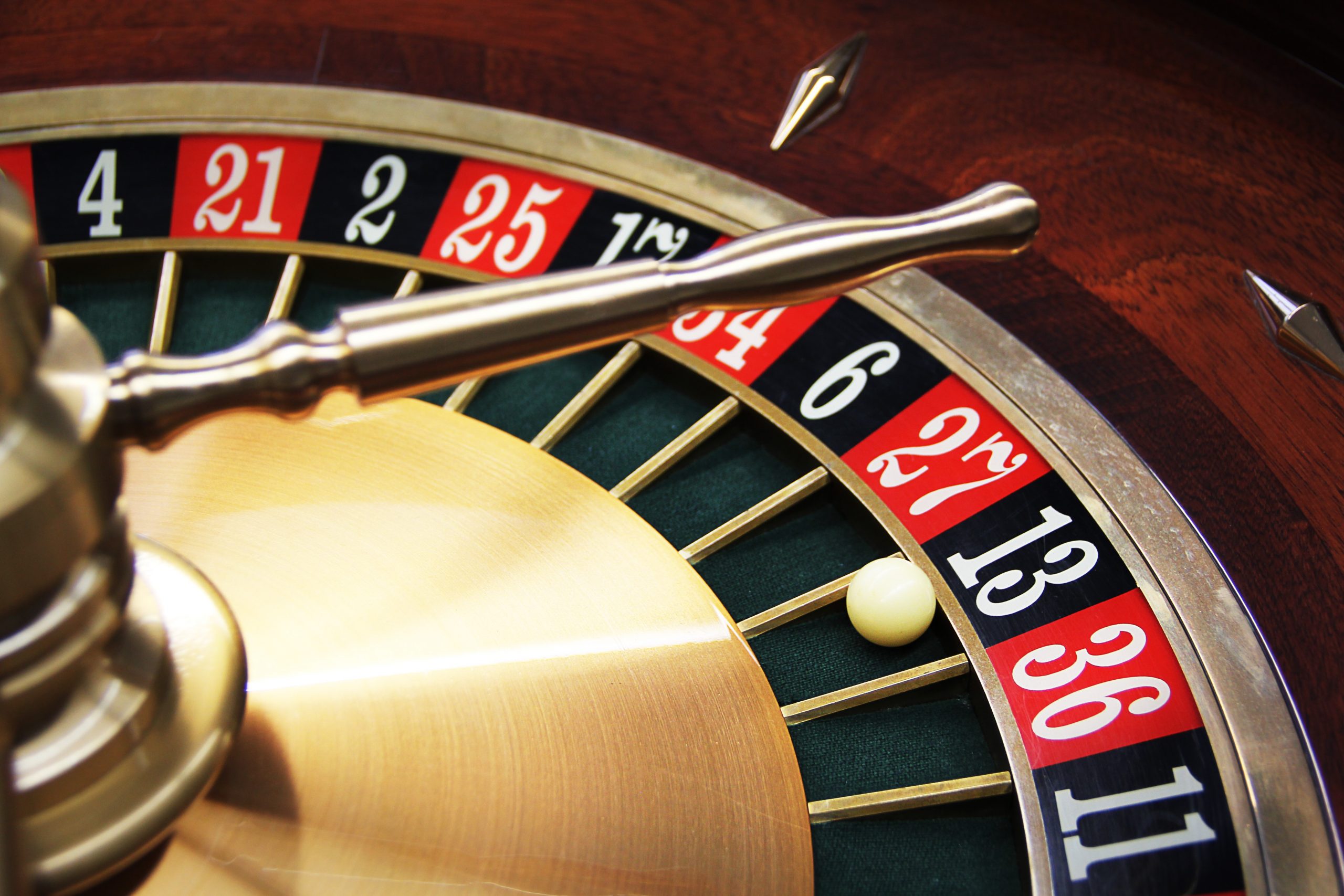
Then, why am I addressing gambling with virtual items? It is not as if this is real money we are talking about, right? And that is where the issue arises. I often compare gacha games to CS:GO, and this is because only one of these promises a return on investment. Let me elaborate.
In gacha games, the money you invest (via purchasing digital currency) is primarily used to ‘pull’ characters or items you then play with. Pulling essentially functions the same way as with CS:GO’s case opening. The vital difference here is that when you put money in a gacha game (like Genshin Impact (2020) or Where the Winds Meet (2025)), there is no illusion of you making that money back in any way. The pulls cannot be traded or sold; they are tied to your account. However, in CS:GO, there is a non-zero percent chance of you profiting from your gambling endeavors.
And this difference is vital to the discourse. Why is the gambling scene around CS:GO (now named CS2 after an update) so prominent? Because there is much money to be made. And that is ultimately where gambling gets the gambler. While gacha enjoyers might get used to the dopamine rush after each pull, they know that they are never making that money back. Then there is CS2, where there is a chance, however small, that you could get that unbelievably rare skin that you can either sell for up to hundreds of thousands of euros or use for social clout. Losing once or twice is fine then, because the big win is waiting just around the corner.
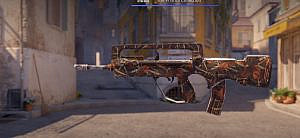
To give an idea of the kind of money circulating in the CS2 economy: a while back, CS2’s developer, Valve, introduced an update where players could trade five very rare skins for a guaranteed knife or gloves. This crashed the game’s economy, because these knives and gloves were being sold at prices of up to hundreds of euros. Knives lost their extreme rarity. For context, the reason why skins have rarity is due to two main reasons. First, the chances of valuable skins appearing from cases are slim, to say the least. Second, they are being sold at extreme prices on the Steam marketplace by other users, which makes it pricey to acquire rare ones. Back on topic. While most would see this update as a customer-friendly decision, giving even the unluckiest a chance for the rarest of knives, some did not. This update affected the collectors most, who were hoping for the prices to keep rising to get a sizeable return on their investments. This update put a wrench in their plans, and some even lost their life savings because of it, and, allegedly, there was even a suicide in China.

The short and sweet of it
Gambling can have an immense effect on your life, and therefore, it has been kept as its own thing. There has always been betting, sure, but it has always been its own activity, and never has it been explicitly encouraged. Now, even games have gambling mechanics. Whether it is dressed up as ‘cases’, ‘pulls’, ‘lootboxes’, or as something else, it still is gambling. This phenomenon of subtly integrating these ‘surprise mechanics’ (in the words of an EA representative) into areas of life, where gambling has previously been shunned, will soon become a problem. Especially when gambling seeps into spaces with children, who’ve yet to develop their brains fully, and are therefore highly susceptible to addictions to substances such as dopamine. To clarify, I am not in favor of banning gambling or even regulating it. I merely hope for increased awareness of the subject matter and for children and gambling to be completely separated (not by removing gambling, but by isolating it from children). It is a vice like any other, so it should be treated accordingly.
The scientific article referenced:
- Thorhauge, A. M., & Nielsen, R. K. L. (2021). Epic, Steam, and the role of skin-betting in game (platform) economies. Journal of Consumer Culture, 21(1), 52-67. https://doi.org/10.1177/1469540521993929
Pictures
- GregMontani, 2015. Pixabay. https://pixabay.com/photos/happiness-lucky-number-roulette-839036/
- Valve, n.d. Dexerto. https://www.dexerto.com/counter-strike-2/how-to-buy-cs2-cases-best-cases-knives-odds-csgo-2216973/#ImageEnlarge-https://www.dexerto.com/cdn-image/wp-content/uploads/2023/07/19/csgo-case-opening-counter-strike.jpg
- Cygames Inc., n.d. Automaton. https://automaton-media.com/en/news/konami-and-cygames-reach-settlement-in-patent-lawsuit-over-umamusume-pretty-derby/
- jackmac34, 2016. Pixabay. https://pixabay.com/photos/games-chance-lotto-winning-lottery-1363218/
- Riot Games. n.d. https://playvalorant.com/en-gb/news/dev/the-craft-and-fantasy-of-valorant-weapon-skins/
- CSGOSKINS.GG. n.d. https://csgoskins.gg/items/butterfly-knife-tiger-tooth