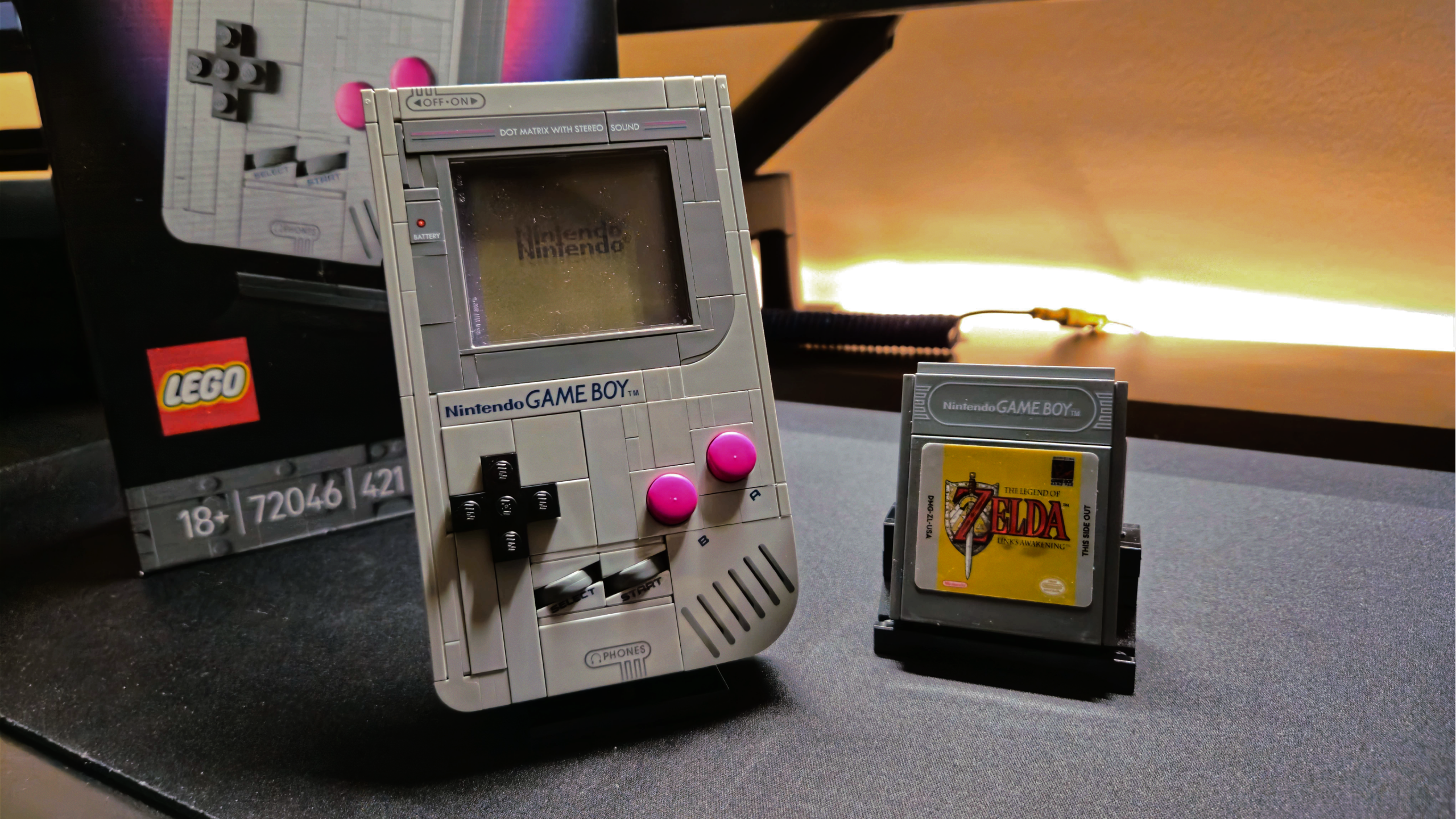
Did you know? In the early 2000s, LEGO, one of the biggest toy companies in the world, was in financial trouble. As a key part of their recovery strategy, the company re‑centred its product focus around brand heritage and brought a wave of nostalgia to store shelves. A recent study by Kamil Lubiński (2020) explores how nostalgia‑oriented marketing shapes millennials’ perceptions of LEGO, and why those efforts translate into real purchases. This review looks at the science behind nostalgia as well as one of the most iconic handhelds ever, the Nintendo Game Boy now in the form of LEGO bricks, carefully engineered to revive memories of the past.
Memories of childhood often cling to specific toys. Lubiński’s study investigates how people respond to LEGO’s nostalgia‑driven strategies, including the revival of classic brick sets, relaunching beloved product lines, and collaborations with iconic pop‑culture franchises. The findings show that for many adults, LEGO is far more than a toy, and it is used to invoke pleasant memories and literally build identity. Information for the study was gathered via a questionnaire aimed towards millennials, and the 203 participants were grouped into three age brackets. The paper refers to millennials as the last generation to remember an “unspoiled” time without technology overpowering the everyday life. Children from later generations have mobile phones and a myriad of digital games competing with traditional toys, making them less appealing (Lubiński, 2020). Therefore, the time to go all out on nostalgia boom for companies is now, as the millennials have access to some serious cash.
But what exactly is nostalgia? A force powerful enough to save LEGO from financial trouble? Absolutely. Lubiński (2020) uses the definition initially introduced by Holbrook and Schindler in 1991 as “a preference towards objects that were more common when one was younger”. Clearly, one does not need to be familiar with related terminology to feel nostalgia’s effects as Lubiński’s study also reveals a dramatic trend. Based on the conducted survey most millennials admit there was a LEGO set they desperately wanted as kids but never owned and 71% say they would purchase the set were it released again today. Moreover, nearly 75% of people claim they would do it to satisfy their inner child’s desire. Who wouldn’t want to fulfill their lifelong dreams they never got as children! As Lubiński writes,
“It is as if the brand has some unnatural abilities to distort the reality, thereby, taking consumers back in time.”
Another addition to this nostalgia driven product trend was the collaboration between Nintendo and LEGO to turn one of the most iconic handheld consoles into classic LEGO bricks. The Nintendo Game Boy model was announced in January of 2025 and released October 10th of 2025.
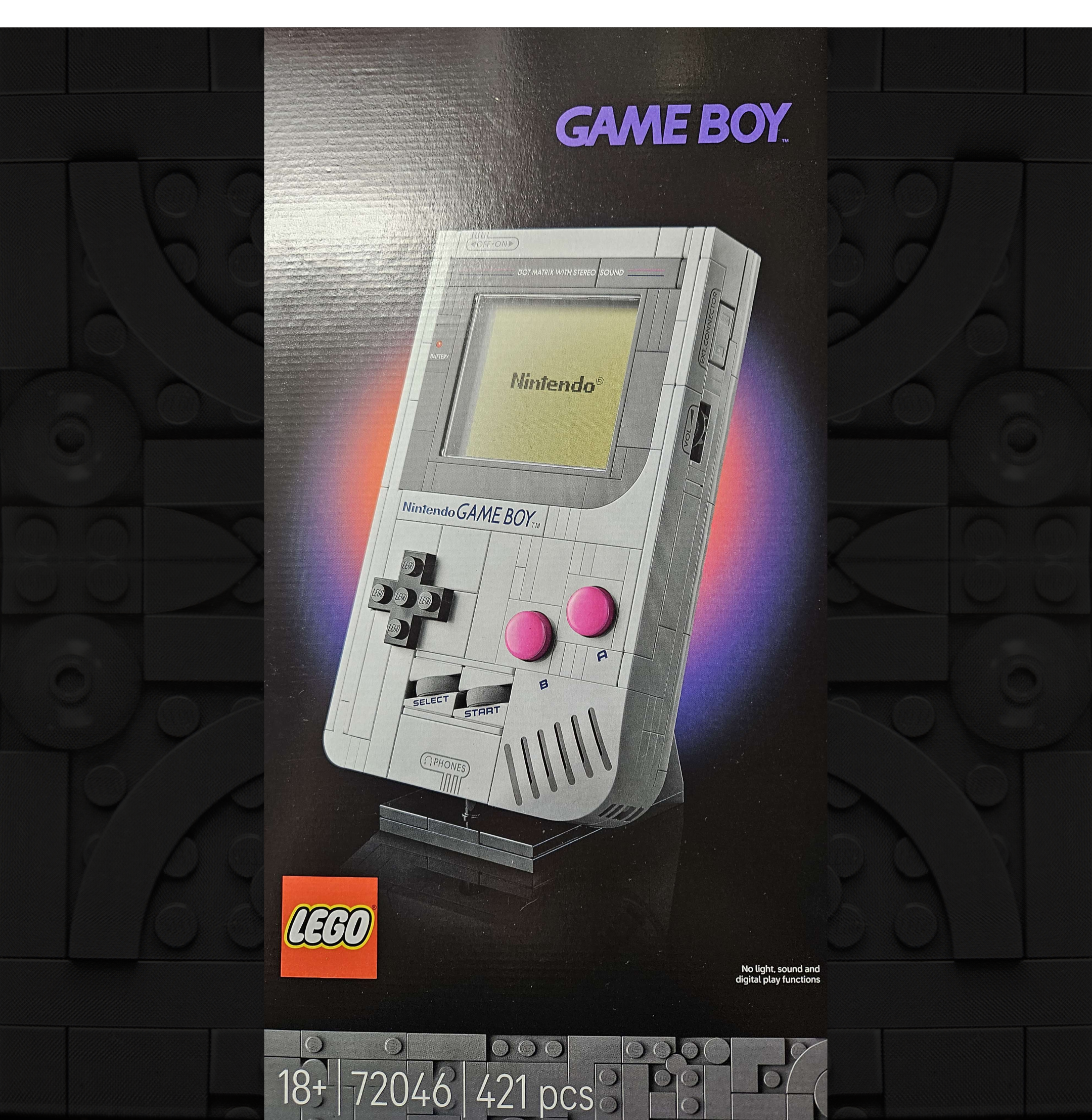
I am not much of a fan of handheld consoles and therefore Nintendo was not a part of my early gaming memories. Yet, when I saw the promotion pictures of the Game Boy LEGO set, I knew instantly that I would buy it. Why? Because I felt nostalgic! However, I am not a part of the millennials, who were born from the early 1980s to late 1990s. Yet somehow nostalgia took over my wallet as well. Was it truly such a carefully planned product launch to win over the hearts of even the younger generation of gamers?
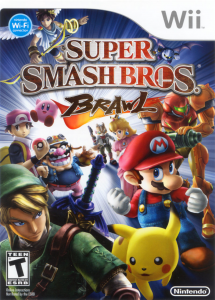
Lubiński’s study places the nostalgia bullseye on millennials who grew up with the console. I’m slightly outside that age range. I think the feeling of nostalgia is likely due to brand affinity I developed later (Nintendo Wii in 2006 and years of LEGO building). Seeing the console triggers the same emotional response and is a part of my identity as a general video game enthusiast! Therefore, I suspect there are other similar cases outside the millennial target audience.
The Game Boy Build
Consisting of 421 bricks, the recommended minimum age for the builder is 18. No wonder — even the instructions come with a warning about acute feelings of nostalgia. Indeed, the booklet starts off with a neat time travel back to the console’s history, as well as highlights of the two “game cartridges” that come with the set: Super Mario Land and The Legend of Zelda, Link’s Awakening.

It has been a while since I built my last LEGO set, meaning at least ten years have passed. This specific kit is aimed at the adult audience, so one should expect some more complicated instructions and an intermediate challenge. The biggest change over my last experience with the brand is moving to paper bags instead of plastic ones, as well as including a handy tool for removing bricks instead of using (breaking) one’s fingernails.
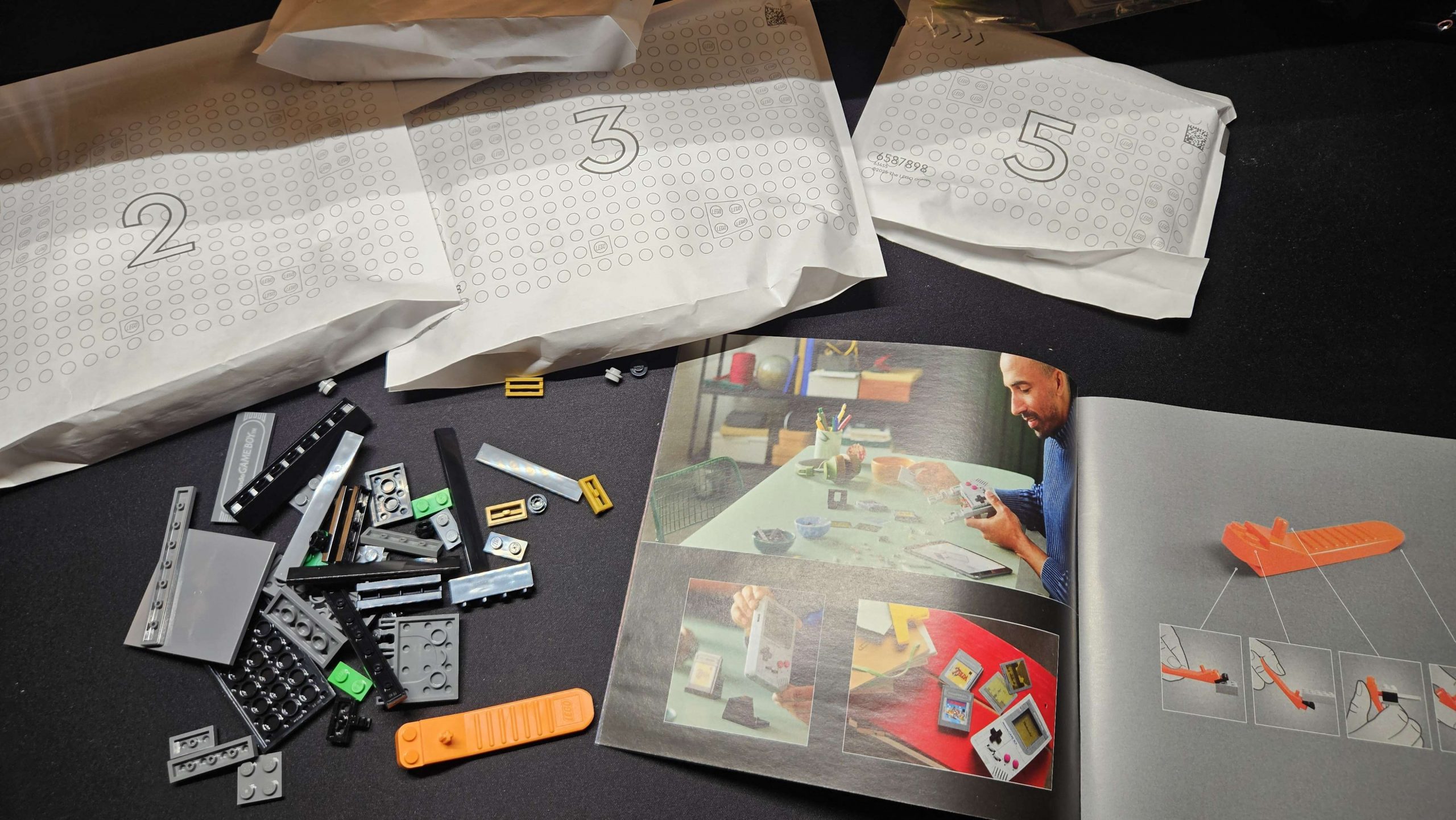
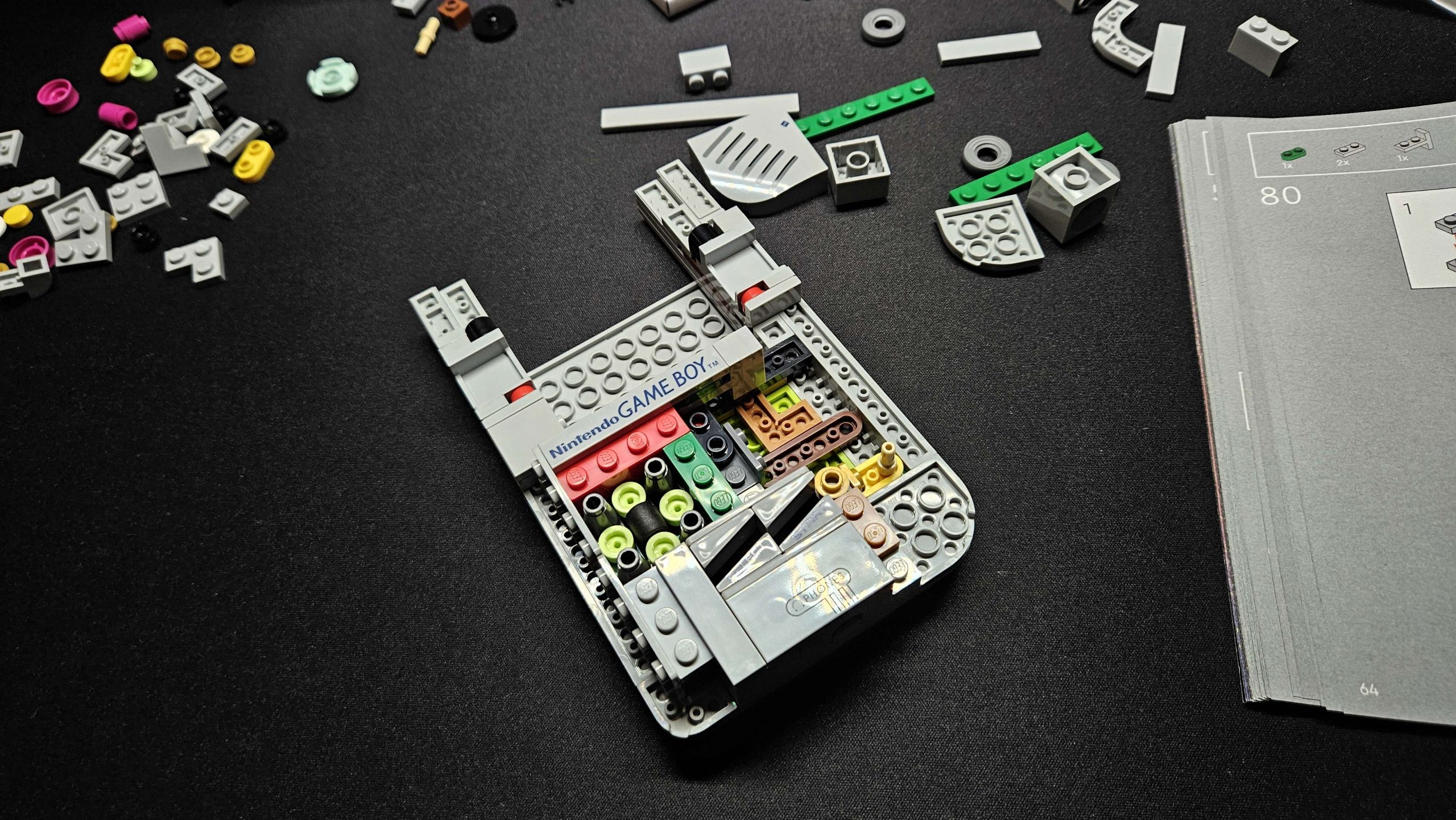
Overall, the building process was very satisfying, and I felt a sense of control as well as a fitting amount of challenge. There is nothing quite like the feeling you get when sitting down in front of a pile of LEGO bricks, with nobody to judge you for how fast or slow it is finished. It was rewarding to see visible results and discover creative solutions to replicating how the buttons of an actual Game Boy would feel. Not only was it fun, but it was also extremely well‑designed, which I think all builders start to appreciate as they progress.
In comparison to the LEGO sets I had built as a child, like the Power Miners or Atlantis themes, this had clearly more advanced structures. Nevertheless, the high-quality and clear instructions made the process simple, and I only had to pry apart a couple pieces after misinterpreting the shape. The 18+ age recommendation is therefore justified, though it can be assembled by younger LEGO enthusiasts with experience. However, the LEGO Game Boy may not be as appealing to the younger builders due to its rather aesthetic purpose. After roughly three hours of my day, the kit was complete. Even as someone who generally thought building ready-made LEGO kits as an adult was a bit silly: I wish it didn’t end so soon!
LEGO certainly knows what they are doing when marketing these “toys” to adults. Truly, they are selling nostalgic experiences which you can then put on display. Even for the younger generations, building LEGO bricks is a moment to focus on something analogous in a world full of digital content. Though, as pointed out by Lubiński it remains to be seen how long this strategy will work, especially with generations born into a world of digital games. As of now, at least the millennials (and the early 2000’s kids) enjoy feeling emotional attachment, hold on to their brand loyalty and are eager to spend money to on nostalgic products (Lubiński, 2020).

Personally, if LEGO keeps nailing the collaborations as they did with the Nintendo Game Boy, I am all in on the nostalgia train once again. That day might be coming soon, as we only need a look at the company’s future product releases—
But wait, there’s more!?
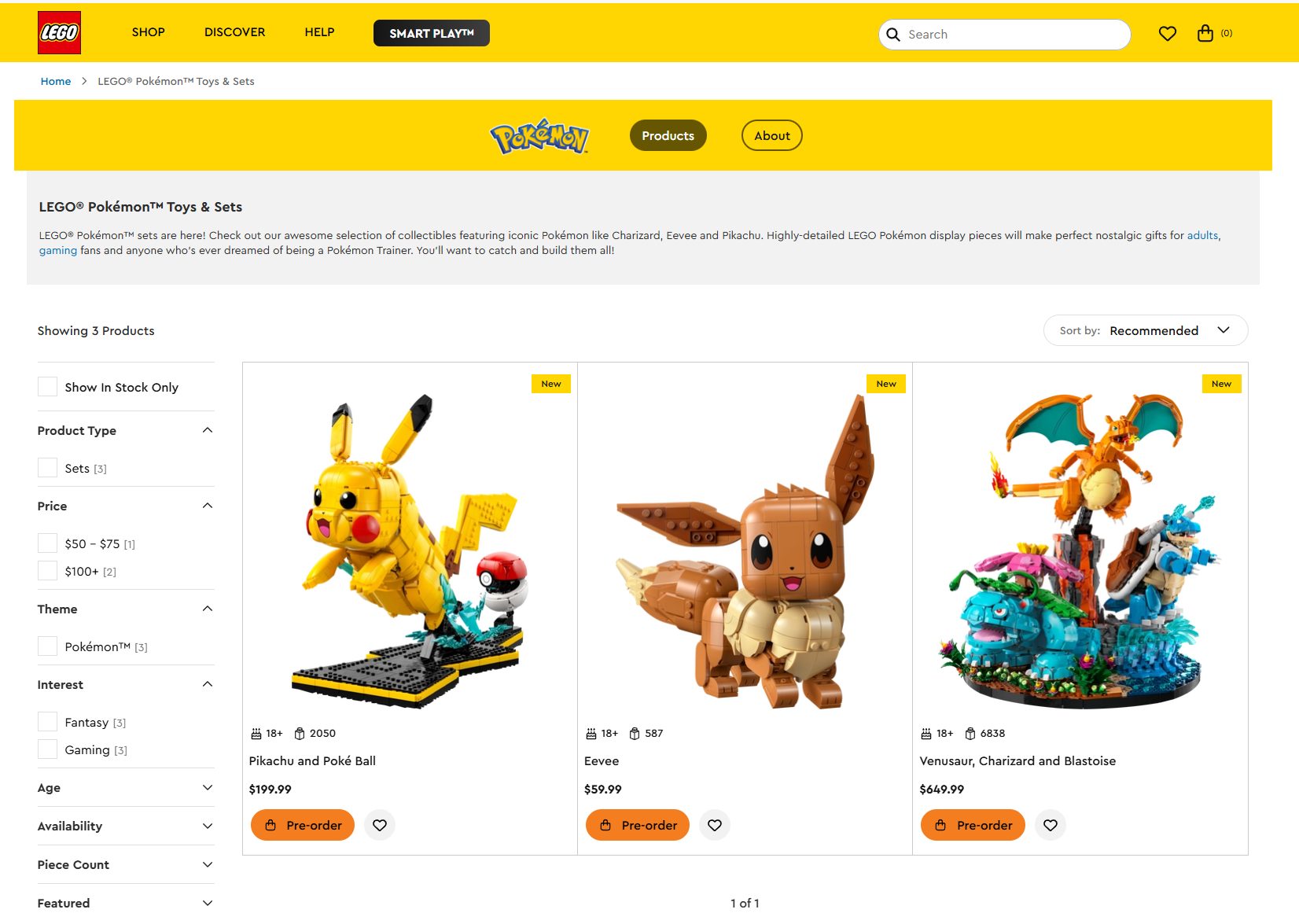
There is no need for speculation on whether LEGO would keep sticking to their nostalgia-oriented business strategy after the announcement of another Nintendo collaboration on January 12th, 2026. This time they have raised the calibre by taking on perhaps the most iconic Japanese franchise; Pokémon! The advertisement video for the Pokémon LEGO sets is packed with sarcasm of adult problems, including back pain and taxes (oh so relatable), humorously calling out the target audience. Undoubtedly, one can expect a high-quality build experience and a hardcore nostalgia trip. The sets will be releasing in February 2026. Until then, I am left craving for more…
Research source:
Lubiński, K. (2020). The Study of Nostalgia-Oriented Strategy Aimed at Millennials on The Example of The Lego Group. Journal of Intercultural Management, 12(2), 82–105. https://doi.org/10.2478/joim-2020-0039
Product information
Product name: LEGO Game Boy
Manufacturer: LEGO
Release Date: October 10, 2025
Bricks: 421
Age recommendation: 18+
Image sources:
Featured images of the LEGO Game Boy were taken by the author
Screenshot of the LEGO Pokémon collaboration on LEGO’s own website: https://www.lego.com/en-us/themes/pokemon
Other sources:
Nintendo of America. [@NintendoAmerica]. (2025, January 9).
Build the classic Nintendo system in LEGO® form. Coming October 2025.
[X post]. X. https://x.com/NintendoAmerica/status/1877400996462166302
The LEGO Group reveals first-ever LEGO Pokémon sets and Trainer Challenge. (2026, January 12). Pokémon News. https://www.pokemon.com/us/pokemon-news/the-lego-group-reveals-first-ever-lego-pokemon-sets-and-trainer-challenge