Believe it or not, even a Pharaoh could get bored during those lazy, sun-soaked days in ancient Egypt. Unfortunately for him, there were no digital toys to mess around with yet, so he had to make do with whatever he could find lying around. One of those entertainment tools was a game called Senet.
Senet, or if you want to be dramatic, “The Game of Death”, was one of ancient Egypt’s most popular board games. Over millennia, this board game underwent several changes, including its appearance and function. Eventually, what started as simple entertainment for the Pharaoh and his family evolved to hold a much deeper, more mysterious meaning: a symbolic passage through the underworld.

History of the Senet
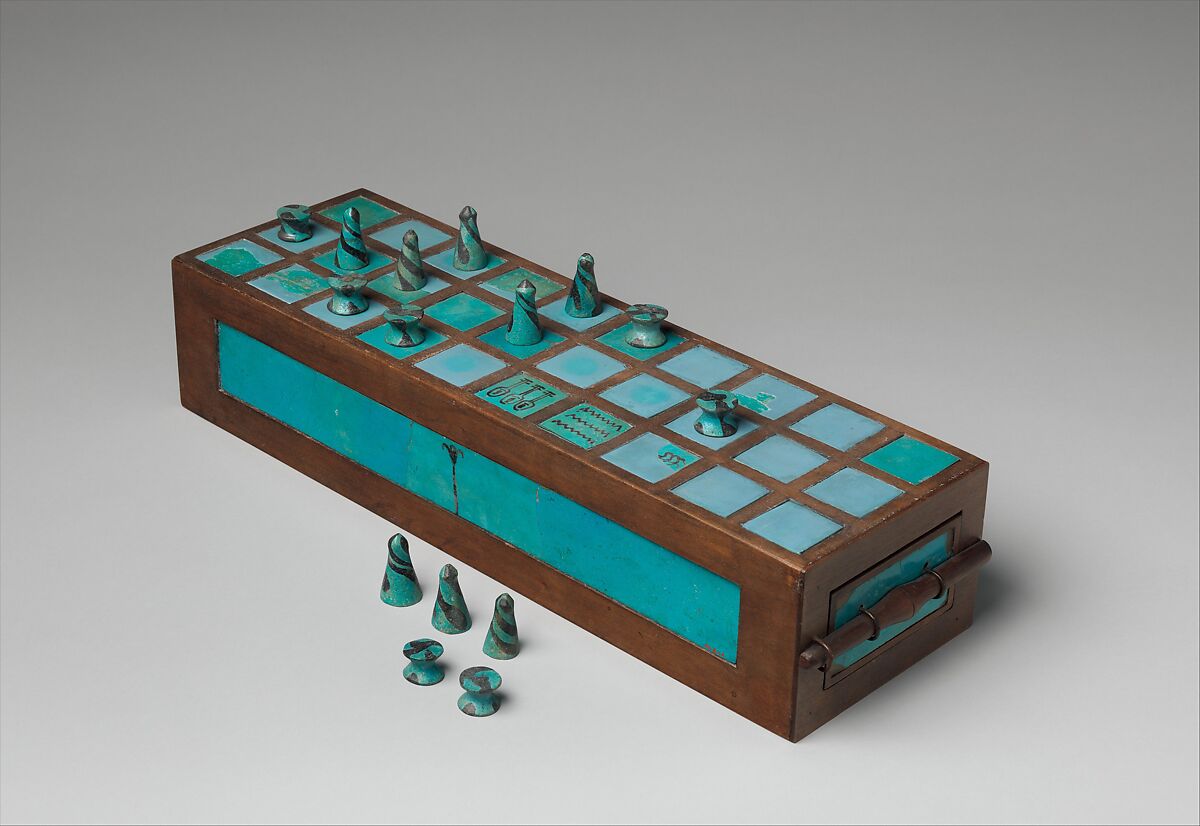
The word “senet” means “passing”, and the game was seen as a parallel to the journey into the afterlife and the obstacles one had to overcome on the way. We know about Senet thanks to the ancient Egyptian boards that have survived to this day, over 40 have been found, some in surprisingly good condition with their pawns, sticks, and knucklebones still intact.
While Senet wasn’t probably the first board game ever, it sure was the first popular one. The earliest complete example appears in a painting from the Third Dynasty tomb of Hesy-Re (around 2686–2613 BCE), where Senet is depicted alongside other games such as Mehen.
How to Play Senet
We are not entirely sure how Senet was played, as the original rules were never written down and were transmitted orally for thousands of years. But based on limited evidence, Egyptologists believe Senet was played by two competitors. Instead of dice, players tossed casting sticks or knucklebones to see how far they could move. The goal of the game was to remove all your pawns from the board, and the first player to move all their pawns to the finish won.
The game board consists of 30 squares, arranged in three rows of 10 squares each. If we number each square, the board can be represented like this:
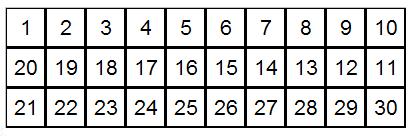
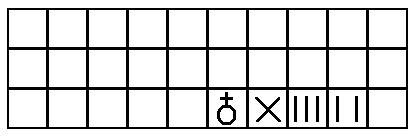
Although the board game orientation has changed several times over different periods (we even see a 180-degree reversal of the orientation), in all of them the pawns’ path (probably) followed a reversed S across the board. The final four squares (26-29) were decorated with symbols and seem to have held particular meanings and employed a punishment–reward system. These symbols also changed over time. The symbols started pretty simple, but later people began adding fancier drawings and hieroglyphic signs to those spaces. This upgrade happened right as Senet was becoming increasingly spiritually important.
Senet and the Afterlife
The Egyptians didn’t see those random throws of a dice as just luck. To them, it was the gods stepping in and steering their fate across the board. This unpredictability made Senet perfect for gambling, since even the best players couldn’t control what would happen next.
But gambling on Senet wasn’t just about winning stuff. As time went on, Senet took on serious religious meaning. The Book of the Dead, an ancient Egyptian collection of spells, prayers, and instructions meant to guide the deceased through the afterlife, actually includes Senet in Chapter 17, showing the deceased playing against an invisible opponent.
Egyptians believed that if you won the game, it meant the gods liked you, and you’d have an easy journey through the afterlife. If you lose too many times, that might mean you had some spiritual problems, or the gods weren’t too happy with you. This religious angle turned gambling into something way more serious than just placing bets; it was basically like asking the universe what your future held.

Senet in Other Media
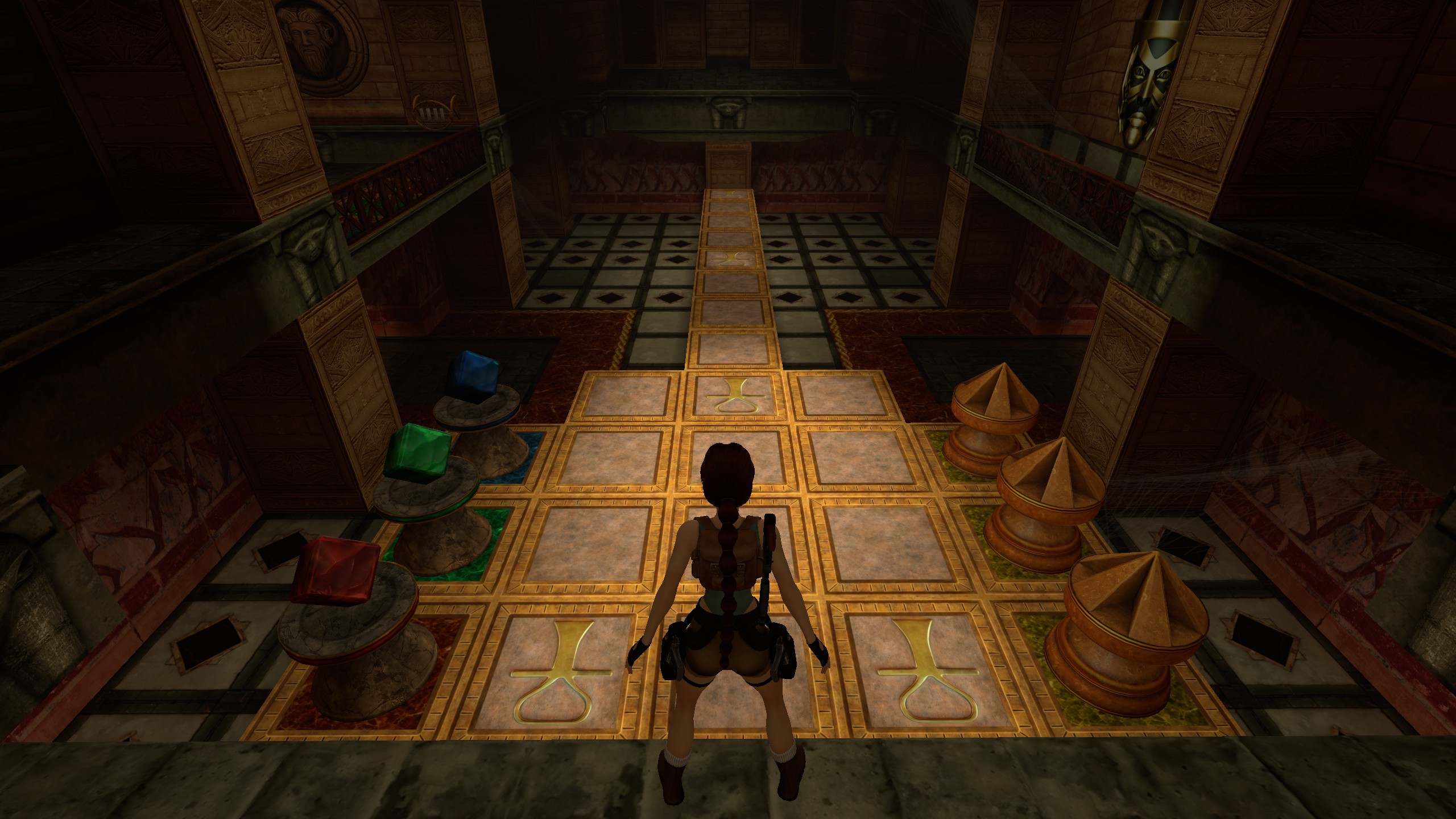
Senet featured in Tomb Raider 4: The Last Revelation, a 1999 game set in Egypt. In this game, Lara Croft, the main protagonist of the Tomb Raider franchise, plays Senet against the ghost of the ancient Egyptian king, Semerkhet.
But what’s called Senet in this game isn’t actually Senet at all; it’s the “game of twenty squares”, a variant of the Royal Game of Ur from Mesopotamia, often found on the flip side of Senet boards. So the developers used the Senet name but actually featured the game from the other side of the board.
While Tomb Raider 4 may have mixed up its ancient games, other modern recreations have been more faithful to Senet’s true form. Various board game publishers now offer physical reproductions of Senet boards, allowing contemporary players to experience this ancient pastime firsthand. Digital adaptations have also emerged, with games like Assassin’s Creed Origins (2017) featuring playable Senet minigames that follow the reconstructed rules more accurately than Lara Croft’s encounter.
Final Words
Senet’s journey from a simple Pharaoh’s pastime to a sacred gateway between life and death reveals how games can transcend entertainment to become windows into spiritual beliefs. Though the exact rules may be lost to time, the boards and paintings that survived tell us something profound: the ancient Egyptians saw life itself as a game of chance, where invisible forces guided each move, and the ultimate victory wasn’t about beating your opponent; it was about proving yourself worthy to the gods. Today, when we recreate Senet on our tables or screens, we’re not just playing a 5,000-year-old game; we’re touching the same questions about fate, fortune, and what lies beyond that captivated the ancient world.
Tomb Raider 4: The Last Revelation screenshot by the author